
Member for Mackenzie Delta.
Debates of Oct. 23rd, 2025
This is page numbers 2861 - 2936 of the Hansard for the 20th Assembly, 1st Session. The original version can be accessed on the Legislative Assembly's website or by contacting the Legislative Assembly Library. The word of the day was know.
Topics
Committee Report 27-20(1): Report on Bill 23: An Act to Amend the Children's Law Act and Bill 24: An Act to Amend the Family Law Act
Reports Of Standing And Special Committees
Page 2881
Committee Report 28-20(1): Report on Bill 27: An Act to Amend the Protections Against Family Violence Act
Reports Of Standing And Special Committees
Page 2881
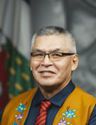
George Nerysoo Mackenzie Delta
Thank you, Mr. Speaker. Your Standing Committee on Social Development is pleased to provide its Report on Bill 27, An Act to Amend the Protection Against Family Violence Act, and commends this report to the House.
Report on Bill 27, An Act to Amend The Protection Against Family Violence Act:
The Protection Against Family Violence Act has been in place in the Northwest Territories since 2005, offering emergency and long-term legal measures to support individuals experiencing family violence. These protections go beyond what is available under the federal Criminal Code. The Act outlines what constitutes family violence and specifies who is eligible to apply for an emergency protection orders, which can be issued at any time by a Justice of the Peace when there is evidence of violence or imminent risk.
Bill 27 proposed changes to improve access to emergency protection orders and to address both physical and online forms of harassment. The amendments expand the definition of who qualifies for protection to include individuals in ongoing dating relationships, those in dependent care arrangements, and people who may reasonably be considered family.
The bill also introduces a definition of stalking, complete with examples, and formally includes stalking as a recognized form of family violence under the Act.
Additionally, the proposed changes would allow the RCMP to support victims by identifying individuals responsible for stalking and sharing that information with those affected.
The bill also introduces a new civil legal option, establishing a tort of stalking that enables victims to pursue legal action through the courts. Bill 27 was read in the Northwest Territories Legislative Assembly for the second time on May 27th, 2025, and referred to the Standing Committee on Social Development for further study. Committee has undertaken extensive study on the bill and moved five motions at the clause-by-clause review to improve the bill. Additionally, committee presents fifteen recommendations to the Government of the Northwest Territories:
Recommendation 1
The Standing Committee on Social Development recommends the Government of the Northwest Territories provide a detailed overview of what funds are currently available for culturally appropriate social programs, frontline services, and capital infrastructure designed to prevent or mitigate family violence in the Northwest Territories.
Recommendation 2
The Standing Committee on Social Development recommends the Government of the Northwest Territories develop and make public a costed, measurable, and time-bound strategy for addressing each of the pillars listed in the Reclaiming the Capable Person: We are all Capable Persons when we have Community: A Strategic Framework for Addressing Family Violence in the Northwest Territories by the end of the 2026 fiscal year.
Recommendation 3:
The Standing Committee on Social Development recommends that the Government of the Northwest Territories allocate significant new funding to support the provision and expansion of domestic violence shelters and safe homes across the Northwest Territories. This investment is necessary in light of the recent expansion of eligibility for emergency protection orders. The Standing Committee on Social Development further recommends that these funds be included in the 2026-2027 main estimates and Business Planning Process.
Recommendation 4
The Standing Committee on Social Development recommends the Government of the Northwest Territories expand transitional housing and shelter support for men who are removed from homes due to emergency protection orders and who are seeking to recover from violent behaviours, including supporting group housing models in small communities, similar to those initiated in Fort Good Hope.
Recommendation 5
The Standing Committee on Social Development recommends the Government of the Northwest Territories, specifically the Departments of Health and social services, Education, Culture and Employment, and Justice, increase education for young people and parents about the long-term impacts of family violence and the limitations of short-term legal interventions such as emergency protection orders.
This should be achieved through innovative age-appropriate education for children, early intervention programs for young people, integration of family violence education into career and life management classes or the Healthy Family Programs, or other community-based education methods.
Recommendation 6
The Standing Committee on Social Development recommends the Government of the Northwest Territories provide new funds to non-profit and charitable organizations in the Northwest Territories for developing and distributing education materials to communities on the use of emergency protection orders and Protection Orders and long-term solutions to addressing family violence.
Recommendation 7
The Standing Committee on Social Development recommends the Government of the Northwest Territories initiate a comprehensive review of the entire Emergency protection order and Protection Order system using Section 16.1 of the Protection Against Family Violence Act.
Recommendation 8
The Standing Committee on Social Development recommends the Government of the Northwest Territories formally respond to each of the recommendations of the 2020 case study done by the YWCA on the effectiveness of emergency protection orders in the NWT, including:
1. Improve Emergency protection order service delivery and consistency through the development of EPO training which shall include NWT specific education and awareness of emergency protection orders, for service providers including lawyers, RCMP and Justices of the Peace;
2. Improve risk assessment tools for repeat severe and violent offenders to establish the best form of protection, particularly in remote communities without police presence;
3. Develop an effective tracking system for emergency protection orders that are breached, the circumstances surrounding the breach, outcome, and consequences of the breach;
4. Strengthen effective safety planning strategies that include trauma-informed training for lawyers, RCMP, Justices of the Peace and victim service workers, particularly in remote communities without police presence;
5. Provide an effective tracking system for emergency protection orders breaches, the circumstances surrounding breaches, and the outcomes, to improve the current system;
6. Explore legal advice or representation for emergency protection orders.
The Standing Committee on Social Development further recommends that the Government of the Northwest Territories share details about the progress, timelines, milestones, and funding required to address and implement these recommendations with committee.
Recommendation 9
The Standing Committee on Social Development recommends the Government of the Northwest Territories deliver regular, interactive training on the Emergency protection order system and other components of The Protection Against Family Violence Act. This training should:
1. Be trauma-informed and culturally aware.
2. Be provided bi-annually to key system stakeholders, including Justices of the Peace, RCMP, the YWCA Northwest Territories, and others.
3. Include guidance on the types of evidence accepted to prove a breach of an Order and how to clearly communicate this to applicants.
4. Incorporate survivor and advocate perspectives with a focus on the lived realities in rural and remote communities.
Recommendation 10
The Standing Committee on Social Development recommends the Government of the Northwest conduct research on the appropriate duration and flexibility of emergency protection orders under the Protection Against Family Violence Act, and in alignment with the Government of the Northwest Territories' recommendations in the Reclaiming the Capable Person: We are all Capable Persons when we have Community: A Strategic Framework for Addressing Family Violence in the Northwest Territories to allow for emergency protection orders to be amended extrajudicially and make any necessary legislative amendments without delay.
The Standing Committee on Social Development further recommends that provisions and measures be developed to prevent Emergency protection order variations from being made under duress or intimidation, drawing on practices in other jurisdictions such as Manitoba and Nunavut.
Recommendation 11
The Standing Committee on Social Development recommends the Government of the Northwest Territories expand the authority to issue emergency protection orders to a wider range of designated officers and to add more officers to cover critical delivery gaps in communities. This change is intended to improve timely access to emergency protection orders for individuals who need immediate protection.
Recommendation 12
The Standing Committee on Social Development recommends the Government of the Northwest Territories conduct a comprehensive review of elder abuse, including research to understand its scope, analysis of the existing legislative framework, and development of an appropriate legislative framework to address identified gaps. This may include introducing a dedicated Adult Protection Act to ensure that elders receive timely and appropriate protection.
Recommendation 13
The Standing Committee on Social Development recommends that the Government of the Northwest Territories review the current limitations of the tort of stalking which is six years and determine an appropriate limitation period for the tort of stalking and make any necessary legislative amendments.
Recommendation 14
The Standing Committee on Social Development recommends that the Government of the Northwest Territories collaborate with the Northwest Territories judiciary to assess whether emergency protection orders are being reviewed within the legislated three-day timeframe. If reviews are not occurring as required, the committee recommends that corrective measures be implemented without delay and that any identified interventions be reported back to the committee. This assessment should include data collection and analysis to determine the extent of delays, their underlying causes, and appropriate solutions.
Recommendation 15
The Standing Committee on Social Development recommends the Government of the Northwest Territories provide a response to this report within 120 days.
Committee Report 28-20(1): Report on Bill 27: An Act to Amend the Protections Against Family Violence Act
Reports Of Standing And Special Committees
Page 2883
Committee Report 28-20(1): Report on Bill 27: An Act to Amend the Protections Against Family Violence Act
Reports Of Standing And Special Committees
Page 2883
George Nerysoo Mackenzie Delta
Mr. Speaker, I move, seconded by the honourable Member for Yellowknife North, that the remainder of the Committee report 28-20(1), Standing Committee on Social Development Report Review of Bill 27, An Act to Amend The Protection Against Family Violence Act, be deemed read and printed in Hansard in its entirety.
Committee Report 28-20(1): Report on Bill 27: An Act to Amend the Protections Against Family Violence Act
Reports Of Standing And Special Committees
Page 2883
Committee Report 28-20(1): Report on Bill 27: An Act to Amend the Protections Against Family Violence Act
Reports Of Standing And Special Committees
Page 2883
Some Hon. Members
Question.
Committee Report 28-20(1): Report on Bill 27: An Act to Amend the Protections Against Family Violence Act
Reports Of Standing And Special Committees
Page 2883

The Speaker Shane Thompson
Question has been called. All those in favour? All those opposed? All those abstentions? Motion passed.
---Carried
Committee Report 28-20(1): Report on Bill 27: An Act to Amend the Protections Against Family Violence Act
Reports Of Standing And Special Committees
Page 2883
George Nerysoo Mackenzie Delta
Introduction And Background
Bill 27: An Act to Amend the Protection Against Family Violence Act (Bill 27) was read in the Northwest Territories (NWT) Legislative Assembly for the second time on
May 27, 2025, and referred to the Standing Committee on Social Development (“Committee”) for further study.
The Protection Against Family Violence Act (SNWT 2003, c. 24) (“PAFVA” or “the Act”) came into force in 2005 to provide both emergency and longer-term legal protections for individuals experiencing family violence, supplementing existing remedies under the Criminal Code (Canada, RSC, 1985, c. C-46). The Act defines “family violence” and sets out eligibility criteria for someone to obtain an Emergency Protection Order (EPO) or a long-term Protection Order. These protection orders may be issued at any time by a Justice of the Peace (JP) upon determining that family violence has occurred or that there is an immediate risk. EPOs are available 24 hours a day, seven days a week. A person can apply for an EPO at any time by contacting a local Royal Canadian Mounted Police (RCMP) detachment or by calling YWCA Alison McAteer House in Yellowknife.
An EPO is a legal order that provides emergency protection that lasts up to 90 days; whereas a Protection Order can last for longer but must be issued by a judge. Either of these Orders can order the abusive person to stay away from someone and their children; allow someone to stay in their home without the abusive person being there; and/or require the RCMP to take away any weapons the abusive person may have. Prior to the COVID-19 pandemic, an average of about 65 EPO cases were being judicially confirmed each year. During the 2020-2021 fiscal year, the NWT experienced a notable increase in the use of EPOs, with 100 applications filed and 89 confirmed by a JP. The RCMP made 169 referrals to safety programming, including EPOs, in 2023-24. This trend shows the increased role for EPOs in the NWT.
A 2020 report by the YWCA NWT provided insight into the views of applicants for EPOs and facilitators that found that EPOs were not as effective as they need to be in the NWT, and their enforcement and use have been inconsistent, highlighting the need for a careful and context-specific approach to domestic violence policies in the territory. This research provided valuable insights to Committee to inform the study of Bill 27.
Announced in 2023, the Government of the Northwest Territories developed a Family Violence Strategic Framework (called Reclaiming the Capable Person: We are all Capable Persons When We Have Community) aimed at addressing the concerning rates of family violence in the NWT. It is unclear how or to what extent this Framework has been implemented so far. The NWT has some of the highest rates of intimate partner violence in Canada. According to data from Statistics Canada, in 2022, the territory's rate of intimate partner violence per 100,000 people was 4,139, the second highest in the country, compared to a national average of 346. Moreover, police reported data are likely conservative estimates, as family violence is underreported according to the Canadian Centre for Justice Statistics.
As drafted, Bill 27 proposes amendments to the PAFVA to expand the definition of “family” and thereby expand access to EPOs, and it clarifies that both physical and online harassment (stalking and cyber-stalking) can be considered forms of family violence. The definition of eligible applicants would be broadened to include individuals in dating (intimate personal) relationships of some permanence, those in care relationships involving daily dependence, and persons reasonably considered to be related in any way, whether they have ever lived together.
The bill also introduces a statutory definition of “stalking,” including examples, and adds stalking to the list of behaviours constituting family violence under the Act. It also authorizes the RCMP to assist victims by identifying anonymous alleged stalkers and sharing relevant information to support applications for protection. Finally, the bill establishes a new civil remedy by creating a tort of stalking, allowing victims to initiate legal action without needing to prove damages.
This report summarizes Committee's review of Bill 27, starting with public engagement. This report also describes Committee's efforts to review and strengthen Bill 27, including 5 motions to amend Bill 27, all of which were concurred with by the Minister at the clause-by-clause review. The report also presents 15recommendations for consideration by the GNWT.
Public Engagement
On August 19, 2025, Committee hosted a public hearing, during which the Committee was briefed on the Bill by the Minister of Justice. The Minister's presentation is included in Appendix A. A few members of the public attended this hearing, and two members of the public spoke to the bill.
Between May 2025 and August 2025, Committee engaged the public and sought written submissions on the bill. Committee received written submissions from the YWCA NWT (June 20, 2025, and August 25, 2025), the Royal Canadian Mounted Police (RCMP) (June 23, 2025), Nightingale Law Office (August 28, 2025), and a group of five NWT lawyers (August 27, 2025). Additionally, Committee sent correspondence as necessary to the respondents, requesting further clarification and posing questions regarding the content of their submissions.
The written submissions are included in Appendix A.
Committee extends its appreciation to all individuals and organizations who participated in public meetings and submitted written feedback. Contributors provided thoughtful input on the bill and proposed amendments, and raised important considerations related to family violence. Their perspectives informed Committee's deliberations and helped identify areas for improvement within the proposed legislation. Committee especially acknowledges the courage of victims and survivors of family violence. Their experiences added critical insight and helped ground Committee's work in the lived realities of those most affected.
Committee categorized public comments received into five themes: Addressing family violence in the NWT; Challenges within the EPO system; Expansion of who can apply for an Order; Stalking, and; Orders reviewed in court. Committee has made a total of 15 recommendations across these themes.
Addressing family violence in the Northwest Territories
Public submissions emphasized that effectively addressing family violence in the NWT requires a comprehensive, whole-of-government approach. While legislative tools like the PAFVA play an important role, they are not sufficient on their own. Participants highlighted the need for coordinated strategies that include expanded services, sustained funding, culturally relevant supports, education, and improved systemic responses. Committee acknowledges that EPOs are one tool among many, and that meaningful progress depends on long-term investment in social infrastructure and broader policy reform.
Committee wishes to emphasize the words of the YWCA NWT from their second submission to Committee:
“Let us be clear: the Protection Against Family Violence Act and the measures it legislates alone will not eradicate family violence in the territory. EPOs and Protection Orders are helpful to have in our toolbox, but they cannot address this issue in all its complexity -
nor is that their purpose. If Members are committed to addressing family violence then they need to push for significant, long-term investment in the social infrastructure. This means safe, affordable and accessible housing; community-based and culturally relevant supports for survivors; stable funding for trauma-informed frontline services; and improved systemic responses that break silos and promote collaboration, among other things. Such investments will not only make legislation like the Protection Against Family Violence Act more effective but will more fulsomely reduce family violence in the territory.”
Committee also notes that the GNWT's draft strategic framework to address family violence in the NWT states that the framework has been developed to “meet the safety needs of survivors and the rehabilitative needs of perpetrators by providing equitable access to a continuum of integrated GNWT services that are preventative, supportive, and rehabilitative, while building strong partnerships with community organizations to strengthen the overall service provision for Northerners.” Specifically, the framework outlines a holistic approach that focuses on five pillars:
Support for victims, survivors, and families that is immediate, responsive, competent, stable, equitable, trauma-informed, and culturally appropriate.
Prevention that reduces barriers to getting help and the normalization of family violence by educating children and communities on family violence issues, providing trauma-informed training for professionals, and engaging men and boys in gender-based violence preventative programming.
A responsive justice system that addresses the underlying factors that lead to family violence and adjusts standard practices that can retraumatize survivors.
Indigenous-led approaches that address the address the ongoing effects of colonization in the NWT and allows individuals to take control of their own healing.
Social infrastructure and enabling environments that focus on equitable
person-centred service delivery.
However, since the draft framework was made public in 2023, it is unclear what progress the GNWT has made on implementation.
Recommendation 1 The Standing Committee on Social Development recommends the Government of the Northwest Territories provide a detailed overview of what funds are currently available for culturally appropriate social programs, frontline services, and capital infrastructure designed to prevent or mitigate family violence in the Northwest Territories.
Recommendation 2 The Standing Committee on Social Development recommends the Government of the Northwest Territories develop and make public a costed, measurable, and time-bound strategy for addressing each of the pillars listed in the Reclaiming the Capable Person: We are all Capable Persons when we have Community: A Strategic Framework for Addressing Family Violence in the Northwest Territories by the end of the 2026 fiscal year.
Recommendation 3 The Standing Committee on Social Development recommends that the Government of the Northwest Territories allocate significant new funding to support the provision and expansion of domestic violence shelters and safe homes across the Northwest Territories. This investment is necessary in light of the recent expansion of eligibility for Emergency Protection Orders. The Standing Committee on Social Development further recommends that these funds be included in the 2026-2027 Main Estimates and Business Planning Process.
Recommendation 4 The Standing Committee on Social Development recommends the Government of the Northwest Territories expand transitional housing and shelter supports for men (e.g. providing multi-year funding to the Bailey House at the Salvation Army - Yellowknife) who are removed from homes due to Emergency Protection Orders and who are seeking to recover from violent behaviours, including supporting group housing models in small communities, similar to those initiated by Fort Good Hope.
Recommendation 5 The Standing Committee on Social Development recommends the Government of the Northwest Territories, specifically the departments of Health and Social Services, Education, Culture and Employment, and Justice, increase education for young people and parents about the long-term impacts of family violence and the limitations of short-term legal interventions such as Emergency Protection Orders. This should be achieved through innovative age-appropriate education for children, early intervention programs for young people, integration of family violence education into Career and Life Management classes or the Healthy Family Programs, or other community-based education methods.
Recommendation 6 The Standing Committee on Social Development recommends the Government of the Northwest Territories provide new funds to non-profit and charitable organizations in the Northwest Territories for developing and distributing education materials to communities on the use of Emergency Protection Orders and Protection Orders and long-term solutions to addressing family violence.
Challenges within the Emergency Protection Order System
While legislative amendments under Bill 27 aim to strengthen protections for survivors of family violence, public submissions and expert feedback highlight the need to assess the current EPO system more comprehensively. The effectiveness of EPOs depends not only on legislative design but on how the system functions in practice. A thorough review of the EPO process, as contemplated under section 16.1 of the PAFVA[1] and previously recommended in the GNWT's response to the Missing and Murdered Indigenous Women and Girls (MMIWG) Report, remains outstanding.
Committee takes note of this feedback and presents the following recommendation:
Recommendation 7 The Standing Committee on Social Development recommends the Government of the Northwest Territories initiate a comprehensive review of the entire Emergency Protection Order and Protection Order system using Section 16.1 of the Protection Against Family Violence Act.
In 2020, the YWCA published a case study titled “The Nature of Emergency Protection Orders (EPOs) in the Northwest Territories, Canada: A Case Study”, which examined the effectiveness of EPOs in the NWT. The research involved interviews, transcript reviews, and data analysis to explore EPO processes, usage, benefits, and challenges. The report highlighted barriers faced by victims of intimate partner violence, especially in remote communities with limited resources and police presence. It identified inconsistencies in enforcement, judicial decision-making, and awareness of EPOs among victims and frontline workers. The study was completed independently of the GNWT and funded by the RCMP National Crime Prevention Services.
To Committee's knowledge, no comprehensive review has been conducted to assess key aspects such as the training and knowledge of JPs, reasons for EPO application denials, timelines for court reviews, court record-keeping practices, frequency and outcomes of EPO cancellations, appeals and renewals, or the use of protection orders through the court. Without subject-matter expertise and broader consultation, legislative reform risks being symbolic rather than substantive. Addressing systemic gaps, improving procedural fairness, and ensuring survivor access to protection require coordinated evaluation, legal clarity, and investment in supportive infrastructure from the GNWT.
Therefore, Committee subsequently recommends that the GNWT adopt and formally respond to each of the YWCA's recommendations
Recommendation 8 The Standing Committee on Social Development recommends the Government of the Northwest Territories formally respond to each of the recommendations of the 2020 case study done by the YWCA on the effectiveness of Emergency Protection Orders in the NWT, including:
1. Improve EPO service delivery and consistency through the development of EPO training which shall include NWT specific education and awareness of EPOs, for service providers including lawyers, RCMP and Justices of the Peace.
2. Improve risk assessment tools for repeat severe and violent offenders to establish the best form of protection, particularly in remote communities without police presence.
3. Develop an effective tracking system for EPOs that are breached, the circumstances surrounding the breach, outcome and consequences of the breach.
4. Strengthen effective safety planning strategies that include trauma-informed training for lawyers, RCMP, Justices of the Peace and Victim Service Workers, particularly in remote communities without police presence.
5. Provide an effective tracking system for EPO breaches, the circumstances surrounding breaches and the outcomes, to improve the current system.
6. Explore legal advice or representation for EPOs.
The Standing Committee on Social Development further recommends that the Government of the Northwest Territories share details about the progress, timelines, milestones, and funding required to address and implement these recommendations with Committee.
Submissions from legal professionals and service providers identified ongoing gaps in understanding and applying the PAFVA, particularly within the EPO system. Concerns were raised regarding inconsistent interpretation by JPs, limited awareness among frontline workers, and barriers faced by applicants due to gatekeeping. Without regular, interactive training for key stakeholders such as JPs, RCMP, and shelter and safe home staff, the legislation's effectiveness is reduced. It perpetuates further traumatization and alienation of victims from the justice system, further reducing the efficacy of EPOs. Targeted education is necessary to ensure trauma-informed, consistent, and legally sound implementation of the Act.
Committee therefore recommends:
Recommendation 9 The Standing Committee on Social Development recommends the Government of the Northwest Territories deliver regular, interactive training on the Emergency Protection Order system and other components of the Protection Against Family Violence Act. This training should:
1. Be trauma-informed and culturally aware.
2. Be provided bi-annually to key system stakeholders, including Justices of the Peace, RCMP, the YWCA Northwest Territories, and others.
3. Include guidance on the types of evidence accepted to prove a breach of an Order, and how to clearly communicate this to Applicants.
4. Incorporate survivor and advocate perspectives, with a focus on the lived realities in rural and remote communities.
Some submissions highlighted situations where EPOs may not reflect the evolving needs of applicants, particularly when safety concerns change and other forms of support become more urgent. One lawyer reported multiple cases where women sought to vary the terms of their EPOs due to shifting circumstances, such as financial or caregiving needs. These concerns highlight the importance of understanding how orders are used and when modifications may be necessary. While these issues are significant, addressing them through amendments would fall outside the scope of Bill 27. However, they underscore the need for further review to ensure the system remains responsive and effective.
Committee therefore recommends the following:
Recommendation 10 The Standing Committee on Social Development recommends the Government of the Northwest conduct research on the appropriate duration and flexibility of Emergency Protection Orders under the Protection Against Family Violence Act, and in alignment with the Government of the Northwest Territories' recommendation in the Reclaiming the Capable Person: We are all Capable Persons when we have Community: A Strategic Framework for Addressing Family Violence in the Northwest Territories to allow for Emergency Protection Orders to be amended extrajudicially and make any necessary legislative amendments without delay. The Standing committee on Social Development further recommends that provisions and measures be developed to prevent Emergency Protection Order variations from being made under duress or intimidation, drawing on practices in other jurisdictions such as Manitoba and Nunavut.
Committee has also heard of cases where there have been challenges for individuals who are in need of an Emergency Protection Order cannot obtain one. This is particularly problematic in small communities outside of regional centers who do not have RCMP or Officers who are able to provide these services.
To ensure that vital protective services can be expanded to all those who need them, Committee recommends:
Recommendation 11 The Standing Committee on Social Development recommends the Government of the Northwest Territories expand the authority to issue Emergency Protection Orders to a wider range of designated Officers and to add more Officers to cover critical delivery gaps in communities. This change is intended to improve timely access to Emergency Protection Orders for individuals who need immediate protection.
Expanding who can apply for an Order
Bill 27 proposes to broaden eligibility for EPOs under the PAFVA by including individuals in dating relationships, care relationships, and other non-traditional family connections. This change addresses gaps identified in case law, such as M.W. v B.J., 2022 NWTSC 25, where an applicant was denied protection because they did not meet the definition of a qualifying relationship. While the proposed amendments aim to reflect the diversity of relationships in the NWT, stakeholders raised concerns about the clarity of definitions and the potential for confusion among those responsible for interpreting and applying the act. There were discussions that questioned whether the act remains the appropriate legislative tool if the focus shifts away from family violence, and whether other legal remedies, such as peace bonds or civil restraining orders, may be more suitable in certain cases. Committee members noted that expanding eligibility for orders could increase demand on enforcement and support systems. This highlights the need for further research, clear legislative guidance, and appropriate funding to support coordinated strategies, including expanded services, sustained resources, culturally relevant supports, education, and improved systemic responses, as recommended in earlier sections of this report.
“Care relationships” and elder abuse
Bill 27 proposes to expand eligibility for EPOs to include individuals in “care relationships,” defined as relationships where one person relies on another for daily assistance due to disability, illness, aging, or impairment. This addition is intended to extend protection to vulnerable individuals, including seniors, who may be at risk of abuse by caregivers.
Committee's deliberations and written submissions raised substantive concerns regarding the scope and suitability of the PAFVA as a legislative tool to address elder abuse. While the Act permits certain elders to seek protection orders, it may not adequately cover situations where harm is caused by extended family members or individuals within the broader community. This limitation is particularly evident in cases where the alleged abuser is not a child or grandchild.
Committee members emphasized that elder abuse is a serious and growing concern. Although Bill 27 introduces provisions related to care relationships, this approach does not fully capture the diverse circumstances in which elder abuse occurs, including various types of financial abuse. The current legislative framework may therefore leave significant gaps in protection. To address these concerns, the GNWT should undertake targeted research to assess the prevalence and nature of elder abuse across the territory. This research should inform a comprehensive evaluation of existing legal mechanisms and explore alternative approaches. One such option may be the development of a dedicated Adult Protection Act, like what is found in other Canadian jurisdictions such as Nova Scotia, Newfoundland and Labrador, or Prince Edward Island, designed to ensure timely and appropriate responses to elder abuse in all its forms.
Jurisdictional Scan
In examining approaches to the protection of vulnerable adults and elders across Canada, the Committee notes that several jurisdictions have enacted comprehensive adult protection legislation that extends beyond family or caregiving relationships. These legal frameworks establish clear authority for public bodies to investigate and intervene in cases of abuse, neglect, or self-neglect, regardless of the relationship between the alleged abuser and the affected adult.
For example, British Columbia's Adult Guardianship Act (Part 3) designates specific agencies to receive and investigate reports of abuse or neglect and to take protective actions, including seeking court orders to safeguard an adult's safety and access to support services. Nova Scotia's Adult Protection Act similarly authorizes intervention when an adult is subjected to or at risk of abuse or neglect and cannot protect themselves due to physical or mental incapacity. Newfoundland and Labrador's Adult Protection Act provides comparable mechanisms, allowing investigations and protective measures for adults unable to safeguard themselves from harm. Prince Edward Island and Yukon have adopted similar frameworks, enabling the investigation of suspected abuse and the execution of court-directed protective responses.
By contrast, some jurisdictions, such as Ontario, Manitoba, and Saskatchewan, lack standalone adult protection statutes. Instead, these provinces rely on sector-specific frameworks like Ontario's Long-Term Care Homes Act and Manitoba's Protection for Persons in Care Act, which establish mandatory reporting and investigation procedures for abuse occurring within institutional or care settings. While these tools offer important safeguards, they are generally limited to formal care environments and may not extend to circumstances involving informal caregiving or community-based abuse.
Overall, these examples demonstrate that a comprehensive, actor-neutral approach to adult protection, as seen in British Columbia, Nova Scotia, Newfoundland and Labrador, Prince Edward Island, and Yukon, offers broader and more adaptable protection than legislation limited to family or close relationships. The Committee notes that such models could serve as useful guidance if the GNWT considers developing a dedicated Adult Protection Act or similar legislative mechanism to ensure consistent and timely responses to elder abuse and the protection of vulnerable adults across all settings.
To support a comprehensive response to protecting seniors and preventing elder abuse, Committee recommends the following:
Recommendation 12 The Standing Committee on Social Development recommends the Government of the Northwest Territories conduct a comprehensive review of elder abuse, including research to understand its scope, analysis of the existing legislative framework, and development of an appropriate legislative framework to address identified gaps. This may include introducing a dedicated Adult Protection Act to ensure that elders receive timely and appropriate protection.
Stalking
In 2003, the Standing Committee on Social Programs concluded that the PAFVA was broad enough to include stalking within the definition of family violence. The Committee emphasized that the Act should focus on the impact of behaviour, specifically whether it causes fear, rather than listing every possible action. At that time, the Committee declined to pursue a motion to explicitly include stalking, stating that the conduct was already covered and that discretion in administration was essential.
Amendments introduced through Bill 27 now define stalking and include it as grounds for seeking an EPO. This change reflects a growing recognition of stalking as a form of coercive control, the increasing prevalence of online harassment, and aligns the NWT with other jurisdictions. Some of the written submissions expressed support for the inclusion of stalking in both physical and electronic forms as a meaningful step toward stronger protections for survivors.
Committee discussed the inclusion of the term “reasonably” in the definition of stalking and supports its use. This standard is consistent with other provincial and federal legislation, where stalking is defined as conduct that causes a person to reasonably fear for their safety. Committee further noted that courts regularly interpret reasonableness and that this threshold is commonly applied in decisions related to EPOs. While other forms of family violence in the Act do not include a reasonableness test, Committee sees value in applying it to stalking to help ensure appropriate use of the provision and to filter out meritless complaints. Committee does not recommend amendments currently but notes that jurisdictions such as Manitoba and Nunavut include the term throughout their legislation. This may be beneficial to consider in future updates to improve consistency across definitions.
Tort of Stalking
Bill 27 introduces a civil remedy allowing individuals to sue for damages under a newly created tort of stalking. This provision would enable applicants to seek financial compensation through the courts, separate from the emergency protection order process. Committee noted that only Manitoba and Nunavut have similar provisions and questioned whether this remedy has been used effectively in those jurisdictions. There is ongoing legal debate about whether such torts must be created by legislation or can be interpreted from existing common law.
Committee raised concerns about the practical accessibility of this remedy. Civil lawsuits are complex and often require legal representation, which may be financially out of reach for many applicants. It is unclear whether Legal Aid would support such claims or whether the potential compensation would justify the cost of litigation. Additionally, Committee considered that most civil claims are subject to time limits, which vary depending on the nature of the harm. The default period in the NWT is six years, but this may not be suitable for stalking-related claims, which often involve complex circumstances and delayed reporting. A shorter period may improve clarity and consistency, but any change should be informed by legal analysis and stakeholder input.
Committee supports retaining the tort provision in Bill 27 and encourages further study to ensure the limitation period reflects the realities of family violence and civil litigation in the territory. Therefore, Committee recommends:
Recommendation 13 The Standing Committee on Social Development recommends that the Government of the Northwest Territories review the current limitation to the tort of stalking which is six years, and determine an appropriate limitation period for the tort of stalking and make any necessary legislative amendments.
Orders Reviewed in Court
Section 5(2) of the Protection Against Family Violence Act requires that EPOs be reviewed by the court within three working days of receipt, or as soon as a judge becomes available. This review is intended to serve as a critical safeguard, particularly in cases where the order results in eviction from the home or restricts parenting access.
Committee heard concerns from legal professionals and service providers that these reviews may not be occurring within the mandated timeframe. Some participants described delays that raise questions about procedural fairness and the potential misuse of EPOs. The Department of Justice confirmed that the responsibility for conducting reviews lies with the independent judiciary and that it does not collect data on the timeliness of these reviews. As a result, the government has not taken steps to verify whether the three-day requirement is being met. Committee also noted that not all parties may be notified of the review, and that the process lacks transparency. Given the serious implications of EPOs, automatic court review with notice to all parties should be standard practice.
Committee maintains that this further emphasizes the need for a thorough review of the EPO process to be done under section 16.1 of the PAFVA to access this critical data, determine if the system is functioning effectively and efficiently, and to make necessary changes without delay.
To supplement Recommendation 7 which recommends that the GNWT undertake a comprehensive review using section 16.1 of the PAFVA, Committee recommends the following:
Recommendation 14 The Standing Committee on Social Development recommends that the Government of the Northwest Territories collaborate with the Northwest Territories judiciary to assess whether Emergency Protection Orders are being reviewed within the legislated three-day timeframe. If reviews are not occurring as required, the Committee recommends that corrective measures be implemented without delay and that any identified interventions be reported back to the Committee. This assessment should include data collection and analysis to determine the extent of delays, their underlying causes, and appropriate solutions.
Amendments
Committee put forward five draft motions to amend Bill 27. These are included in Appendix B of this report.
Motion 1
Committee supports including stalking as grounds for protection but recommends amending the definition to specify “repeated conduct.” This change would improve clarity and align the act with legal standards consistent with other Canadian jurisdictions. Committee therefore moved to amend paragraph 2(1)(b) of Bill 27 by amending the definition of “stalking” from “conduct” to “repeated conduct.”
The motion was carried during the clause-by-clause review with the Minister's concurrence.
Motion 2
To align the language within the PAFVA and make its provisions consistent, Committee moved to amend subclause 2(3) be amended by striking out the word “repeatedly” in subsections a and b. This amendment was proposed to complement the amendments presented in motion 1.
The motion was carried during the clause-by-clause review of the bill with the Minister's concurrence.
Motion 3
During the study, Committee noted that the concept of “dating” is a poorly understood or not commonly used term in Indigenous cultures and experiences. Committee moved to amend subclause 3(1) of Bill 27 to remove the reference to “dating relationship” and making the reference more general so as to capture a wide variety of intimate personal relationships that would align with cultural norms and traditions. The motion was carried during the clause-by-clause review of the bill with the Minister's concurrence.
Motion 4
As with Motion 3, Committee moved to amend subclause 3(1) of Bill 27 by striking out “a dating relationship” in proposed paragraph 2(1.1) and substituting “an intimate personal relationship.”
The motion was carried during the clause-by-clause review of the bill with the Minister's concurrence.
Motion 5
Section 2(5) of Bill 27 proposes a new provision that would allow the RCMP to disclose the identity of a suspected individual to an applicant, but only under specific conditions. The provision applies when an applicant suspects they are being stalked and requests information from the RCMP to support an application for an Emergency Protection Order (EPO). Disclosure is permitted only if the RCMP already possess the identity of the suspected individual and suspect that the applicant is being stalked. This provision is intended to assist applicants who are considering applying for an EPO but do not know the identity of the person they believe is stalking them.
Committee moved to amend subclause 3(3) of Bill 27 to elevate the standard for disclosure from “suspected” to “reasonably believed” in subsection a and b. Furthermore, Committee moved in motion 5 to include a new provision as section 6 that would protect the RCMP from any concerns under the federal Privacy Act if the disclosure is made in good faith and is consistent with the Privacy Act.
The motion was carried during the clause-by-clause review of the bill with the Minister's concurrence.
All motions put forth by Committee were concurred with by the Minister.
Conclusion
On October 20, 2025, Committee held a clause-by-clause review for Bill 27. Committee passed a motion to report Bill 27, as amended, to the Legislative Assembly as ready for consideration in Committee of the Whole.
This concludes the Standing Committee on Social Development's review of Bill 27: An Act to Amend the Protection Against Family Violence Act.
Recommendation 15 The Standing Committee on Social Development recommends the Government of the Northwest Territories provide a response to this report within 120 days.
Committee Report 28-20(1): Report on Bill 27: An Act to Amend the Protections Against Family Violence Act
Reports Of Standing And Special Committees
October 23rd, 2025
Page 2887
George Nerysoo Mackenzie Delta
Mr. Speaker, I move, seconded by the honourable Member for Range Lake, that Committee Report 28-20(1), Standing Committee on Social Development Report on a Review of Bill 27, An Act to Amend the Protection Against Family Violence Act, be received and adopted by the Assembly. Thank you, Mr. Speaker. Thank you, Member from Mackenzie Delta. The motion is in order. To the motion.
Committee Report 28-20(1): Report on Bill 27: An Act to Amend the Protections Against Family Violence Act
Reports Of Standing And Special Committees
Page 2887
Some Hon. Members
Question.
Committee Report 28-20(1): Report on Bill 27: An Act to Amend the Protections Against Family Violence Act
Reports Of Standing And Special Committees
Page 2887
The Speaker Shane Thompson
Question has been called. All those in favour? All those opposed? All those abstentions? The motion has carried.
---Carried
Member from Mackenzie Delta.
Committee Report 28-20(1): Report on Bill 27: An Act to Amend the Protections Against Family Violence Act
Reports Of Standing And Special Committees
Page 2887
George Nerysoo Mackenzie Delta
Thank you, Mr. Speaker. I move, seconded by the honourable Member for Sahtu, that pursuant to Rule 9.4(5)(a) the Government of the Northwest Territory table a comprehensive response to this report including all recommendations within 128 days or at the earliest opportunity subsequent to the passage of 128 days.
Thank you, Mr. Speaker.
Committee Report 28-20(1): Report on Bill 27: An Act to Amend the Protections Against Family Violence Act
Reports Of Standing And Special Committees
Page 2887
The Speaker Shane Thompson
Thank you, Member from Mackenzie Delta. The motion is in order. To the motion.
Committee Report 28-20(1): Report on Bill 27: An Act to Amend the Protections Against Family Violence Act
Reports Of Standing And Special Committees
Page 2887
Some Hon. Members
Question.
Committee Report 28-20(1): Report on Bill 27: An Act to Amend the Protections Against Family Violence Act
Reports Of Standing And Special Committees
Page 2887
The Speaker Shane Thompson
Question has been called. All those in favour? All those opposed? All those abstaining? The motion is carried.
---Carried
Reports of standing and special committees. Tabling of documents. Minister of Justice.
Tabled Document 409-20(1): 36th Annual Victims Assistance Fund Report 2024-2025
Tabled Document 410-20(1): Administration of the Northwest Territories Access to Information and Protection of Privacy Act Annual Report 2024-2025
Tabling Of Documents
Page 2887

Jay MacDonald Thebacha
Mr. Speaker, I wish to table the following two documents: 36th Annual Victim Assistance Fund Report 2024-2025; and, the Administration of the Northwest Territories Access to Information and Protection of Privacy Act Annual Report 2024-2025. Thank you, Mr. Speaker.
Tabled Document 409-20(1): 36th Annual Victims Assistance Fund Report 2024-2025
Tabled Document 410-20(1): Administration of the Northwest Territories Access to Information and Protection of Privacy Act Annual Report 2024-2025
Tabling Of Documents
Page 2887
The Speaker Shane Thompson
Thank you, Minister of Justice. Tabling of documents. Minister responsible for Housing NWT.
Tabled Document 411-20(1): Housing Northwest Territories Annual Report 2024-2025
Tabling Of Documents
Page 2887

Lucy Kuptana Nunakput
Thank you, Mr. Speaker. Mr. Speaker, I wish to table the following documents: Housing Northwest Territories Annual Report 2024-2025. Thank you, Mr. Speaker.
Tabled Document 411-20(1): Housing Northwest Territories Annual Report 2024-2025
Tabling Of Documents
Page 2887
The Speaker Shane Thompson
Thank you, Minister responsible for Housing NWT. Tabling of documents. Minister of ECE.
Tabled Document 412-20(1): Annual Report on Official Languages 2024-2025
Tabled Document 413-20(1): Aurora College Corporate Plan 2025-2026
Tabling Of Documents
Page 2887

Caitlin Cleveland Kam Lake
Mr. Speaker, I wish to table the following two documents: Annual Report on Official Languages 2024-2025; and, Aurora College Corporate Plan 2025-2026. Thank you, Mr. Speaker.
Tabled Document 412-20(1): Annual Report on Official Languages 2024-2025
Tabled Document 413-20(1): Aurora College Corporate Plan 2025-2026
Tabling Of Documents
October 23rd
Page 2887
The Speaker Shane Thompson
Thank you, Minister of ECE. Tabling of documents. Minister of Municipal and Community Affairs.
Tabled Document 414-20(1): Northwest Territories 9-1-1 Service 2024-2025 Report
Tabling Of Documents
October 23rd
Page 2887

Vince McKay Hay River South
Mr. Speaker, I wish to table the following document: Northwest Territories 9-1-1 Service 2024-2025 Annual Report. Thank you, Mr. Speaker.
Tabled Document 414-20(1): Northwest Territories 9-1-1 Service 2024-2025 Report
Tabling Of Documents
October 23rd
Page 2887
The Speaker Shane Thompson
Thank you, Minister of Municipal and Community Affairs. Tabling of documents. Tabling of documents. Notices of motion. Notices of motion for first reading of bills. Minister of Infrastructure.
Bill 33: Technical Safety Standards Amendment Act
Notices Of Motion For First Reading Of Bills
October 23rd
Page 2887
Vince McKay Hay River South
Mr. Speaker, I give notice that on Wednesday, October 29, 2025, I will present Bill 33, Technical Safety Standards Amendment Act, to be read for the first time. Thank you, Mr. Speaker.
Bill 33: Technical Safety Standards Amendment Act
Notices Of Motion For First Reading Of Bills
October 23rd
Page 2887
The Speaker Shane Thompson
Thank you, Minister of Infrastructure. Notice of motion for first reading of bills. First reading of bills. Second reading of bills. Consideration in Committee of the Whole of bills and other matters, Bill 23, Bill 24, Bill 27, Tabled Document 385-20(1), Tabled Document 386-20(1), Tabled Document 387-20(1), Tabled Document 388-20(1), with the Member from Tu Nedhe-Wiilideh in the chair.