This is page numbers 3487 - 3250 of the Hansard for the 20th Assembly, 1st Session. The original version can be accessed on the Legislative Assembly's website or by contacting the Legislative Assembly Library. The word of the day was communities.

Topics

Members Present

Hon. Caitlin Cleveland, Mr. Edjericon, Mr. Hawkins, Hon. Lucy Kuptana, Hon. Jay MacDonald, Hon. Vince McKay, Ms. Morgan, Mr. Morse, Ms. Reid, Mr. Rodgers, Hon. Lesa Semmler, Hon. R.J. Simpson, Mr. Testart, Hon. Shane Thompson, Hon. Caroline Wawzonek, Mrs. Weyallon Armstrong, Mrs. Yakeleya

The House met at 9:58 a.m.

---Prayer or reflection

Prayer Or Reflection

Page 3487

The Speaker

The Speaker Shane Thompson

Please be seated. Thank you, Jonas Lafferty, for the opening prayer and reflections.

Ministers' statements. Minister of Infrastructure.

Minister's Statement 179-20(1): Critical Infrastructure Collaborations
Ministers' Statements

Page 3487

Vince McKay

Vince McKay Hay River South

Mr. Speaker, across the Northwest Territories, infrastructure projects are about much more than design, labour, and raw materials. These critical projects encompass new opportunities to build, protect, and connect the North that benefits the whole Northwest Territories.

I am proud that the Government of the Northwest Territories is collaborating more closely than ever before with Indigenous governments and working together to set priorities, design projects, and help build infrastructure across the territory. This work is grounded in respect, partnership, and shared commitment to building projects that reflect local priorities and long-term commitments.

Mr. Speaker, one of the critical projects that reflects respectful collaboration is the Dehk'e Frank Channel Bridge replacement project, a major infrastructure initiative to replace the existing 1960s-era bridge on Highway No. 3 with a modern structure. In addition to two lanes, the new bridge will also feature a separate pedestrian and cycling path to improve safety.

In preparation for the future, the new bridge will also support growing traffic demands by establishing the removal of height and width restrictions that currently limit oversized and heavy loads essential for housing, construction, and industrial activity in the area. It will also strengthen connectivity for communities in the North Slave region and enhance access for critical mineral development and trade along the national highway system.

This project is being advanced by the Tlicho-Kiewit general partnership, an Indigenous-led joint-venture between the Tlicho Investment Corporation and Kiewit Corporation. The partnership's recent work includes the construction of the Tlicho Highway, a critical corridor providing year-round safe and reliable connectivity for the community of Whati and the first Indigenous equity investment in a Canadian private-public partnership project.

Construction of the Dehk'e Frank Channel Bridge began in 2025 with the new bridge expected to be open to traffic in fall 2027, and the old bridge will be removed by fall 2028. The Tlicho-Kiewit general partnership is working with the Government of the Northwest Territories to ensure the project is delivered in a way that reflects regional priorities, protects the land and water, prioritizes cultural considerations, and maximizes long-term benefits for the community.

Mr. Speaker, the Department of Infrastructure is also working side by side with Indigenous governments on major corridor and access projects that will improve access to services and support economic development while respecting Indigenous leadership and knowledge. We are collaborating on winter road and marine resupply systems that are essential to northern life, and Indigenous governments are key partners in planning, operating, and local employment for these critical links.

With energy projects, we are working with the Indigenous governments on community power systems and renewable energy projects. These relationships support energy security and a more affordable and sustainable future.

At the community level, we are working together to build schools and health facilities in a way that support Indigenous procurement and training. This commitment is reflected in the new health and social services centre in Tulita, nearing the end of its construction. After many delays, this project is expected to be completed this spring. Local residents have been involved from the beginning, contributing to early construction work and now working with the builders on way finding and interior signage, including where to place murals throughout the building.

Another new project is the Behchoko school, where the concept design phase is nearing completion. The Departments of Education, Culture and Employment and Infrastructure are working closely with the Tlicho government and the Tlicho Community Services Agency, and the design consultant through an internal working group. This coordination approach ensures that community priorities are reflected at every stage of the planning and the decision-making. Collaboration has been continuous, deliberate, and enabled in every step of the project's development.

Mr. Speaker, this is what government-to-government collaboration looks like. With these principles and practices in hand, we are the leaders in Canada. We are building together, creating opportunity together, and improving regional and territorial economics. Our infrastructure projects are anchored in determination to make the Northwest Territories more resilient. These projects are in line with the needs and the aspirations of the people of the territory and connect us to the rest of Canada. Thank you, Mr. Speaker.

Minister's Statement 179-20(1): Critical Infrastructure Collaborations
Ministers' Statements

Page 3487

The Speaker

The Speaker Shane Thompson

Thank you, Minister of Infrastructure. Ministers' statements. Members' statements. Member from Yellowknife North.

Member's Statement 879-20(1): “Stone and Bone to Code and Chrome: Ice Age to the Information Age” Prince of Wales Northern Heritage Centre Exhibit
Members' Statements

Page 3487

Shauna Morgan

Shauna Morgan Yellowknife North

Thank you, Mr. Speaker. Mr. Speaker, last Thursday evening the lights went out at exactly the same time as a group of proud students from Mildred Hall School were hosting hundreds at the Prince of Wales Northern Heritage Centre for the grand opening of their museum exhibit Stone and Bone to Code and Chrome, Ice Age to the Information Age.

It must have been a scene those students will remember for a lifetime. In the eerie quiet, by the light of flashlights, a giant saber-toothed tiger and a megatherium looming over you, cardboard Stone Age creatures come to life. A politician would have likely been grumbling that those power outages are taking us back to the Stone Age but for a child, magic.

I was delighted to visit the exhibit myself earlier this week and to be inspired by what is possible within our education system and within the new BC curriculum.

In building the giant cardboard creatures, the grade 1 and 2 students used their own creativity to figure out how to make them freestanding and then how to transport them to the museum intact. The grade 7 and 8 students created a historical timeline, researching human inventions all the way from the Stone Age to today, and they got to choose which historical events were most important to them. I didn't realize it but it turns out, yes, I do want to know about who invented peanut butter and when.

It is inspiring how much the students took ownership over their projects and were so motivated by the opportunity to share their work with a bigger community audience. Imagine that the rest of the world actually cares what they're doing, cares about their ideas, and wants to learn from them.

We spend our time at the ledge poring over education reports and statistics, but the success of our education system and the well-being of our children ultimately does depend on the people. The dedication and passion of our teachers and administrators, the family members and volunteers who help kids go the extra mile with their projects, and the support of the whole community. Kids need to know that adults are not just there to tell them what to do all the time. We are here to learn from them, to value their unique contributions, and to challenge them to take the lead and to show us the way. Thank you, Mr. Speaker.

Member's Statement 879-20(1): “Stone and Bone to Code and Chrome: Ice Age to the Information Age” Prince of Wales Northern Heritage Centre Exhibit
Members' Statements

Page 3487

The Speaker

The Speaker Shane Thompson

Thank you, Member from Yellowknife North. Member's statements. Member from Range Lake.

Member's Statement 880-20(1): Northern Winter Olympians and Arctic Winter Games PArticipants
Members' Statements

Page 3487

Kieron Testart

Kieron Testart Range Lake

Mr. Speaker, the 2026 Milano Cortina Winter Olympics are in full swing. I am proud to join the millions of Canadians cheering on Team Canada as they showcase our nation's finest athletes. Each day brings out more of our athletes standing proudly on the podium and an exciting week still lies ahead. What makes the Winter Olympics truly special is what they mean for our athletes here in the North. Our territory may be small in population, but we punch well above our weight, sending skilled athletes to compete on the world stage because many of these games are made for our people.

Northerners have long shone in Winter Olympic sports, including the versatile biathlete Brendan Green of Hay River, cross-country skier Jesse Cockney from Yellowknife, and speed skater Michael Gilday. And, of course, the trailblazing Firth sisters Sharon and Shirley from Aklavik, cross-country skiers who are longtime members of Canada's national team. While Shirley is tragically no longer with us, my friend Sharon continues to inspire youth and promote northern sports. Just last week, she was the featured highlight of an exhibit at Calgary's airport, celebrating the 70th anniversary of the Order of Sport, Canada's highest sporting honour.

I am looking forward to upcoming events in skiing, curling, and speed skating, and of course I can't wait to see our two elite hockey teams continue Canada's dominance on the ice. Closer to home, the Arctic Winter Games will soon showcase young northern talent in sport and Indigenous culture, and I wish all NWT athletes the very best in Whitehorse. Here's to Team Canada, here's to Team NWT, and here's to the next generation of northern athletes. Let's go for gold, Mr. Speaker.

Member's Statement 880-20(1): Northern Winter Olympians and Arctic Winter Games PArticipants
Members' Statements

Page 3488

The Speaker

The Speaker Shane Thompson

Members' statements. Member from the Deh Cho.

Member's Statement 881-20(1): Continuing Transitional Education
Members' Statements

Page 3488

Sheryl Yakeleya

Sheryl Yakeleya Deh Cho

Mr. Speaker, the closure of our community learning centres has left a significant gap in accessible education support across our communities. It is time we work toward re-establishing these essential spaces, this time in partnership with other institutions and under a more supportive and encouraging name - continuing transitional education.

Adult education remains critical in our small communities where graduation rates continue to lag behind the rest of the Northwest Territories. The most recent six-year graduation statistics for 2024 highlight an ongoing and deeply concerning trend. The Government of the Northwest Territories reports that Yellowknife continues to lead with a 71 percent graduation rate, while regional centres such as Inuvik, Hay River and Fort Smith sit at 58 percent. Meanwhile, small communities remain the lowest at just 44 percent, a pattern that has persisted for over a decade.

These disparities illustrate what many Northerners already know. While regional centres are seeing far more graduates, many of our smaller communities continue to face systemic disadvantages. In addition, there seems to be considerable hesitancy among adults about returning to school, and much of that stems from stigma. The word upgrading can feel discouraging or even embarrassing for those who did not complete high school.

Renaming the adult literacy and basic education or upgrading program to continuing transitional education provides a more positive, forward-looking pathway; one that emphasizes growth, dignity and opportunity, rather than past barriers.

Mr. Speaker, too many of our people continue to live in poverty and rates of addictions remain high. Expanding access to continuing education, paired with appropriate mental health supports, can help shift individuals from dependency towards self-reliance. At the end of the day, young people and adults still need accessible avenues to build their skills, pursue careers and improve their lives. I will have questions for the Minister at the appropriate time. Thank you.

Member's Statement 881-20(1): Continuing Transitional Education
Members' Statements

Page 3488

The Speaker

The Speaker Shane Thompson

Thank you, Member from the Deh Cho. Members' statements.

Member's Statement 882-20(1): Liidlii Kue Regional High School Student Council
Members' Statements

Page 3488

Shane Thompson

Shane Thompson Nahendeh

Colleagues, today I am going to recognize the incredible leadership of the Liidlii Kue Regional High School student souncil and the grade 6 class from Liidlii Kue Elementary School. I have witnessed both groups working hard fundraising so students can proudly wear school hoodies and the grade 6 class trip to Edmonton. These efforts not only raise money, but they also build school spirit and give students practical experience in organizing events, managing budgets, and working as a team.

Colleagues, these students are not just focused within the school's walls, but they also spread Christmas cheers in the community by preparing and delivering holiday treats and partaking in the Christmas bazaar. I had the pleasure of receiving one of those holiday treats from four young people.

Within the school, the student council has been helping to organize fun, engaging events to bring students together in a positive way. The LKES grade 6 class helps make school events, such as Christmas concerts, more enjoyable by operating a concession stand. These activities create a more welcoming school environment, encouraging participation, and giving students a chance to celebrate their culture, talent and creativity.

Colleagues, the LKRHS student council and the LKES grade 6 class shows that leadership does not start when you are an adult; it starts when young people are trusted and supported to take the lead. These students are gaining skills and confidence that will carry into future roles as leaders in their families, communities, and in Northwest Territories.

I would like to thank the staff for taking their time to work with these students, especially teachers Mr. Greg Durrant and Ms. Julia de Pelham, who are guiding the class towards an exciting and well-deserved adventure.

Colleagues, I ask you to join me in congratulating the LKRHS student council, LKES grade 6 class, and thanking the staff, parents and volunteers for supporting these impressive young leaders.

Members' statements. Member from Tu Nedhe-Wiilideh.

Member's Statement 883-20(1): Transboundary Agreement
Members' Statements

February 13th, 2026

Page 3488

Richard Edjericon

Richard Edjericon Tu Nedhe-Wiilideh

Mr. Speaker, Western Canada is home to one of the world's largest freshwater systems, with a river basin flowing from Alberta throughout the territory to the Arctic Ocean. These rivers are sacred to my people, the lifeblood of our communities, sustaining our culture, traditions and way of life, and hold deep significance for our First Nations, Inuit, and Metis in the Northwest Territories. It is also home to Canada's largest oil sands deposit where a sprawling industry complex of mines, wells, and Alberta use millions of barrels of water each day to produce a bitumen.

This creates a growing network of tailing ponds now holding about 1.5 trillion litres of toxic water waste. Any leaks into the watershed would have devastating impacts on the ecosystem and the health of our communities. Our government signed a transboundary agreement in 2014 to ensure downstream communities have proper monitoring yet in recent years, spills like last year's toxic leak took months to be disclosed.

This agreement has no enforcement. There are no consequences if Alberta fails to act. Now in Alberta, it's proposing Bill 7 which amends their Water Act, and two amendments are deeply concerning.

First, they want to fast-track the treatment and release of tailing waters but the science isn't there. Timelines are unclear and treatment is unidentified. Second, the proposed merging water basin directly violates our transboundary treaty. Diverting water at a time when northern water levels are at a 70 year low, a clear sign of environmental distress, putting our communities at real risk. It's no surprise that First Nations of Alberta are taking their government to court, and Indigenous governments here in the North are raising the alarm.

Our government must step up. If the agreement has no enforcement, it doesn't hold water. The Minister of ECC must take a firm stand and the Premier must ensure our territory and Indigenous governments have a united voice. I will have questions for the Minister of ECC later today on how we can protect our freshwater. Thank you, Mr. Speaker.

Member's Statement 883-20(1): Transboundary Agreement
Members' Statements

Page 3488

The Speaker

The Speaker Shane Thompson

Thank you, Member from Tu Nedhe-Wiilideh. Members' statements. Member from Yellowknife Centre.

Member's Statement 884-20(1): Arctic Economic Security Corridor
Members' Statements

Page 3488

Robert Hawkins

Robert Hawkins Yellowknife Centre

Thank you, Mr. Speaker. I appreciate that.

Mr. Speaker, today I want to first begin by quoting the Minister of Infrastructure's statement. It was certainly timely with respect to my Member's statement. It says, capital projects encompass new opportunities to build, protect, and connect the North for the benefit of Northerners, Mr. Speaker.

Mr. Speaker, it gave me quick pause because I thought about the Arctic Economic Security Corridor and how important that that's going to be, so I couldn't agree with that statement more. Now, what's interesting here is the Tlicho and the YKFDN have a joint partnership which I certainly support and believe in the empowerment of Indigenous governments and certainly people finding their way economically, socially, and building their communities stronger, Mr. Speaker. But as I understand, they're examining the routes from Whati to Gameti and then on to Wekweeti, the intent is to do a straight shot to the straight north which means, Mr. Speaker, believe it or not, from what I am told the third path of the Arctic Economic Security Corridor will go past Yellowknife and not even stop by.

Mr. Speaker, that's in clear contradiction of the Minister's statement about tying communities together.

Mr. Speaker, we must find ways to build and support all communities and strengthen our infrastructure in a way to strengthen resilience of all Northerners, Mr. Speaker.

Yellowknife is the largest economy in the Northwest Territories and essentially what this statement, from what I am told, is it's creating a bypass past the capital and that cannot be the case, Mr. Speaker. This is absolutely, deeply concerning. Mr. Speaker, any discussion about this particular rigours of this project must include, in some ways, if they want to make a ring road to tie it back to Yellowknife, I think then we achieve the same goals.

If you want to ask me, is it important to connect Whati to Gameti? I will say absolutely. Mr. Speaker, if you want me to believe -- ask me if I believe in connecting to Wekweeti to the roads or infrastructure, absolutely. But Mr. Speaker, from what I am told this process is essentially just like the Mackenzie Valley Highway, going from Fort Simpson to Wrigley, ignoring Norman Wells, and going straight to Inuvik. Could you imagine that particular case?

Mr. Speaker, I can't stand for this, and I want to make sure when I ask questions to the Minister of Infrastructure, to make sure that Yellowknife doesn't become a bypass road that is completely ignored. Mr. Speaker, again, Yellowknife is a key partner in this. Yellowknife MLAs support the Tlicho people and the YKDFN asserting their abilities to grow their economy and support their people, and I will do that every way I can, but it cannot come at a cost of Yellowknife and the infrastructure here. Thank you, Mr. Speaker.

Member's Statement 884-20(1): Arctic Economic Security Corridor
Members' Statements

Page 3489

The Speaker

The Speaker Shane Thompson

Thank you, Member from Yellowknife Centre. Members' statements. Returns to oral questions. Recognition of visitors in the gallery. Replies to the budget, day 7 of 7. Member from Great Slave.

Reply 26-20(1): Reply by Ms. Reid
Replies To The Budget Address

Page 3489

Kate Reid

Kate Reid Great Slave

Thank you, Mr. Speaker. Mr. Speaker, the 2026-2027 Budget Address points to a shifting and uncertain landscape in geopolitics, one of which we are all acutely aware. Anyone paying attention to world events knows that chaos is not a way to govern, not a way to build relationships and partnerships, and not a way to seize opportunities headed our way. And contrary to the fictional philosophy, chaos is not a ladder.

Difficult challenges require an analytic, coherent, and integrated approach. I proudly put NWT residents, their good ideas, and data-driven decision-making first, and that foundation also steers my decision-making on the 2026-2027 Budget before us.

I think it is sometimes easy to forget that the population of the Northwest Territories would not fill the Commonwealth Stadium in Edmonton for an Elks game. It's worth noting that the GNWT does not have the magnitude of fiscal and human resources as compared to a larger provincial jurisdiction.This is demonstrated, in part, by the fact that our per capita public spending is astronomical compared to similar services south of 60; health care, sadly, being the quintessential example.

Plainly, it costs more to provide public services for NWT residents. This is not a novel concept to any of us. At the same time, this chasm of disparity between an NWT resident and a provincial resident in available services and supports is wide, deep, and fundamentally wrong as many of my colleagues have pointed out over the last two years. Residents of all 33 NWT communities should have equal opportunities to good health, education, economic opportunity, community and personal wellness, and a safe and warm place to lay their heads at night. I do not believe that any of us dispute that.

But here we sit, in a territory facing down decades of compounding social problems, all of which need generational investment, and a government with a proposed path of just under $2.4 billion to fund and maintain programs and services that many residents expect and depend on. When local and global circumstances pile on, as they have done so with a weary and unending frequency over the last six years in constant climate-related issues like flooding, low water, highway clearing, wildfire and evacuations, to say nothing of a global pandemic, we continue to have cost overruns.

I specifically waited to give my reply to this budget until we reviewed the most recent supplementary estimates for 2025-2026, to know the totality of unexpected dollars spent above and beyond the main estimates and capital estimates of that year. If I am doing my math right, the supplementaries total an additional $450 million not previously authorized on top of the original main estimates total of $2.375 billion and capital estimates, a total of just under $328 billion.

Mr. Speaker, I think that puts our total spend, if we approve the last set of supps, at just over $3.152 billion. And we'll see what the actuals come out in the wash later on, Mr. Speaker.

All 19 of us hear from our constituents about what they and our communities require. The list is long, and all of our constituents' needs are important to each of us. As I've noted, especially in small communities the disparity of access to basic services is stark. In this regard, I do my best to carefully listen and learn from my colleagues with different lived realities than my own.

The chair of AOC is not wrong when he says that we are resource rich and cash poor. I also echo the commentary that we need to take quick action on capacity, transparency, and demonstrable progress to meet the moment of opportunity we find ourselves in with incoming federal investment and the attention of the major projects office and critical minerals partners.

Project management alone is going to be a herculean task for all partners. I wish to balance my colleagues' comments, however, with my concern that we, as leaders, demand that the public service always do increasingly more with fewer resources. This is why I continue to press the finance Minister for more staff training and investment in monitoring and evaluation across all departments and agencies. Government needs to prioritize understanding which of our programs are not working and why, how we can improve what programs are successful, or shutter services that are no longer meeting the mark. Cuts for the sake of cuts will never be my MO. Accurately positioning staff in areas of greatest need and priority, based on data, should be a key ongoing focus of Cabinet.

The best way forward for nearly 46,000 people who call this territory home is to pull together. I see the work of consensus and relationship building of this Cabinet, both in public and in conversation. I am impressed with my colleague's comments after he attended Roundup on behalf of standing committee, where he noted that our Ministers command attention and respect with their provincial counterparts. I also see executive council communicating effectively at every possible opportunity on a national stage, and that is precisely what we must do.

That said, I disagree with Cabinet consistently and regularly. I choose to execute my roles and responsibility as a Member respectfully, even in disagreement. For me, that means when I come to Cabinet with problems, I also try to do my best to come with possible solutions that are pragmatic and cost effective wherever possible.

As an example, I have successfully advocated for a change to income assistance regulations based on a constituent problem. In this budget, the shift to 24/7 laboratory and diagnostic imaging services is based on both the data collected by the health system and from patient experience reiterated by many Members in this House.

Constructive feedback can and does create impactful change. When we make bold choices together, like AOC's previous successful $150 million housing ask, we are at our best as an Assembly. The nature of decision-making in our territory is such that getting all key players pulling in the same direction in this House, with Indigenous nations, is both crucial and time consuming. As one of my colleagues pointed out last week, it can be an exceedingly difficult path to find consensus to agree on what is exactly the right path forward. Bold paths are even harder to pin down.

Mr. Speaker, as 19 MLAs, we do sit together and set priorities to work to govern ourselves, and it can be challenging to say the least. If you extrapolate that reality to our Cabinet colleagues' responsibilities to work collaboratively with over 50 Indigenous governments and organizations in the territory, as well as with their federal, provincial, and territorial counterparts, all with differing perspectives and priorities, one can clearly understand why taking action can take some time. But this doesn't mean that they and we can't always do better and work tirelessly towards bold, shared, respectful decisions made as expediently as possible.

Throughout this Assembly, I have said that I believe we need to look seriously at shifting our governance and so that capacity and responsibilities also shift. This means that the GNWT and federal governments must make more meaningful investment into capacity building for Indigenous governments. I am happy to see a small investment on that front in this proposed budget, and I will always continue to press for more capacity in this area.

I am not naive. Sweeping governance change will be generational and an iterative process, and it must be at a timeline based on Indigenous government desires. But it does go hand-in-glove with settling land claims and envisioning a brighter future for all people of the NWT.

As a non-Indigenous MLA, it's not my place to unilaterally decide or dictate what that future looks like, but seeking a good path towards true Indigenous government sovereignty is a North Star for how I approach my work. A chaotic approach of drastically swinging priorities and radical budgets that overhaul the public government to only re-overhaul it a few years later when it doesn't work is not how I see us reaching that North Star. Chaos is not the ladder to get us there. Thank you, Mr. Speaker.

Reply 26-20(1): Reply by Ms. Reid
Replies To The Budget Address

Page 3489

The Speaker

The Speaker Shane Thompson

Thank you, Member for Great Slave. Replies to the budge address, day 7 of 7. Member from Frame Lake.

Reply 27-20(1): Reply by Mr. Morse
Replies To The Budget Address

Page 3490

Julian Morse

Julian Morse Frame Lake

Thank you Mr. Speaker. Mr. Speaker, Members will note, my colleague from Range Lake made reference to the Olympics, I am wearing my Team Canada colours today. Certainly appreciated seeing our men's hockey team win yesterday and I look forward to watching our women tomorrow morning and wish them all the best. But I thought I'd wear a bit of a thematic outfit today. So getting to my reply to the budget address.

Mr. Speaker, as we have been considering our 2026 Budget, the theme of both the budget address itself and the replies to it have focused on whether we are adequately responding to the challenges we're facing. As the Member for Inuvik Boot Lake put it, are we meeting the moment?

And Mr. Speaker, those challenges are many. We have a healthcare system being increasingly squeezed by national shortages of health care practitioners, cuts to integral programs like Jordan's Principle, rising debt, shrinking revenues, and increasingly difficult global market conditions leading to early closure of the mines that form the backbone of our economy, to name just a few. These certainly are difficult times we're facing.

How are we going to meet these challenges? I think we're all feeling the weight of this question, Mr. Speaker. I certainly know I am. And there's been a palpable sense of heaviness in this building, indeed in the world, as we delve into 2026.

Where I think we can find some comfort, Mr. Speaker, is in knowing that we are not facing these challenges alone. We bear this weight together. And in working together, we can take full advantage of our collective strengths. I think that is where the true potential of consensus government lies, and so I offer my reply to the budget address in the spirit of collaboration between Regular Members and Cabinet that our system is designed to uphold.

Working together is not always easy. And it is made more difficult still, because the structure of our system splits us into two different sides, which creates a system of accountability but it also naturally creates conflict.

Mr. Speaker, when I was studying conflict and analysis management, one of the case studies that was presented to our class was one where researchers took two groups of students and split them into two teams. They pitted those teams against each other. They were two camps. It was two summer camps, And they split those camps together and created competition for them to start to compete over each for resources. In that competition, researchers found that the camps quickly descended into tribalism, demonizing each other, fighting. And they observed both camps independently, and in both camps found that they increasingly started to identify strong differences and have difficulty seeing the other as being valuable, as being people who had good ideas. And then the researchers created a common problem that the camps had to fix. And they found that quickly, the demonization that had previously been occurring started to go away. The camps identified common interest. They started to see each other as teammates. And they worked together towards that common goal. And the animosity that had been building between them, simply because they were divided, started to disappear.

I bring this up, Mr. Speaker, because I think it's easy to get caught up inadvertently in tribalism when we are split apart by structure. I think we sometimes do it without even realizing it.

From the Cabinet side, I would imagine that Ministers look at us and feel frustration that it seems like we're asking for everything all at once; That if you did everything we were asking for, spending would be even more out of control than it is. And I acknowledge we do sometimes struggle to coalesce around common ideas. But we have also come together on the most major challenges facing our territory and pushed for change that reflects the priorities we all set together.

And Regular Members certainly can't be blamed for all our budgetary woes. In my short time in this Assembly, I've watched Cabinet struggle to curb spending and stick to their own stated policies. I've watched contracts double year over year. Projects escalate exponentially in cost without changing in scope.

Mr. Speaker, just yesterday, as we were reviewing the strategic infrastructure budget, it was revealed that we have spent more than $60 million collectively on advancing three major projects and have not yet finalized a project description for any of them let alone successfully brought any of them through environmental assessment. Neither of our sides are perfect, Mr. Speaker.

And so I would encourage Members to reflect on this and the phenomenon of how our thinking changes when we are split into separate sides and consider whether we are approaching each other with truly open minds and with the humility and strength of character to admit our shortcomings, to open ourselves to ideas of how to do things differently or better, and acknowledge that there isn't a single one of us who holds all the answers but together as a team, we have a lot of strength and ability.

Recently I got a chance to cross the floor, so to speak, and travel to the Roundup conference with some of my Cabinet colleagues, as the previous Speaker mentioned. As I noted in a previous statement, I was impressed by the time and dedication they put into fighting for our territory. I will admit I felt a bit out of place at times. I was mostly there in an observer role. It's not my job to be a Cabinet Minister. And so I found myself reflecting on the role I do play in this system and how it relates to theirs.

It was clear to me that our Ministers are extremely busy and don't have the time that Regular MLAs do to dive into issues in detail, identify gaps in what we're doing to advance our priorities, and focus on the things that they can't. In doing that work, Regular MLAs play an integral role in our system and can bring a lot of value to it. And so I am committed to doing just that, Mr. Speaker.

So I hope that by setting out all this context, it will help my Cabinet colleagues see that when I critique and question and bring ideas to the table, it is in the spirit of helping, of contributing what I can in my role to help us achieve our collective goals. With all of that said, I turn to the budget.

Firstly, I want to acknowledge the good. Cabinet has brought forward a vision that focuses heavily on advancing major infrastructure projects from the beginning of this Assembly, Mr. Speaker. Indeed, at this point, we have not one but two infrastructure Ministers. So in terms of identifying gaps, I won't speak to infrastructure much today because I think it is already a key focus of our government, and our needs and deficits have been spoken to at length already. I can say that I see myself and things I've been advocating for in some of the changes that have come forward in this budget. Changes to improve access to laboratory services in our hospital, an increase to IRMA funding to help advance our regulatory priorities, additional staff to move land transfer forward. I commend Cabinet in bringing forward these ideas and pleased to see these changes and excited to build upon them.

In our letter to the finance Minister, Regular MLAs advanced ideas that I agree with and contributed to, which address some of the gaps that we see in our plans and areas that we feel need more attention. I think it's important to let that letter speak for itself, but I will highlight some of the areas I agree with most and where I think we need to be going.

To sum up the themes, where I think we need changes or more focus on health care, economic development, education, and leadership.

Health care.

To put it succinctly, we need to focus our efforts on strengthening the foundation of our system from which all of our other health care goals and priorities will flow. We need to focus on stabilizing the workforce so we can achieve our goal of increasing access to primary care and to clearly state our goals for what we mean when we say increasing access. Goals which are simple and easy for the public to understand, such as addressing wait times and access to continuity of care from a primary care team whom they can book appointments with in a timely manner. It really needs to be that simple, Mr. Speaker. Though I know that getting us there is not a simple task by any means, I think by focusing on these fundamentals and on the foundation, as we set our priority, access to care, that is how we will achieve our wider goals, our greater goals for the system that the Minister has been communicating.

Economic development.

Mr. Speaker, I have spoken extensively in my opinion that we need to tie education and economic development together and they are intertwined and they need to be thought of together when we are planning.

Mr. Speaker, our economy is not going to be the same as it has been for the past 25 years. We have benefited from a huge boom that the diamond mines created, but I think we need to acknowledge and face, as it's been said with eyes wide open, that no single thing is going to replace the diamond mines. That panacea is not coming and we need to face it. We need to face it soberly.

But we should also note that for the past 25 years, this territory has been blessed with a double-edged sword of more development than we even had the capacity to truly take advantage of. 60 percent of employment at the diamond mines throughout their lives has been southern. In part due to the fact that devolution took place so late in the mines' life, we captured a fraction of 1 percent of the profits from those mines in our heritage fund. So as much as we have benefited from the mines, we also saw much of the potential benefits fly right over our heads and out of the territory. While that story is tragic in one sense, it also gives me a certain amount of comfort that if we truly put our efforts towards diversification and better capturing the benefits of development that is coming in the future, we are going to be okay. As was just pointed out, the small size of our population in comparison to our landmass is one of the greatest challenges and also a source of opportunity.

On one hand, we have a massive wealth of natural resources to benefit from if we manage and develop them responsibly. And on the other, we only need to employ the population of a small city at the end of the day. 45,000 people, Mr. Speaker.

So I support what we're doing with regards to infrastructure and I want to see us diversifying our economy. So I am going to turn to education, which has been a focus of mine from the beginning.

On education, we need to start with a foundation. I believe that foundation starts with literacy. Without that fundamental building block upon which learning is built, our students will not have the fundamental skill they need to succeed in school. Building from there, we need to ensure that students are supported throughout their time in secondary school so that they can have the skills that they need to pursue post-secondary education, to build up their ability to participate in our economy.

Mr. Speaker, to put it simply, we need a polytechnic university that is leading the charge on educating people throughout our communities, giving them the skills to benefit from a growing economy and build themselves up. A post-secondary system anchored in our three campus communities and delivering programming to students throughout the territory could be a part of the transformative change that Members are so desperately seeking when they stand up and speak in this House about creating opportunities for their people and, most importantly, for our youth, the generation of people who are going to inherit the results of what we do or do not build today. So let's invest in them, Mr. Speaker. Not just in our infrastructure, but in our people.

I will keep repeating that our people are the greatest resource this territory has to offer, because I know that it's true. So when I hear Members speak about how they want to see opportunities for their people to lift themselves up in this budget, to be educated and have good career opportunities, I can wholeheartedly support that, and I want that for my community, too.

The last item I want to speak to, Mr. Speaker, is leadership. On this item, when we're trying to advance ideas, when we're working with Cabinet and when we're bringing questions to the table, to the floor of this House, I keep hearing, well, Mr. Speaker, we're working with our partners, we're working to advance ideas, this is something that's in someone else's control. Mr. Speaker, if someone isn't stepping up and taking the lead, who else is going to step in if not us?

It's 2026. Diamond Mine closures aren't something that have hit us unexpectedly. The first one was planned for this year and has been planned for 25 years.

I sometimes find myself frustrated. How are people just waking up to this challenge now? I started speaking about the need to diversify our economy and build a polytechnic university to try and build up the economy of this territory outside of just mining back in 2015 when I first ran for council. And I often hear criticisms of the Legislative Assembly well, they haven't been talking about these problems. Whenever I hear that, I feel a bit frustrated because it's all I've been talking about as a politician for 11 years going now. I will keep trying. I will keep repeating that message.

So what I would encourage our leaders to do, and encourage us to continue to do, is imparting a sense of urgency. This territory does need leadership.

I spoke last year to attending the Indigenous economic development conference and I noted then that a lot of what I heard at that conference was people frustrated with the GNWT and what the GNWT wasn't doing. So people are looking to us for leadership. We do have to work with our partners. We have to work in concert with them. But at the tables that we're working with them in, I think that we can establish timelines, we can impart a sense of urgency, and we can help everyone coalesce together around the ideas that we've come up with to help grow our economy and to build up this territory, and we can be a force that brings those voices together and moves us in the right direction.

I acknowledged in a previous statement that in some ways I see us doing that. I spoke to the agreement that was signed at Roundup. I've spoken to the work that we've been doing to advance that, and I strongly encourage us to continue doing that. And I would double down and say that at the tables where we're working together, we need to communicate the sense of urgency and help the governments that we're working with, some of which are challenged with capacity, to move forward. So that's why I think things like investing in IRMA funding are really important, because it helps us do just that. And I would encourage us to go even further. I would encourage us to look at the Intergovernmental Council table and what we can do to build up the capacity of that system so that we can move so many of our priorities that run through that system forward.

We have to acknowledge, Mr. Speaker, that we are stronger together. As much as I've spoken today about our two sides working together, I feel the same way about the people of our territory, of all the various governments that are working together to advance the goals of this small municipality with a land mass bigger than most other countries in the world.

Mr. Speaker, we are certainly stronger together, and together we can succeed. But we run the risk of failing together too, if we can't come together and meet the moment. So I encourage us to all double down on our efforts, to set our differences aside, to work together. I encourage Cabinet to listen to the ideas, acknowledge them, and approach them with open minds that AOC is bringing to the table. And I think that together we have the best chance of succeeding. Those are my comments on the budget address, Mr. Speaker. Thank you.
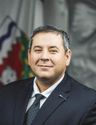
Reply 27-20(1): Reply by Mr. Morse
Replies To The Budget Address

Page 3491

The Speaker

The Speaker Shane Thompson

Replies to the budget address, day 7 of 7. Member from Deh Cho.

Reply 28-20(1): Reply by Mrs. Yakeleya
Replies To The Budget Address

Page 3491

Sheryl Yakeleya

Sheryl Yakeleya Deh Cho

Mahsi, Mr. Speaker. I want to begin by stating that there are measures in this budget I support. It directs resources to shelters, health capacity, and wildfire readiness. Funding for emergency shelters will receive significant boosts. A homeless division is being created within Housing NWT. There is new funding for the Yellowknife Day Shelter and Sobering Centre. These are steps in the right direction, but while I support these priorities my constituents expect clarity on how these investments will benefit small communities, not only the regional centres.

In my riding, Mr. Speaker, communities have lived the consequences of floods and fires firsthand. Some families in the South Slave are still rebuilding or returning home. K'atlodeeche First Nation residents are now only moving into new homes after the 2023 wildfire, even as flood repairs continue. Enterprise continues the long road of recovery and renewal.

Mr. Speaker, one issue I must raise clearly. Enterprise needs a dedicated seniors' public housing or a seniors' home. Elders who were displaced by the 2023 wildfire disaster want to return to their community, but they need safe, appropriate housing to do so. This is not only a matter of infrastructure; it is about dignity, connection, and supporting people to age at home.

Enterprise also needs phase 3 power, a long-standing requirement to attract new businesses, reduce barriers to investment, and support community development. Without reliable modern electrical infrastructure, economic recovery will remain limited. This is a key step toward rebuilding the local economy and creating opportunities for residents.

The gap between regional centres and our small, predominantly Indigenous communities remains stark - socially, economically, and in the delivery of public services. The government's own economic outlook shows an economy under strain with declining diamond production and a projected GDP contraction in 2026. Even as we plan for nation-building infrastructure, these headwinds are felt first and hardest in the small communities.

Mr. Speaker, if we are serious about long-term stability, reconciliation and community wellness, then this government must also be serious about settling outstanding land claims and self-government agreements. Nowhere is this more urgent than in the Deh Cho process.

For decades, Deh Cho communities have waited for clarity on land governance and resource management, clarity that is essential for economic development, environmental stewardship, and community planning. The uncertainty surrounding unresolved negotiations affects investment, housing, land use decisions, and effective co-management of land and water. Most importantly, it affects people's confidence in their future.

Mr. Speaker, moving forward decisively on the Deh Cho process is not just a legal obligation or a political commitment. It is a community wellness strategy. Advancing negotiations and supporting a clear path to conclusion would

  • Strengthen regional governance and decision-making;
  • Provide certainty for businesses, communities, and investors;
  • Support Indigenous stewardship and cultural revitalization;
  • Enable land-based healing, tourism, and economic diversification; and,
  • Honour the rights and history of the people who have lived on and cared for these lands since time immemorial.

Mr. Speaker, if this government is committed to readiness, then readiness must include completing the work of settling land rights and supporting Indigenous governments to exercise the authority they have always held. The GNWT must put meaningful and sustained effort into reaching fair and timely agreements, not simply managing the process but driving it forward.

Mr. Speaker, education is a treaty right, and access to that right in small communities has been eroded. After Aurora College announced the closure of 19 community learning centres in June 2025, many residents, especially Indigenous learnings, expressed serious concerns about losing local access to education and continuing education. My riding felt these impacts directly.

While the Minister has described a modernized approach through campuses and online delivery, the reality remains. In communities with poor connectivity, crowded homes and limited study space, online-only learning is not equitable. Hands-on, community-based education is essential, and because GNWT transfers make up the majority of Aurora College funding, residents demand and expect local learning opportunities in their communities, not just at three campuses.

Mr. Speaker, the fiscal challenges facing our health system are real. The new healthcare system sustainability unit has reported that per capita spending here is nearly double the national average. Medical travel is a major cost driver, and hospital services consume the largest share of staffing resources. The unit's goal is to define core services and improve efficiency without reducing access, and we must stay committed to that. But sustainability cannot be built on cutting public health promotion in small communities. Addictions, violence and trauma, remain daily realities for many of my constituents. Prevention is strongest close to home through community health promoters, elders, home visiting nurses, school-based education, and land-based healing with youth and families.

Mr. Speaker, community wellness is not only about health and housing. It is also about recreation, sports, culture and belonging.

Last year, the Enterprise Music Festival had to be cancelled; a major loss for our community spirit, tourism, local business opportunities, and the regional economy. Events like this matter. They bring people together and strengthen local pride while supporting tourism across the territory. We need to ensure communities have the support needed to host and sustain these events.

We also need more investment in sports and recreation. Sports build confidence, self-esteem, leadership and a healthy lifestyle, especially for youth. Many small communities lack coaches, programming, equipment and facilities. This government must play an active role in promoting sport and active living in all regions, not just the major centres.

Mr. Speaker, the budget must also address our climate reality. Low water levels persist across much of the territory. Increased diesel reliance and raising costs. While North Slave hydro conditions have improved somewhat, long-term uncertainty remains.

The 2025 wildfire season burned nearly 1.4 million hectares of forest in the NWT. Responders protected lives and community homes but the season was long, intense, and unpredictable. The investment in welfare capacity this year are justified, and small communities must be prioritized for wildlife urban interface training, equipment and FireSmart support.

In her budget address, the Minister stated that this budget shifts us from restraints to readiness, increasing the supplementary reserve while investing in people, essential services and economic foundation. That approach is sound, now we must ensure that readiness includes the communities most affected by past emergencies and most vulnerable to future ones.

If we invest in community-based education, local business development, tourism and festivals, sports and recreation, health promotion, transitional housing and on-the-ground presence, we will strengthen families, reduce long-term costs and close a divide that has persisted for far too long. Mahsi, Mr. Speaker.

Reply 28-20(1): Reply by Mrs. Yakeleya
Replies To The Budget Address

Page 3492

The Speaker

The Speaker Shane Thompson

Thank you, Member from the Deh Cho. I apologize, things were just a little bit; we will just take a couple seconds here.

Thank you. Sorry for my little -- just trying to get some stuff in order here.

Replies to the budget address, day 7 of 7. Member from Tu Nedhe-Wiilideh.

Reply 29-20(1): Reply by Mr. Edjericon
Replies To The Budget Address

Page 3492

Richard Edjericon

Richard Edjericon Tu Nedhe-Wiilideh

Thank you, Mr. Speaker. Mr. Speaker, I have been listening to my colleagues in recent days discuss this year's budget. I tried to match what my colleagues, especially from the small communities, are saying about their plans and how my colleagues here on the Regular Member site are reaching for their communities. I have listened to their needs every day in session and committees. Together we are working for our communities which are always at the margin of the services, opportunity and power.

When I was first elected, I entered this Assembly in the by-election. I brought the concerns of my communities forward, but I was told the agenda was already set. It felt like the train had left the station and I was chasing it after to jump onto it, but it was too late. When I was re-elected, I was ready to get to work right from the start. I had my priorities from years of collaboration with my community leaders and listening to my constituents. I sent in my priority list to the Premier and the Cabinet. I started with capital planning because communities needed new schools, new recreation centres, and pumping stations. Yet, I saw very little of my priorities reflected. It struggled to even just get a junction light by Fort Resolution.

Beyond capital planning, what about my people's services. What about medical travel programs that works for my people in emergencies? Health care is a treaty right, yet time and time again my people are going to the bands for funding. For medical escorts, for aftercare services, these aren't their responsibility; they are the GNWT treaty obligation. What about the millions of being cut from Jordan Principal from our schools? The consequences are less teachers, aides, less Indigenous programming, less in school services for disabilities and Indigenous students. This amounts to a huge step backwards in Indigenous education when we should be Indigenizing education.

Decades of work in progress for our children is being rolled back. When a Member from the Mackenzie Delta spoke, I agreed with him on many of his points. It is because it's so obvious that our treaty rights are not being honoured. These are not abstract concerns; they are demonstrated and they have consequences on our whole territory.

My colleague from Inuvik Boot Lake in his comments spoke about how our government keeps describing change but not taking action. But taking action means leadership. Empty words are what happens when there is a lack of leadership. And we lack leadership on the right and needs of our Indigenous communities, because they do not have equitable power they are left with.

The Member of the Yellowknife Centre spoke about dependency. Why is this government creating so much dependency? Our mines are closing and there are no new developments in sight. This will impact our community's employment and investment. It shouldn't take this long to create an environment for investment. It shouldn't be this hard to partner with Indigenous governments to make investments happen. So we are back to dependency of the federal government for a transfer and if we don't have a strong economy and healthy people, then this budget does not address those needs. So our people will depend on the government because they don't have meaningful employment, of access to services that were promised to them in the treaties.

The saying goes the more things change, the more things stay the same. This is where our government is falling back to where we were before the GNWT obtained power from Ottawa. And that is because this government has not shaken its colonial perspectives. And the longer it takes to cast off those vestiges of colonialism, the worse our problems are getting. Because we are falling behind. And this Assembly, I fear, we won't be able to turn the tide unless we act.

But taking action means sharing power with Indigenous governments. This government knows that because of what every leadership candidate recognizes during their leadership committee. The Premier himself spoke of a 50-year vision towards a future of the North where shared power and decentralized services. This is the only way we can move forward the future together. Instead, we are stalled with a budget like this because the colonial government believes first and foremost it needs to protect its power. But soon that power will just be a paper because Ottawa will be subsidizing everything, the farther will fall behind.

This means our community is scrambling for a bigger piece of the Shaker's budget. Because their needs will stack up. Unhealthier people, more unemployment, less education, less housing, more capacity leaving the communities and leaving the North.

This is why we need the structure to reform from the United Nations Declaration of Rights of Indigenous People and act because those structures we form, one that we realize will change how these budgets will be created. I was here when the last Assembly passed Bill 85 which directed this government to implement UNDRIP. It was a momentous occasion that promised to be very beneficial for First Nations and Indigenous governments across the North. We believe it was not just empty words but a plan for action.

The UNDRIP declaration provides a framework for reconciliation, healing, and peace. It reaffirms the rights of Indigenous people, recognizes in Section 35 of the Canadian Constitution.

After that vote in the previous Assembly, work now must be done to factor this declaration into all our decision-making process. The Truth and Reconciliation Commission highlighted in their calls for action as well further to UNDRIP.

All MLAs in this House made an oath to honour and respect treaties signed with Indigenous people when we took office. The treaties were always the law of the land. They're backed up by international legal standards which were reaffirmed in these chambers. Indigenous governments and organizations across the territory have also signed the NWT Council of Leaders memorandum of understanding. So we could have a meaningful way to measure the true reconciliation.

It was reported on Thursday that the government expected to spend $2.7 billion in the 2026-2027 Budget. The majority of that money will come from the federal government transfer.

For every dollar in federal transfer, a big portion comes from Crown, Indigenous and northern Affairs. This comes after the government increased their borrowing limit again - more and more money just to get us by not addressing the root cause which we have all seen coming for decades.

Mr. Speaker, more than 50 percent of the population is Indigenous, Metis and Inuit. And yet the GNWT does not consult Indigenous governments about how to use that money they receive from the Government of Canada. Even though much of the transfer to the GNWT is supposed to fund their services. And yet as our community continues to grow, the public service in Yellowknife continues to grow. Our public service is larger than it was proportionally when Nunavut and the NWT were one territory. And these aren't doctors, nurses, teachers. It's administrators, managers in Yellowknife.

This is how the colonial system looks out for itself. The resources first go to Yellowknife and then what's left goes to the communities. Therefore, the territorial government's budgeting still fails treaty rights by refusing to recognize the intent of these transfers and ignores duties to consult Indigenous governments on how these funds should be spent in contravention of UNDRIP. According to the action plan committee's 2024 Annual Report, an action plan has still not been published, and any meaningful steps to the implementation of UNDRIP remains unfinished. This continued lack of consultation pertains to many other ways such as through the scrapping of affirmative action without asking Indigenous governments, and to Aurora College closing 19 community learning centres and Indigenous communities, which come as a total surprise.

And every day this session, I am impressed by the Minister for Health and Social Services to uphold our treaty rights to health care. And no change. I will continue pressing this government for change.

I will press the Minister for ECE for an income assistance program that works for our people and our properly funded education system. I will press the House Minister to work with the federal government to empower our Indigenous governments to build homes. But despite the Minister's mandate letters calling for a consensus government and honouring treaties, some departments are just going full steam ahead to the end of their term and leaving our communities behind.

This is not how consensus government is supposed to work. We are here to work together, and this is not the future that was promised when our ancestors signed the treaties a century ago. Just because there are new levels of government, it doesn't mean those rights are no longer real.

So when I rise to oppose this budget, I am not standing in opposition. I am standing in favour of working together of consensus government. Because the most important is the consensus in our communities to uphold our rights and meet our needs to create a collaboration government of respect and dignity we have left in our two years of this government. Thank you, Mr. Speaker.

Reply 29-20(1): Reply by Mr. Edjericon
Replies To The Budget Address

Page 3493

The Speaker

The Speaker Shane Thompson

Thank you, Member from Tu Nedhe-Wiilideh. Replies to the budget address, day 7 of 7

Reply 30-20(1): Reply by Mrs. Weyallon Armstrong
Replies To The Budget Address

Page 3493

Jane Weyallon Armstrong

Jane Weyallon Armstrong Monfwi

Thank you, Mr. Speaker. Mr. Speaker, I believe these main estimates represent one of the most consequential budgets in recent years. The GNWT spending limit has increased from $1.8 billion to $3.1 billion. These are significant decisions that will shape the future of our territory and require thoughtful reflection and careful justification.

Mr. Speaker, our programs, investments, and policies must empower people, especially young people, to build lives with dignity, purpose, and stability here in the Northwest Territories. In our small communities, we need our youth. We know our youth are brilliant, resilient, and talented. If our education system consistently delivered strong outcomes, many of them would already be thriving in careers they love.

One positive step, Mr. Speaker, has been the removal of the funding cap for northern Indigenous students under the student financial assistance program, an overdue change. For far too long, Mr. Speaker, that cap forced young people into impossible decisions - either start school immediately, even if unsure of their direction, or wait and risk life circumstances later closing the door. Many who waited are now moving from job to job, not out of passion, but to meet basic needs. There is a real difference between having a job and having a career. Yet, even without the cap, post-secondary education remains expensive. Tuition, books, equipment, food, transportation and especially rent add up quickly.

Mr. Speaker, a single student with no dependent receives just $800 per month. When rent for a one-bedroom apartment ranges from $900 to more than $1,500, that allowance does not come close to meeting basic living costs. Some students in residence face semester bills of $7,000 or more. Yet our supports do not reflect this reality.

Mr. Speaker, if we expect our youth to help themselves, our support must be sufficient, not symbolic.

The auditor general's report on housing in the Northwest Territories confirmed what communities have been saying for years. Too many homes are unsafe, overcrowded, or beyond repair. Mr. Speaker, in the Tlicho region the crisis is especially acute. Families are leaving their home communities for Yellowknife or elsewhere. It's not by choice, but out of necessities.

Mr. Speaker, if we want families to help themselves, we must give them the stability to do so. That means supporting homeownership and rethinking our rent scale so working families are not penalized for earning an income. A flat rental rate of approximately $800 for working tenants will give families room to save, repair, invest, and plan for their future.

Our wastewater data tell us the hard truth, Mr. Speaker. Opiates, sedatives, hallucinogens, and stimulants are affecting every region, every family, and every age group. We must acknowledge what is missing. We do not have enough treatment options, Mr. Speaker, extended care or aftercare. Without stable housing, the risks of relapse remain heartbreakingly high.

Mr. Speaker, research shows that maintaining sobriety for one year dramatically improves long-term success. But we cannot expect individuals to return from treatment to homelessness or the very environment that contributed to their addictions. On-the-land programs are vital and effective for many but others need western-based treatment, clinical support, and structured programming.

Addictions are also driving the rising number of children in care often because of unsafe housing or unsafe environment. Mr. Speaker, if it is not for the grandparent or grandparents, there would be more children in care due to the addictions. Mr. Speaker, if we want healthy communities and a strong economy, we must first support healthy people.

Mr. Speaker, our economic landscape is shifting. Mines are closing, and oil and gas activity has slowed. We need an economy that generates its own revenue, supports its own workforce, and builds its own future. We must prepare also for what the Premier has acknowledged. As land claims are finalized, the role of the territorial government will fundamentally change. The federal government will deal directly with the Indigenous governments, and the funding formula we rely on will not remain the same. We must prepare with clarity and long-term planning.

Mr. Speaker, the government must focus its investment on four priorities: Housing, education, health, and community governance.

Housing. Overcrowding harms both health and education. Diseases spread more easily, stress increases, and children struggle to study in overcrowded homes. I thank the Minister for the commitment to 300 new homes, and we must commit to 300 more built in the communities with the greatest need.

Education.

Education is a key social determinant of health and has long-term effects on our justice system, addiction rates, and economic outcomes.

Health.

Mr. Speaker, small communities rely on health services - nurses, ambulance staff, emergency responders - who are always on standby. These services never take a break, and they must be properly funded. Home care and long-term care services must support elders to remain in their homes and communities.

Community government.

Mr. Speaker, community governments are the fabric of our daily life. They maintain water, sewer, waste management, roads, and essential infrastructure. Mr. Speaker, many small communities have one water truck, one sewer truck, and one fuel truck. They may have one grader and one backhoe. There are no backup units. In remote communities, Mr. Speaker, a simple maintenance issue becomes a crisis. No replacement parts and no local mechanics. Everything needs to be brought in by air or truck. Minor costs become major costs.

In addition, Mr. Speaker, community governments need to meet certain accounting and reporting standards for capital and construction projects. If they don't report as per rigid accounting standards, they don't get the money. There are not many professional accountants working in the small remote communities.

Mr. Speaker, likewise, water and waste services funding is frozen at $22 million. A good supply of clean water is essential to the people's health. Yet the communities are being nickeled and dimed to poverty.

I recall a case where the City of Yellowknife was good enough to loan Behchoko an expensive water pump. However, we cannot depend on the kindness of strangers.

Mr. Speaker, well-funded community governments ensure strong, functioning communities. We must flow more infrastructure funding to them, Mr. Speaker, especially as many of our facilities age. Our 33 communities, especially small Indigenous ones, have many needs but few services. We must reduce restrictions and empower them with flexible funding.

Communities know best what their communities need. Mr. Speaker, if we are truly committed to helping those who help themselves, then we must make bold, practical investments that reflect the realities of our people. Housing is safe and available, education that opens doors, health services that support wellness and recovery, and community governments that are empowered to lead. These are not options. They are foundational.

Mr. Speaker, by strengthening these pillars, we give individuals and families the tools to build their own success. We create conditions where young people can pursue careers, where families can stay in their home communities, where those battling addiction can heal, and where our economy can stand on solid ground. Mr. Speaker, this is how we honour our responsibilities. This is how we build resilience. And this is how we secure a strong, sustainable future for the Northwest Territories.

In closing, Mr. Speaker, with reference to what my colleague from Frame Lake said in his budget address regarding working together and listening to our ideas, I would like for the Cabinet to listen to us and to work with Tlicho to create Tlicho administrative region. Thank you.

Reply 30-20(1): Reply by Mrs. Weyallon Armstrong
Replies To The Budget Address

Page 3494

The Speaker

The Speaker Shane Thompson

Thank you, Member from Monfwi. Replies to the budget address, day 7 of 7. Acknowledgements. Oral questions. Member from Yellowknife Centre.

Question 1023-20(1): Arctic Economic Security Corridor
Oral Questions

Page 3494

Robert Hawkins

Robert Hawkins Yellowknife Centre

Mr. Speaker, my questions will be to the Minister of strategic infrastructure, and I will begin by noting that the Slave Geological Province Corridor report, which I have in my hand, notes that the best route is going east and direct to the mining sector; and lastly, Mr. Speaker, I will point out that the City of Yellowknife supports the NWT economy with approximately $2.2 billion. That's 50 percent of the northern economy, Mr. Speaker. So my direct question to the Minister of Infrastructure is, will the Minister of strategic infrastructure ensure that any routing of the Arctic Economic Security Corridor includes a direct connection to the workhorse of this northern economy, that is, the city of Yellowknife. Thank you.

Question 1023-20(1): Arctic Economic Security Corridor
Oral Questions

Page 3494

The Speaker

The Speaker Shane Thompson

Thank you, Member from the Yellowknife Centre. Minister responsible for Strategic Infrastructure, Energy and Supply Chains.

Question 1023-20(1): Arctic Economic Security Corridor
Oral Questions

Page 3494

Caroline Wawzonek

Caroline Wawzonek Yellowknife South

Thank you, Mr. Speaker. Mr. Speaker, flowing from the words I've been listening to this morning, I am going to continue to work in partnership with Indigenous governments from around this territory, abide by the MOU that we have just signed with the Tlicho, with the Yellowknife First Nation, which mentions within it working with all Indigenous partners, and we're going to make sure that the route we choose is one that balances all of the needs, including, as is mentioned in there, the economic needs and the economic importance of this route which requires that it passes through rich regions for the geology. Thank you, Mr. Speaker.

Question 1023-20(1): Arctic Economic Security Corridor
Oral Questions

Page 3494

Robert Hawkins

Robert Hawkins Yellowknife Centre

Thank you, Mr. Speaker. I repeat the short words of the infrastructure Minister, connecting the North for the benefit of the Northerners. So, Mr. Speaker, my second question is not about excluding Indigenous partnership, it's including the city of Yellowknife in this big MOU. So why isn't the city of Yellowknife included in the routing conversation? Because this population represents 50 percent of the northern economy and 50 percent of the population, Mr. Speaker. It needs to be included in this conversation. Thank you, Mr. Speaker.

Question 1023-20(1): Arctic Economic Security Corridor
Oral Questions

Page 3494

Caroline Wawzonek

Caroline Wawzonek Yellowknife South

Thank you, Mr. Speaker. Mr. Speaker, quite a large number of stakeholders are going to, of course, be included in a project the size of the proposed Arctic Economic and Security Corridor, running all the way up to the Nunavut Coast. Mr. Speaker, the Yellowknife municipal government is not a landholder akin to that of the Tlicho government or to the Yellowknife Dene First Nation, who anticipate, of course, settling the land claim, hopefully in the near future. Thank you.

Question 1023-20(1): Arctic Economic Security Corridor
Oral Questions

Page 3494

Robert Hawkins

Robert Hawkins Yellowknife Centre

Thank you, Mr. Speaker. Mr. Speaker, it may not be a landowner but, Mr. Speaker, my last question is really structured around the capital's interest in the northern economy. So I am told -- this is the question. I am told that the current sketch that's being worked out ignores the city of Yellowknife, Mr. Speaker, and if that's the proposed working route given to the GNWT to advocate, will the GNWT say no and will they have the courage to say the city of Yellowknife needs to be part of this corridor and not excluded and not ignored. Thank you, Mr. Speaker.

Question 1023-20(1): Arctic Economic Security Corridor
Oral Questions

Page 3494

The Speaker

The Speaker Shane Thompson

Thank you, Member. Final Supplementary.

Question 1023-20(1): Arctic Economic Security Corridor
Oral Questions

Page 3494

Caroline Wawzonek

Caroline Wawzonek Yellowknife South

Thank you, Mr. Speaker. Mr. Speaker, I am not going to speak about a hypothetical sketch that I don't have in front of me. I don't know what this sketch is, who drew it or where it's from. I can tell you, Mr. Speaker, that the reason we've signed this MOU is to lay out a framework by which we work hand-in-hand with the Indigenous governments who are the landholders on whose lands this route is to traverse. But, Mr. Speaker, it's always been well known that it's going to have to involve a region where Yellowknife is obviously very prominently centered, as well as other Indigenous governments in the area, North Slave Metis being among them, to find the best possible route. It's a road that has economic value, we have to maximise economic value, and we were very careful in signing that MOU that reflected the need to have that economic value built into the routing. Thank you.

Question 1023-20(1): Arctic Economic Security Corridor
Oral Questions

Page 3494

The Speaker

The Speaker Shane Thompson

Your response to strategic infrastructure, energy and supply chains. Oral questions. Member from Range Lake.

Question 1024-20(1): Crime and Public Safety
Oral Questions

Page 3494

Kieron Testart

Kieron Testart Range Lake

Thank you, Mr. Speaker. Mr. Speaker, again stemming from our town hall on crime and public safety, many residents expressed concern around seeing crime in their neighbourhoods and how we can better address it. Surveillance systems came up, including personal camera systems. Many people have those. But there was a discussion on whether or not there could be CCTVs, like you see in other major cities, like the city of London in the UK. Is this something that the Minister has looked into? Thank you. Minister of Justice.

Question 1024-20(1): Crime and Public Safety
Oral Questions

Page 3494

The Speaker

The Speaker Shane Thompson

Thank you, Member from Range Lake. Minister of Justice.

Question 1024-20(1): Crime and Public Safety
Oral Questions

Page 3494

Jay MacDonald

Jay MacDonald Thebacha

Thank you, Mr. Speaker. Mr. Speaker, no, this is not something that I've looked into. I know within Canada there are privacy implications that would apply to that approach. And certainly from what I do know about the topic, it's also typically -- the ability to do this would be contained in municipal legislation through community bylaws and that kind of avenue. Thank you, Mr. Speaker.

Question 1024-20(1): Crime and Public Safety
Oral Questions

Page 3494

Kieron Testart

Kieron Testart Range Lake

Thank you, Mr. Speaker. Mr. Speaker, obviously funding for community justice programs would be a part of this. If it goes down to the municipal level, if it's something that can be done by bylaw. So can the Minister develop programming through his community justice division to ensure that communities have the resources they need, whether it's expertise in surveillance systems, bylaw officers, training equipment, whatever it takes. Clearly, we need to resource these if we're going to ensure public safety in our communities. Thank you.

Question 1024-20(1): Crime and Public Safety
Oral Questions

Page 3494

Jay MacDonald

Jay MacDonald Thebacha

Thank you, Mr. Speaker, Mr. Speaker, To date we've had no requests from any community to pursue an avenue in this regard. Certainly, our office is always willing to have those conversations with communities if there is a desire to look at potential funding opportunities. So happy to entertain those if someone wants to reach out. Thank you, Mr. Speaker.

Question 1024-20(1): Crime and Public Safety
Oral Questions

Page 3494

The Speaker

The Speaker Shane Thompson

Final supplementary. Member from Range Lake.

Question 1024-20(1): Crime and Public Safety
Oral Questions

Page 3494

Kieron Testart

Kieron Testart Range Lake

Thank you, Mr. Speaker. Mr. Speaker, will the Minister work with the Minister of Municipal and Community Affairs to develop formula funding for community safety programs in communities. That way, they don't have to come and ask him; they're just going to get money and they can use it to support community safety across the Northwest Territories. Thank you.

Question 1024-20(1): Crime and Public Safety
Oral Questions

Page 3495

Jay MacDonald

Jay MacDonald Thebacha

Thank you, Mr. Speaker, Mr. Speaker. I think the conversation, and if you look at the mandate letters from the Premier around community safety, I think we've all been given a mandate as Cabinet to work together in many areas to address the community safety concerns across the territory, and I think that's quite evident in the work that we have done today. Thank you, Mr. Speaker.

Question 1024-20(1): Crime and Public Safety
Oral Questions

Page 3495

The Speaker

The Speaker Shane Thompson

Oral questions. Member from the Deh Cho.

Question 1025-20(1): Adult Learning programs
Oral Questions

Page 3495

Sheryl Yakeleya

Sheryl Yakeleya Deh Cho

Mahsi, Mr. Speaker. My questions are for the Minister of Education, Culture and Employment.

Given the closures of all 19 community learning centres in early 2025 and the ongoing gaps this has created, will the Minister commit to developing a renewed and community-based approach to support adult learners, particularly in small communities most affected by these closures? Thank you, Mr. Speaker.

Question 1025-20(1): Adult Learning programs
Oral Questions

Page 3495

The Speaker

The Speaker Shane Thompson

Thank you, Member from the Deh Cho. Minister of Education, Culture and Employment.

Question 1025-20(1): Adult Learning programs
Oral Questions

Page 3495

Caitlin Cleveland

Caitlin Cleveland Kam Lake

Thank you, Mr. Speaker. Mr. Speaker, I can confirm for the Member that I am absolutely, yes, committed to a community-based approach to adult learning. The closure of the community learning centres certainly came to a shock to everybody but certainly also present an opportunity to rethink how adult education is being delivered in communities across the Northwest Territories, especially small communities.

Following the closure of the community learning centres, I directed my department to develop a critical path outlining both short-term and medium-term solutions. That was everything from partnerships with the Literacy Council, where we're seeing employability training that is happening right now, to engagements that will be happening with Indigenous governments to really define more longer-term or medium-term how we're going to really shift community-based learning in the Northwest Territories. Thank you.

Question 1025-20(1): Adult Learning programs
Oral Questions

Page 3495

Sheryl Yakeleya

Sheryl Yakeleya Deh Cho

Thank you, Mr. Speaker. My next question is, when will the Minister present a clear and concrete plan for delivering continuing transitional education in our communities, including in-person adult learning options, to replace the services lost with the shutdown of the community learning centres? Thank you.

Question 1025-20(1): Adult Learning programs
Oral Questions

Page 3495

Caitlin Cleveland

Caitlin Cleveland Kam Lake

Thank you, Mr. Speaker. So, Mr. Speaker, that plan is being worked out right now, so that includes some of the things that I just spoke of, like those partnerships with the literacy council, the outreach centres, but also it really comes down to work directly with communities and Indigenous governments so that we can use this as an opportunity to reimagine what that in-person learning can look like in small communities. And so we're working both on kind of short-term and more medium-term approach to this, and I am hoping to have something to come back to Members, and I will continue to update Members as I get more information from the department on the work that they're doing with this engagement.

Question 1025-20(1): Adult Learning programs
Oral Questions

Page 3495

The Speaker

The Speaker Shane Thompson

Thank you, Minister of Education, Culture and Employment. Final supplementary. Member from the Deh Cho.

Question 1025-20(1): Adult Learning programs
Oral Questions

Page 3495

Sheryl Yakeleya

Sheryl Yakeleya Deh Cho

Mahsi, Mr. Speaker, and thank you to the Minister for that. Can the Minister provide updated information on how effective the online upgrading model has been for learners in the Deh Cho riding, and does the Minister consider these outcomes successful when compared to past enrolment levels in the region? Thank you, Mr. Speaker.

Question 1025-20(1): Adult Learning programs
Oral Questions

Page 3495

Caitlin Cleveland

Caitlin Cleveland Kam Lake

Thank you very much, Mr. Speaker. Mr. Speaker, this is the first year that Aurora College is doing their new online version of their adult learning, and so we'll have to kind of give it some time to see how this year goes, how the results fair out, and so as soon as I have some updated information from Aurora College, once they've had the time to assess, then I would happily share that with Members from the other side. I think it's going to be really interesting to see the growth of online in the Northwest Territories, especially as we see more programming at Aurora College also shift to some online options to really open up the access to some of these programs, like for example, the diploma in nursing as well, that I know has shifted to an online option too for part of it, so more of a hybrid option.

We're also seeing more success with northern distance learning, which is an option for students up to the age of 21. So we're seeing in the Deh Cho region specifically with northern distance learning an almost 70 percent successful completion rate, which is really good news.

And I can also share with Members of the House that I came to work early this morning to sign off on completion certificates for the Canadian Adult Education Credentials, so more and more Northerners are also taking advantage of that pathway as well. Thank you.

Question 1025-20(1): Adult Learning programs
Oral Questions

Page 3495

The Speaker

The Speaker Shane Thompson

Thank you, Minister of Education, Culture and Employment. Oral questions. Member from Yellowknife North.

Question 1026-20(1): Jordan's Principle Funding
Oral Questions

Page 3495

Shauna Morgan

Shauna Morgan Yellowknife North

Thank you, Mr. Speaker. Mr. Speaker, my questions are for the education Minister about how we can provide more certainty to education authorities given the loss of Jordan's Principle funding. So, of course, the interim support initiative funding has been essential in tiding over education authorities for the current year by helping them hire the needed education assistants. However, that funding doesn't have the same flexibility as Jordan's Principle, and schools have struggled with less access to behaviour consultants, educational assessments, speech therapy, other sorts of things.

Now, I understand the Minister has been in regular communication with school board officials, and that helps, but I think we're all looking for more specific information to get more certainty around planning and budgeting.

So my first question relates to, there was an expectation that the federal minister would make an announcement either late last year or early this year addressing how Jordan's Principle funding might work going forward for northern Indigenous families. Is the Minister aware of any updated timelines on when we will hear from the federal government about a decision about the restoration of Jordan's Principle to the NWT? Thank you, Mr. Speaker.

Question 1026-20(1): Jordan's Principle Funding
Oral Questions

Page 3495

The Speaker

The Speaker Shane Thompson

Thank you, Member from Yellowknife North. Minister of Education, Culture and Employment.

Question 1026-20(1): Jordan's Principle Funding
Oral Questions

Page 3495

Caitlin Cleveland

Caitlin Cleveland Kam Lake

Thank you very much, Mr. Speaker. Mr. Speaker, I have not received an update from the federal government on when I can expect, along with the rest of the country, to receive information on an updated criteria for Jordan's Principle. Thank you.

Question 1026-20(1): Jordan's Principle Funding
Oral Questions

Page 3495

Shauna Morgan

Shauna Morgan Yellowknife North

Thank you, Mr. Speaker. So that continues to be a big worry, and people are looking for contingency planning. So what further details about our own contingency planning can be shared now with the public and with school boards? Thank you, Mr. Speaker.

Question 1026-20(1): Jordan's Principle Funding
Oral Questions

Page 3495

Caitlin Cleveland

Caitlin Cleveland Kam Lake

Thank you very much, Mr. Speaker.

So, Mr. Speaker, I last sat down with all of my education partners in November of 2025, and as you can imagine Jordan's Principle was a leading topic that we discussed. I've also had the opportunity to speak with multiple chairpersons of multiple education bodies about this same subject. And, really, from where I am at right now is requesting feedback on the support assistants initiative from education leaders across the territory. So I have asked them, how is it going, how has it worked out, and for their feedback on the program that we were able to stand up here in the Northwest Territories. Thank you.

Question 1026-20(1): Jordan's Principle Funding
Oral Questions

Page 3495

The Speaker

The Speaker Shane Thompson

Thank you, Minister of Education, Culture and Employment. Final supplementary. Member from Yellowknife North.

Question 1026-20(1): Jordan's Principle Funding
Oral Questions

Page 3495

Shauna Morgan

Shauna Morgan Yellowknife North

Thank you, Mr. Speaker. So, on the subject of that interim support initiative funding, what more can the Minister do to help schools access funding for the lost supports that have not yet been restored, such as behaviour consultants, educational assessments, speech therapy? Thank you, Mr. Speaker.

Question 1026-20(1): Jordan's Principle Funding
Oral Questions

Page 3495

Caitlin Cleveland

Caitlin Cleveland Kam Lake

Thank you very much, Mr. Speaker. Mr. Speaker, the timing of the changes to Jordan's Principle, along with some work that was already being done within the Department of Education, Culture and Employment, really was a bit of a blessing in disguise. So we were already in the process of reviewing our inclusive schooling directive. And that really is where, I feel, we need to focus our energy in, so that we're not looking at band-aid solutions but we're looking at really evolving how our inclusive schooling program works in the Northwest Territories.

I can share with the Member that just literally in real time, superintendents from across the territory are reviewing the management response to the What we Heard Report from the work that was done through multiple engagements, both in person, online, in written format, across this territory. It was a very well participated review, and so that is where our focus is. Thank you.

Question 1026-20(1): Jordan's Principle Funding
Oral Questions

Page 3495

The Speaker

The Speaker Shane Thompson

Thank you, Minister of Education, Culture and Employment. Oral questions. Member from Yellowknife Centre.

Question 1027-20(1): Role of Yellowknife Concerning the Arctic Economic Security Corridor
Oral Questions

Page 3495

Robert Hawkins

Robert Hawkins Yellowknife Centre

Thank you, Mr. Speaker. I want to return to the Minister of strategic infrastructure. And my next round of questioning is going to be framed around who is representing the city of Yellowknife's interest in the 50 percent of our economy, Mr. Speaker.

Will the Minister of strategic infrastructure sign a memorandum of agreement, or a cooperation partnership agreement, with the City of Yellowknife to ensure 50 percent of the northern economy doesn't get boxed out and becomes a partner, as pointed out by the infrastructure Minister earlier today?

Question 1027-20(1): Role of Yellowknife Concerning the Arctic Economic Security Corridor
Oral Questions

Page 3496

The Speaker

The Speaker Shane Thompson

Thank you, Member for Yellowknife Centre. Minister responsible for Strategic Infrastructure, Energy, and Supply Chains.

Question 1027-20(1): Role of Yellowknife Concerning the Arctic Economic Security Corridor
Oral Questions

Page 3496

Caroline Wawzonek

Caroline Wawzonek Yellowknife South

Thank you, Mr. Speaker. Mr. Speaker, I meet frequently with the city. I have presented at the city quite recently, and I am happy to continue to have those discussions with the city to see what best way we can continue to work together and to discuss with them the state of the project. Thank you, Mr. Speaker.

Question 1027-20(1): Role of Yellowknife Concerning the Arctic Economic Security Corridor
Oral Questions

Page 3496

Robert Hawkins

Robert Hawkins Yellowknife Centre

Mr. Speaker, will the Minister be interested in signing a formal agreement with respect to the Arctic Economic Security Corridor noting that the city of Yellowknife's interests will be represented at the table in some form, and it should highlight as a clear non-starter that the city of Yellowknife will not be excluded from this initiative. Thank you.

Question 1027-20(1): Role of Yellowknife Concerning the Arctic Economic Security Corridor
Oral Questions

Page 3496

Caroline Wawzonek

Caroline Wawzonek Yellowknife South

Thank you, Mr. Speaker. Mr. Speaker, the mayor of the city of Yellowknife has not expressed any concern of being excluded of the project. And, Mr. Speaker, we have done a lot of work on the current MOU and signed an MOU right now with the two landholding groups. We're going to follow through with commitments in that, which includes ensuring that there's economic benefits for all Northerners. Thank you, Mr. Speaker.

Question 1027-20(1): Role of Yellowknife Concerning the Arctic Economic Security Corridor
Oral Questions

Page 3496

Robert Hawkins

Robert Hawkins Yellowknife Centre

Mr. Speaker, I am confused if the Minister thinks it only has to come from the mayor, not MLAs. I mean, I am concerned about the less value it's viewed on our opinion, Mr. Speaker. The question is, the GNWT paid 75 to 25 cent dollars on the Highway No. 9 project. It should include the city of Yellowknife because this legislature is paying it. Will the Minister agree to investigate and discuss with colleagues, such as myself, to make sure the city of Yellowknife's interest is represented in this initiative, this territorial initiative? Thank you.

Question 1027-20(1): Role of Yellowknife Concerning the Arctic Economic Security Corridor
Oral Questions

Page 3496

The Speaker

The Speaker Shane Thompson

Thank you, Member from Yellowknife Centre. Final supplementary. Minister responsible for Strategic Infrastructure, Energy, and Supply Chains.

Question 1027-20(1): Role of Yellowknife Concerning the Arctic Economic Security Corridor
Oral Questions

Page 3496

Caroline Wawzonek

Caroline Wawzonek Yellowknife South

Thank you, Mr. Speaker. Again, I've already signed an MOU that says that we are committed to drive significant economic activity for Indigenous and northern residents and communities through responsible and environmentally sustainable critical mineral development. That is what the MOU that we just signed says, Mr. Speaker. I intend to follow through on that. I am more than happy to present on this project to committees, to MLAs, to the mayor, to the city, whoever wants to have those conversations. We are only at a stage of development, but quite frankly we're behind. We need to get this moving, and fighting about it and suggesting that we're not moving or suggesting that we're not working together or suggesting that there's someone who feels left out, isn't helping, Mr. Speaker.

Question 1027-20(1): Role of Yellowknife Concerning the Arctic Economic Security Corridor
Oral Questions

Page 3496

The Speaker

The Speaker Shane Thompson

Thank you, Minister responsible for Strategic Infrastructure, Energy, and Supply Chains. Oral questions. Member from Yellowknife North.

Question 1028-20(1): Jordan's Principle Funding
Oral Questions

Page 3496

Shauna Morgan

Shauna Morgan Yellowknife North

Thank you, Mr. Speaker. I wanted to follow up with the Minister of education along the previous line of questioning around Jordan's Principle funding.

So, given that we can't wait indefinitely before budgeting and planning for next year, has the Minister given the federal government or the federal minister some deadline as to when we need to hear something, when we need a decision by, in order for us to do our own planning for the next school year? Thank you, Mr. Speaker.

Question 1028-20(1): Jordan's Principle Funding
Oral Questions

Page 3496

The Speaker

The Speaker Shane Thompson

Thank you, Member from Yellowknife North. Minister of Education, Culture and Employment.

Question 1028-20(1): Jordan's Principle Funding
Oral Questions

Page 3496

Caitlin Cleveland

Caitlin Cleveland Kam Lake

Thank you very much, Mr. Speaker. Mr. Speaker, I really wish that I could give the federal government a deadline, but the federal government has their own work processes that they follow. We did expect to hear in the end of 2025 some results from their review of the criteria, but we have not yet heard. Thank you.

Question 1028-20(1): Jordan's Principle Funding
Oral Questions

Page 3496

Shauna Morgan

Shauna Morgan Yellowknife North

Thank you, Mr. Speaker. So has the Minister set her own deadline for, you know, if we don't hear back at that point we will work on bringing forward our own internal contingency funding for the next school year; is there a date in the Minister's mind by which by that point we need to come up with our own money if we haven't heard from the feds? Thank you, Mr. Speaker.

Question 1028-20(1): Jordan's Principle Funding
Oral Questions

Page 3496

Caitlin Cleveland

Caitlin Cleveland Kam Lake

Thank you very much, Mr. Speaker. Mr. Speaker, I can confirm that this conversation is definitely live with not just myself but also with my Cabinet colleagues, and I can also confirm that I am very focused on supporting the Department of Education, Culture and Employment to move forward with the inclusive schooling review and to really walk the line between making sure that we do that as quickly as possible but also making sure that we are very thoughtful and purposeful in our actions, because this is not a band-aid solution. It is a complete shift in changes that are needed to our education system for decades to come. Thank you.

Question 1028-20(1): Jordan's Principle Funding
Oral Questions

Page 3496

The Speaker

The Speaker Shane Thompson

Thank you, Minister of Education, Culture and Employment. Final supplementary. Member from Yellowknife North.

Question 1028-20(1): Jordan's Principle Funding
Oral Questions

Page 3496

Shauna Morgan

Shauna Morgan Yellowknife North

Thank you, Mr. Speaker. Will the Minister commit to bring forward a supplementary appropriation ask in the May-June session if we have not heard by then about the federal government's commitment to restore Jordan's Principle funding? Thank you, Mr. Speaker.

Question 1028-20(1): Jordan's Principle Funding
Oral Questions

Page 3496

Caitlin Cleveland

Caitlin Cleveland Kam Lake

Thank you very much, Mr. Speaker. Mr. Speaker, what I can commit to the Member is making sure that I am working with my Cabinet colleagues through processes on this side of the House, and I can confirm with the Member that I have the support of my colleagues to make sure that we're having conversations around education and doing what we can to support Northerners. Thank you.

Question 1028-20(1): Jordan's Principle Funding
Oral Questions

Page 3496

The Speaker

The Speaker Shane Thompson

Thank you, Minister of Education, Culture and Employment. Oral questions. Member from Great Slave.

Question 1029-20(1): Yellowknife Airport Revolving Fund
Oral Questions

Page 3496

Kate Reid

Kate Reid Great Slave

Thank you, Mr. Speaker. Mr. Speaker, for those of the public who follow along with Committee in the Whole, they may have recognized that we had some confusion around the airport revolving fund the other night, Mr. Speaker, and so my questions are for the Minister of Infrastructure.

With the proposed incoming investment to the Yellowknife airport and the, admittedly, likely large pressures that will put on the airport and our planning, does the Minister have anything he's willing to share at this point around what we can expect to see for proactive planning to set the airport up for success for our DND partners. Thank you, Mr. Speaker.

Question 1029-20(1): Yellowknife Airport Revolving Fund
Oral Questions

Page 3496

The Speaker

The Speaker Shane Thompson

Thank you, Member from Great Salute. Minister of Infrastructure.

Question 1029-20(1): Yellowknife Airport Revolving Fund
Oral Questions

Page 3496

Vince McKay

Vince McKay Hay River South

Thank you, Mr. Speaker. A lot of work is being done on the Yellowknife airport strategic plan. There's been lots of public engagement, lots of work going on in the background. The department's been working with the Department of National Defence on use of the area and what they can expect, so a lot of that's been working hand-in-hand. So yeah, just in general, I guess there's a lot of work being done in the background to prepare the Yellowknife airport for what potentially could happen there with potential growth and work being done by the Department of National Defence. Thank you, Mr. Speaker.

Question 1029-20(1): Yellowknife Airport Revolving Fund
Oral Questions

Page 3496

Kate Reid

Kate Reid Great Slave

Thank you, Mr. Speaker. So in the spirit of collaboration, would the Minister be willing to come and give committee a public briefing on all of the good work that's happening and so to give the public an understanding of what to expect in timelines? Thank you, Mr. Speaker.

Question 1029-20(1): Yellowknife Airport Revolving Fund
Oral Questions

Page 3496

Vince McKay

Vince McKay Hay River South

Thank you, Mr. Speaker. Yes, so after our Committee of the Whole meeting, I think it would be important that we sit down and have a good discussion on what's going on at the airport in Yellowknife and talk about the proposed developments and the plans and also a little bit more information and dialogue regarding the revolving fund. I am more than interested in doing that, and we can let the department know when we get the invite. Thank you, Mr. Speaker.

Question 1029-20(1): Yellowknife Airport Revolving Fund
Oral Questions

Page 3496

The Speaker

The Speaker Shane Thompson

Thank you, Minister of Infrastructure. Oral questions. Oral questions. Member from Tu Nedhe-Wiilideh.

Question 1030-20(1): Transboundary Water Agreements
Oral Questions

Page 3496

Richard Edjericon

Richard Edjericon Tu Nedhe-Wiilideh

Thank you, Mr. Speaker. My question would be to the Premier.

Mr. Speaker, the federal government is streamlining environmental assessments under the single review policy. Has the Minister met with the federal counterparts to ensure federal regulations continue to protect our waters here in the Northeast Territories given that if regulations are up to Alberta alone it may not safeguard our rights to clean water for the Northwest Territories. Thank you, Mr. Speaker.

Question 1030-20(1): Transboundary Water Agreements
Oral Questions

Page 3496

The Speaker

The Speaker Shane Thompson

Thank you, Member from Tu Nedhe-Wiilideh. Mr. Premier.

Question 1030-20(1): Transboundary Water Agreements
Oral Questions

Page 3496

R.J. Simpson

R.J. Simpson Hay River North

Thank you, Mr. Speaker. I'd like to hand that over to the Minister of Environment and Climate Change. Thank you.

Question 1030-20(1): Transboundary Water Agreements
Oral Questions

Page 3496

The Speaker

The Speaker Shane Thompson

Thank you, Mr. Premier. Minister of Environment and Climate Change.

Question 1030-20(1): Transboundary Water Agreements
Oral Questions

Page 3497

Jay MacDonald

Jay MacDonald Thebacha

Thank you, Mr. Speaker. So this has been an ongoing issue that we have certainly addressed at the federal level through conversations with the Minister of Environment and Climate Change, as well as the provincial level with Alberta, and we have also put out two written statements that clearly define our position when it comes to treat and release that we don't believe that under current conditions the science supports that as an approach. We've also encouraged both the federal and Alberta government to look at alternatives to treat and release as a potential solution for this issue. Thank you, Mr. Speaker.

Question 1030-20(1): Transboundary Water Agreements
Oral Questions

Page 3497

The Speaker

The Speaker Shane Thompson

Thank you, Minister of Environment and Climate Change. Member from Tu Nedhe-Wiilideh.

Question 1030-20(1): Transboundary Water Agreements
Oral Questions

Page 3497

Richard Edjericon

Richard Edjericon Tu Nedhe-Wiilideh

Okay, thank you, Mr. Speaker. I guess my next question will be back to the Minister of ECE if that's okay. Okay, thank you, Mr. Speaker.

Mr. Speaker, Alberta has signed a memorandum of understanding with the federal Government of Canada to expand the oil sands development and, currently, it is anticipated Alberta will negotiate with the Coastal First Nation, BC. Does the Minister of ECE agree that the NWT and its Indigenous governments deserve a seat at that table to ensure downstream communities and ecosystems are protected? Thank you, Mr. Speaker.

Question 1030-20(1): Transboundary Water Agreements
Oral Questions

Page 3497

The Speaker

The Speaker Shane Thompson

Thank you, Member from Tu Nedhe-Wiilideh. Minister of Environment and Climate Change.

Question 1030-20(1): Transboundary Water Agreements
Oral Questions

Page 3497

Jay MacDonald

Jay MacDonald Thebacha

Thank you, Mr. Speaker. Mr. Speaker, certainly from the Department of Environment and Climate Change perspective, we have always worked with our Indigenous partners, our Indigenous governments, and our Indigenous organizations, and we have many boards and representatives that participate in these activities, and we are constantly sharing information in both directions. So we certainly believe that that is the case. Thank you, Mr. Speaker.

Question 1030-20(1): Transboundary Water Agreements
Oral Questions

Page 3497

The Speaker

The Speaker Shane Thompson

Thank you, Minister of Environment and Climate Change. Final supplementary. Member from Tu Nedhe-Wiilideh.

Question 1030-20(1): Transboundary Water Agreements
Oral Questions

Page 3497

Richard Edjericon

Richard Edjericon Tu Nedhe-Wiilideh

Thank you, Mr. Speaker. Mr. Speaker, if the court strikes down Alberta Bill 7 for violating Indigenous rights on transboundary protections, how will the Minister of ECC ensure Alberta complies and that Northerners' waters and communities are safeguarded? Thank you, Mr. Speaker.

Question 1030-20(1): Transboundary Water Agreements
Oral Questions

Page 3497

Jay MacDonald

Jay MacDonald Thebacha

Thank you, Mr. Speaker. Mr. Speaker, this question is really a hypothetical question. There has been no decision made, so we would have to wait until the decision is completed in order to respond. Thank you, Mr. Speaker.

Question 1030-20(1): Transboundary Water Agreements
Oral Questions

Page 3497

The Speaker

The Speaker Shane Thompson

Thank you, Minister of Environment and Climate Change. Oral questions. Member from Range Lake.

Question 1031-20(1): Physical Activity, Sport and Recreation Fund
Oral Questions

Page 3497

Kieron Testart

Kieron Testart Range Lake

Thank you, Mr. Speaker. In keeping with the Olympic sentiment here in the room today and celebrating our athletes, Members are rightfully concerned about the state of the physical activity, sport and recreation Fund. I spoke about it in the main estimates review. It's been dangerously close to its $3 million deficit. Many years ago, in the 18th Assembly, decisions were made that have imperilled the fund's future success and now it's even more complicated by the rise in costs of travel and low lottery sales. So the Minister said that he would commit to building a plan. It seems like the only plan to me is to spend the money it needs to continue to function and send our kids to these games. So can the Minister just commit going forward, that we're going to spend the resources that are required to support our young athletes? Thank you.

Question 1031-20(1): Physical Activity, Sport and Recreation Fund
Oral Questions

Page 3497

The Speaker

The Speaker Shane Thompson

Thank you, Member from Range Lake. Minister of Municipal and Community Affairs.

Question 1031-20(1): Physical Activity, Sport and Recreation Fund
Oral Questions

Page 3497

Vince McKay

Vince McKay Hay River South

Yeah, thank you, Mr. Speaker. So, again, as I stated yesterday in the Committee of the Whole meeting, we have been doing a bunch of work on stabilizing the fund and trying to find a path forward, you know, on the funds that we're lacking. We have money in the budget this year for supporting the Arctic Winter Games. Also, we're continuing to review what some of the issues are. Some of the stuff is out of our control, I mean with the the ongoing use of online gambling is definitely impacting our -- you know, like the the Sports Select and stuff like that. So, like, there's organizations out there that are doing the same thing and we're not seeing the benefits anymore. So, unfortunately, you know, we have plans on looking at legislating online gambling and have money in the budget if we can go ahead and study it and see what else we can get out of online gambling. Thank you, Mr. Speaker.

Question 1031-20(1): Physical Activity, Sport and Recreation Fund
Oral Questions

Page 3497

Kieron Testart

Kieron Testart Range Lake

Sounds like a good idea, Mr. Speaker; I wonder who raised it. But, Mr. Speaker, is this the plan to solve the gap with the fund? Because if it is, bringing a consultant in to do studying is a far cry from actually implementing legislation, building a compliance regime, and moving forward with tax and regulation of something that is harming our communities and we're losing revenue because it's not regulated. So can we get more than a committee to look at this? Is the Minister signaling now, today, that we are going to do this, bring the revenues in to our gaming fund, and keep Northerners and consumers safe? Thank you.

Question 1031-20(1): Physical Activity, Sport and Recreation Fund
Oral Questions

Page 3497

Vince McKay

Vince McKay Hay River South

Thank you, Mr. Speaker. So, yeah, we're looking into this. And I don't want to say we're studying it because I don't think that's the goal here. The goal is to move ahead as quick as possible so we don't lose out on the opportunities. However, I will say that I know Alberta just, you know, finalized a lot of their stuff, so we're not too far behind, and I hope we can catch up to them and maybe, you know, get some of that gaming legislation out there sooner rather than later. And, like I said, you know, the iGaming stuff is important, and I am happy the Member brought it up, and I am happy to continue to work with the Member on some of this stuff to try to build up that fund and find different ways of gaining revenue for our lotteries fund that ultimately supports sports in the Northwest Territories. Thank you, Mr. Speaker.

Question 1031-20(1): Physical Activity, Sport and Recreation Fund
Oral Questions

Page 3497

The Speaker

The Speaker Shane Thompson

Thank you, Minister of Municipal and Community Affairs. Final supplementary. Member from Range Lake.

Question 1031-20(1): Physical Activity, Sport and Recreation Fund
Oral Questions

Page 3497

Kieron Testart

Kieron Testart Range Lake

Thank you, Mr. Speaker. Well, as much as I appreciate going off topic here, I do think I want to bring it back to multi-sport games. So a plan to plan is not a plan. Can the Minister commit that going forward, we will ensure that northern athletes will have access to multi-sport games as they've previously enjoyed before the fund started getting into trouble? That's a commitment to our youth. It's a commitment to our future. I am hoping the Minister will make it today. Thank you.

Question 1031-20(1): Physical Activity, Sport and Recreation Fund
Oral Questions

Page 3497

Vince McKay

Vince McKay Hay River South

Thank you, Mr. Speaker. I think the funds that have been allocated in the budget are a commitment that this government is definitely interested in maintaining the funding levels for the sport in the Northwest Territories. Thank you, Mr. Speaker.

Question 1031-20(1): Physical Activity, Sport and Recreation Fund
Oral Questions

Page 3497

The Speaker

The Speaker Shane Thompson

Thank you, Minister of Municipal and Community Affairs. Colleagues, in recognition of the time, we're going to take a brief recess for our translators. Thank you.

---SHORT RECESS

Question 1031-20(1): Physical Activity, Sport and Recreation Fund
Oral Questions

Page 3497

The Speaker

The Speaker Shane Thompson

Oral questions. Member from Tu Nedhe-Wiilideh.

Question 1032-20(1): Transboundary Water Agreements
Oral Questions

Page 3497

Richard Edjericon

Richard Edjericon Tu Nedhe-Wiilideh

Thank you, Mr. Speaker. My question is for the Minister of ECC.

Mr. Speaker, earlier I talked about Bill 7 that was introduced in the House in Alberta, proposing merging waters basins which would disrupt northern rivers and threatens our ecosystem and communities. What action will the Minister take to address this clear violation of the transboundary water agreement and also protecting and upholding treaty rights? Thank you.

Question 1032-20(1): Transboundary Water Agreements
Oral Questions

Page 3497

The Speaker

The Speaker Shane Thompson

Thank you, Member from Tu Nedhe-Wiilideh. Minister of Environment and Climate Change.

Question 1032-20(1): Transboundary Water Agreements
Oral Questions

Page 3497

Jay MacDonald

Jay MacDonald Thebacha

Thank you, Mr. Speaker. Mr. Speaker, as is required under our transboundary water agreement, the GNWT and Alberta will continue to monitor and assess water quantity and quality against our interim triggers that we have within our agreement, and we'll relay that information to the public via the annual report as we've done over the last number of years and through our bilateral management committee. And I am very happy to say that the bilateral management committee has representations from two Indigenous governments that sit directly on the NWT Water Strategy Indigenous Steering Committee. So we've also relayed our displeasure, if you will, with that approach from the Alberta government. Thank you, Mr. Speaker.

Question 1032-20(1): Transboundary Water Agreements
Oral Questions

Page 3497

Richard Edjericon

Richard Edjericon Tu Nedhe-Wiilideh

Thank you, Mr. Speaker. Alberta currently has a zero tailings pond policy. Bill 7 seeks to replace it with a fast track path to threatening releasing wastewater into our river system. Mr. Speaker, in Alberta, they're talking about building a nuclear dam and also database centres that are going to require a lot of water. So my question, does the Minister consider this as a violation of our transboundary water agreement? Thank you.

Question 1032-20(1): Transboundary Water Agreements
Oral Questions

Page 3497

Jay MacDonald

Jay MacDonald Thebacha

Thank you, Mr. Speaker. That's kind of a multi-pronged question, but I will do my best here.

So currently under Alberta's own Environmental Protection and Enhancement Act, they are unable to release tailings water into the ecosystem. There's the federal Fisheries Act that also applies here. So in order for them to be able to release tailings, they would need to have essentially created the process alongside the federal government. Ultimately, the federal government has jurisdiction here, so they would be the ones that would have to create the appropriate guidelines to do that.

We have clearly stated from our perspective as the Northwest Territories as the ultimate downstream jurisdiction, that we don't support this approach. And for the other items that were raised by the Member, whether it's the nuclear power plant, we're involved in that conversation. We have been from the beginning, and we will continue. And likewise with the data centres and realizing that that has an impact on our water as well.

Question 1032-20(1): Transboundary Water Agreements
Oral Questions

Page 3498

The Speaker

The Speaker Shane Thompson

Thank you, Minister of Environment and Climate Change. Final supplementary. Member from Tu Nedhe-Wiilideh.

Question 1032-20(1): Transboundary Water Agreements
Oral Questions

Page 3498

Richard Edjericon

Richard Edjericon Tu Nedhe-Wiilideh

Thank you, Mr. Speaker. The transboundary water agreement has no enforcement mechanism. Are there any -- currently no consequences of violators occur. How does the Minister plan to address these shortcomings and ensure downstream users and communities are protected? Thank you, Mr. Speaker.

Question 1032-20(1): Transboundary Water Agreements
Oral Questions

Page 3498

Jay MacDonald

Jay MacDonald Thebacha

Thank you, Mr. Speaker. Mr. Speaker, the transboundary water agreement is the key tool that we use to ensure that we're able to monitor, gather information, whether that's through our conversations within the agreement with Alberta. We use that information to inform the Indigenous governments across the Northwest Territories. Many of them are involved in our monitoring programs on the north side of the border. And we continue to use that information to ensure that our pre-determined thresholds are not exceeded. And so we have -- part of our agreement, it speaks to the aquatic ecosystem health as well as the quantity of the water. So those are -- the transboundary water agreement is really the key piece that allows us to continue to monitor on our side, gather the relevant information from Alberta, and ensure that if there are changes we are aware and able to address those in a timely manner. Thank you, Mr. Speaker.

Question 1032-20(1): Transboundary Water Agreements
Oral Questions

Page 3498

The Speaker

The Speaker Shane Thompson

Thank you, Minister of Environment and Climate Change. Oral questions. Member from Yellowknife Centre.

Question 1033-20(1): Polytechnic University Update
Oral Questions

Page 3498

Robert Hawkins

Robert Hawkins Yellowknife Centre

Thank you, Mr. Speaker. Mr. Speaker, my questions are going to be to the Minister of education and just get an update with respect to how the polytech is evolving.

Recently, in the news, Mr. University, we saw the announcement of the Nunavut University. I also read in the news about the Manitoba Institute of Technology losing almost 50 percent of foreign students and, hence, they have to shutter their polytech. And, lastly, Mr. Speaker, I should point out that the Polytech Institute in northern Canada became a polytech within months of planning.

So I guess watching the online transitional tracker, progress tracker -- some days I swear it's going backwards -- can the Minister give us an update as to what's taking so long and does it have enough funding to complete the work that we need done? Thank you.

Question 1033-20(1): Polytechnic University Update
Oral Questions

Page 3498

The Speaker

The Speaker Shane Thompson

Thank you, Member from Yellowknife Centre. Minister of Education, Culture and Employment.

Question 1033-20(1): Polytechnic University Update
Oral Questions

Page 3498

Caitlin Cleveland

Caitlin Cleveland Kam Lake

Thank you very much, Mr. Speaker. Mr. Speaker, in December of 2025, Aurora College, as part of one of its major milestones, welcomed the CAQC Council to the Northwest Territories. This council is made up of academics and persons from other polytechnics who have been experienced in transitions of colleges into polytechnic universities, and they came up to do their work with Aurora College. And that work is currently underway. They were provided some follow-up items from the council, and we're expecting to hear more publicly about that in the spring this year. Thank you.

Question 1033-20(1): Polytechnic University Update
Oral Questions

Page 3498

Robert Hawkins

Robert Hawkins Yellowknife Centre

Thank you, Mr. Speaker. Ever so briefly, in a sentence, I mentioned the Manitoba one because they were no longer relevant in the sense of participation and money, that they had to ask themselves do they need to exist, and my concern is Fort Smith could be on the ropes if we don't find ways to have them evolve. And hence this falls rightly into my next question was, without this legislation moving forward, Mr. Speaker, that town is at risk. So where is the legislation for the polytech; why can't we work on this concurrently? Thank you.

Question 1033-20(1): Polytechnic University Update
Oral Questions

Page 3498

Caitlin Cleveland

Caitlin Cleveland Kam Lake

Thank you very much, Mr. Speaker. Mr. Speaker, the Department of Education, Culture and Employment is currently working on the legislation at the same time that the college is working through the CAQC accreditation process. Thank you.

Question 1033-20(1): Polytechnic University Update
Oral Questions

Page 3498

The Speaker

The Speaker Shane Thompson

Thank you, Minister of Education, Culture and Employment. Final supplementary. Member from Yellowknife Centre.

Question 1033-20(1): Polytechnic University Update
Oral Questions

Page 3498

Robert Hawkins

Robert Hawkins Yellowknife Centre

Thank you, Mr. Speaker. Mr. Speaker, my last question really is focused around the North Slave now. Where would the campus be? Is there any actual planning or identification of where the North Slave campus would be located and what type of partners they'd be working with? Thank you.

Question 1033-20(1): Polytechnic University Update
Oral Questions

Page 3498

Caitlin Cleveland

Caitlin Cleveland Kam Lake

Thank you very much, Mr. Speaker. Mr. Speaker, within my jurisdiction as Minister, I provide authority for the college to open campuses in certain communities in the Northwest Territories. So through my role, there is a designation of Yellowknife as a campus location. The board of governors is working on further details as to where and what and when that work happens as far as a North Slave campus. I can report to the House, as has been reported in multiple media outlets as well, that the board of governors is currently very hard at work on a North Slave campus and what those options might be. Thank you.

Question 1033-20(1): Polytechnic University Update
Oral Questions

Page 3498

The Speaker

The Speaker Shane Thompson

Thank you, Minister of Education, Culture and Employment. Oral questions. Member from Tu Nedhe-Wiilideh.

Question 1034-20(1): Transboundary Water Agreements
Oral Questions

Page 3498

Richard Edjericon

Richard Edjericon Tu Nedhe-Wiilideh

Thank you, Mr. Speaker. Again, my question would be for the Minister of ECC.

I just want to just quickly highlight one thing here. In Alberta, the tar sands, it flows into Lake Athabasca, and they also have a uranium mine in Saskatchewan that also flows into the same lake and flows north. But my question would be to the Minister of ECC, is in the event of the Alberta government failing to include or consult or accommodate Indigenous governments in the Northwest Territories, what can we do to work with Government of Canada to come up with new legislation so we could hold Alberta to account on downstream-user effects? Thank you, Mr. Speaker.

Question 1034-20(1): Transboundary Water Agreements
Oral Questions

Page 3498

The Speaker

The Speaker Shane Thompson

Thank you, Member from Tu Nedhe-Wiilideh. Minister of Environment and Climate Change.

Question 1034-20(1): Transboundary Water Agreements
Oral Questions

Page 3498

Jay MacDonald

Jay MacDonald Thebacha

Thank you, Mr. Speaker. Mr. Speaker, it's hard to speak to a question that's hypothetical like that one, so I just don't have a response for that. Thank you, Mr. Speaker.

Question 1034-20(1): Transboundary Water Agreements
Oral Questions

Page 3498

Richard Edjericon

Richard Edjericon Tu Nedhe-Wiilideh

Okay, thank you, I appreciate that. But, Mr. Speaker, also the effects of downstream in Lake Athabasca and Saskatchewan, the Saskatchewan government has taken the approach to clean up that project but there's still no consultation with the Indigenous governments in the Northwest Territories. Has this Minister been able to work with the Government of Saskatchewan to figure out why we're not included in that remediation project on the abandoned mines in that northern Saskatchewan? Thank you.

Question 1034-20(1): Transboundary Water Agreements
Oral Questions

Page 3498

Jay MacDonald

Jay MacDonald Thebacha

Thank you, Mr. Speaker. Mr. Speaker, at a staff level we are engaged with the Province of Saskatchewan through our bilateral agreements. We currently don't have a transboundary water agreement with Saskatchewan. We are in the process of having conversations. As these issues are raised, certainly something I will take back to the staff and get a further update. Thank you, Mr. Speaker.

Question 1034-20(1): Transboundary Water Agreements
Oral Questions

Page 3498

The Speaker

The Speaker Shane Thompson

Thank you, Minister of Environment and Climate Change. Final supplementary. Member from Tu Nedhe-Wiilideh.

Question 1034-20(1): Transboundary Water Agreements
Oral Questions

Page 3498

Richard Edjericon

Richard Edjericon Tu Nedhe-Wiilideh

Thank you, Mr. Speaker. Right now, as it is, it's really concerning because in my riding in Tu Nedhe-Wiilideh riding, I've been to so many funerals, and we are feeling the effects from these downstream users. I guess my question, Mr. Speaker, is that has this government had any discussions with the Government of Canada on creating new legislation so that downstream users in the Northwest Territories are protected? Thank you.

Question 1034-20(1): Transboundary Water Agreements
Oral Questions

Page 3498

Jay MacDonald

Jay MacDonald Thebacha

Thank you, Mr. Speaker. Mr. Speaker, we work very closely with the federal government, with the environment and climate change. We have had multiple conversations around the treat and release issue that has been raised in Alberta. And we also have, through bilateral meetings, conversations about water quality and quantity in the Northwest Territories. We have many funding opportunities that we share -- receive from the federal government that helps to inform our quality and quantity of water within the Northwest Territories and supports Indigenous governments in many monitoring programs throughout the Mackenzie Basin. This work is ongoing. And, really, like I said earlier, you know, our transboundary water agreement is really the key tool that allows us to ensure that we have metrics to measure the current quality and quantity of our water and ensuring that our ecosystem health is stable and meeting those measures. So we are constantly working on that. Thank you, Mr. Speaker.

Question 1034-20(1): Transboundary Water Agreements
Oral Questions

Page 3498

The Speaker

The Speaker Shane Thompson

Thank you, Minister of Environment and Climate Change. Oral questions. Member from Range Lake.

Question 1035-20(1): Capacity of North Slave Correctional Facility
Oral Questions

Page 3499

Kieron Testart

Kieron Testart Range Lake

Thank you, Mr. Speaker. Mr. Speaker -- there we go. Mr. Speaker, I am concerned about the number of inmates at NSCC with respect to its overall capacity. The correctional centre, at its peak in 2013-2014, of 196 inmates. Its current capacity is 173. When we reviewed the Department of Justice in the main estimates, their current numbers are 141. That's 81 percent capacity. We know the Prime Minister is pursuing bail reform. Do we have enough capacity and resources to ensure the successful operating of our correctional facilities in the Northwest Territories? Thank you. Safe. Safe.

Question 1035-20(1): Capacity of North Slave Correctional Facility
Oral Questions

Page 3499

The Speaker

The Speaker Shane Thompson

Minister of Justice.

Question 1035-20(1): Capacity of North Slave Correctional Facility
Oral Questions

Page 3499

Jay MacDonald

Jay MacDonald Thebacha

Thank you, Mr. Speaker. Mr. Speaker, we are currently -- as of yesterday, we're at 88 percent, and I am happy to provide a -- or at 80 percent capacity. I am happy to provide an update today. So we've had -- yeah, at this time we feel we have capacity. There are a couple of things that are going on. There is some security changes that are being made to the facility in Hay River which will allow them to take a little bit higher-rated offender which will expand a little bit on the capacity. And as we move forward, currently the capacity load within the North Slave Correctional Centre is still at a manageable state. Thank you, Mr. Speaker.

Question 1035-20(1): Capacity of North Slave Correctional Facility
Oral Questions

Page 3499

Kieron Testart

Kieron Testart Range Lake

Thank you. My concern is, again, about safety, Mr. Speaker, but it's also about resourcing. If correctional officers are forced to do overtime shifts and things like that, it can drive huge costs. The auditor general has already found this in our facilities, also in Nunavut's facilities, which have similar challenges.

Mr. Speaker, if we're changing SMCC -- that's a therapeutic campus. That's a big part of their operating -- how is that going to impact the therapeutic campus in Hay River -- or in that facility? Thank you.

Question 1035-20(1): Capacity of North Slave Correctional Facility
Oral Questions

Page 3499

Jay MacDonald

Jay MacDonald Thebacha

So the changes to the therapeutic campus in Hay River will just allow another level of offender to be able to participate in the programming that is currently available in that facility. Thank you, Mr. Speaker.

Question 1035-20(1): Capacity of North Slave Correctional Facility
Oral Questions

Page 3499

The Speaker

The Speaker Shane Thompson

Thank you, Minister of Justice. Final supplementary. Member from Range Lake.

Question 1035-20(1): Capacity of North Slave Correctional Facility
Oral Questions

Page 3499

Kieron Testart

Kieron Testart Range Lake

Thank you, Mr. Speaker. So when those changes are made to the facility, how many more inmates will they be able to take on? There's 14 people there. That was what we heard in the main estimates. So once the changes are made, how many more higher security classified inmates will be able to be housed at SMCC? Thank you.

Question 1035-20(1): Capacity of North Slave Correctional Facility
Oral Questions

Page 3499

Jay MacDonald

Jay MacDonald Thebacha

Thank you, Mr. Speaker. Mr. Speaker, this change to the security will not change the overall capacity of the facility. That number will remain the same. The change will allow a different level of inmate to be housed in the facility and participate in the programming. Thank you, Mr. Speaker.

Question 1035-20(1): Capacity of North Slave Correctional Facility
Oral Questions

Page 3499

The Speaker

The Speaker Shane Thompson

Thank you, Minister of Justice. Oral questions. Member from Yellowknife North.

Question 1036-20(1): Apprenticeship Programs
Oral Questions

Page 3499

Shauna Morgan

Shauna Morgan Yellowknife North

Thank you, Mr. Speaker. So one of our priorities in this Assembly is workforce development. And I know we've spoken a lot about apprenticeships, the need for more apprenticeship opportunities. And we've often heard, including the other day from infrastructure, that one of the barriers is not being able to find enough Red Seals journeypersons to mentor and apprentice people who might be interested. However, I wanted to ask the Minister of education, are there apprenticeship opportunities that don't require a Red Seal? There may be many skills and trades out there that could -- that just need sort of more informal mentorship to learn a certain trade without needing a Red Seal.

Can the Minister comment on whether those kinds of opportunities are available either for SNAP students or other types of apprenticeships. Thank you, Mr. Speaker.

Question 1036-20(1): Apprenticeship Programs
Oral Questions

Page 3499

The Speaker

The Speaker Shane Thompson

Thank you, Member from Yellowknife North. Minister of Education, Culture and Employment.

Question 1036-20(1): Apprenticeship Programs
Oral Questions

Page 3499

Caitlin Cleveland

Caitlin Cleveland Kam Lake

Thank you, Mr. Speaker. So, Mr. Speaker, there are certainly, you know, things like work experience and certain labour roles, of course, that people don't need to be under a Red Seal person or -- let me start over, Mr. Speaker. Sorry.

So the answer to the Member's question essentially is yes, there are ways that we can do this in the Northwest Territories. So in the Northwest Territories, you don't need to be supervised by a Red Seal tradesperson. You can be supervised by a journeyperson. This is in our regulations.

A journeyperson is someone who has completed at least 72 hours of work experience in that specific trade. And I will wait for the Member's other questions before I try to answer all of them in one response. Thank you.

Question 1036-20(1): Apprenticeship Programs
Oral Questions

Page 3499

Shauna Morgan

Shauna Morgan Yellowknife North

Thank you, Madam Chair. And so to the extent that we're struggling to find placements for SNAP students or those entering into these kinds of programs, have we clearly spread the word, communicated to communities that we're looking for experienced journeypersons of all kinds to be able to mentor people to find more opportunities for those placements? Thank you, Mr. Speaker.

Question 1036-20(1): Apprenticeship Programs
Oral Questions

Page 3499

Caitlin Cleveland

Caitlin Cleveland Kam Lake

Thank you very much, Mr. Speaker. So, Mr. Speaker, I try to talk about things like SNAP as much as I can in the House to the point where I feel like sometimes I must drive my colleagues a little bit nuts, and I hope they are all well acquainted with SNAP. I've also done things like send out information through email to Members so that they've got the information at their fingertips. And it's also shared with schools through career and education advisors who work directly with our students across the Northwest Territories. But I do agree that I think there is always ways that we can better communicate and better share this information. And I think this is one of those key moments where we also need to say who's our audience. And, you know, I wouldn't say that any of us in this room are well-versed in TikTok, but I think that that might be a better way to share this information. Thank you.

Question 1036-20(1): Apprenticeship Programs
Oral Questions

Page 3499

The Speaker

The Speaker Shane Thompson

Thank you, Minister of Education, Culture and Employment. Final supplementary. Member from Yellowknife North.

Question 1036-20(1): Apprenticeship Programs
Oral Questions

Page 3499

Shauna Morgan

Shauna Morgan Yellowknife North

Thank you, Mr. Speaker. So I know a number of government departments themselves, infrastructure, housing, in business plans have their own targets for numbers of apprentices. And so what is the Minister doing to work with other departments to try to meet those targets in business plans around apprenticeships to find, perhaps, government employees who may not be red-sealed but might be experienced journeypersons to take on those apprentices? Thank you, Mr. Speaker.

Question 1036-20(1): Apprenticeship Programs
Oral Questions

Page 3499

Caitlin Cleveland

Caitlin Cleveland Kam Lake

Thank you very much, Mr. Speaker. So, Mr. Speaker, I don't just talk in the House about SNAP; I also speak to all of my colleagues. I've sat down with the Minister of housing, I've sat down with the -- well, Minister of strategic infrastructure when she was the Minister of Infrastructure, sat down with the Minister, as well, of Finance, who is also the Minister of human resources, to ensure that the government is also playing a part when it comes to making sure that we're supporting the growth of apprentices. A lot of times people in communities who are journeypersons, who are Red Seal tradespeople, do work for the Government of the Northwest Territories in some form, and so making sure that we are capitalizing on our human capital as best as possible across the territory is critically important to our success in this area. Thank you.

Question 1036-20(1): Apprenticeship Programs
Oral Questions

Page 3499

The Speaker

The Speaker Shane Thompson

Thank you, Minister of Education, Culture and Employment. Oral questions. Member from Yellowknife Centre.

Question 1037-20(1): 2026 Arctic Winter Games
Oral Questions

Page 3499

Robert Hawkins

Robert Hawkins Yellowknife Centre

Thank you, Mr. Speaker. I am going to ask questions to the most athletic Minister we have here today. That'd be the Minister of MACA who is in charge of sport and youth. And I can see him all excited there with knowing he's getting my questions, Mr. Speaker.

Mr. Speaker, I understand that the Minister is not going to the Arctic Winter Games to wave the NWT flag and support the parents and athletes. Yeah, it's a real shame. Mr. Speaker, in my time, I've always seen political representation to show that support. Mr. Speaker. Can the Minister explain why he or someone in his position is not going to politically represent the Northwest Territories at these games? Thank you.

Question 1037-20(1): 2026 Arctic Winter Games
Oral Questions

Page 3499

The Speaker

The Speaker Shane Thompson

Thank you, Member from Yellowknife Centre. Minister of Municipal and Community Affairs.

Question 1037-20(1): 2026 Arctic Winter Games
Oral Questions

Page 3499

Vince McKay

Vince McKay Hay River South

Thank you, Mr. Speaker. It goes back to an old sports-related injury. Actually, so, basically, what it comes down to is we know that we've had some financial difficulties in the department with getting athletes to the games, travel costs, everything else, so, you know, I've got a few things going on also, so I've asked the department to take me off the list to travel there to help save money and hopefully use some of that money for the athletes and their travels. So some fiscal sustainability there. And also just to -- I will be attending the meetings, however, virtually, so there are meetings there that I will be attending virtually. And, you know, there are staff that are going -- sorry, there are people going that will be representing the Northwest Territories. So thank you, Mr. Speaker.

Question 1037-20(1): 2026 Arctic Winter Games
Oral Questions

Page 3499

Robert Hawkins

Robert Hawkins Yellowknife Centre

Thank you, Mr. Speaker. I am not sure what the Cabinet's hoping for after hearing that answer. My goodness, Mr. Speaker.

Mr. Speaker, someone at a political level should represent the Northwest Territories. Mr. Speaker, if the Minister doesn't have the time, maybe one of us. I sit on the committee that oversees it. And, if anything, Mr. Speaker, I am sure the senior envoy has nothing to do; he could go. Mr. Speaker, would the Minister be willing to designate someone or put an offer out there, because those parents and youth really appreciate us joining arm-in-arm with them, supporting them, and waving the NWT flag? Because it matters, Mr. Speaker.

Question 1037-20(1): 2026 Arctic Winter Games
Oral Questions

Page 3500

Vince McKay

Vince McKay Hay River South

Thank you, Mr. Speaker. So, you know, the role of the Minister, obviously, is to take part in some of the activities but it's also to take part in some of the meetings that are happening there. We all know the cost of doing government. We've heard time and time again how much money it costs and how much money we waste, and that goes on and on and on. So I've decided to use some of that money, and hopefully it goes towards some of the travel that the athletes are going towards. And at the end of the day, I've decided not to go and attend the meetings virtually. We have the Commissioner going. I hear the Speaker's going. And I hope the Speaker will be waving our flag high for us. And my understanding is he's quite keen on going, as he normally is -- likes to go to the Arctic Winter Games, and he's going to hopefully hand out some medals for us and hopefully attend the opening ceremonies for us. So thank you very much, Mr. Speaker.

Question 1037-20(1): 2026 Arctic Winter Games
Oral Questions

Page 3500

The Speaker

The Speaker Shane Thompson

Thank you, Minister of Municipal and Community Affairs. Final supplementary. Member from the Yellowknife Centre.

Question 1037-20(1): 2026 Arctic Winter Games
Oral Questions

Page 3500

Robert Hawkins

Robert Hawkins Yellowknife Centre

Mr. Speaker, the Minister talks about the budget, the money. Can the Minister confirm to this House that 100 percent of what would have been his travel budget is going to support our northern athletes at the Arctic Winter Games? Thank you.

Question 1037-20(1): 2026 Arctic Winter Games
Oral Questions

Page 3500

Vince McKay

Vince McKay Hay River South

Thank you, Mr. Speaker. I could guarantee that that money, and then some, is going to be going to the travel and everything else at the Arctic Winter Games. So if we can get back to the Member, once the games are done and all expenses are out and you can see where all the money has gone, we can get all that information from Sport North and all the other organizations that might be dipping into my travel funds that go to the Arctic Winter Games. Thank you, Mr. Speaker.

Question 1037-20(1): 2026 Arctic Winter Games
Oral Questions

Page 3500

The Speaker

The Speaker Shane Thompson

Thank you, Minister of Municipal and Community Affairs. Oral questions. Mr. Clerk.

Follow-up To Oral Questions

Page 3500

The Speaker

The Speaker Shane Thompson

CLERK OF THE HOUSE (Mr. Harjot Sidhu) Mr. Speaker, pursuant to Rule 7.2(7)(2), I've received follow-up information for the following oral questions from the first session of the 20th Legislative Assembly, 945 and 950. These follow-ups will be printed in full in today's Hansard. Thank you, Mr. Speaker.

Follow-up to Oral Question 945-20(1): Dental Professions Act
Follow-up To Oral Questions

Page 3500

The Speaker

The Speaker Shane Thompson

Further to the response provided to the Member for Yellowknife Centre on
February 5, 2026, the following additional information is provided:

The Department of Health and Social Services' Professional Licensing Office is responsible for the administration of the legislation that governs the registration and licensing of health and social services professionals that are regulated by the Department of Health and Social Services, to ensure public safety through independent, quasi-judicial regulation of health and social services professionals, maintaining statutory obligations and national regulatory standards. The Office manages licensing and regulation for 14 different health professions under 11 separate Acts with 1294 registrants as of February 6, 2026.

The Office is comprised of three positions with statutory appointments: The Registrar and Chief of Profession Regulation, the Deputy Registrar and Senior Licensing Officer, and the Complaints and Regulatory Affairs Officer, and is currently also supported by an Intern, Licensing Officer. The Registrar position is currently filled but was vacant for a short period recently. In the absence of a Registrar, the Deputy Registrar and Complaints and Regulatory Affairs Officer maintained continuity of essential operations and responsibilities for professional licensing and complaints, respectively. Additional senior management support was provided by the Director of Corporate Planning, Reporting and Evaluation.

The Professional Licensing Office publishes disciplinary actions on the Department website. In addition, the public registry of all licensed registrants is available upon request. The registry includes any conditions on practice currently in effect.

Upon application for registration in the Northwest Territories, health professionals are required to submit certificates of standing from all the jurisdictions including international and national jurisdictions, where they have been registered in the past 15 years. Certificates of standing include information on complaints, disciplinary actions, and other disclosures. Additionally, several health professions regulated by the Professional Licensing Office are required to submit a criminal record check or a vulnerable sector check when applying for registration. Upon renewal of registration, health professionals must answer disclosure questions to notify the Office if they have a new complaint, disciplinary action, criminal conviction, etc. If the registrant has a new disclosure, the Professional Licensing Office will assess the situation to determine if they are eligible for renewal.

Follow-up to Oral Question 950-20(1): Alzheimer Society of Alberta and Northwest Territories
Follow-up To Oral Questions

Page 3500

The Speaker

The Speaker Shane Thompson

Further to the response provided to the Member for Yellowknife Centre on
February 5, 2026, the following additional information is provided:

The Department of Health and Social Services' Seniors and Continuing Care division met with the new president of the Alzheimer's Society of Alberta and the Northwest Territories in August 2025. To date, discussions have focused on the Society's role, information available and opportunities for collaboration to increase awareness and access to resources in the territory.

A follow-up meeting is scheduled for March 2026 when Society representatives will be in Yellowknife. During this meeting staff will discuss access pathways for Society resources and determine how best to share this information, including posting to the Government of the Northwest Territories website.

Follow-up to Oral Question 950-20(1): Alzheimer Society of Alberta and Northwest Territories
Follow-up To Oral Questions

Page 3500

The Speaker

The Speaker Shane Thompson

Thank you, Mr. Clerk. Time for oral questions is up, colleagues. Oral questions. Written questions. Replies to written questions. Replies to the Commissioner's address. Petitions. Reports of committees on the review of bills. Member from Frame Lake.

Bill 29: First Responders Workers' Compensation Amendment Act
Reports Of Committees On The Review Of Bills

Page 3500

Julian Morse

Julian Morse Frame Lake

Thank you, Mr. Speaker. Mr. Speaker, your committee would like to report on its consideration of Bill 29, First Responders Workers' Compensation Amendment Act.

Bill 29 received second reading in the Legislative Assembly on May 29th, 2025, and was referred to the Standing Committee on Government Operations for review. A motion extending the committee's review of Bill 29 by 120 days was adopted by this Assembly on October 16th, 2025.

The committee is actively continuing its review of the bill but has not yet conducted a clause-by-clause review; therefore, Mr. Speaker, in accordance with Rule 8.3(2) of the Rules of the Northwest Territories Legislative Assembly, I move, seconded by the Member for Great Slave, that the review period for Bill 29, First Responders' Compensation Amendment Act, be extended to February 27th, 2026. Thank you, Mr. Speaker.

Bill 29: First Responders Workers' Compensation Amendment Act
Reports Of Committees On The Review Of Bills

Page 3500

The Speaker

The Speaker Shane Thompson

Thank you, Member from Frame Lake. The motion is in order. To the motion.

Bill 29: First Responders Workers' Compensation Amendment Act
Reports Of Committees On The Review Of Bills

Page 3500

Some Hon. Members

Question.

Bill 29: First Responders Workers' Compensation Amendment Act
Reports Of Committees On The Review Of Bills

Page 3500

The Speaker

The Speaker Shane Thompson

Question has been called. All those in favour? All those opposed? All those abstentions? The motion is carried. Standing committee review of Bill 27 is extended to February 27.

---Carried

Reports of committee on the review of bills. Member from Frame Lake.

Bill 32: An Act to Amend the Public Service Act, No. 2
Reports Of Committees On The Review Of Bills

Page 3500

Julian Morse

Julian Morse Frame Lake

Thank you again, Mr. Speaker. Your committee would like to report on its consideration of Bill 32, An Act to Amend the Public Service Act, No. 2.

Bill 32 received second reading in the Legislative Assembly on October 21st, 2025, and was referred to the Standing Committee on Government Operations for review.

The committee is still reviewing the bill and has not yet conducted a clause-by-clause review; therefore, Mr. Speaker, in accordance with Rule 8.3(2) of the Rules of the Northwest Territories Legislative Assembly, I move, seconded by the Member for Great Slave, that the review period for Bill 32, An Act to Amend the Public Service Act, No. 2, be extended by 120 days. Thank you, Mr. Speaker.

Bill 32: An Act to Amend the Public Service Act, No. 2
Reports Of Committees On The Review Of Bills

Page 3500

The Speaker

The Speaker Shane Thompson

The motion is in order. To the motion.

Bill 32: An Act to Amend the Public Service Act, No. 2
Reports Of Committees On The Review Of Bills

Page 3500

Some Hon. Members

Question.

Bill 32: An Act to Amend the Public Service Act, No. 2
Reports Of Committees On The Review Of Bills

Page 3500

The Speaker

The Speaker Shane Thompson

Question has been called. All those in favour? All those opposed? All those abstaining? The motion is carried. Standing committee review of Bill 32 is extended for 120 days.

---Carried

Reports of committee on the review of bills. Member from the Yellowknife Centre.

Bill 33: Technical Safety Statutes Amendment Act
Reports Of Committees On The Review Of Bills

Page 3501

Robert Hawkins

Robert Hawkins Yellowknife Centre

Thank you, Mr. Speaker. Mr. Speaker, your honourable committee would like to report on its consideration of Bill 33, Technical Safety Statutes Amendment Act.

Bill 33 received second reading in the Legislative Assembly on October 30th, 2025, and was referred to the Standing Committee on Economic Development and Environment for its review.

Mr. Speaker, on February 10th, 2026, the committee held a public hearing with the Minister of Infrastructure and completed its clause by clause with the bill.

Mr. Speaker, I can say after committee's robust review and reports now back that the Technical Safety Statute Amendment Act is ready for consideration in Committee of the Whole. Thank you, Mr. Speaker.

Bill 33: Technical Safety Statutes Amendment Act
Reports Of Committees On The Review Of Bills

Page 3501

The Speaker

The Speaker Shane Thompson

Thank you, Member from Yellowknife Centre. Bill 33 is referred to the Committee of the Whole.

Reports of committee on the review of bills. Reports on standing and special committees. Tabling of documents. Minister of Education, Culture and Employment.

Tabled Document 467-20(1): Aurora College Annual Report 2024-2025
Tabling Of Documents

Page 3501

Caitlin Cleveland

Caitlin Cleveland Kam Lake

Thank you, Mr. Speaker. Mr. Speaker, I wish to table the following document: Aurora College Annual Report 2024-2025. Thank you, Mr. Speaker.

Tabled Document 467-20(1): Aurora College Annual Report 2024-2025
Tabling Of Documents

Page 3501

The Speaker

The Speaker Shane Thompson

Thank you, Minister of Education, Culture and Employment. Tabling of documents. Minister of Infrastructure.

Tabled Document 468-20(1): Annual Report to the Legislative Assembly under the Transportation of Dangerous Goods Act 2025
Tabling Of Documents

Page 3501

Vince McKay

Vince McKay Hay River South

Mr. Speaker, I wish to table the following document: Annual Report to the Legislative Assembly under the Transportation and Dangerous Goods Act 2025. Thank you, Mr. Speaker.

Tabled Document 468-20(1): Annual Report to the Legislative Assembly under the Transportation of Dangerous Goods Act 2025
Tabling Of Documents

Page 3501

The Speaker

The Speaker Shane Thompson

Thank you, Minister of Infrastructure. Tabling of documents. Member from Range Lake.

Tabled Document 469-20(1): Planet Youth and the Icelandic Prevention Model
Tabling Of Documents

Page 3501

Kieron Testart

Kieron Testart Range Lake

Thank you, Mr. Speaker. I wish to table a document titled, Planet Youth and the Icelandic Prevention Model. Thank you, Mr. Speaker.

Tabled Document 469-20(1): Planet Youth and the Icelandic Prevention Model
Tabling Of Documents

Page 3501

The Speaker

The Speaker Shane Thompson

Thank you, Member from Range Lake. Tabling of documents. Notices of motion. Motions. Notices of motion for the first reading of bills. Sorry, I have to go back to notices of motion. Member from Yellowknife North.

Motion 66-20(1): Extended Adjournment of the House to February 24, 2026
Notices Of Motion

Page 3501

Shauna Morgan

Shauna Morgan Yellowknife North

Mr. Speaker, I give notice that on Tuesday, February 17th, 2026, I will move the following motion:

I move, seconded by the honourable Member for Thebacha, that notwithstanding Rule 2.1, when the House adjourns on Tuesday, February 17th, 2026, it shall be adjourned until Tuesday, February 24th, 2026;

And further, that any time prior to February 24th, 2026, if the Speaker is satisfied after consultation with the executive council and Members of the Legislative Assembly that the public interest requires that the House should meet at an earlier or later time during the adjournment, the Speaker may give notice and thereupon the House shall meet at the time stated in such notice and shall transact its business as it has been duly adjourned to that time. Thank you, Mr. Speaker.

Motion 66-20(1): Extended Adjournment of the House to February 24, 2026
Notices Of Motion

Page 3501

The Speaker

The Speaker Shane Thompson

Thank you, Member from Yellowknife North. Notices of motion. Motions. Notices of motion for the first reading of bills. Mr. Premier.

Bill 42: Tlego'hli Got'ine Final Self-Government Agreement Act
Notices Of Motion For First Reading Of Bills

Page 3501

R.J. Simpson

R.J. Simpson Hay River North

Mr. Speaker, I give notice that on Tuesday, February 17, 2026, I will present Bill 42, Tlego'hli Got'ine Final Self-Government Agreement Act, to be read for the first time. Thank you, Mr. Speaker.

Bill 42: Tlego'hli Got'ine Final Self-Government Agreement Act
Notices Of Motion For First Reading Of Bills

Page 3501

The Speaker

The Speaker Shane Thompson

Thank you, Premier. Notices of motion for the first reading of bills. First reading of bills. Second reading of bills. Consideration in Committee of the Whole of bills and other matters, with the Member from Tu Nedhe-Wiilideh in the chair.

Committee Of The Whole Of Bills And Other Matters

Page 3501

The Chair

The Chair Richard Edjericon

Thank you. I will go to the Member from Deh Cho.

Committee Of The Whole Of Bills And Other Matters

Page 3501

Sheryl Yakeleya

Sheryl Yakeleya Deh Cho

Thank you, Mr. Chair. Mr. Chair, I move that you rise and report progress. Thank you.

Committee Of The Whole Of Bills And Other Matters

Page 3501

The Chair

The Chair Richard Edjericon

Okay, thank you. There's a motion on the floor to report progress. The motion is in order and non-debatable. All those in favour?

Okay. So there's a motion on the floor.

Committee Of The Whole Of Bills And Other Matters

Page 3501

Some Hon. Members

Question.

Committee Of The Whole Of Bills And Other Matters

Page 3501

The Chair

The Chair Richard Edjericon

Question has been called. All those in favour? Okay. All those opposed? Okay, thank you. Motion is defeated.

---Defeated

We will continue on.

Committee, we have agreed to consider Tabled Document 448-20(1), 2026-2027 Main Estimates. We will now resume our consideration of the Department of Justice with the Office of the Regulator of Oil and Gas Operation. Does the Minister of Justice wish to bring witnesses into the House?

Committee Of The Whole Of Bills And Other Matters

Page 3501

Jay MacDonald

Jay MacDonald Thebacha

Yes, Mr. Chair.

Committee Of The Whole Of Bills And Other Matters

Page 3501

The Chair

The Chair Richard Edjericon

Thank you. Does committee agree?

Committee Of The Whole Of Bills And Other Matters

Page 3501

Some Hon. Members

Agreed.

Committee Of The Whole Of Bills And Other Matters

Page 3501

The Chair

The Chair Richard Edjericon

Okay, thank you. Sergeant-at-Arms, please escort the witnesses into the chamber.

Would the Minister please introduce the witnesses.

Committee Of The Whole Of Bills And Other Matters

Page 3501

Jay MacDonald

Jay MacDonald Thebacha

Thank you, Mr. Chair. Mr. Chair, to my left, I have deputy minister of Justice Charlene Doolittle, deputy attorney general. And to my right, I have James Bancroft, director of corporate services. Thank you, Mr. Chair.

Committee Of The Whole Of Bills And Other Matters

Page 3501

The Chair

The Chair Richard Edjericon

Okay, thank you. The Office of the Regulator of Oil and Gas Operations, beginning on page 316 with information items on page 318. Are there any questions? Okay. No further questions. Please turn to page 317.

Justice, Office of the Regulator of Oil and Gas Operation, $944,000. Does the committee agree?

Committee Of The Whole Of Bills And Other Matters

Page 3501

Some Hon. Members

Agreed.

Committee Of The Whole Of Bills And Other Matters

Page 3501

The Chair

The Chair Richard Edjericon

Thank you. Moving on to policy -- or policing services on page 319. Are there any questions?

I will go to the Member from Yellowknife North.

Committee Of The Whole Of Bills And Other Matters

Page 3501

Shauna Morgan

Shauna Morgan Yellowknife North

Thank you, Mr. Chair. Let me just bring it up here. Sorry, I should have my notes better organized.

Okay, can the Minister explain what -- I assume that the Territorial Police Services Agreement, that that is the contract with the RCMP. Is there any additional services that are going to be part of that contract in the coming year with the RCMP? Thank you, Mr. Chair.

Committee Of The Whole Of Bills And Other Matters

Page 3501

The Chair

The Chair Richard Edjericon

Thank you. I will go to the Minister.

Committee Of The Whole Of Bills And Other Matters

Page 3501

Jay MacDonald

Jay MacDonald Thebacha

Thank you, Mr. Chair. No, the contract will remain the same. Thank you, Mr. Chair.

Committee Of The Whole Of Bills And Other Matters

Page 3501

The Chair

The Chair Richard Edjericon

Okay, thank you. I will go to the Member from Yellowknife North.

Committee Of The Whole Of Bills And Other Matters

Page 3501

Shauna Morgan

Shauna Morgan Yellowknife North

Thank you, Mr. Chair. So my understanding is that with the mandate from the national headquarters of the RCMP for the critical incident program, that there is a requirement for emergency response teams. Has there been a need to increase investment here in the territory to ensure that the RCMP has full-time emergency response teams? Thank you, Mr. Chair.

Committee Of The Whole Of Bills And Other Matters

Page 3501

The Chair

The Chair Richard Edjericon

Thank you. I will go to the Minister.

Committee Of The Whole Of Bills And Other Matters

Page 3501

Jay MacDonald

Jay MacDonald Thebacha

Thank you, Mr. Chair. Yeah, so some investments that have been made for the emergency response team, so two members were phased in 2024-2025; two additional members were phased in in 2025-2026; and two additional members will be brought in in 2026-2027, for a total of nine members in the unit. Thank you, Mr. Chair.

Committee Of The Whole Of Bills And Other Matters

Page 3502

The Chair

The Chair Richard Edjericon

Okay, thank you. I will go to the Member from Yellowknife North.

Committee Of The Whole Of Bills And Other Matters

Page 3502

Shauna Morgan

Shauna Morgan Yellowknife North

Okay, thank you, Mr. Chair. And can the Minister just explain -- I understand that the budget will pay for additional RCMP members where required. When the RCMP in the NWT needs more capital equipment or vehicles, that kind of thing, do they come to us to increase the money in the contract with the GNWT to pay for that capital, or how does that work? Thank you, Mr. Chair.

Committee Of The Whole Of Bills And Other Matters

Page 3502

The Chair

The Chair Richard Edjericon

Okay, thank you. I will go to the Minister.

Committee Of The Whole Of Bills And Other Matters

Page 3502

Jay MacDonald

Jay MacDonald Thebacha

Thank you, Mr. Chair. Mr. Chair, small items are purchased through their O and M budget within their operational budget, and larger items are APC, accommodations and program charge. Thank you, Mr. Chair.

Committee Of The Whole Of Bills And Other Matters

Page 3502

The Chair

The Chair Richard Edjericon

Okay, thank you. I will go back to the Minister -- oh sorry, Member from Yellowknife North.

Committee Of The Whole Of Bills And Other Matters

Page 3502

Shauna Morgan

Shauna Morgan Yellowknife North

Thank you, Mr. Chair. Does the Minister happen to know what is the cutoff for what is a large item versus a small item? Thank you, Mr. Chair.

Committee Of The Whole Of Bills And Other Matters

Page 3502

The Chair

The Chair Richard Edjericon

Okay, thank you. I will go to the Minister.

Committee Of The Whole Of Bills And Other Matters

Page 3502

Jay MacDonald

Jay MacDonald Thebacha

Large items start at $150,000. Thank you, Mr. Chair.

Committee Of The Whole Of Bills And Other Matters

Page 3502

The Chair

The Chair Richard Edjericon

Okay, thank you. I will go to the Member from Yellowknife North.

Committee Of The Whole Of Bills And Other Matters

Page 3502

Shauna Morgan

Shauna Morgan Yellowknife North

I have no further questions on this. Thank you, Mr. Chair.

Committee Of The Whole Of Bills And Other Matters

Page 3502

The Chair

The Chair Richard Edjericon

Thank you. Is there any further questions?

I am going to go to the Member from Great Slave.

Committee Of The Whole Of Bills And Other Matters

Page 3502

Kate Reid

Kate Reid Great Slave

Oh sorry, I was just scratching my head, Mr. Chair.

Committee Of The Whole Of Bills And Other Matters

Page 3502

The Chair

The Chair Richard Edjericon

Thank you. I am going to continue on.

Justice, policing, $66,773,000. Does committee agree?

Committee Of The Whole Of Bills And Other Matters

Page 3502

Some Hon. Members

Agreed.

Committee Of The Whole Of Bills And Other Matters

Page 3502

The Chair

The Chair Richard Edjericon

Thank you. Moving on to services to government on page 321, with information items found on page 323 and 324. Are there any questions?

I will go to the Member from Great Slave.

Committee Of The Whole Of Bills And Other Matters

Page 3502

Kate Reid

Kate Reid Great Slave

Thank you, Mr. Chair, and sorry about earlier. I think I am in -- so when it comes to the access and privacy office in Justice, the Office of the Information and Privacy Commissioner has noted that he doesn't believe that that office is appropriately resourced so that it can reliably assist public bodies in meeting their legally required deadlines. Closure rates for ATIP requests improved from 65 -- or sorry, closure rates have improved -- sorry, have not improved. They've sort of decreased in terms of legislative timelines. And I am curious, does the department have plans to improve the ATIP request response time and how they anticipate to do that with no increasing resources to budget or staff as identified in the mains? Thank you, Mr. Chair.

Committee Of The Whole Of Bills And Other Matters

Page 3502

The Chair

The Chair Richard Edjericon

Okay, thank you. I will go to the Minister.

Committee Of The Whole Of Bills And Other Matters

Page 3502

Jay MacDonald

Jay MacDonald Thebacha

Thank you, Mr. Chair. We're currently going through a review, and that review is being evaluated in accordance with the government renewal initiative, and those results will be available in March and that will inform our decisions going forward. Thank you, Mr. Chair.

Committee Of The Whole Of Bills And Other Matters

Page 3502

The Chair

The Chair Richard Edjericon

Okay, thank you. I will go to the Member from Great Slave.

Committee Of The Whole Of Bills And Other Matters

Page 3502

Kate Reid

Kate Reid Great Slave

Thank you, Mr. Chair. Legal division has a not insignificant decrease from last year's mains to this year's mains. Can the Minister please provide substantiation as to why? Thank you.

Committee Of The Whole Of Bills And Other Matters

Page 3502

The Chair

The Chair Richard Edjericon

Okay, thank you. I will go to the Minister.

Committee Of The Whole Of Bills And Other Matters

Page 3502

Jay MacDonald

Jay MacDonald Thebacha

Thank you, Mr. Chair. That's a reduction of one lawyer position. Thank you, Mr. Chair.

Committee Of The Whole Of Bills And Other Matters

Page 3502

The Chair

The Chair Richard Edjericon

Okay, thank you. I will go to the Member from Great Slave.

Committee Of The Whole Of Bills And Other Matters

Page 3502

Kate Reid

Kate Reid Great Slave

Thank you, Mr. Chair. Was that lawyer position vacant or hard to hire? Thank you, Mr. Chair.

Committee Of The Whole Of Bills And Other Matters

Page 3502

The Chair

The Chair Richard Edjericon

Okay, thank you. I will go to the Minister.

Committee Of The Whole Of Bills And Other Matters

Page 3502

Jay MacDonald

Jay MacDonald Thebacha

I will pass to the deputy minister, Mr. Chair. Thank you.

Committee Of The Whole Of Bills And Other Matters

Page 3502

The Chair

The Chair Richard Edjericon

Thank you. I will go to the deputy minister.

Committee Of The Whole Of Bills And Other Matters

Page 3502

Charlene Doolittle

Thank you, Mr. Chair. That was a lawyer supporting the approach to unauthorized and rights-based occupancy, and it sunset. Thank you, Mr. Chair.

Committee Of The Whole Of Bills And Other Matters

Page 3502

The Chair

The Chair Richard Edjericon

Okay, thank you. I will go to a Member from Great Slave.

Committee Of The Whole Of Bills And Other Matters

Page 3502

Kate Reid

Kate Reid Great Slave

Thank you. I will note that there is an increase in a little over $300,000 in corporate services. Can the Minister provide substantiation for that, please?

Committee Of The Whole Of Bills And Other Matters

Page 3502

The Chair

The Chair Richard Edjericon

Okay, thank you. I will go to the Minister.

Committee Of The Whole Of Bills And Other Matters

Page 3502

Jay MacDonald

Jay MacDonald Thebacha

Thank you, Mr. Chair. Mr. Chair, that's for TSC chargebacks. Thank you, Mr. Chair.

Committee Of The Whole Of Bills And Other Matters

Page 3502

The Chair

The Chair Richard Edjericon

Okay, thank you. I will go to the Member from Great Slave.

Committee Of The Whole Of Bills And Other Matters

Page 3502

Kate Reid

Kate Reid Great Slave

Thank you, Mr. Chair. Yuck. That's all for me.

Committee Of The Whole Of Bills And Other Matters

Page 3502

The Chair

The Chair Richard Edjericon

Thank you. Is there any further questions? Members from Yellowknife North.

Committee Of The Whole Of Bills And Other Matters

Page 3502

Shauna Morgan

Shauna Morgan Yellowknife North

Thank you, Mr. Chair. I wanted to ask about timing for the review of the Residential Tenancies Act from the legislation division.

So in the business plan update, it says that this review has been delayed given other urgent priorities but that the review is supposed to be complete in early 2026. So I am not clear there. Given the fact that the legislation that we're hoping will come forward in a few months, the SCAN act, the Safer Communities and Neighbourhoods Act, is sort of built so closely on the Residential Tenancies Act, I think this review is absolutely critical.

Can the Minister tell us when -- well, I guess first whether the review has been started and when it should be complete. Thank you, Mr. Chair.

Committee Of The Whole Of Bills And Other Matters

Page 3502

The Chair

The Chair Richard Edjericon

Thank you. I will go to the Minister.

Committee Of The Whole Of Bills And Other Matters

Page 3502

Jay MacDonald

Jay MacDonald Thebacha

Thank you Mr. Chair. Mr. Chair, we are currently working on a report that will outline the results of the review, and we hope to have that by the end of the 2025-2026 fiscal year. Thank you, Mr. Chair.

Committee Of The Whole Of Bills And Other Matters

Page 3502

The Chair

The Chair Richard Edjericon

Okay, thank you. I will go to the Member from Yellowknife North.

Committee Of The Whole Of Bills And Other Matters

Page 3502

Shauna Morgan

Shauna Morgan Yellowknife North

Thank you Mr. Chair. And so was there a public consultation process that went into the review of the Residential Tenancies Act or a consultation with specific stakeholder groups? Thank you, Mr. Chair.

Committee Of The Whole Of Bills And Other Matters

Page 3502

The Chair

The Chair Richard Edjericon

Okay, thank you. I will go to the Minister.

Committee Of The Whole Of Bills And Other Matters

Page 3502

Jay MacDonald

Jay MacDonald Thebacha

Thank you Mr. Chair. No, there was not. Thank you, Mr. Chair.

Committee Of The Whole Of Bills And Other Matters

Page 3502

The Chair

The Chair Richard Edjericon

Thank you. I will go to the Member from Yellowknife North.

Committee Of The Whole Of Bills And Other Matters

Page 3502

Shauna Morgan

Shauna Morgan Yellowknife North

Okay, well that's disappointing to hear. Is there still any opportunities to consult either with the public or with standing committees about the review of the Residential Tenancies Act before the report is finished? Thank you, Mr. Chair.

Committee Of The Whole Of Bills And Other Matters

Page 3502

The Chair

The Chair Richard Edjericon

Thank you. I will go to the Minister.

Committee Of The Whole Of Bills And Other Matters

Page 3502

Jay MacDonald

Jay MacDonald Thebacha

Thank you, Mr. Chair. I will just maybe rephrase my previous answer. There was engagement with targeted stakeholders and there was a review of the reports of the rental officer, and there will be an opportunity as the amendments to the Act are brought forward for more engagement. Thank you, Mr. Chair.

Committee Of The Whole Of Bills And Other Matters

Page 3502

The Chair

The Chair Richard Edjericon

Okay, thank you. I will go to the Member from Yellowknife North.

Committee Of The Whole Of Bills And Other Matters

Page 3502

Shauna Morgan

Shauna Morgan Yellowknife North

Thank you Mr. Chair. Will that report of the Residential Tenancies Act review be made public? Thank you, Mr. Chair.

Committee Of The Whole Of Bills And Other Matters

Page 3502

The Chair

The Chair Richard Edjericon

Okay, thank you. I will go to the Minister.

Committee Of The Whole Of Bills And Other Matters

Page 3502

Jay MacDonald

Jay MacDonald Thebacha

Thank you, Mr. Chair. Yes, that will be public. Thank you, Mr. Chair.

Committee Of The Whole Of Bills And Other Matters

Page 3502

The Chair

The Chair Richard Edjericon

Okay, thank you. I will go to the Member from Yellowknife North.

Committee Of The Whole Of Bills And Other Matters

Page 3502

Shauna Morgan

Shauna Morgan Yellowknife North

Okay, that's all for now, Mr. Chair. I look forward to many future conversations on that topic.

Committee Of The Whole Of Bills And Other Matters

Page 3502

The Chair

The Chair Richard Edjericon

Thank you. Is there any Members that want to add to this line item? Okay. I am going to continue on. No further question, please turn to page 322.

Justice, services to government, $15,948,000. Does committee agree?

Committee Of The Whole Of Bills And Other Matters

Page 3502

Some Hon. Members

Agreed.

Committee Of The Whole Of Bills And Other Matters

Page 3503

The Chair

The Chair Richard Edjericon

Thank you. Moving on to services to the public on page 325, with information item at 327. Are there any questions? No further questions, please turn to page 326.

Justice, services to the public, $5,600,000. Does committee agree?

Committee Of The Whole Of Bills And Other Matters

Page 3503

Some Hon. Members

Agreed.

Committee Of The Whole Of Bills And Other Matters

Page 3503

The Chair

The Chair Richard Edjericon

Thank you. There are additional information items on page 328 to 330. Are there any questions? Okay, thank you Members. Please return now to the department summary found on page 297 and information items on page 298 to 301. Are there any questions? Seeing no further questions, committee, I will now call the department summary.

Justice, operations expenditures, total department, 2026-2027 Main Estimates, $161,453,000. Does committee agree?

Committee Of The Whole Of Bills And Other Matters

Page 3503

Some Hon. Members

Agreed.

Committee Of The Whole Of Bills And Other Matters

Page 3503

The Chair

The Chair Richard Edjericon

Thank you, Minister, and thank you to the witnesses for appearing before us. Sergeant-at-Arms, please escort the witnesses from the chambers.

Thank you. I am going to go to the Member from Deh Cho.

Committee Of The Whole Of Bills And Other Matters

Page 3503

Sheryl Yakeleya

Sheryl Yakeleya Deh Cho

Thank you, Mr. Chair. Mr. Chair, I move that you rise and report progress.

Committee Of The Whole Of Bills And Other Matters

Page 3503

The Chair

The Chair Richard Edjericon

Okay. The motion is in order. The motion is non-debatable. All those in favour? All those opposed? One. The motion is carried.

---Carried

I will now rise and report progress. And I want to thank all my colleagues and the translators and the technical people. Thank you.

Report Of Committee Of The Whole

Page 3503

The Speaker

The Speaker Shane Thompson

May I have the report of Committee of the Whole.

Report Of Committee Of The Whole

Page 3503

Richard Edjericon

Richard Edjericon Tu Nedhe-Wiilideh

Mr. Speaker, your committee has been considering Tabled Document 448-20(1) and, Mr. Speaker, I move the report of the Committee of the Whole be concurred with. Thank you.

Report Of Committee Of The Whole

Page 3503

The Speaker

The Speaker Shane Thompson

Thank you, Member from Tu Nedhe-Wiilideh. Can I have a seconder? Member from Frame Lake. All those in favour? All those opposed? All those abstaining? Motion passed.

Reports of Committee of the Whole. Third reading of the bill. Orders of the day, Madam Clerk.

Orders Of The Day
Orders Of The Day

Page 3503

Deputy Clerk Of The House Ms. Miranda Bye

Thank you, Mr. Speaker. Orders of the day for Monday, February 16th, 2026, at 1:30 p.m.

  1. Prayer or Reflection
  2. Ministers' Statements
  3. Members' Statements
  4. Returns to Oral Questions
  • Oral Question 974-20(1), Medical Travel Policy and Ministerial Exemptions
  1. Recognition of Visitors in the Gallery
  2. Acknowledgements
  3. Oral Questions
  4. Written Questions
  5. Returns to Written Questions
  • Written Question 26-20(1), Application of Waters Act Provisions to the Sale or Transfer of Mining Assets
  • Written Question 27-20(1), Physician Recruitment and Retention
  • Written Question 28-20(1), Medical Travel
  • Written Question 29-20(1), Paramedic Contracts
  • Written Question 30-20(1), Northwest Territories Health and Social Services Authority Action Plans
  • Written Question 31-20(1), Prenatal, Pregnancy, and Postpartum Costs
  1. Replies to the Commissioner's Address
  2. Petitions
  3. Reports of Committees on the Review of Bills
  4. Reports of Standing and Special Committees
  5. Tabling of Documents
  6. Notices of Motion
  7. Motions
  8. Notices of Motion for First Reading of Bills
  9. First Reading of Bills
  10. Second Reading of Bills
  11. Consideration in Committee of the Whole of Bills and Other Matters
  • Tabled Document 448-20(1), 2026-2027 Main Estimates
  1. Report of Committee of the Whole
  2. Third Reading of Bills
  3. Orders of the Day

Orders Of The Day
Orders Of The Day

Page 3503

The Speaker

The Speaker Shane Thompson

Well done, Madam Clerk. Thank you. This House stands adjourned until Monday, February 16th, 2026, at 1:30 a.m.

---ADJOURNMENT

The House adjourned at 1:36 p.m.