
Thank you, Minister of Municipal and Community Affairs. Final supplementary. Member from Range Lake.
Debates of Oct. 21st, 2025
This is page numbers of the Hansard for the 20th Assembly, 1st Session. The original version can be accessed on the Legislative Assembly's website or by contacting the Legislative Assembly Library. The word of the day was know.
Topics
Question 819-20(1): Incident Command System Testing
Oral Questions

Kieron Testart Range Lake
Thank you, Mr. Speaker. I think that response shows one of the problems with our system. I'm going to come back to that at a later day. The Minister talked about the role of the GNWT in ensuring training. The independent after-action board has recommended that ICS training is -- sorry, institutionalize ICS in all GNWT operations because regular exposure to ICS outside of emergency context builds familiarity and improves operational efficiency during a crisis. Why won't this Minister make commitments to incorporate ICS into day-to-day operations, Mr. Speaker?
Question 819-20(1): Incident Command System Testing
Oral Questions
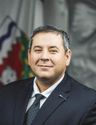
Vince McKay Hay River South
Thank you, Mr. Speaker. Maybe the Member didn't hear me clearly, but I did state that ICS training is part of our training within the GNWT, and our commitment to that is by having those involved in surge capacity in the departments ICS trained in order to deal with emergencies. Again, we cannot control municipal governments and tell them what kind of training they have to take. We can only support their community emergency plan and their EMO organizations with the provided training. Thank you, Mr. Speaker.
Question 819-20(1): Incident Command System Testing
Oral Questions
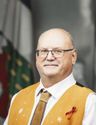
The Speaker Shane Thompson
Thank you, Minister of Municipal and Community Affairs. Oral questions. Member from Frame Lake.
Question 820-20(1): Building Capacity of Indigenous Governance Program
Oral Questions
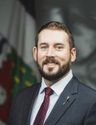
Julian Morse Frame Lake
Thank you, Mr. Speaker. Mr. Speaker, my questions are for the Minister of Finance this time. Mr. Speaker, in the government's response to the Standing Committee on Economic Development and Environment's report on the regulatory framework, they spoke to the Building Capacity in Indigenous Governments Program. Mr. Speaker, has this program been fully subscribed since establishment?
Question 820-20(1): Building Capacity of Indigenous Governance Program
Oral Questions
Question 820-20(1): Building Capacity of Indigenous Governance Program
Oral Questions
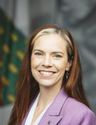
Caroline Wawzonek Yellowknife South
Thank you, Mr. Speaker. Mr. Speaker, the subscriptions to this program has grown over the years. In 2023-2024, we had six secondments. In 2024-2025, we had eight. In 2025-2026, we had seven. And again, it's well received. This program has actually been through a review, positive feedback all around from the participants. And as such, the program will be continuing with some adjustments to make it even more accessible for Indigenous governments across the Northwest Territories. Thank you.
Question 820-20(1): Building Capacity of Indigenous Governance Program
Oral Questions
Julian Morse Frame Lake
Thank you, Mr. Speaker. The Minister kind of got to my next question which was to be the question of the success of the program. So, considering it's been successful, it sounds like, can the Minister describe the adjustments that are being made to make it more accessible? Thank you.
Question 820-20(1): Building Capacity of Indigenous Governance Program
Oral Questions
Caroline Wawzonek Yellowknife South
Thank you, Mr. Speaker. With respect to the top-up funding that is available, we right now provide $40,000 in funding for each potential placement. This recognizes that there may be some gap between the salaries that apply to a GNWT public servant and wanting to ensure that folks are able to take on these secondments and not facing a gap to their employment level but also not burdening unnecessarily another government or Indigenous government. And so the gap is just to make sure that we're putting that money towards salaries and that in that sense would, again, make it easier to apply for any government to take these positions on. They are valuable for us to have our staff working and learning within the context of Indigenous governments. Thank you, Mr. Speaker.
Question 820-20(1): Building Capacity of Indigenous Governance Program
Oral Questions
Question 820-20(1): Building Capacity of Indigenous Governance Program
Oral Questions
Julian Morse Frame Lake
Thank you, Mr. Speaker. The Minister did a great job explaining the program, didn't quite answer the question, but I'll move on to the next one.
Mr. Speaker, has the Minister considered adding funding to this program in the upcoming budget to help expand the program or add to the program in any way, considering its success and its importance to our building capacity in the regulatory system? Thank you, Mr. Speaker.
Question 820-20(1): Building Capacity of Indigenous Governance Program
Oral Questions
Caroline Wawzonek Yellowknife South
Thank you, Mr. Speaker. So right now, Mr. Speaker, if there are more placements or a need for greater salary dollars beyond the capacity of the funding, those funds do come from internal resources to individual departments so sometimes that can be if there's an unfunded position that they can use that money towards, or if there's some other program where funding hasn't fully been utilized they can use that towards this program. Obviously, we had had a finite amount of resources in the GNWT and at this time this is not one where I am anticipating anything further going into the budget for this. Thank you.
Question 820-20(1): Building Capacity of Indigenous Governance Program
Oral Questions
Question 821-20(1): Mental Health Supports After Hospital Discharge
Oral Questions

Robert Hawkins Yellowknife Centre
Thank you, Mr. Speaker. Mr. Speaker, I have a question for the Minister of Health and Social Services here. I received a phone call a few days back about somebody being released in the care of one of the wards, the psych wards, here in Yellowknife. Now, it's not specific about this individual but the concern about the care of custody back into the -- back into community, and the parent who called me about this issue is that they said when their child is released, they're literally dropped off at the day shelter. So, they go from full services and supports, clearly, I mean, I won't go at length, but what they're done is then they're dropped off at the day shelter where they can't access housing, basic services, income support, etc. Is there any way to do this better and create a system of protocols that we can actually help people get integrated back into the system, even if you get ICS or other type of people?
Oh, my apologies. Thank you. And you're right, Mr. Speaker. Is there any way you could do -- is there any way you can change the way this format is currently structured? Thank you. My apologies.
Question 821-20(1): Mental Health Supports After Hospital Discharge
Oral Questions
The Speaker Shane Thompson
Thank you, Member from Yellowknife Centre. Minister of Health and Social Services.
Question 821-20(1): Mental Health Supports After Hospital Discharge
Oral Questions
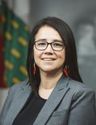
Lesa Semmler Inuvik Twin Lakes
Thank you, Mr. Speaker. I don't know the circumstances and I'm not going to speak to this situation specifically. I don't know the age of the person, but I do know that our child and family services does have a voluntary service agreement that if you're over 16, and I believe that there are different circumstances around it, that, you know, if you don't have -- if you're homeless, they can work with the youth or the young adult -- or, you know, a youth, to try to find supports for them. Thank you, Mr. Speaker.
Question 821-20(1): Mental Health Supports After Hospital Discharge
Oral Questions
Robert Hawkins Yellowknife Centre
Thank you, Mr. Speaker. For the record, they're an adult. Secondly, they're under control and custody. In other words, they have a release date. They have to stay there just to make sure we're in contact. Mr. Speaker, I guess I'm really asking is, can the Minister make sure that there's protocols, that we just don't dump them on the street, you know, a van pulls up, throws them out and says good luck. Because people are at their -- you know, as they approach healthy stage, I just don't want to put them back in the next most difficult challenging experiences. Can we ensure that that policy is articulated to these folks and we even bring in ICS to help reintegrate them in the community. Thank you.
Question 821-20(1): Mental Health Supports After Hospital Discharge
Oral Questions
Lesa Semmler Inuvik Twin Lakes
Thank you, Mr. Speaker, and thank you to the Member for this question, and I know that in our system, you know, I've recently had this conversation with my department, that there's a whole continuum of mental health and addictions and the supports that go along with that spectrum. And so what I've actually gone to my department is to work with NTHSSA and themselves to figure out where all of these gaps are and so and what can we do and a lot of it's going to probably take partnerships. But, however, I can -- you know, if I can work with the Member to get more detail on what actually happened with this situation, then I can -- I can bring that back to NTHSSA to see what their process is and then, you know, figure that out. Thank you, Mr. Speaker.
Question 821-20(1): Mental Health Supports After Hospital Discharge
Oral Questions
Question 822-20(1): No-Show Appointment Rates in Healthcare Clinics
Oral Questions

Shauna Morgan Yellowknife North
Thank you, Mr. Speaker. I wanted to ask the Minister of Health and Social Services about the issue of no-shows for health care appointments, which has been a problem for a number of years, and I know it's a frustration both for patients who can't get into the system and for practitioners who are wasting their time or wasting our resources when we could have practitioners seeing patients.
So I saw in the 2019-2020 health authority reports that there were stats up to then for no-show rates and how they've changed over the years previous to that. Can the Minister commit to providing Members with the most up-to-date statistics up to this year on no-show rates for health care appointments and how the trends may have gotten better or worse over the past five years? Thank you, Mr. Speaker.
Question 822-20(1): No-Show Appointment Rates in Healthcare Clinics
Oral Questions
The Speaker Shane Thompson
Thank you, Member from Yellowknife North. Minister of Health and Social Services.
Question 822-20(1): No-Show Appointment Rates in Healthcare Clinics
Oral Questions
Lesa Semmler Inuvik Twin Lakes
Thank you, Mr. Speaker. Mr. Speaker, you know, I appreciate the question and I think I'll be able to take this back to NTHSSA, because this is something that I have also asked for. I wanted to know the stats. I want to know how many patients are being seen in the clinics, especially here in the capital, and are those numbers increasing? What are the waitlists? So I know that they are working on some data right now, and I most recently spoke with the public administrator, and they are getting ready to provide a briefing to me on some of this data and when I do have this data, I'll be able to have that information shared with the Member. Thank you.
Question 822-20(1): No-Show Appointment Rates in Healthcare Clinics
Oral Questions
Shauna Morgan Yellowknife North
Thank you, Mr. Speaker. So what is being done now? We've known for a number of years this is a problem. So what's being done now to try to reduce the number of no-show appointments, healthcare appointments, such as automated reminders or phone call reminders by administrative staff? You know, a number of us know these kinds of things are done in other contexts like dental appointments so what has taken so long for us to come up with strategies around no-show appointments in primary care? Thank you.
Question 822-20(1): No-Show Appointment Rates in Healthcare Clinics
Oral Questions
Lesa Semmler Inuvik Twin Lakes
Thank you, Mr. Speaker. Mr. Speaker, what I do -- what I can say and for the amount of information that I can -- that I know of right now is that within the waitlist, like anybody who contacts or does the email call back, they will offer to be put onto waitlists and so anytime that there are openings, they will contact people from that waitlist to fill those openings to see if they can come in. The problem is, is that many times those are short notice and it's hard for people to get across the city to those appointments. This is something that was raised even when we were most recently at our health Minister meetings, is in the southern provinces they do do online booking but what's happening is, is people are booking in all of the different areas and then they're not cancelling when they get an appointment. So this is a problem that has actually came up at our meeting because we can't -- we're not allowed to bill, there's no -- to bill people for missing appointments or things like that under the Canada Health Act. So, I know within the department, we really take those appointments, they are important, and so we do utilize that waitlist, and what I can do is I can follow up with the, especially here in the capital, to see how they're managing those waitlists. Thank you, Mr. Speaker.
Question 822-20(1): No-Show Appointment Rates in Healthcare Clinics
Oral Questions
The Speaker Shane Thompson
Thank you, Minister for Health and Social Service. Final supplementary. Member from Yellowknife North.