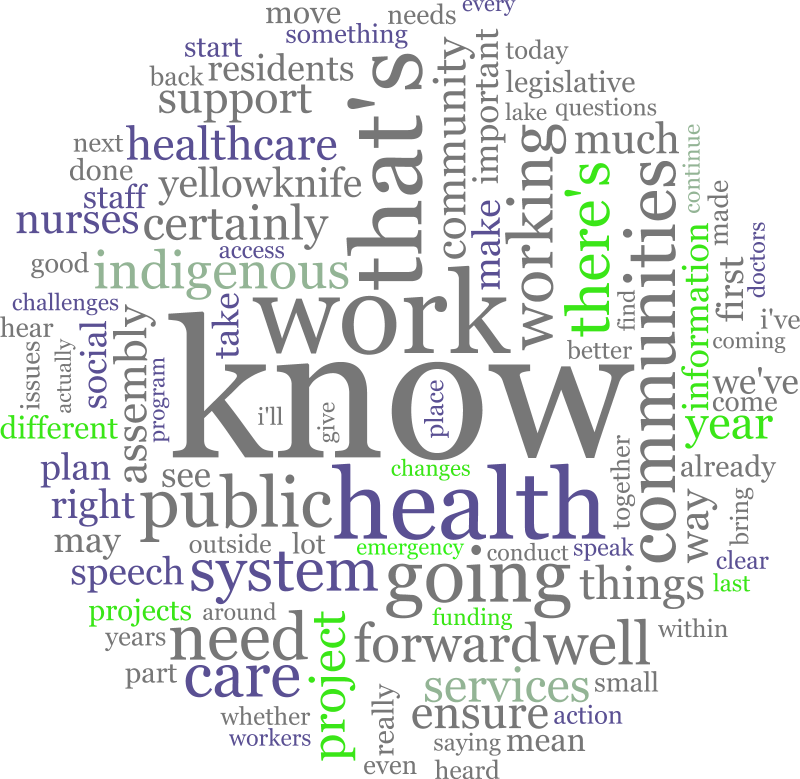
This is page numbers 2493 - 2560 of the Hansard for the 20th Assembly, 1st Session. The original version can be accessed on the Legislative Assembly's website or by contacting the Legislative Assembly Library. The word of the day was know.

Topics

Motion 59-20(1): Establishment of Electoral Boundaries Commission, Carried
Motions

May 27th, 2025

Page 2504

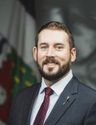
Robert Hawkins

Robert Hawkins Yellowknife Centre

Thank you, Mr. Speaker.

WHEREAS Section 2.(1) of the Electoral Boundaries Commission Act prescribes that an Electoral Boundaries Commission be established within two years after the day fixed for the return of the writs of the 2023 General Election;

AND WHEREAS section 2.(2) of the Act requires that the Commission shall be composed of a chairperson and four other members appointed by the Commissioner on recommendation of the Legislative Assembly;

AND WHEREAS the Legislative Assembly is prepared to make such a recommendation;

NOW THEREFORE I MOVE, seconded by the Member for Kam Lake, that the Northwest Territories Electoral Boundaries Commission 2025, is hereby established;

AND FURTHERMORE, that the Legislative Assembly recommends to the Commissioner of the Northwest Territories that the Honourable Judge R.D. Gorin of Yellowknife, Northwest Territories be appointed chairperson; and, Mr. Daryl Dolynny of Yellowknife, Northwest Territories; Mr. Sam Dyck of Inuvik, Northwest Territories; Mr. Kevin O'Reilly of Yellowknife, Northwest Territories; and, Ms. Georgina Rolt of Yellowknife, Northwest Territories, be appointed Members of the Northwest Territories Electoral Boundaries Commission 2025.

Thank you, Mr. Speaker.

Motion 59-20(1): Establishment of Electoral Boundaries Commission, Carried
Motions

Page 2504

The Speaker

The Speaker Shane Thompson

Thank you, Member from Yellowknife Centre. To the motion.

Motion 59-20(1): Establishment of Electoral Boundaries Commission, Carried
Motions

Page 2504

Some Hon. Members

Question.

Motion 59-20(1): Establishment of Electoral Boundaries Commission, Carried
Motions

Page 2504

The Speaker

The Speaker Shane Thompson

Question has been called. All those in favour? Opposed? Abstentions? Motion passed.

---Carried

Colleagues, in recognition of the time, we will take a small break to give our interpreters a chance to rest.

---SHORT RECESS

Motion 59-20(1): Establishment of Electoral Boundaries Commission, Carried
Motions

Page 2504

The Speaker

The Speaker Shane Thompson

Motions. Member from Range Lake.

Motion 55-20(1): Staffing Solutions to Rebuild and Reform Healthcare Now, Carried
Motions

Page 2504

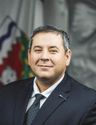
Kieron Testart

Kieron Testart Range Lake

Thank you, Mr. Speaker.

WHEREAS the Canada Health Act guarantees access to ensure health services that are accessible, universal and publicly funded;

AND WHEREAS the "medicine chest clause" is a treaty promise of ongoing health care provided to Indigenous peoples as recognized by section 35 of the Charter of Rights and Freedoms;

AND WHEREAS the provision of healthcare services is the responsibility of the Government of the Northwest Territories;

AND WHEREAS only 59 percent of Northwest Territories residents aged 18 and older have reported access to regular health providers in 2023 compared to an average of 84 percent in Canada;

AND WHEREAS nine family doctors have left their practice in the Northwest Territories since 2024, resulting in a 49 percent vacancy rate, with a further 42 percent vacancy for specialists;

AND WHEREAS the Northwest Territories Medical Association reports that 63 percent of current physicians are considering leaving their practice in the Northwest Territories;

AND WHEREAS some nurses in the Northwest Territories are calling for the establishment of a standalone collective bargaining unit to address chronic labour relations issues, low staff morale, and stagnant wages;

AND WHEREAS frontline practitioners at Stanton Territorial Hospital have reported that emergency department services may be interrupted or cease altogether if immediate action is not taken to address staffing matters;

NOW THEREFORE I MOVE, seconded by the Member for Yellowknife Centre, that the Government of the Northwest Territories take immediate action to improve the recruitment and retention of all doctors, nurses, and allied healthcare workers through higher wages, contract flexibility and enhanced benefits;

AND FURTHER, that the Government of the Northwest Territories work with the Public Service Alliance of Canada and Union of Northern Workers to develop an inclusive bargaining structure for all healthcare workers to give the frontline a real voice in negotiations;

AND FURTHERMORE, that the Government of the Northwest Territories undertake the following actions:

  • Establish a working group composed of Members of the Executive Council and Regular Members of the Legislative Assembly to oversee primary care reform and health system sustainability initiatives;
  • Move to interest-based negotiations with the Northwest Territories Medical Association before the fall of 2025;
  • Publicly release the details of a new locum contract for emergency department doctors;
  • Improve flexibility in locum contracts to assist doctor and nurse retention and recruitment;
  • Phase out agency nurses with a three-year plan that improves working conditions for frontline staff with improved professional development and compensation;
  • Enhance financial incentives for shift work for doctors, nurses and allied healthcare workers;
  • Implement minimum staff-to-patient ratios at all Northwest Territories hospitals;
  • Implement practitioner-led innovation to ensure continuous improvement on the frontline;
  • Negotiate physician license-sharing between Nunavut and Alberta to eliminate red tape preventing entry of new physicians into the Northwest Territories healthcare system;
  • Prioritize pan-national physician licensing in the Government of the Northwest Territories federal engagement strategy;
  • Fast-track development of new policies on emerging medical technologies such as AI, e-consults and virtual care;
  • Expand the role of nurse practitioners in all regions of the Northwest Territories to improve access to health care and decrease costs; and,
  • Modernize auxiliary care at hospitals and establish a licensing body for paramedics;

AND FURTHERMORE, that the Government of the Northwest Territories release an action plan to implement the aforementioned actions that is time-bound and fully costed by the fall of 2025;

AND FURTHERMORE, that the Government of the Northwest Territories respond to this motion in 120 days.

Thank you, Mr. Speaker.

Motion 55-20(1): Staffing Solutions to Rebuild and Reform Healthcare Now, Carried
Motions

Page 2505

The Speaker

The Speaker Shane Thompson

Thank you, Member from Range Lake. The motion is in order. To the motion. Member from Range Lake.

Motion 55-20(1): Staffing Solutions to Rebuild and Reform Healthcare Now, Carried
Motions

Page 2505

Kieron Testart

Kieron Testart Range Lake

Thank you, Mr. Speaker. Mr. Speaker, almost every week since I hit the campaign trail in 2023, I have heard from frontline workers that our healthcare system is crumbling from the weight of inaction. I want to share one of those stories today that left me with a profound sense of urgency.

Last weekend, I received an email from a physician who had spent seven hours in the emergency room, not as an attending doctor but as a patient. Their child was suffering from a laceration and there was only one doctor on shift, leading to treatment delays in an already overworked and overwhelmed emergency department. It took another hour, eight in total, to care for this child for what should have been a three-hour triage if the ER had been properly staffed.

I am grateful that this physician's child was able to receive treatment and is doing well. I'm also grateful for the doctors, nurses, and other staff at the emergency department who work tirelessly, sometimes without compensation, to ensure the doors stay open and Northerners receive treatment. But this incident is an all-too common experience for Northerners, and this physician is one of those practicing medicine in the Northwest Territories; 60 percent of whom are thinking about leaving due to the lack of attention to the systemic failures in health care.

I am proud to represent the Range Lake riding that is home to a great many healthcare workers. Doctors, nurses, nurse practitioners, physiotherapist, lab technicians; you name it, we've got it in Range Lake, and what we've got is a whole lot of healthcare professionals who are fed up with their working conditions.

This motion calls for concrete and constructive action. It is not just complaining. It is consistent with many of the points my friends from Yellowknife Centre, Tu Nedhe-Wiilideh, and I raised publicly, but also changed to reflect the feedback we received from many, many healthcare workers since its release. I have personally heard from RNs, NPs, doctors, from patients, and policymakers. We've updated and clarified their concerns with this motion, but what's clear, Mr. Speaker, is that no one is happy about the state of health care in the Northwest Territories.

Well, maybe one person. The Minister responsible has said, quote, "there's no place better to get sick in Canada than the NWT", and this is exactly why we have brought this motion forward. The message being sent by patients and practitioners is simply not getting through loudly enough to those charged with managing our healthcare apparatus. We've tried for over a year to raise the alarm on health care through Members' statements, oral questions, written questions, motions, and even a Private Member's bill, but the response has been steady as she goes.

Yes, we have a public administrator with a personal work plan to do some work fixing health care. On paper, it looks good, like a great move, but without a clear action plan, with defined and costed measures, it's little more than a gesture of accountability for a system careening off the fiscal and operational cliff.

Mr. Speaker, we've had discussions with our Cabinet colleagues in the past over how to address matters of urgent crisis. Typically, when we think of that, we think of floods, fire, homelessness, things that require urgent attention from more than one side of this House. We are calling for that in this motion, to establish a working group composed of Members of the Executive Council and Regular Members of Cabinet, and the Regular Members working together in a working group to oversee the primary health care reforms of health and system sustainabilities that are going on, not to dictate those policies but to work together in collaboration to ensure that frontline is being heard. Because, again, I will repeat that time and time again, until their voices are heard and until we start to see changes that they are asking for, that their voices are not being heard. And I don't know if it's because they're being limited by their ability to speak up publicly because they work -- because their employer doesn't want them talking to MLAs or speaking publicly. That's all too common and something that happens in the Northwest Territories. But they are brave and brave in bringing these concerns forward, in bringing their working conditions forward, in asking for change, undaunted by the political pressures for them to stay silent, keep their heads down and work, again I might add, often for no compensation, because these healthcare workers, these doctors, these nurses, these allied healthcare workers, they have deep compassion for the residents of the Northwest Territories.

We heard the stories that they're willing to put aside their vacation time, to not take overtime, in order to keep these healthcare services going. And for that, I do thank them. But that shouldn't be the way it is. That's a recipe for disaster. It's a recipe for burnout, for low morale, and for only exacerbating the problems we have.

Wages are stagnant. We hear that time and time again. When negotiations are reached or when new contracts are reached in other jurisdictions, we hear about it almost immediately, have you seen what they got in Alberta? That's the most recent one I can think of, which is a very generous deal. Why aren't we getting that here? Why aren't we even talking about that here? And the position that -- and what we do hear is that we need to find ways to spend less on health care because it's unsustainable. That is true, that we have an unsustainable healthcare arrangement, but not supporting our staff with improved compensation and benefits is not going to help that sustainability. Sustainability can't just be measured in fiscal terms; it has to be measured in the quality of health care that's provided. And as I said earlier today, if we can't provide the health care that Canadians -- Northerners and Canadians expect to have, we might lose all our funding all together because we're not compliant with the Canada Health Act.

Mr. Speaker, many of these considerations we brought forward as well aren't coming from us. I mean, all the concerns aren't coming from us obviously; they're coming from the frontline. But there's specific things in here that have been asked.

The NWT Medical Association give a very eye-opening presentation to the Standing Committee on Social Development about the conditions at the emergency room. If it was not for that, I would wager we wouldn't have seen the immediate response from the public administrator to issue new locum contracts and start working with the doctors to build something that can actually keep the lights on and keep patients going through the doors. There's still challenges there, and one, because there's no transparency around these measures. We haven't seen the terms of the -- of what these locums are being offered. We haven't seen the full details of the financial compensation. And as a result, there's still people -- I hear anecdotally the public administrator telling Members or telling the committee that, personally, he's talking about lots of doctors and they're very excited about this opportunity, but when you talk to healthcare professionals they say we don't know what's going on, and we can't tell our colleagues in other jurisdictions about the great opportunity because we just don't know what it is. Which is why we're calling for transparency on this. It's an expenditure of public funds, and it's important that we know what these new measures are.

It's also important for the full-time staff here because that's a media story and a release that came out almost immediately after that contract was announced was a doctor, a practicing doctor, a northern doctor, saying we need benefits too. You know, and that doctor was taking mat leave at the time and took issue with comments that were made that doctors on mat leave were causing some of these gaps. And doctors shouldn't be told that they can't take mat leave or their mat leave is inconvenient to the system. They knew these doctors were having babies. Why wasn't there a plan? You know, and instead we're still making excuses - well, COVID screwed everything up and it's been so long since we've had solid health care because that was such a traumatic event. Well, that was in the rearview mirror. Yes, we acknowledge it; we all lived through it. And doctors and nurses did -- and healthcare workers, all healthcare workers, worked tirelessly to keep our communities safe at a time of global pandemic. But they too want to move on from that and see a different regime take hold that actually, you know, puts -- restores their faith in their own system, in their own workplaces.

Mr. Speaker, the other measures -- I mean, a lot of these measures are simply financial because that's what we're being told. You know, we keep trying to find ways -- creative ways to improve things without spending any money. And that's just not -- that's not practical. We need to spend more on healthcare workers, period. And I'm not a negotiator for the government, but I am a Member of this Assembly, and that is what I am hearing, so I'm transmitting that message loud and clear. Because if we don't, they're going to look elsewhere or they're going to look to private agencies which are rapidly resulting in more and more privatization of our health care in Canada. Other provinces are taking steps to change that. We have still -- we still want to maintain the use of agency nurses in case of emergency. But the problem is that's how it starts. That's how it started in Ontario. It was to keep ERs open, and then it was to keep other departments open. Now it's a routine part of their system, and they spend millions and millions of dollars on private agencies that are taking money away from publicly-funded health care and workers, unionized workers, who are working for their communities.

Mr. Speaker, this plan, we heard loud and clear from Members on this side of the House in particular, that they didn't want to take the option fully away because -- and we've heard from workers as well that the healthcare system is in such poor shape that if we ban agency nurses tomorrow, it would be a disaster. So we're not calling for that. We're calling for a three-year plan to phase out agency nurses and to, you know, take as much privatization out of nursing work as we can, to level the playing field for our own staff to show them that they are trusted and they are valued. But to do that, we need to approve professional development opportunities and compensation. If we don't start to invest in the nurses we have in the Northwest Territories, they will leave.

Yesterday -- and we saw that in the gallery, we saw the message, you'll miss us when we're gone. And that is a very chilling statement if you really let it sit with you. Imagine a system with no nurses. It cannot function.

Mr. Speaker, staff-to-patient ratios is an emerging area of health care reform that we're seeing in other jurisdictions as well. There are plenty of healthcare systems we can look at to draw on, but it's a much-needed thing because that's how you ensure that you're not overloading and overburdening your staff by having the appropriate staffing on hand. Now, you need to hire those staff to have the ratios in the first place otherwise you are setting yourself up for failure but, again, this all comes back to the fundamentals which is pay, compensation, benefits, make it easier and more lucrative to be a nurse in the Northwest Territories so we can start stealing nurses from other jurisdictions. Let's be the best we can be in Canada.

So many people have come to the North to make -- to build a better life because of the opportunities here were second to none, and we've let that competitive edge slip away as our cost of living continues to rise and we play catch-up with the rest of Canada. Cost of living is lower down south, and our wages are not keeping pace with that. You could take a wage hit and still save money by living in a cheaper jurisdiction, or you can go to an agency nurse, still work in the Northwest Territories in an emergency, and make exponentially greater than your peers who you're working with as a staff nurse only months before. These are stories we're hearing, Mr. Speaker. These are not hypotheticals. And that's what we want to stop. That's sustainability. It's not just about cutting costs. It's about keeping staff in place and keeping services in place.

We also spoke to the medical association about physician license sharing. This is something that's been raised in this House before, and it's an important piece of the puzzle. In the Atlantic provinces they have a physician license sharing program that allows doctors to move between the different Maritime provinces. Why don't we have something similar with Nunavut and the Yukon? We have very similar challenges - geographic, resourcing, logistical. Having doctors who understand those challenges means it's a lot harder to start from zero when you come into work in the Northwest Territories. We also work very closely with Alberta, notwithstanding some of their repugnant policies that are preventing gender affirming care and other things that vulnerable minorities in our society look to their governments to support and aren't being done there. But notwithstanding that, we still have their -- we still share much with their -- much connected tissue with their healthcare system. So let's find a way to do that.

It's done elsewhere. There's no reason we can't. The Minister says she's going to go talk to the health Minister. I hope that's part of the conversation. And when I look to the federal engagement strategy, you know, we were told loud and clear by our own doctors that the North should be the ones prioritizing pan-physician license sharing. It will benefit us the most, and it needs a champion at the FPT table. This is a beautiful opportunity for our Premier who has made engagements with other provinces, territories, and the world a centerpiece of his premiership. Bring this on too. Start talking about how to get more -- about how to share more credentials with other -- and not just doctors, but in this case doctors, but in other specials -- hard to recruit specialists and specialized professions that we need in the Northwest Territories. Start making those deals. Sign them. Publicize them. Have a signing ceremony, a photo op. It would be it would be fantastic because Northerners would know we're working for them.

And, you know, fundamentally -- and sorry, and I will add the role of paramedics is important as well. They're currently unregulated in the Northwest Territories and many of them, once they get through the initial application process to work, they have credentials from other jurisdictions that don't need to be renewed here, and I have full confidence in the many hardworking paramedics, you know, particularly firefighters in our community of Yellowknife, but the many hardworking paramedics that do great work in the Northwest Territories. But to not have a regulatory oversight of people who are practicing medicine is a problem, and this is a gap that I know the Minister's aware of, but we need to fill it and use it to support especially care in smaller communities where the resources are much -- are stretched far thinner. Paramedics can make a huge difference. And I think in your riding took, Mr. Speaker, paramedics could make a huge difference.

So if we actually modernize auxiliary care in medical centres, and we also regulate paramedics, we can find more ways to move forward on solving some of these challenges. But we need bigger thinking, and right now we just don't know what's -- what the thinking is, which is why finally this calls for an action plan.

When I talk to people -- and I'm on the receiving end of this sometimes too, and it's fair. You know, I've met with nurses in my riding only last week who said you haven't done anything for us, what are you doing. You know, you're our MLA, why haven't you spoken about this? And I thought I had been doing that. But not well enough if the message isn't getting through.

So, you know, if we're having trouble communicating that to nurses, doctors, healthcare professionals, patients out there, when we have one of the biggest forums in the Northwest Territories, I can tell you the public administrator's work is not well understood. We need to do a better job, and that's why we need an action plan. Perfect is the enemy of good, and right now we just need a good action plan. We don't need to have everything figured out, but we need some concrete things.

You know, nurses have pointed me to what they're doing -- what Premier Houston is doing in Nova Scotia. He releases routine action plans. Some actions work, sometimes they don't. But he keeps at it. And because there are frequent -- these frequent action plans and actions that are coming out of the government, people really feel that things are starting to move. So take the work you're doing, take first, start with these points, because I also -- I do believe some of this work's already ongoing. I do. And we've heard that some of it's ongoing. So clarify that it's ongoing with an action plan. Throw in everything else you're working on, give the public some hope that things are going to get better and they're going to get better soon. And it's into the going to take ten years. Maybe it's going to take ten years to get to perfect. But give us one year to get to better. Give us two years to get to even better. And three or four years to get to good. And so on and so forth. But if we continue to do nothing but say we're trying, trust us, give us time, public's -- you're out of time. The public's fed up. Nurses and doctors are fed up. And if they feel that inaction is the order of the day, they're not going to stick around to find out what happens when everything does truly implode.

The threat of a closure of the ER because of these challenges should be a wake-up call for everyone who's serious about health care in this territory, and it should spur action, and it has spurred action, but it should spur even greater action to take immediate, clear, transparent, measured, costed, time-bound action that the public can see, that the public can hold government to account on, and that's actually going to make a difference. Because that's what we're here for. We're here to solve the problem of health care.

So if the Minister can present a plan, I will absolutely -- that's a good plan, that's a solid plan that meets those criteria of being time-bound, costed, clear, transparent, concise, that speaks to the needs we're hearing from frontline workers, I will be more than happy to fully endorse it, fully endorse it. And support her as she brings the plan forward and works on completing every single action. So I call on her to -- and the government to follow through with this motion, bring forward that plan, and help make a difference in health care, because people need it. Northerners, healthy, sick, it doesn't matter; people need this plan. They need action today. And once again, I will fully endorse and support it if it meets the needs of our frontline workers, of Northerners, across all of our diverse communities. But let's get something done today. Let's get the ball rolling with a clear commitment and start to take real action on health care. Thank you, Mr. Speaker.

Motion 55-20(1): Staffing Solutions to Rebuild and Reform Healthcare Now, Carried
Motions

Page 2507

The Speaker

The Speaker Shane Thompson

Thank you, Member from Range Lake. To the motion. Member from Inuvik Twin Lakes.

Motion 55-20(1): Staffing Solutions to Rebuild and Reform Healthcare Now, Carried
Motions

Page 2507

Lesa Semmler

Lesa Semmler Inuvik Twin Lakes

Mr. Speaker, I want to thank the Member for bringing this motion and for drawing attention to the fundamental principles that guide our healthcare system.

As an Indigenous nurse who has worked in the regional centre and travelled to various small communities, I have witnessed firsthand the critical need and accessibility and quality health care that's needed. As I look to the remainder of my term, I continue to use the three priorities that are guiding me to make the decisions on access to care.

1. First of all, we are overhauling, again, the medical travel program so every resident, no matter their location, circumstance, experience, timely, seamless, and compassionate support from the moment they leave their home to the moment they return.

2. We will update the small community model of care, put more providers in local health centres, and use virtual team-based approaches so people can get help closer to home instead of travelling for basic services.

3. I will keep strengthening cultural safety across the system by expanding anti-racism training, embedding Indigenous knowledge, and holding ourselves accountable for respectful equitable care.

Together, these priorities will create a more accessible, compassionate, and culturally safe healthcare system for every resident in the Northwest Territories.

Mr. Speaker, we also acknowledge the very pressing issues highlighted in the motion. Many residents still face challenges to access to care, the shortage of doctors, nurses and specialists strain every corner of the system, and the frontline staff are telling us plainly that they need support. These challenges jeopardize both the quality and continuity of care, and they need a coordinated response. So with that, I do agree.

Our commitment is unwavering to collaborate with health care providers, unions, employees associations, Indigenous governments, and this Assembly, to stabilize the workforce, enhancing working conditions, and ensure every resident has access to timely, culturally-safe care where they live, whether they live in a small community, a regional centre, or the capital.

Mr. Speaker, I share the mover's commitment to making our healthcare system more responsive, sustainable, and centered around the needs of both patients and providers, and I appreciate the opportunity to share some of the proactive measures that have been implemented to address the actions outlined in the motion. For example, we are focusing on improving recruitment and retention through new initiatives for physicians, including increased daily rates, premium pay for night shifts, and long-term locum pilot programs set to begin on June 1st. That was initiated. That was work that was going on. And because of the conversations with the physicians, this was implemented sooner. So, again, those kinds of discussions do help to promote the change.

We have also reduced our reliance on agency nurses. Since January of this year, only five agency nurses have been used across the system and only as a last resort measure to avoid service disruption. There are many nurses that come into our system that are brought in as casual contracts to fill the vacancies. We do still continue to sit with a 20 percent vacancy. These nurses come in, they are paid the same as their colleagues that work beside them; however, there is -- you know, there has been concerns that the nurses that are working on the floor, that they do -- they need the support to be able to have those nurses supported on the floor while the senior nurses or the nurses that are employed full-time can continue to just do their job.

I have and will continue to raise the issue of agency nurses with my provincial/territorial colleagues at the federal level, and I believe that phasing out the use of agency nurses completely requires a national approach and commitment from all provinces and territories. The new federal Minister of Health, this is on the agenda for myself to have this discussion with her as the Minister of Health now for the federal government comes from Quebec. This Member, you know, has stated that that is the first place in Canada that's making these changes, and so I'm hoping that we can get a national approach to this.

While this conversation is ongoing, we are investing in local nursing capacity. Two years ago, we added a clinical nurse educator to Stanton's obstetric unit which has significantly improved staffing stability and allowed us to phase out the agency nurses there. We are now recruiting a clinical nurse educator for medicine and the surgery unit to replicate this success to other areas where nurses have asked for more support. This approach to improving on-the-floor staff mentorship has many benefits, including increased competence, consistency, and patient safety while supporting retention efforts.

Regarding collective bargaining, Mr. Speaker, this work is led by the Department of Finance, and we remain committed to making space for frontline voices to be heard and respected. I would like to point out that recent agreement already includes improved financial incentives for shift workers based on feedback from staff.

Mr. Speaker, the mover has raised concerns about staff-to-patient ratios, and he will note that I have recently directed my department to these reviews. These ratios in the Northwest Territories compared to national benchmarks, we understand the importance of safe, sustainable staffing levels, and this work will help to inform the future actions. And I have already committed to sharing this data with Members once we have it.

The NTHSSA has been actively discussing a move to interest-based negotiations with the NWT Medical Association for more than a month, and in support of this change, the Department of Finance is also engaged and has indicated their support. An interest-based negotiating learning workshop is scheduled for June 12th and 13th, so representatives from the Department of Health and Social Services, NTHSSA, and the Department of Finance, will all be attendance in this training.

Mr. Speaker, the ask for full public release of the new emergency department locum contract, the full locum contract fee schedule is confidential to protect contractual privacy, and publishing every detail would hand other jurisdictions a readymade benchmark making it easier for them to entice locums away from the Northwest Territories. To protect our competitive position while still being transparent, I can that with the newly -- new daily rates ranging from 1,500 to $3,200 a day for an 8-hour shift. These nationally competitive rates are designed to support both recruitment and retention, particularly during peak and staffing shortages. We've also made changes to improve the flexibility in locum contracts, including a standard travel stipend, premium night shift rates, which was requested by the emergency room physicians, and long-term incentive options. These are based on the feedback from the providers about what motivates them to return to the North.

Mr. Speaker, we are streamlining physician licensing. This includes maintaining our agreement with Nunavut which waives licensing requirements for NWT-based virtual clinics, treating Nunavut patients; however, they -- turning that around, you know, with all the territories, we all struggle to retain physician services. But we are negotiating a similar arrangement with Alberta, our southern partners, to enable broader license exemption so more out-of-territories can deliver virtual care to NWT residents. Feedback from recent hires is guiding us in removing the remaining barriers. We are also active in the national discussion on a pan-Canada physician licenser. And we are reviewing how best to modernize physician regulations in the Northwest Territories.

We are advancing practitioner-led innovation under my leadership. New staffing working groups, and town halls have provided staff with direct channels to identify barriers and purpose practical solutions. We are already exploring AI-enabled tools, e-consult, and expanded virtual care. These early steps demonstrate our commitment to solutions designed and driven by those who deliver care every day. And we are also, under my direction, with the public administrator, when there are areas that are seeing, you know, increased pressures, then under my direction, I give the -- I ask the PA to direct their staff to ensure that that area is being looked at.

We are redesigning the small community health centre model of care to strengthen continuity of care. This includes exploring innovative ways to integrate other health professionals into the teams, so core services remain consistently available. The NWT is not alone in these challenges, and I hear my colleagues, this has been an ongoing thing, but across the -- and just most recently, you know, hearing from BC, Saskatchewan, Manitoba, they're all trying to improve recruitment, reduce administrative costs, to support decisions that are informed by frontline realities.

Transforming a system as complex and diverse as ours cannot happen overnight. We are not interested in quick band-aid solutions that fail to address the root problems. Mr. Speaker, I acknowledge the motion's call for a Cabinet Regular Member working group to guide the primary care reform and health sustainability initiatives.

While I share the goal of strong oversight, the Legislative Assembly has a robust mechanism, particularly the Standing Committee on Social Development, existing statutory reporting requirements, and our regular ministerial briefings designed to perform this role. Rather than creating an additional body that could duplicate efforts and blur this accountability, I propose that we reenforce these established channels. I am committed to providing regular updates to standing committee, offer public technical briefings at key milestones, and collaborating with Members to ensure that they have information and access needed to scrutinize and help shape our reform.

I appreciate the request for a formal, time-bound action plan. Most of the priorities outlined in this motion are already underway, and I am committed to improving how we report progress on this work to its Members and the public. In fact, I've recently committed to providing regular updates to both staff and standing committee on the progress of the public administrator work plan and, as I mentioned earlier, I am in the process of working on how to have health have a front-facing public face so that way the information and the work that we are doing and ongoing doing can be put into that for the public and the Members to see.

As we move these initiatives forward, I welcome continued collaboration with Members of this Assembly, with Indigenous governments, and with the public. Comprehensive system change takes time and sustained efforts, but the essential building blocks are in place, and our direction is clear. To ensure every reform serves patients and the professionals who care for them, we will continue to engage with staff and clients throughout this process, gathering their feedback, tracking how each change affects workloads, and care experience. I remain open to constructive dialogue on additional ways to further strengthen our healthcare system and look forward to seeing our efforts translate into measurable improvements for the residents of the Northwest Territories. Thank you, Mr. Speaker.

Motion 55-20(1): Staffing Solutions to Rebuild and Reform Healthcare Now, Carried
Motions

Page 2508

The Speaker

The Speaker Shane Thompson

Thank you, Member from Inuvik Twin Lakes. To the motion. Member from Monfwi.

Motion 55-20(1): Staffing Solutions to Rebuild and Reform Healthcare Now, Carried
Motions

Page 2508

Jane Weyallon Armstrong

Jane Weyallon Armstrong Monfwi

Thank you, Mr. Speaker. Mr. Speaker, I sympathize with my colleague, and I hear the concerns that have been raised. Mr. Speaker, as Members, we need to focus on cooperation and collaborations to make life better for residents across the Northwest Territories. Mr. Speaker, this motion includes strong recommendations. True progress depends not just on passing motions but on continued dialogue, accountability, and collaborative approach to problem solving.

Mr. Speaker, we all want the same thing, a better healthcare system for our people, especially in small communities.

Mr. Speaker, I want to acknowledge that the Minister of Health and Social Services inherited a system with decades of challenges, some going back 60 years. With this motion, we are discussing how to bring about reform. Mr. Speaker, I know the Minister has valuable insight, not only as a representative from the regions, but also as a former frontline nurse with years of experience. Mr. Speaker, I am very grateful, thankful, her leadership is bringing long overdue attention to small communities that have often taken a backseat to the needs of the city and/or larger regional hubs.

I also want to recognize that some of the items in this motion are already being acted on by the department. The Minister has responded to concerns raised recently by MLAs and is collaborating with Members to advance primary care reform. This is the kind of cooperative, inclusive approach we need. Masi, Mr. Speaker.

Motion 55-20(1): Staffing Solutions to Rebuild and Reform Healthcare Now, Carried
Motions

Page 2508

The Speaker

The Speaker Shane Thompson

Thank you, Member from Monfwi. To the motion. Member from Frame Lake.

Motion 55-20(1): Staffing Solutions to Rebuild and Reform Healthcare Now, Carried
Motions

Page 2508

Julian Morse

Julian Morse Frame Lake

Thank you, Mr. Speaker. Mr. Speaker, I appreciate following up after the Member from Monfwi because I couldn't have said it better myself. I really appreciated her comments, and certainly quite a lot was said about this motion already, and so I don't want to add too much to it; I appreciated the Minister's response.

Mr. Speaker, there's a few aspects of this motion that I'm more comfortable with than others but would say that much of this has been called for already by MLAs, the NWT Medical Association, nurses, and other healthcare practitioners, and this motion is kind of -- I don't even know, I guess I'd call it like a healthcare super motion that kind of brings all the thoughts together that have been coming out in committee over the past couple of months. And so to the principle of the motion, Mr. Speaker, I do agree with it. I will vote in favour of it. I'm going to leave my comments at that. Thank you.

Motion 55-20(1): Staffing Solutions to Rebuild and Reform Healthcare Now, Carried
Motions

Page 2508

The Speaker

The Speaker Shane Thompson

Thank you, Member from Frame Lake. To the motion. Member from Yellowknife North.

Motion 55-20(1): Staffing Solutions to Rebuild and Reform Healthcare Now, Carried
Motions

Page 2508

Shauna Morgan

Shauna Morgan Yellowknife North

Thank you, Mr. Speaker. Mr. Speaker, I do support the intention behind this motion, and I support many of the specific demands within it. I will support the motion, but it's also a very long list of demands and I just wanted to note my concerns with some of the specific points within it, for the record.

First, I don't actually think that another working group is going to be very helpful. There is currently a clear line of responsibility through the health authorities, to the public administrator, and ultimately to the Minister, and the Premier in some cases. The Minister is already responsible for overseeing primary care reform, and the Premier's responsible for overseeing the health system sustainability initiatives. So my concern is that a working group that includes Regular Members is not going to be able to directly oversee anything given that our role is to hold Cabinet to account. We already have many avenues to do that, including working with our committees to have regular communications both ways with the Minister, which has been happening.

Secondly, I'm unclear as to what it means to call on the GNWT to, quote, "work with" the Public Service Alliance of Canada and the Union of Northern Workers to develop an inclusive bargaining structure for all healthcare workers. If we're talking about rearranging locals within the union or changing decision-making internally around who gets to be on the bargaining team, I don't see how it would be appropriate for the GNWT to get involved in that. What the GNWT is responsible for is our legislation, and, honestly, I think what would give frontline healthcare workers a real voice in negotiations is if they have the freedom to choose their bargaining agent and to be able to choose to represent themselves at the bargaining table instead of in this motion, once again, dictating that it's the PSAC and the UNW and the GNWT who know best, and they should be the ones to decide on behalf of healthcare workers how bargaining structures should be organized.

Next, I don't see how we could or why we should even publicly release the details of locum contracts, just as we don't publicize details of other private contracts in this government, and I'm not clear what the purpose of that would be. And, certainly, if we want to phase out agency nurses or temporary workers, I think there's general consensus that we don't want to have a system that relies on agency nurses, but we would have to eliminate the need for them. And that means major changes and to achieve this goal in the next few years, major changes in the short term to be able to retain and recruit new nurses.

Significant and lasting changes in compensation and financial incentives are really only going to come from a new collective agreement and one that is targeted at meeting nurses' needs, which is what is contemplated by the Private Member's bill I brought forward that's now going to be examined by committee.

The other items on the list, I do support, and we've already been hearing from Cabinet that work is underway on most of them. So it's up to us to continue holding the government to account to ensure that meaningful and steady progress is made. Thank you, Mr. Speaker.

Motion 55-20(1): Staffing Solutions to Rebuild and Reform Healthcare Now, Carried
Motions

Page 2509

The Speaker

The Speaker Shane Thompson

Thank you, Member from Yellowknife North. To the motion. Member from Inuvik Boot Lake.

Motion 55-20(1): Staffing Solutions to Rebuild and Reform Healthcare Now, Carried
Motions

Page 2509

Denny Rodgers

Denny Rodgers Inuvik Boot Lake

Thank you, Mr. Speaker. I won't be quite as long; I've got my speech right here. Mr. Speaker, it comes as no surprise to us that the Member from Range Lake has brought this motion forward. He's been passionate about this issue. It's been one of the main issues he brought to this House since he's been elected, since we've been in here, and the points he brings forward are valid and he does a lot of work in that area, and I certainly appreciate that. It also comes at no surprise to me that my colleague, the Minister from Inuvik Twin Lakes, is also passionate about this and has done a lot of work to already implement a lot of those things that are brought up in this motion, and I certainly appreciate that, and I know how much she cares about this issue as well.

It's not just a Yellowknife issue, obviously. I speak to health professionals in Inuvik as well. I know we're facing challenges. I speak to colleagues across other jurisdictions in Canada, and I speak to family back on the East Coast. We're not the only jurisdiction that's facing this, Mr. Speaker. We have -- there are issues throughout the country. There is -- you know, we're fighting, as they say, to get health professionals up here and some of the things outlined in this motion are things that are going to help us, as the Member from Range Lake had said, to attract those, to make us the place to want to come and to work and to live. And certainly, I appreciate all the work he's put into that. As I said, I appreciate the work that the Minister's done as well. I look forward to working collaboratively on this issue and continuing to move this forward, and I'm sure that the Member from Range Lake will continue to bring those issues forward as well. Having said that, I appreciate the work. I'll certainly support the motion and look forward to continuing further. Thank you.

Motion 55-20(1): Staffing Solutions to Rebuild and Reform Healthcare Now, Carried
Motions

Page 2509

The Speaker

The Speaker Shane Thompson

Thank you, Member from Inuvik Boot Lake. Member from Great Slave.

Motion 55-20(1): Staffing Solutions to Rebuild and Reform Healthcare Now, Carried
Motions

Page 2509

Kate Reid

Kate Reid Great Slave

Thank you, Mr. Speaker. Like many of my colleagues who have spoken before me, I do agree with the intent of this motion. I, too, am not certain why a working group is required when we have a very hardworking social development committee that the motion -- or the mover is a part of but perhaps he would like to speak to that later on.

I am also concerned that phasing out agency nurses without a wider national plan is something that we need to look at very carefully and therefore I'm very pleased to hear that the Minister is working on that file specifically.

And one thing that hasn't been mentioned so far, Mr. Speaker, is something that I just want to flag for the House, is when we talk about artificial intelligence, that cat is out of the bag, Mr. Speaker -- there's no putting it back in -- but I think that federal regulation is strongly needed on this front. I have also heard from the doctors speaking about the charting, the note taking, and I think these are all reasonable and rationale reasons for wanting AI to assist them in their work and make their workload smaller. I think that the intent of that particular clause is a good intent; I just want there to also be federal regulation about it. So with that, I will support this motion. Thank you, Mr. Speaker.

Motion 55-20(1): Staffing Solutions to Rebuild and Reform Healthcare Now, Carried
Motions

Page 2509

The Speaker

The Speaker Shane Thompson

Thank you, Member from Great Slave. To the motion. Member from Sahtu.

Motion 55-20(1): Staffing Solutions to Rebuild and Reform Healthcare Now, Carried
Motions

Page 2509

Daniel McNeely

Daniel McNeely Sahtu

Thank you, Mr. Speaker. I, too, will be supporting this motion. What I've heard these past several months, several weeks, is healthcare reform, efficiencies, and with the passionate leadership we have I'm confident that this motion will only add to the list of efficiencies as a check box, and with four departments in deliberations, including Dexterra, I'm quite confident that the department will harness the leadership together to execute this motion, which I feel confident strengthens our move forward to rehab our system.

When I recently visit the hospital here and when I recently visit the clinic in Norman Wells when the dental team came in, there's a need for servicing that equipment in these smaller communities to make them readily available when the team comes to that small community. So there's a number of issues out there that needs our attention, and I'm confident in the leadership will do that. In short, thank you. I'll support this motion. Mahsi.

Motion 55-20(1): Staffing Solutions to Rebuild and Reform Healthcare Now, Carried
Motions

Page 2509

The Speaker

The Speaker Shane Thompson

Thank you, Member from the Sahtu. Member from Hay River South.

Motion 55-20(1): Staffing Solutions to Rebuild and Reform Healthcare Now, Carried
Motions

Page 2509

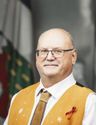
Vince McKay

Vince McKay Hay River South

Thank you, Mr. Speaker. As a member -- an active member of a volunteer ambulance service that was pretty busy back in the day, you know, I was able to form many relationships with doctors and nurses currently in the territories, around the territories, and throughout Canada. You know, I do appreciate the work that's been done to this; however, I do feel for me, it's very Yellowknife focused and very focused on what the issues are in Yellowknife where, for me, if we took care of our regions, if we took care of our communities, the strain on Yellowknife would not be as much as it is. And we not only have to deal with the issues of staffing issues, we also have to deal with the lack of professionals out there that are willing to work full-time, willing to be committed full-time. And I know this firsthand because I know two physicians who work in the city, that live in a city, that locum in the same city, that do not want to work full-time. So these are the things that our government has to deal with all the time, is attracting physicians, attracting people to work, that don't want to work full-time. They want to do locums. They want the freedom to do as they wish. So it's not only always a government issue. We're dealing with HR issues. We're dealing with personal issues, family issues, manager issues. We're dealing with everything. And I commend our health Minister on the work she's been doing. For somebody who bothers her probably on a weekly basis, I feel that, you know, we've come a long ways in the last little while with where we're going with the department of health.

One point I will bring up in here, however, is, you know, just for an example, establishing a licensing body for paramedics. My concern immediately triggers the fact that this would have huge detriments to volunteer ambulance services across the Northwest Territories. And my concern with that would be we would have a bigger strain on our volunteers and on our healthcare system by not being able to provide these services when we're putting more pressures on licensing and governing people that where a majority of the people in the territories are volunteering. So, you know, although I will -- sorry, I'll just leave it at that because I think it's important that, you know, we realize the impacts are not only here but throughout the whole Northwest Territories. Thank you, Mr. Speaker.

Motion 55-20(1): Staffing Solutions to Rebuild and Reform Healthcare Now, Carried
Motions

Page 2509

The Speaker

The Speaker Shane Thompson

Thank you, Member from Hay River South. To the motion. Member from Yellowknife Centre.