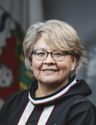
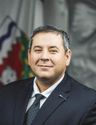
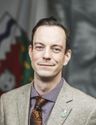
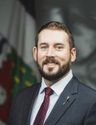
This is page numbers of the Hansard for the 20th Assembly, 1st Session. The original version can be accessed on the Legislative Assembly's website or by contacting the Legislative Assembly Library. The word of the day was housing.

Topics

Members Present

Hon. Caitlin Cleveland, Mr. Edjericon, Mr. Hawkins, Hon. Lucy Kuptana, Hon. Jay MacDonald, Hon. Vince McKay, Mr. McNeely, Ms. Morgan, Mr. Morse, Mr. Nerysoo, Ms. Reid, Mr. Rodgers, Hon. Lesa Semmler, Hon. R.J. Simpson, Mr. Testart, Hon. Shane Thompson, Hon. Caroline Wawzonek, Mrs. Weyallon Armstrong, Mrs. Yakeleya

The House met at 1:30 p.m.

---Prayer or reflection

Prayer Or Reflection

The Speaker

The Speaker Shane Thompson

Please be seated. I'd like to thank MaryJane Cazon for the opening prayer. Ministers' statements. Minister of Environment and Climate Change.

Minister's Statement 194-20(1): Preparedness for 2026 Wildfire Season
Ministers' Statements

Jay MacDonald

Jay MacDonald Thebacha

Mr. Speaker, as the 2026 wildfire season approaches, I would like to provide an update on our government's continued investments in wildfire preparedness and resilience across the Northwest Territories. Building wildfire resilience means investing in our communities so our people can live safely with wildfire and be ready for emergencies.

Over the past year, the government has continued to support FireSmart projects and a wide range of community-based wildfire preparedness initiatives across the Northwest Territories. This work provides an important foundation for protecting our communities and critical infrastructure. This work reflects a commitment to strengthening the coordination of territorial wildfire resources and local fire departments and ensuring communities are well equipped are well equipped and ready to protect people, homes, and critical infrastructure if threatened by wildfire.

Mr. Speaker, supporting community-led action remains central to our efforts. Through my discussions with leaders and frontline staff, it is clear that our partners share the goal of constant improvement which will strengthen wildfire prevention and the capabilities our communities have to respond.

With federal financial support, we invested in 11 FireSmart projects across the NWT. These investments supported wildfire mitigation, equipment purchases, expanded fuel reduction work, enhanced cross-training and planning activities, and they will help communities to be wildfire ready. We have invested in two additional structure protection trailers, bringing the territorial government's total capacity to six trailers, with the ability to protect nearly 200 homes simultaneously. These trailers will be pre-positioned based on wildfire threat assessments and provide additional tools to help protect communities. We are also looking at modular, air portable solutions to support protection efforts for remote communities that are not on the road network.

Mr. Speaker, over the winter, fire personnel have received a range of specialized training, and in the next few months we will once again begin annual training to ensure our frontline responders are fully prepared when the fire season starts.

Community wildfire protection plans are being reviewed and updated for all forested communities in the NWT. The first critical step is hazard and risk assessment work to inform upcoming fuel management projects in the communities. We are advancing interface response plans that detail how we will action a fire with our community partners when a community is threatened.

Mr. Speaker, taken together, these efforts reflect a sustained commitment to safer, more resilient communities in the face of a changing climate. We will continue to invest in our people, and we will continue to prepare so that Northerners are ready for emergencies and the things they care about are protected. Mahsi, Mr. Speaker.

Minister's Statement 194-20(1): Preparedness for 2026 Wildfire Season
Ministers' Statements

The Speaker

The Speaker Shane Thompson

Thank you, Minister of Environment and Climate Change. Ministers' statements. Minister responsible for Housing NWT.

Minister's Statement 195-20(1): Territorial Housing Needs Assessment: Northwest Territories
Ministers' Statements

Lucy Kuptana

Lucy Kuptana Nunakput

Mr. Speaker, today I announce the completion and release of the Territorial Housing Needs Assessment. This report examines housing needs across the Northwest Territories, both now and into the future. It provides the foundation for collaborative action, evidence-based planning, and strong advocacy for increased housing investment across the NWT.

A territorial-wide assessment has not been completed for over 25 years. While Housing NWT has worked with several communities over the years to develop housing needs assessments through the community housing plans initiative, the NWT has not conducted a territorial-wide housing needs study since the year 2000. Completing this assessment addresses a significant gap and provides a detailed report for the whole NWT at a single point in time, allowing for coordinated support.

We must obtain federal investments to address the housing crisis in the NWT. This priority is embedded in the mandate that governs this Legislative Assembly. The completion of this needs assessment is an essential first step towards unlocking federal support. It includes the data and analysis needed for federal funding requests that will help all NWT communities address housing challenges and work toward achieving viable housing solutions throughout the territory.

Mr. Speaker, this report estimates that the NWT has a current need of between 1,700 and 2,700 homes. We will require an additional 771 to 1,030 new homes by 2044, depending on the population growth and projected changes in housing conditions. This does not include the approximately 1,500 units that are either already at the end of their service life or will be by 2044. This is a significant need and highlights the requirement for continued collaboration and investment.

We also know that housing is more than numbers; it is about people's homes. That is why we need to go beyond the statistical data and hear directly from community leaders and residents about the diverse challenges people face with their homes across the territory.

In the summer of 2025, Housing NWT completed extensive engagement with Indigenous and community governments in 20 communities to better understand their unique housing needs. More than 450 residents from almost every community also shared their views through an online survey. This meaningful engagement with community leaders and community input was central to making this report as complete and accurate as possible.

Mr. Speaker, the GNWT and Housing NWT recognize that the housing crisis cannot be solved alone. The Territorial Housing Needs Assessment is an important step in this collaborative process. We look forward to continuing to work with Indigenous governments and community governments to ensure housing solutions are reflective of regional and community needs. This report is not the end; it is a basis for more evidence-based housing solutions. I am encouraged by this progress, and I believe this is an important step toward building stronger communities and improving housing for everyone in the territory. Quyananni, Mr. Speaker.

Minister's Statement 195-20(1): Territorial Housing Needs Assessment: Northwest Territories
Ministers' Statements

The Speaker

The Speaker Shane Thompson

Thank you, Minister responsible for Housing NWT. Ministers' statements. Minister from Municipal and Community Affairs.

Minister's Statement 196-20(1): Planning in Flood Hazard Areas Guide
Ministers' Statements

Vince McKay

Vince McKay Hay River South

Mr. Speaker, I rise today to recognize the ongoing work to ensure community governments have access to resources that can better help them to build resilience against flooding. Last week, the Government of the Northwest Territories launched the Planning in Flood Hazard Areas Guide and released new flood hazard and inundation maps for five communities in the territory. Flood maps have been completed for Aklavik, Fort Simpson, Hay River, K'atlodeeche First Nation, and Nahanni Butte. Flood maps for Fort Good Hope, Fort Liard, Fort McPherson, Jean Marie River, and Tulita will be completed by 2028. The maps were developed with funding from the Government of Canada's flood hazard identification and mapping program.

Mr. Speaker, one of the best ways to prepare for flooding is through community planning. Community governments should proactively plan for flooding, flood mitigation, and flood proofing. While many communities in the Northwest Territories prepare for the possibility of flooding every year, climate change has altered the frequency and severity of flooding. That is why we created the planning guide to assist community governments with incorporating flood hazard maps into community planning and development.

I encourage community governments to incorporate the new flood hazard maps into their planning and development decisions. This will ensure communities are better prepared and more resilient to flooding. It will also make community governments better aligned with the Government of Canada's disaster financial assistance requirements.

Flood maps support emergency preparedness and the GNWT's commitment to ensuring safe communities for Northerners. These maps show the largest historical flood a community has experienced since the water levels were recorded, and they are useful when community governments update their community emergency plans or participate in tabletop exercises to practice their emergency response.

The Planning in Flood Hazard Areas Guide and the advancement of flood mapping in the territory are supported through an interdepartmental effort.

I would like to recognize the staff of the Department of Environment and Climate Change, the Department of Finance Northwest Territories' Centre for Geomatics, and the Department of Municipal and Community Affairs for their work in bringing this project to fruition. Collaborating and engaging with community governments and Indigenous governments has also been crucial during the flood map development process. The success of this initiative demonstrates that, by working together, we can build a stronger, more prepared, and more resilient territory.

Mr. Speaker, we know the Northwest Territories will continue to experience climate-related emergencies, and the best way to be prepared is having strong community plans, land use plans, zoning bylaws, and emergency preparedness plans. The Government of the Northwest Territories is committed to supporting community governments in developing sustainable community plans that meet the needs of residents while addressing the challenges of climate change. The new flood mapping and the Planning in Flood Hazard Areas Guide are significant tools for community governments to ensure their communities and residents are ready for emergencies such as flooding. Thank you, Mr. Speaker.

Minister's Statement 196-20(1): Planning in Flood Hazard Areas Guide
Ministers' Statements

The Speaker

The Speaker Shane Thompson

Ministers' statements. Members' statements. Member from Range Lake.

Member's Statement 961-20(1): Selection Process for Arctic Winter Games
Members' Statements

Kieron Testart

Kieron Testart Range Lake

Mr. Speaker, the 2026 Arctic Winter Games are set to begin next week in Whitehorse, and while I am excited to see all the medals our amazing young athletes, a part of Team NWT, will bring back home to the NWT I am disappointed that one of my constituents won't be able to participate. They weren't kept off the team because of their athletic skill. They never even got a chance to be judged on it. Instead, a minor administrative error kept them from participating. With no appeals process for late or incomplete registration forms, there was seemingly no way to fix it. As a parent, I know how much paperwork kids bring home for school activities and trips, not to mention their own colouring sheets and other things they collect from their friends and their classes at school. The Arctic Winter Games, which means travel away from home communities, naturally has a lot of forms to fill out. Even the most responsible teenagers sometimes miss a step, and we parents are used to often stepping in to help. In this case, one Range Lake family was unaware that signatures were required on a specific document before the athlete was confirmed on the team. The rest of their forms were completed on time and in good faith, but this one oversight -- and I will stress that, Mr. Speaker -- one form prevented this young athlete from participating with their peers in an event that is often the highlight of sports in a young athlete's teenage years.

This outcome is not in the best interests of the Arctic Winter Games, young athletes, or our government's stated goals of promoting inclusion, sport, and healthy youth development. When I raised this issue with the Minister of MACA, the decision was upheld without any consideration for these circumstances. I was not asking to set a new precedent or to break any rules, just for reasonable accommodation in light of the absence of a fair appeals process, to ensure this young person had the opportunity to participate in games that are a cherished part of our culture in northern Canada.

Mr. Speaker, our young athletes deserve better. We need proper procedures to ensure that passion and dedication, not a missed signature, determine participation in the Arctic Winter Games.

I expect more leadership from this Minister to support northern families and young people. Our youth should be judged on their skills and if their paperwork is incomplete, they should not be left at the mercy of incomplete policies. Thank you, Mr. Speaker.

Member's Statement 961-20(1): Selection Process for Arctic Winter Games
Members' Statements

The Speaker

The Speaker Shane Thompson

Thank you, Member from Range Lake. Members' statements. Member from Frame Lake.

Member's Statement 962-20(1): Territorial Housing Needs Assessment
Members' Statements

Julian Morse

Julian Morse Frame Lake

Thank you, Mr. Speaker. Mr. Speaker, MLAs and the public received the territorial housing needs assessment. I want to compliment the Minister and department on getting this done. We know this document is what we needed to take our next steps on addressing housing needs in the territory. As the assessment states itself, this gives us data-driven requests to bring to the federal government and ensure that we have long-term investment into our housing continuum in the areas where the most need has been identified. The assessment speaks for itself. The need is massive, and I don't think that comes as a surprise to anyone, certainly not in this building. I want to draw a few items from the highlights in the document, which I think are particularly notable, for this Assembly.

There is limited housing availability across all areas of the housing spectrum. The availability of non-market and affordable rental housing in particular is limited, especially housing designed for singles and small families. With more than 800 households on the waiting list for public housing across the NWT, there remains significant demand for lower-income, non-market housing. To put that in plain language, we need to increase our public housing stock to reduce this waitlist.

There is a significant need for transitional housing across the territory, and particularly in the regional centres, to offer pathways from homelessness to other forms of housing. Mr. Speaker, we've made some good strides on that, and I am very excited about the recent announcement making transitional housing permanent at Rock Hill.

Perhaps the one I find the most frustrating is that the report highlights that land availability continues to be a limiting factor to housing development due to lack of developed residential land and often complex processes for acquiring land to develop. While some of the areas I've highlighted require significant investment and help from the federal government to fully address, the land barrier is something which is entirely within our control, so I want to ensure that the commitments in this budget to more staffing and addressing timelines in the process more directly, as we discussed in Committee of the Whole, will mean we get out of our own way.

Overall, Mr. Speaker, I want to be clear today that while we need federal investment, I am committed to ensuring that we continue to put territorial investment on the table as well, as this Assembly has done and the next Assembly will need to do. Thank you, Mr. Speaker.

Member's Statement 962-20(1): Territorial Housing Needs Assessment
Members' Statements

The Speaker

The Speaker Shane Thompson

Thank you, Member from Frame Lake. Members' statements. Member from Great Slave.

Member's Statement 963-20(1): Pathfinding Supports for Residents with Disabilities
Members' Statements

Kate Reid

Kate Reid Great Slave

Thank you, Mr. Speaker. Today I want to echo the comments of my colleague from Frame Lake from earlier in this sitting, that the government needs better pathfinding supports for our residents with disabilities. There are numerous supports that exist in social envelope departments but without taking up my allotted time to list them all, I know I could effectively argue that considerations for folks with disabilities touches on every Minister in each portfolio, as well as statutory officer responsibilities.

Approximately one quarter of NWT residents have a disability. I am concerned without overarching targeted ministerial oversight that disability issues and holistic improvements to GNWT programs that serve disabled residents will suffer without a common thread or strategic approach that considers disability in a whole of government way. The disability action plan final report was tabled at the end of the 19th Assembly in 2023. I believe the Minister of health is now responsible for the disability strategic framework that expires in 2027, but no word if that will be renewed. When the affirmative action policy was rescinded, the preferential hiring in the GNWT for people with disabilities ended with no bridging actions to the next purported policy initiative, which has not yet come to standing committee for review despite my continued nudging.

When the standing committee pushes forward yet another annual recommendation of the human rights commissioner to create accessibility legislation, the GNWT, in essence, replies, sorry, can't make that happen.

Mr. Speaker, if folks hear nothing else from my statement today, let it be this: Every person with a disability or multiple disabilities has unique needs as well as aspirations. Many disabilities are invisible, and we should all strive to understand where our neighbours are coming from. All disabilities can and should be considered thoughtfully, compassionately, across government, in partnership with advocates and non-profits who tirelessly work for residents in this space, and ideally with a Minister responsible that champions all aspects of their lived experience. Mr. Speaker, I will have questions for the Premier at the appropriate time.

Member's Statement 963-20(1): Pathfinding Supports for Residents with Disabilities
Members' Statements

The Speaker

The Speaker Shane Thompson

Thank you, Member from Great Slave. Members' statements. Member from the Sahtu.

Member's Statement 964-20(1): 2026 Prospectors and Developers Association of Canada (PDAC) Conference
Members' Statements

Daniel McNeely

Daniel McNeely Sahtu

Thank you, Mr. Speaker. Mr. Speaker, my recent attendance to the Prospectors and Developers Association of Canada conference in Toronto, we witnessed considerable enthusiasm and excitement regarding new funding mechanisms to support critical mineral projects, funding specifically designed to de-risk capital investment. A joint memorandum of understanding underscored a clear message: The resource development opportunity for the North is now.

Yesterday's announcement from the Government of Canada substantiates this commitment. I refer to the $5 billion allocated to the trade diversification corridors fund and the $1 billion to the Arctic infrastructure fund. These are substantial investments targeted at addressing the infrastructure deficits that have constrained our territory's economic potential for decades.

Mr. Speaker, these funds directly address the infrastructure challenges that render resource projects prohibitively risky for private capital. These federal programs fundamentally alter that.

Mr. Speaker, the trade diversification corridors fund focuses on strengthening supply chain capacity, reviving transportation bottlenecks, and addressing infrastructure gaps that limit market access for critical minerals in the NWT entertain a conceptual approach, supplier only, and process in Canada's southern jurisdictions. The Arctic infrastructure fund addresses the unique challenges of northern development, the transportation links that enable economic development and market access, community scoping costs, Indigenous-led infrastructure solutions.

Mr. Speaker, the calls for proposals are now open. The federal government has committed substantial capital to de-risk infrastructure investments. The Northwest Territories must now bring forward the projects through the applications that will define our economic future and secure prosperity for the residents. Later, Mr. Speaker, I will have questions for the Ministers.

Member's Statement 964-20(1): 2026 Prospectors and Developers Association of Canada (PDAC) Conference
Members' Statements

The Speaker

The Speaker Shane Thompson

Thank you, Member from the Sahtu. Members' statements. Member from Mackenzie Delta.

Member's Statement 965-20(1): Internal Operations of Local Housing Authorities in Mackenzie Delta Region
Members' Statements

George Nerysoo

George Nerysoo Mackenzie Delta

Thank you, Mr. Speaker. Today, I wish to formally express my concern regarding the internal operations of the housing authorities in my riding. Specifically, I am concerned that the working relationship between the local housing boards and their staff is not always functioning in a manner that best serves the housing clients they are mandated to support. There appears to be instances where direction issued by the local boards is either not clearly understood or not fully implemented by the staff responsible for executing board-approved decisions. In certain situations, board motions are not carried out as directed, resulting in staff assuming decision-making authority that properly rests with the board. This has contributed not only to tension between board members and staff but also begun to adversely impact housing clients, creating uncertainty and confusion for those affected. It is not the intent of the housing authority staff to make decisions on behalf of the board. Clear governance structure, adherence to board directions, and respect for established rules are essential to ensuring accountability and integrity of the housing authority's mandate.

Mr. Speaker, it should be clear that the board has the authority to make final decisions on client files and without interference from staff and that where policy creates indecision and uncertainty, housing boards can use their own discretion to determine the individual client's outcome. The housing policy's guide to follow on can be interpreted to mean different things based on the housing client's situation.

Mr. Speaker, the local housing boards have the power through policy to exercise their housing policies in a way that assists and helps clients seeking suitable housing. They need to be reminded that the decisions are final and that in no way can staff represent decision-making on their own behalf, and final housing needs and services rest solely with the boards to define. Board power should include the ability to change housing policy where and when required to meet client needs in ever-changing client environments. Thank you, Mr. Speaker. I will have questions at the appropriate time.

Member's Statement 965-20(1): Internal Operations of Local Housing Authorities in Mackenzie Delta Region
Members' Statements

The Speaker

The Speaker Shane Thompson

Thank you, Member from the Mackenzie Delta. Members' statements. Member from Yellowknife North.

Member's Statement 966-20(1): Territorial Housing Needs Assessment
Members' Statements

Shauna Morgan

Shauna Morgan Yellowknife North

Mr. Speaker, it's overwhelming. I am thankful for the enormous amount of work that went into the territorial housing needs assessment, but its conclusions are overwhelming. The NWT has a housing deficit of up to 2,700 homes, and that's just to address current needs. Within the next 20 years, we will need another thousand new homes. 71 percent of households in core need are Indigenous. 30 percent of these households are led by single mothers.

Now, this government has done more than many past assemblies on the housing front. We've agreed to $150 million in new investment for Housing NWT and have more transitional housing underway than ever before, both for those coming out of addictions treatment in Yellowknife and Inuvik, and for those coming out of homelessness. But it all seems like a drop in the bucket compared to the need. How do you keep going with good initiatives once you realize how very far you still have to go? How do you keep up the motivation and the momentum?

As an Assembly, we've chosen big priorities: housing, health care, workforce development, the economy. It's easy to list off how many things are going wrong. The first step is usually to get mad and blame someone. The hard part is trying to take action to change things. You pull on one thread and suddenly you are buried in balls of yarn all tied up with those threads. Once we start seeing how big and how complicated the problems are, they're all tied to colonialism, poverty, trauma, racism. There's an understandable instinct to become cynical and defeatist. If we can't do everything, then what's the point of improving just one thing? And if you try to improve one thing, you risk putting a target on your back. How dare you change this but not this other thing that I wanted. It's never going to be enough to satisfy people or meet the whole need so might as well just keep muddling through.

Let's take the opportunity, Mr. Speaker, to look for the critical steps that could start a virtuous cycle of cascading improvements. Let's look for every opportunity to support people in helping themselves, every opportunity to prevent damage and ensure housing is built to last longer. Mr. Speaker, I am not naive to the scale of our challenges but I refuse to be defeatist or get tangled up in the overwhelm. Thank you, Mr. Speaker.

Member's Statement 966-20(1): Territorial Housing Needs Assessment
Members' Statements

The Speaker

The Speaker Shane Thompson

Thank you, Member from Yellowknife North. Members' Statement. Member from Inuvik Boot Lake.

Member's Statement 967-20(1): Markets for Liquefied natural Gas
Members' Statements

Denny Rodgers

Denny Rodgers Inuvik Boot Lake

Thank you, Mr. Speaker. Mr. Speaker, in my Member's statement yesterday I asked the Premier about his meeting last week with the IRSC representatives around liquefied natural gas, and I know, Mr. Speaker, that the Minister also met with the IRSC representatives.

Mr. Speaker, the Prime Minister has been in Asia over the past week. Before he arrived in India, India's High Commissioner to Canada told the media that India wants to buy any energy product it can from Canada. The Beaufort Delta has the energy resources to help Canada become an energy superpower, which the Prime Minister identified as a generational challenge in his mandate letter.

Mr. Speaker, with what's happening globally right now, with what's happening on the energy front globally, we've seen in the media our federal minister taking calls around Canada's energy, things, comments like how quickly we can produce or how quickly we can certainly start looking at our resources. The time, Mr. Speaker, has never been better. And we talk about meeting the moment. It's time that we look at all significant discovery license holders in the Northwest Territories. It's time to pull these meetings together with Indigenous governments, with our government, with the federal government, to signal to them that indeed we are open for business, that we certainly can be an energy superpower here in the North, as we likely should have been many years ago when the Mackenzie Valley pipeline was first proposed, Mr. Speaker. So I will have some questions for the Minister of ITI around where we are with our strategic energy plan. Thank you.

Member's Statement 967-20(1): Markets for Liquefied natural Gas
Members' Statements

The Speaker

The Speaker Shane Thompson

Thank you, Member for Inuvik Boot Lake. Members' statements. Member for Monfwi.

Member's Statement 968-20(1): Land Leasing Policy and Bequeathments
Members' Statements

Jane Weyallon Armstrong

Jane Weyallon Armstrong Monfwi

Thank you, Mr. Speaker. Mr. Speaker, today I want to speak about fairness in our land lease system, and how it is affecting families and elders in our communities.

Mr. Speaker, in Tlicho region, many residents live on land they lease from their community governments. Families build homes, raise children, and spend their entire life on these lands. Yet the structure of our land lease system is creating real financial pressure. I know that the Minister is going to say this is community government, band, hamlets, or villages' responsibility. I can't tell them what to do. I know that's what he's going to say. But this needs to be addressed as MACA funds 33 communities across Northwest Territories.

Mr. Speaker, when a leaseholder passes away, a formal legal process is required for the lease to be transferred to their children. That process can be complex and expensive. I have heard from my constituents who have been quoted tens of thousands of dollars in legal fees to settle this issue. For many families, those costs are far beyond what they can afford. Mr. Speaker, in these circumstances this is simply not acceptable. We need practical reform to simplify the process so that transferring a land lease to the next generation does not require such extensive legal assistance.

Similar questions of fairness arise when we look at our elders. Across the Northwest Territories, residents become eligible for property tax relief at age 65; however, this relief does not extend to leased land where many of our elders in Tlicho communities live and continue to pay their land lease fees in full. Mr. Speaker, access to programs intended to support seniors should not depend on the land tenure system of a person's community. Mr. Speaker, can I have unanimous consent to conclude my statement. Thank you.

Mr. Speaker, seniors should have equal access to support programs regardless of where they live. Families and elders across our communities deserve a system that is fair, equitable, and does not create unnecessary financial hardship. Masi, Mr. Speaker. I will have questions for the Minister of Municipal and Community Affairs. Thank you.

Member's Statement 968-20(1): Land Leasing Policy and Bequeathments
Members' Statements

The Speaker

The Speaker Shane Thompson

Thank you, Member for Monfwi. Members' statements. Member from the Dehcho.

Member's Statement 969-20(1): Solutions to Educate People (STEP) Program
Members' Statements

Sheryl Yakeleya

Sheryl Yakeleya Deh Cho

Mahsi, Mr. Speaker. Mr. Speaker, today I am calling for the reinstatement of the solutions to educate people program, known as STEP, a practical, made-in-the-north set of courses that equip residents with the financial literacy, home purchase knowledge, and basic home maintenance and repair skills needed to be successful homeowners. STEP formed part of the housing choices suite that was open to applicants and, where space allowed, to other residents through district offices.

Mr. Speaker, today residents can find information about current homeowner repair programs from seniors aging in place to preventative maintenance, yet the education and counselling function that STEP provided is no longer listed among the supports available to the public. This is a gap.

While we continue to invest in repairs and emergency responses, we have stepped back from the frontline education that helps households prevent problems and manage the responsibilities of ownership in the first place. Reinstating STEP would be cost-effective, community-based intervention. It prepares homeowners to succeed, reduces preventable repair needs, and supports long-term asset sustainability by teaching residents how to maintain their home. It also aligns with our commitment to self-reliance and affordability, meeting people where they are with practical tools that work in northern realities.

Mr. Speaker, I urge Housing NWT to restore STEP in partnership with Indigenous governments, local housing organizations, adult educators, and community partners offering flexible delivery, culturally grounded content, and recognized certificates of completion. Let's pair financial support with skills and knowledge so Northerners can keep their homes safe, resilient, efficient for years to come. I will have questions for the Minister responsible for housing at the appropriate time. Mahsi, Mr. Speaker.

Member's Statement 969-20(1): Solutions to Educate People (STEP) Program
Members' Statements

The Speaker

The Speaker Shane Thompson

Thank you, Member from the Dehcho. Members' statements. Member from Tu Nedhe-Wiilideh.

Member's Statement 970-20(1): Territorial Housing Needs Assessment
Members' Statements

Richard Edjericon

Richard Edjericon Tu Nedhe-Wiilideh

Mr. Speaker, last fall the federal government launched the Build Canada Homes initiative, committing $13 billion to kick start a massive effort to build affordable, transitional, and supportive housing across Canada as quickly as possible. With housing needs across Canada so high, every level of government from coast to coast to coast is scrambling to get their share. But nowhere are housing needs more important than in our small communities and remote communities in the Northwest Territories. And the recent housing needs assessment makes this housing crisis clear. But the challenge for our communities is to access Build Canada Homes funding is that while Housing NWT can submit a large-scale, highly detailed proposal, each of our communities are on their own. As a result, the territorial government has the advantage and they will use it to get this funding for themselves and continue to keep the access to housing behind policies. They don't work for our people.

Indigenous communities should be able to lead their own housing projects while still complementing territory efforts through the Build Canada Homes. Our communities could deliver Indigenous-led, mixed income, and affordable housing tailored to the local needs while Housing NWT continues broader territorial and social housing initiatives.

To level the playing field, our communities need an office to coordinate their submissions from across the NWT into a single proposal. It is clear that the Dene Nation was best suited for this role and is already establishing a housing secretariat.

In my budget, I asked for $700,000 to support this work but it was refused. When I raised this with the Minister, she refused to sit down with the Dene Nation chief and to look for collaboration to address this issue. The future of the housing of the Northwest Territories, like the delivery of most programs and services, is with community leaders and yet, through Housing NWT, federal funding through CMHC is set to end in 2038.

This colonial government sees this initiative as a short-term opportunity to take our funding while still refusing to honour our treaties. Our communities, on the other hand, see Build Canada Homes as an opportunity to build their capacity but they need a place to start. I will have questions for the Minister later today. Thank you, Mr. Speaker.

Member's Statement 970-20(1): Territorial Housing Needs Assessment
Members' Statements

The Speaker

The Speaker Shane Thompson

Thank you, Member from Tu Nedhe-Wiilideh. Members' statements. Member from Yellowknife Centre.

Member's Statement 971-20(1): Government Accountability
Members' Statements

Robert Hawkins

Robert Hawkins Yellowknife Centre

As the clock ticks away in this Assembly, Mr. Speaker, public service hiring must continue without reproach. So I rise today to speak about a single, non-negotiable value; it's called a public trust.

As this Assembly slips into the darker days, into the final days, with 579 days approximately left, our duty to the people of the North doesn't sunset. It actually intensifies. We know that the machinery government will require talent. I don't doubt that for a second. But we also know it requires speed at times, and direct appointments often are designed for those moments of urgent need.

Mr. Speaker, but let's be clear. Direct appointments should be always considered as the exception of the rule where someone will skip the line, bypass competition, and bypass the typical process to get one of those coveted GNWT jobs. Mr. Speaker, sometimes that bypass process steps across or beyond the principle of merit.

Many of us have seen, at the 11th hour of the mandate of the current government and previous governments, how the pace quickens and pressure mounts to do these last-minute decisions and people get tempted by making these choices. It is precisely these moments, Mr. Speaker, when the transition begins, that our decisions require more scrutiny, not less. And that is why I am advocating for a clear, commonsense safeguard, that in the final six months of this Assembly direct appointments must carry the support of caucus. It's unusual, but it's important. It is not about creating red tape, Mr. Speaker. It's about sharing accountability. Because we are here to ensure that those appointments made, even on the eve of the next coming election, they carry the confidence of many, not just those special few and the secrets of Cabinet around the table.

In a consensus government system, collaboration is intended to be the foundation of the work we do. So no one's suggesting that we -- caucus does the work, but we treat it as a safeguard to safeguard its integrity. It helps prevent the perception of political favours and the impartiality of the public service we all need and trust upon. Mr. Speaker, I am calling for transparency, not just expediency; the quality that northern people deserve. Thank you, Mr. Speaker.

Member's Statement 971-20(1): Government Accountability
Members' Statements

The Speaker

The Speaker Shane Thompson

Thank you, Member from Yellowknife Centre. Members' statements.

Member's Statement 972-20(1): Improved Access to Care in the Dehcho Region
Members' Statements

Shane Thompson

Shane Thompson Nahendeh

Colleagues, today it gives me great pleasure to do this Member's statement. Improving access to health and social services is a priority of this Assembly, and it matters to the health and well-being of people across the Northwest Territories.

In the Nahendeh riding, people have faced real challenges getting the care they needed. This region has more health cabins than any other region in the NWT. That means residents of Nahendeh often face bigger barriers to primary care simply because of where they live. These health cabins are supported by community health workers, dedicated local people who are often the first place residents turn when they need help. They work closely with nurses and play a key role in everyday care and in emergencies. Providing care in these small and remote communities is very different from accessing care in places like Yellowknife or larger regional centres.

I believe it is important to speak up when there are problems, but it is just as important to recognize progress when it is happening. That is why today I would like to thank the Minister of Health and Social Services, the department, and the Northwest Territories Health and Social Services Authority, and acknowledge the good work they are doing to improve access to care in the Nahendeh riding.

Over the past several months, NTHSSA, with support from the department's community, culture and innovation unit, took a closer look at the gaps and challenges in health cabin communities. Staff spent time in these remote communities to better understand the conditions of the health cabins and the day-to-day realities people face when they need care. Thanks to this time, improved training plans for the CHW has occurred to help improve their skills. I can tell you in talking with the CHWs, they are greatly appreciative of this new focus.

Since December, a new pilot has been launched with two nurse practitioners sharing a role to support cabin communities. They provide a mixture of virtual care and in-person care with flexibility response to urgent needs. Community health workers are also receiving new tools and regular training to strengthen the care they provide. Early results are positive, with more appointments and more people being seen.

This work is about making sure people get the care they need closer to home and surrounded by family, culture, and communities. I want to recognize the good work being done in the Nahendeh riding, and I look forward to continued work with the Minister and her department and the NTHSSA as work moves forward. And thank you on behalf of the residents. Members' statements.

Returns to oral questions. Recognition of visitors in the gallery. Acknowledgements. Oral questions. Member from Inuvik Boot Lake.

Question 1153-20(1): Advancing Liquid Natural Gas Production in the Beaufort Delta
Oral Questions

Denny Rodgers

Denny Rodgers Inuvik Boot Lake

Thank you, Mr. Speaker. Mr. Speaker, to quote one of my favourite movies, the table is all set. We have our knife. We have our fork. We have our sauce. We need the steak, Mr. Speaker. My questions are for the Minister of ITI.

Can I get an update on what the next steps for GNWT to engage with IRC around LNG and what steps they may take together to advance this incredible resource for development and export? Thank you, Mr. Speaker.

Question 1153-20(1): Advancing Liquid Natural Gas Production in the Beaufort Delta
Oral Questions

The Speaker

The Speaker Shane Thompson

Thank you, Member from Inuvik Boot Lake. Got that right. Minister of ITI. I know you're all excited and jumped up, ready to go. Here we go.

Question 1153-20(1): Advancing Liquid Natural Gas Production in the Beaufort Delta
Oral Questions

Caitlin Cleveland

Caitlin Cleveland Kam Lake

Thank you, Mr. Speaker. Mr. Speaker, as far as next steps are, I would like the opportunity to sit down directly one-on-one with Chair Elias with the IRC. From there, Mr. Speaker, we've got multiple significant discovery license holders that sit on top of the Mackenzie Delta LNG field, and that is a great opportunity for us to be able to sit down with them because next steps really is a feasibility study that needs to be done on this work. Thank you.

Question 1153-20(1): Advancing Liquid Natural Gas Production in the Beaufort Delta
Oral Questions

Denny Rodgers

Denny Rodgers Inuvik Boot Lake

Thank you, Mr. Speaker. And thank you for that. Yes, I know the Minister has heard me quote many times the 2021 MD LNG report that was tabled in this House.

On engagement, Mr. Speaker, how does ITI engage with our federal partners so they, Mr. Speaker, understand the opportunity with the Mackenzie Delta LNG to meet the Prime Minister's goal to double non-U.S. exports by 2035? Thank you.

Question 1153-20(1): Advancing Liquid Natural Gas Production in the Beaufort Delta
Oral Questions

Caitlin Cleveland

Caitlin Cleveland Kam Lake

Thank you very much, Mr. Speaker. So, Mr. Speaker, how do we engage with the federal government? We talk to Ministers quite often that are our counterparts. In regards to the Minister for NRCan, I've made sure, along with my colleague, the Minister of strategic infrastructure, to ensure that that federal minister has access to that study. Sorry, I am talking too fast. The Members got me all excited, Mr. Speaker.

So we make sure that the Ministers have copies of that pre-feasibility study. We also make sure that our own MP, MP Alty, has copies of that study as well so that when these conversations do come up at the federal level, we've got multiple people that can bring this forward and make sure that it's top of mind.

We make sure also that, given we meet with these people annually, that we share that information again with them annually and let them know what are some of the next steps that need to happen in order to continue to push this project forward. Thank you.

Question 1153-20(1): Advancing Liquid Natural Gas Production in the Beaufort Delta
Oral Questions

The Speaker

The Speaker Shane Thompson

Thank you, Minister of ITI. Final supplementary. Member from Inuvik Boot Lake.

Question 1153-20(1): Advancing Liquid Natural Gas Production in the Beaufort Delta
Oral Questions

Denny Rodgers

Denny Rodgers Inuvik Boot Lake

Thank you, Mr. Speaker. And if the Minister is excited, I am excited, Mr. Speaker. I am always excited to speak LNG and our potential.

I mentioned in my Member's statement about the comments made from the High Commissioner of India and understanding that we do promote nationally with our federal government, how does or do we have a reach internationally? Do we promote the Mackenzie Delta LNG to international investors, Mr. Speaker.

Question 1153-20(1): Advancing Liquid Natural Gas Production in the Beaufort Delta
Oral Questions

Caitlin Cleveland

Caitlin Cleveland Kam Lake

Thank you, Mr. Speaker. Mr. Speaker, the answer is yes. We've had a number of visits, even here in the Northwest Territories, from ambassadors from around the world. We also, when we travel, make sure that we're reaching out to specific ambassadors and also consul generals and having meetings with them. Upcoming here at the Arctic Energy and Resource Symposium in Calgary, we will be sitting down specifically with businesses to ensure that they also have the information they need and doing a technical briefing with them that involves the pre-feasibility study and making sure that we are informing people of the work that we've already done and the opportunity that exists in the Northwest Territories.

Question 1153-20(1): Advancing Liquid Natural Gas Production in the Beaufort Delta
Oral Questions

The Speaker

The Speaker Shane Thompson

Thank you, Minister of ITI. Oral questions. Member from Range Lake.

Question 1154-20(1): Arctic Winter Games Participation and Application Process
Oral Questions

Kieron Testart

Kieron Testart Range Lake

Thank you, Mr. Speaker. Mr. Speaker, refusing to allow slight accommodations for late paperwork not only excludes individual children from sport but also goes against the best interests of youth and the spirit of the Arctic Winter Games. How does the Minister of Municipal and Community Affairs justify upholding a decision that penalizes kids rather than supporting their participation? Thank you, Mr. Speaker.

Question 1154-20(1): Arctic Winter Games Participation and Application Process
Oral Questions

The Speaker

The Speaker Shane Thompson

Thank you, Member from Range Lake. Minister of Municipal and Community Affairs.

Question 1154-20(1): Arctic Winter Games Participation and Application Process
Oral Questions

Vince McKay

Vince McKay Hay River South

Thank you, Mr. Speaker. Unfortunately, I am not involved in the process of all these applications, and there is an application process in place, like anything else that we do in this world, whether we're applying for passports or any other documents. At times you don't fill out the forms properly, they're denied. And the reality is, is with this process here, we're following Safe Sport. There's a bunch of processes behind that to make sure that all the athletes are filling out the documents, like the code of conduct and everything like that. So when the application process was put out, everybody had the opportunity to fill out these forms and at times, when certain things were missed, residents were contacted a few times to make sure that they fill out these documents. Thank you, Mr. Speaker.

Question 1154-20(1): Arctic Winter Games Participation and Application Process
Oral Questions

Kieron Testart

Kieron Testart Range Lake

Thank you, Mr. Speaker. Well, these residents that I represent were not told that they missed something and that they could fix it. That's the exact problem we have.

Given that the decision to not step in and find a way to allow this young person to participate in the games effectively barred this young athlete from participating in the Arctic Winter Games, why did the Minister, or through their office of course, not through his personal capacity, but why did the Minister not exercise oversight, as he just mentioned, to prevent this unfair outcome for my constituent? Thank you, Mr. Speaker.

Question 1154-20(1): Arctic Winter Games Participation and Application Process
Oral Questions

Vince McKay

Vince McKay Hay River South

Thank you, Mr. Speaker. There's over seven -- you know, roughly about 700 athletes that went to tryouts. There's roughly 350-some athletes going to Arctic Winter Games. And, you know, everybody had the opportunity and fairness to apply for these positions for Arctic Winter Games. And if I was to bend the rules for every individual that were late essentially, then I would be giving out -- or taking away opportunities from other individuals who followed the rules. So, Mr. Speaker, the beginning of October was opening, end of November, November 30th was closing of the registration, and there's a lot of time there for people to get these applications in and fill them out properly. Thank you, Mr. Speaker.

Question 1154-20(1): Arctic Winter Games Participation and Application Process
Oral Questions

The Speaker

The Speaker Shane Thompson

Thank you, Minister of Municipal and Community Affairs. Final supplementary. Member from Range Lake.

Question 1154-20(1): Arctic Winter Games Participation and Application Process
Oral Questions

Kieron Testart

Kieron Testart Range Lake

Thank you, Mr. Speaker. These are kids and their families; these are not people filling out passport applications or opening bank accounts, Mr. Speaker.

Mr. Speaker, given that the Minister is not inclined to exercise any kind of oversight to fix this, it seems like we need a more systemic approach. So will the Minister work with Sport North to ensure that there's an appeals process in for when one form wasn't signed, Mr. Speaker -- every other form is signed, one isn't -- can he commit to a process that will ensure errors like this will be caught, can be resolved in a way that ensure no child is unfairly barred from participating in a future Arctic Winter Games event? Thank you, Mr. Speaker.

Question 1154-20(1): Arctic Winter Games Participation and Application Process
Oral Questions

Vince McKay

Vince McKay Hay River South

Thank you, Mr. Speaker. I cannot ask the Department of Municipal and Community Affairs or Sport North to be responsible for every parent's application or kid's application when they put in for Sport North or for Arctic Winter Games or anything else like that. However, Mr. Speaker, as I said earlier, you know, there is a process to be filling out these forms. There was a few incidents where people were contacted when they weren't done properly and given the opportunity to correct those; however, again, those weren't acted on by the people who filled out the forms. I can't help that, Mr. Speaker; however, I will say that I have I spoke to Sport North and the Indigenous Sports Circle, and I have asked for a review on some of our processes there. Thank you, Mr. Speaker.

Question 1154-20(1): Arctic Winter Games Participation and Application Process
Oral Questions

The Speaker

The Speaker Shane Thompson

Thank you, Minister of Municipal and Community Affairs. Oral questions. Member from Great Slave.

Question 1155-20(1): Supports for Residents with Disabilities
Oral Questions

Kate Reid

Kate Reid Great Slave

Thank you, Mr. Speaker. Mr. Speaker, the 2017-2027 NWT Disability Strategic Framework has four goals, one of which is a shared commitment to coordination and collaboration through a whole-of-government approach and across non-government disability partners.

So if this is a whole-of-government goal, Mr. Speaker, I am hoping that the Premier can elaborate if there is ongoing collaboration both within government and with NGOs to improve research, analysis, evaluation, and reporting on disability issues. Thank you, Mr. Speaker.

Question 1155-20(1): Supports for Residents with Disabilities
Oral Questions

The Speaker

The Speaker Shane Thompson

Thank you, Member from Great Slave. Mr. Premier.

Question 1155-20(1): Supports for Residents with Disabilities
Oral Questions

R.J. Simpson

R.J. Simpson Hay River North

Thank you, Mr. Speaker. And I understand there is collaboration ongoing. I can speak directly to my portfolio with the service integration initiative. We are sharing more -- we are working with NGOs to share information about specific clientele, and that is currently only focused on the homeless population. But nonetheless, we can get information through there about status of persons with disabilities. But that being said, that is the one department. To see what's going on across the rest of government, I will need to take this back and get some more information, and I am happy to do that and provide it to the Member. I think it's important that we gather that information and make it available, so I will be doing that for the Member. Thank you.

Question 1155-20(1): Supports for Residents with Disabilities
Oral Questions

Kate Reid

Kate Reid Great Slave

Thank you, Mr. Speaker. And thank you to the Premier. With the same whole-of-government lens, then, can the Premier confirm whether the Assembly could anticipate a renewal or a re-imagining of the said NWT disability strategic framework or any future disability action plans that look at the whole-of-government lens? Thank you, Mr. Speaker.

Question 1155-20(1): Supports for Residents with Disabilities
Oral Questions

R.J. Simpson

R.J. Simpson Hay River North

Thank you, Mr. Speaker. The framework is under the purview of the Department of Health and Social Services. It runs until 2027. And, of course, because a framework has a date in its title doesn't mean that we just throw it out the window come 2028. So the ideas, the pillars in that framework, are still valid going forward. There's not currently a plan, from what I understand, to develop the next generation of framework. That being said, it does run for -- until the end of 2027. So we have a couple more years. So thank you, Mr. Speaker.

Question 1155-20(1): Supports for Residents with Disabilities
Oral Questions

The Speaker

The Speaker Shane Thompson

Final supplementary. Member from Great Slave.

Question 1155-20(1): Supports for Residents with Disabilities
Oral Questions

Kate Reid

Kate Reid Great Slave

Thank you, Mr. Speaker. I appreciate the Premier's previous commitment to the House to assess whether pathfinding for disability-related programs and services could be a future focus for integrated service delivery. I am curious, can the Premier also explain whether he sees value for overarching policy approach on disability across the whole of government. Thank you.

Question 1155-20(1): Supports for Residents with Disabilities
Oral Questions

R.J. Simpson

R.J. Simpson Hay River North

Thank you, Mr. Speaker. Yes, I think that there are certain things where we do need an all-of-government approach. It's important that all of the departments, when making decisions, are aware that this is an important issue to the Legislative Assembly, to the people of the territory. So I definitely see the value of it, which is why we have the framework. And the Member's questions really have sparked my interest in this so I will be looking at this going forward and looking at what we can do to ensure there is more consistency. We do do a lot across government. That being said, I find things can often be fragmented. So I agree, there is value in having a strategic framework. Thank you.

Question 1155-20(1): Supports for Residents with Disabilities
Oral Questions

The Speaker

The Speaker Shane Thompson

Thank you, Mr. Premier. Oral questions. Member from Mackenzie Delta.

Question 1156-20(1): Local Housing Authoriites' Roles and Responsibilities
Oral Questions

George Nerysoo

George Nerysoo Mackenzie Delta

Thank you, Mr. Speaker. This goes to my Member's statement earlier in regards to the housing boards in the communities. There has to be a mechanism in place where the clients can go to the place to have their specific needs looked at instead of coming directly to me. I don't mind them coming to me, but there should be a mechanism in place at the community level where they can have their concerns addressed instead of going directly to the housing staff and getting the same answer. Maybe their workload is -- I feel is more. So the housing boards can have a bigger impact and better access to these needs of the community. And how can the department ensure that the local housing staff are following the local housing board's decisions? Thank you, Mr. Speaker.

Question 1156-20(1): Local Housing Authoriites' Roles and Responsibilities
Oral Questions

The Speaker

The Speaker Shane Thompson

Thank you, Member from Mackenzie Delta. Minister responsible for Housing NWT.

Question 1156-20(1): Local Housing Authoriites' Roles and Responsibilities
Oral Questions

Lucy Kuptana

Lucy Kuptana Nunakput

Thank you, Mr. Speaker. Thank you to the Member for the question. This is the type of question we get throughout the Northwest Territories on the relationship between the local housing authority and the board staff and also all the tenants within the community. Important question because the relationship has become more so where we're finding that the authorities are more responding to the districts, and I see it in many of the BFs that are issued to the Minister. And I think, again, we have to go back to the housing staff and the districts and also the authorities and just make sure that everybody's working in partnership and we're administering the community housing services agreement at the local level, and we're administering it properly. Thank you, Mr. Speaker.

Question 1156-20(1): Local Housing Authoriites' Roles and Responsibilities
Oral Questions

George Nerysoo

George Nerysoo Mackenzie Delta

Thank you, Mr. Speaker. It would be much easier if a tenant goes to the local housing authority board and expresses his concerns so they can go directly to the staff and have their concern addressed, but it's just not working for some reason. How hard is it to change the housing policy to reflect the needs of the community and those wanting to make change in terms of the board and the tenants? Thank you, Mr. Speaker.

Question 1156-20(1): Local Housing Authoriites' Roles and Responsibilities
Oral Questions

Lucy Kuptana

Lucy Kuptana Nunakput

Mr. Speaker, I think in terms of the policy, it's about the implementation of the policy and how we're affecting our community housing services agreement at the local level. It's about, again, relationships and communication. So I think with the tenants, the first step is talking to the tenant relations officer, perhaps elevating it to the manager, and then they would go to the housing board or sometimes to the MLA. And I see with most times in the Mackenzie Delta, they're going to the MLA, which is fine. I mean, that's an MLA's role as well. But I think in terms of with the community itself, perhaps we can have an internal discussion with housing, the district level, and also the LHO, to see how we could work this out so it's more collaborative. Thank you, Mr. Speaker.

Question 1156-20(1): Local Housing Authoriites' Roles and Responsibilities
Oral Questions

The Speaker

The Speaker Shane Thompson

Thank you, Minister responsible for Housing NWT. Final supplementary. Member from Mackenzie Delta.

Question 1156-20(1): Local Housing Authoriites' Roles and Responsibilities
Oral Questions

George Nerysoo

George Nerysoo Mackenzie Delta

Thank you, Mr. Speaker. Yes, I don't mind helping the constituents of the Mackenzie Delta, but I feel there should be an easier mechanism where they don't have to wait and maybe it can be resolved easier.

What role does the local housing boards have over the workers and the staff of local housing authorities? Thank you, Mr. Speaker.

Question 1156-20(1): Local Housing Authoriites' Roles and Responsibilities
Oral Questions

Lucy Kuptana

Lucy Kuptana Nunakput

Thank you, Mr. Speaker. I think the role of the local housing board is important. They work with the housing staff to make sure that the community housing services agreement within the community is maintained and also followed but also looking at infrastructure within community, looking at applications. The board doesn't necessarily look at the applications themselves because of the new -- the point rating system that's been in place for the past 15 years. But in terms of more of a collaborative role, a community contact role, hosting annual general meetings so tenants can come to that meeting and have discussions about housing in their community. Thank you, Mr. Speaker.

Question 1156-20(1): Local Housing Authoriites' Roles and Responsibilities
Oral Questions

The Speaker

The Speaker Shane Thompson

Thank you, Minister responsible for Housing NWT. Oral questions. Member from the Sahtu.

Question 1157-20(1): Prospectors and Developers Association of Canada Conference
Oral Questions

Daniel McNeely

Daniel McNeely Sahtu

Thank you, Mr. Speaker. My question is to the Minister of strategic infrastructure.

During our PDAC approach here, our team effort approach during PDAC, I did not attend the Minister's three project announcement presentation. I did notice a large attendance. What can the Minister share in terms of feedback during that engagement on the Mackenzie Valley Highway? Thank you.

Question 1157-20(1): Prospectors and Developers Association of Canada Conference
Oral Questions

The Speaker

The Speaker Shane Thompson

Thank you, Member from the Sahtu. Minister of Strategic Infrastructure, Energy and Supply Chain.

Question 1157-20(1): Prospectors and Developers Association of Canada Conference
Oral Questions

Caroline Wawzonek

Caroline Wawzonek Yellowknife South

Thank you, Mr. Speaker. It was a team approach when we were at the PDAC recently, and so I -- while I appreciate that the Member couldn't attend -- he was busy at yet another event that he was at -- I did have the opportunity to present to a large room full of folks who were interested in the three big projects that we've had here in the Northwest Territories for a long time.

Mr. Speaker, the room was packed. I have had the opportunity to be at these conferences now for a few years, and I have to say this was a strikingly packed room and striking also in the sense that it was not faces I am familiar with. So often, Mr. Speaker, we see there's, you know, a lot of our own governments from the Northwest Territories will go down, existing operators, existing explorers, existing companies, start to see some familiar faces. They were not familiar faces in the room. That's a good story. These are increasingly large corporations, multinational corporations who know that there's investment opportunity, know that there's opportunity here, and they want to know where those opportunities are. And so they, in my view, were filling that room to understand where are these projects at, what is their timeline, when are they going to be delivered, because they want to have the opportunity to come talk to all of us here and have priority. So that's the impression I had from that, Mr. Speaker. Thank you.

Question 1157-20(1): Prospectors and Developers Association of Canada Conference
Oral Questions

Daniel McNeely

Daniel McNeely Sahtu

Thank you, Mr. Speaker. And thanks to the Minister for sharing that engagement. My question is to the Minister of ECC. During PDAC, both Ministers --

Question 1157-20(1): Prospectors and Developers Association of Canada Conference
Oral Questions

The Speaker

The Speaker Shane Thompson

(audio).

Question 1157-20(1): Prospectors and Developers Association of Canada Conference
Oral Questions

Question 1157-20(1): Prospectors and Developers Association of Canada Conference
Oral Questions

The Speaker

The Speaker Shane Thompson

Okay, you'll sit down, and I will call you up for the next set of questions.

Oral questions. The Member from Yellowknife Centre.

Question 1158-20(1): Government of the Northwest Territories Direct Appointments
Oral Questions

Robert Hawkins

Robert Hawkins Yellowknife Centre

Thank you, Mr. Speaker. Hopefully you won't be as tough on me. That was tough.

Mr. Speaker, in the final months of the Assembly, you would have experienced -- you've been here more than one term, including any Member who's been here more than one term -- the Assembly does make some appointments through the executive council, and my concern is about the transparency and how that is particularly reported. So my question is specific to the Minister for human resources in this particular regard, although it's a Cabinet concern overall.

Can the Minister explain what safeguards currently exist around direct appointments, particularly in the last six months of our term, to ensure that direct appointments uphold the merits and impartiality? Thank you.

Question 1158-20(1): Government of the Northwest Territories Direct Appointments
Oral Questions

The Speaker

The Speaker Shane Thompson

Thank you, Member from Yellowknife Centre. Minister of Finance.

Question 1158-20(1): Government of the Northwest Territories Direct Appointments
Oral Questions

Caroline Wawzonek

Caroline Wawzonek Yellowknife South

Thank you, Mr. Speaker. Mr. Speaker, direct appointments are made in accordance with the Public Service Act and in accordance with guidelines that are established. There are a number of fairly specific parameters under which someone can be direct-appointed into the public service. They would -- and including, you know, for example, internships do go through the direct appointment process and a number of the -- and the other larger category is under the Indigenous recruitment processes. A number of those will come through because they aren't going through the typical competition process. So the building capacity in Indigenous communities, gateway program for example, those would all come through. There are no changes made in the course of an Assembly, or certainly not in the course of this Assembly, or in the last Assembly, because I can't speak, Mr. Speaker, to what might have happened in the past. But there won't be changes to those policies or guidances in the last six week -- or last six months. Thank you.

Question 1158-20(1): Government of the Northwest Territories Direct Appointments
Oral Questions

Robert Hawkins

Robert Hawkins Yellowknife Centre

Mr. Speaker, my experience there are no protections. And I want to be clear, no protections from senior executive staff being appointed at the last minute as a parachute on the way out the door when there's no veils for accountability. So, Mr. Speaker, my question really is about the direct appointments that raise concerns.

Can the Minister tell this House what assessment the department has done to look at the risks when it comes to direct appointments during a period where there is zero accountability from the legislature and Members when we go to an election and they still operate and do these functions? Thank you.

Question 1158-20(1): Government of the Northwest Territories Direct Appointments
Oral Questions

Caroline Wawzonek

Caroline Wawzonek Yellowknife South

Thank you, Mr. Speaker. Again, Mr. Speaker, I would take some issue with the suggestion that the government has ever zero accountability for any of the positions that it fills at any time. While there will be, of course, a period where there's a blackout, where we're in -- all of us as elected Members aren't present. That is a -- there's some fairly specific parameters -- and I don't have them in front of me here -- around what may or may not happen when there is a blackout period and what the public service at that time can do. And so, similarly -- but, again, the direct appointment process doesn't change in terms of how positions are direct appointed under, again, the Public Service Act and with the parameters here.

So with respect to the positions -- you know, the narrow scope of positions that would go through the Premier's office, so deputy ministers for instance, again that too, Mr. Speaker, the notion that there's no accountability there, there's -- you know, there's still the Premier and then there's an incoming government that comes in. So I -- perhaps we're talking about something different, the two of us, but there's no changes to the guidelines or the rules around direct appointments and there's always some degree of accountability, in my view, in what happens in this place, in this building. Thank you, Mr. Speaker.

Question 1158-20(1): Government of the Northwest Territories Direct Appointments
Oral Questions

The Speaker

The Speaker Shane Thompson

Final supplementary. Member from Yellowknife Centre.

Question 1158-20(1): Government of the Northwest Territories Direct Appointments
Oral Questions

Robert Hawkins

Robert Hawkins Yellowknife Centre

Thank you, Mr. Speaker. I hear the Minister. I am not going to say she's wrong from my perspective; I am going to say I do respect the point. I just want to make sure that that's clear. But I don't think she's missing the concerns I am raising which is functionally that when the government goes off to -- or sorry, when the Assembly goes off to an election, the government's still in function, they make decisions, and the next public service report isn't out for six months and there's no one here to ask questions. So, Mr. Speaker, that's the function of the issue.

So, Mr. Speaker, what transparency and accountability can the Minister provide to ensure that appointments made during these types of periods will meet the test, and they'll certainly meet the smell test not just it's a matter policy in secret? Thank you.

Question 1158-20(1): Government of the Northwest Territories Direct Appointments
Oral Questions

Caroline Wawzonek

Caroline Wawzonek Yellowknife South

Thank you, Mr. Speaker. And, Mr. Speaker, again, so just to be very clear, the rules, the Public Service Act, the processes that we go through don't change. You know, they don't change in or out. There are rules around blackout period. I'd be happy to -- again, I don't have them at my fingertips. But there are rules during a blackout period about what is allowed, including for Ministers when we're acting as Ministers. We're -- certainly, my recollection of the last blackout period is we're not -- we're expected to not be making significant decisions. It's -- there is also, further, Mr. Speaker, a process convention on transition between different governments and what is permissible and expected. So all of these things are built in to create some of these processes of accountability.

I think it's probably helpful, Mr. Speaker, that it come to the floor of the House, that people are aware that there are some of these processes in place, transition for the Assembly, as well as around what is permissible. So I am certainly happy to get a bit more detail on what is permissible during these periods. It's -- that would be a -- yeah, happy to do that and can provide it to the House. Thank you.

Question 1158-20(1): Government of the Northwest Territories Direct Appointments
Oral Questions

The Speaker

The Speaker Shane Thompson

Thank you, Minister of Finance. Oral questions. Member for Monfwi.

Question 1159-20(1): Transfer of Land Leases for Housing in Communtiies
Oral Questions

Jane Weyallon Armstrong

Jane Weyallon Armstrong Monfwi

Thank you, Mr. Speaker. Mr. Speaker, my questions are for Minister of Municipal and Community Affairs.

Can the Minister explain why transferring a land lease to immediate family members after the leaseholder has passed away requires such a complex and costly legal process? Even when there is wills and estates are in place, that is not helping the process. Thank you.

Question 1159-20(1): Transfer of Land Leases for Housing in Communtiies
Oral Questions

The Speaker

The Speaker Shane Thompson

Thank you, Member for Monfwi. Mr. Premier.

Question 1159-20(1): Transfer of Land Leases for Housing in Communtiies
Oral Questions

R.J. Simpson

R.J. Simpson Hay River North

Thank you, Mr. Speaker. Leases are dealt with by the Department of Environment and Climate Change so I'd like to redirect it to that Minister. Thank you.

Question 1159-20(1): Transfer of Land Leases for Housing in Communtiies
Oral Questions

The Speaker

The Speaker Shane Thompson

Thank you, Mr. Premier. Minister of ECC.

Question 1159-20(1): Transfer of Land Leases for Housing in Communtiies
Oral Questions

Jay MacDonald

Jay MacDonald Thebacha

Thank you, Mr. Speaker. Mr. Speaker, there are a number of different types of land within the Northwest Territories. We could be speaking of municipal land, private land, Indigenous land, or Commissioner's land, and each one of those designations have a slightly different process; however, the legal registering of those processes require that they are registered through the lands office and that typically requires assistance of counsel or -- yeah, I will leave it at that. Thank you, Mr. Speaker.

Question 1159-20(1): Transfer of Land Leases for Housing in Communtiies
Oral Questions

The Speaker

The Speaker Shane Thompson

Thank you, Minister of Environment and Climate Change. Member from Monfwi.

Question 1159-20(1): Transfer of Land Leases for Housing in Communtiies
Oral Questions

Jane Weyallon Armstrong

Jane Weyallon Armstrong Monfwi

Given the high legal costs associated with the current lease transfer policy, will the Minister commit to reviewing the process to determine how it can be simplified to reduce the financial burdens on families? Thank you.

Question 1159-20(1): Transfer of Land Leases for Housing in Communtiies
Oral Questions

The Speaker

The Speaker Shane Thompson

Thank you, Member from Monfwi. Minister of Environment and Climate Change.

Question 1159-20(1): Transfer of Land Leases for Housing in Communtiies
Oral Questions

Jay MacDonald

Jay MacDonald Thebacha

Thank you, Mr. Speaker. Mr. Speaker, there are a number -- as I said, there are a number of different types of land that fall under different bodies, whether it's a municipality, the territorial government, or Commissioner's land or Indigenous land, and each of these policies, processes require input from the different associated governments. So to stand here and make a commitment to change policy based solely on a commitment in the House is not something I am prepared to do today. Thank you, Mr. Speaker.

Question 1159-20(1): Transfer of Land Leases for Housing in Communtiies
Oral Questions

The Speaker

The Speaker Shane Thompson

Thank you, Minister of Environment and Climate Change. Final supplementary. Member from Monfwi.

Question 1159-20(1): Transfer of Land Leases for Housing in Communtiies
Oral Questions

Jane Weyallon Armstrong

Jane Weyallon Armstrong Monfwi

Thank you, Mr. Speaker. Mr. Speaker, will the Minister take steps to ensure seniors who pay land lease fees receive the same relief as seniors who receive property tax relief across the Northwest Territories. Thank you.

Question 1159-20(1): Transfer of Land Leases for Housing in Communtiies
Oral Questions

Jay MacDonald

Jay MacDonald Thebacha

Thank you, Mr. Speaker. Mr. Speaker, the property tax relief program does not fall under my portfolio. Thank you, Mr. Speaker.

Question 1159-20(1): Transfer of Land Leases for Housing in Communtiies
Oral Questions

The Speaker

The Speaker Shane Thompson

Thank you, Minister of Environment and Climate Change. Oral questions. Member from Yellowknife North.

Question 1160-20(1): Territorial Housing Needs Assessment
Oral Questions

Shauna Morgan

Shauna Morgan Yellowknife North

Thank you, Mr. Speaker. So in my Member's statement today I talked about the need to find solutions that can gain their own momentum, that can be replicated and empower people to take more control over their lives, and the need to create housing, in particular, that's long lasting with local capacity to properly maintain and repair the homes. So I see that in the Housing NWT business plan there's mention of an innovative pilot project in Deline involving a hybrid model of housing construction.

So my first question for the housing Minister, what is new and innovative about this project in Deline that could help some of the challenges being encountered by housing construction projects in other communities? Thank you, Mr. Speaker.

Question 1160-20(1): Territorial Housing Needs Assessment
Oral Questions

The Speaker

The Speaker Shane Thompson

Thank you, Member from Yellowknife North. Minister responsible for Housing NWT.

Question 1160-20(1): Territorial Housing Needs Assessment
Oral Questions

Lucy Kuptana

Lucy Kuptana Nunakput

Thank you, Mr. Speaker. Mr. Speaker, like the Member mentioned, we're finding that delivering housing across the Northwest Territories is sometimes very difficult considering our remote locations and the low water levels that we've been having over the last number of years. So one thing we're doing with Housing NWT is we're looking at different types of designs and different types of delivery. And with this new innovative design in Deline, what has been introduced is a mechanical core system which is shipped up to Deline, either by winter road or by the barging system, and the community builds around it. Thank you, Mr. Speaker.

Question 1160-20(1): Territorial Housing Needs Assessment
Oral Questions

Shauna Morgan

Shauna Morgan Yellowknife North

Thank you, Mr. Speaker. And so what kind of local training and skill development is being done in association with this project in Deline? And if the Minister knows, how much uptake has there been with those training programs so far? Thank you, Mr. Speaker.

Question 1160-20(1): Territorial Housing Needs Assessment
Oral Questions

Lesa Semmler

Lesa Semmler Inuvik Twin Lakes

Thank you, Mr. Speaker. One thing we've noted as Housing NWT is we're accelerating local trades and local labour market development. And with all of our projects, we're asking that this be a big component is that we're adding apprentices and also local companies delivering on the projects. And this is something that we're doing in Deline in partnership with the Deline Got'ine government, and we're hoping to introduce this throughout the territory with other Indigenous governments or members of the NWT Housing Forum. Thank you, Mr. Speaker.

Question 1160-20(1): Territorial Housing Needs Assessment
Oral Questions

The Speaker

The Speaker Shane Thompson

Thank you, Minister responsible for Housing NWT. Final supplementary. Member from Yellowknife North.

Question 1160-20(1): Territorial Housing Needs Assessment
Oral Questions

Shauna Morgan

Shauna Morgan Yellowknife North

Thank you, Mr. Speaker. So I wonder if the Minister can explain more about the plans and timelines for potentially expanding this pilot to other communities to be able to share some of the successes and lessons learned. Thank you, Mr. Speaker.

Question 1160-20(1): Territorial Housing Needs Assessment
Oral Questions

Lucy Kuptana

Lucy Kuptana Nunakput

Thank you, Mr. Speaker. Mr. Speaker, one thing we are doing currently is with our Build Canada Homes proposal is -- we're hoping that this would be a big part of the proposal is how we build in community but have that mechanical core system as a big part of our design. So I know right now with our 48-unit modular build, we're lending that throughout the territory. And these will be modular homes that are being built in Hay River. We're also having modular homes being built in Fort Good Hope, modular homes built with the Tlicho Development Corporation. But with the Deline hybrid design, it lends to communities actually constructing homes around a mechanical core system. Because we're finding that mechanical core systems are the most difficult of any housing build, so this is something that we're hoping we'd have throughout the Northwest Territories. Thank you, Mr. Speaker.

Question 1160-20(1): Territorial Housing Needs Assessment
Oral Questions

The Speaker

The Speaker Shane Thompson

Thank you, Minister responsible for Housing NWT. Oral questions. Member from Frame Lake.

Question 1161-20(1): Territorial Housing Needs Assessment
Oral Questions

Julian Morse

Julian Morse Frame Lake

Thank you, Mr. Speaker. Mr. Speaker, I want to continue questions to the housing Minister. I spoke to the needs assessment today, and that's what I will be asking about, Mr. Speaker.

Can the Minister detail how she will be using the housing -- the newly -- excuse me, let me start again -- how she will be using the newly released needs assessment to approach the federal government for funding. Thank you.

Question 1161-20(1): Territorial Housing Needs Assessment
Oral Questions

The Speaker

The Speaker Shane Thompson

Thank you, Member from Frame Lake. Minister responsible for Housing NWT.

Question 1161-20(1): Territorial Housing Needs Assessment
Oral Questions

Lucy Kuptana

Lucy Kuptana Nunakput

Thank you, Mr. Speaker. This territorial housing needs assessment is going to provide an evidence-based platform to submit to the federal government with our Build Canada Homes proposal. So we'll provide a proposal. Most of the proposal is accepted online, and we're going to load the territorial housing needs assessment to add to our Build Canada Homes proposal. But also in our negotiations with the federal government, we'll provide them the territorial housing needs assessment. And again, it provides evidence. It provides the need across the Northwest Territories to our application. Thank you, Mr. Speaker.

Question 1161-20(1): Territorial Housing Needs Assessment
Oral Questions

Julian Morse

Julian Morse Frame Lake

Thank you, Mr. Speaker. And I am pleased to hear that. And I have one constituent in particular who will be very pleased to hear that we're going to the federal government with an ask for housing, and I will make sure to relay that to them.

Mr. Speaker, can the Minister detail for us how territorial funding planning is going to occur? Knowing the difference that this House has been able to make with the $150 million commitment we got, are we going to continue that legacy and plan for territorial investment alongside federal investment to address the needs of the territory? Thank you.

Question 1161-20(1): Territorial Housing Needs Assessment
Oral Questions

Lucy Kuptana

Lucy Kuptana Nunakput

Thank you, Mr. Speaker. I think it's important in the negotiation with Build Canada Homes that Build Canada Homes is looking for an investment. It's looking for a 50/50 investment. So our government, Government of the Northwest Territories, we need to negotiate a proposal for Build Canada Homes, then we'd come back to the government and discuss the details around that proposal. But that would be part of our investment, Mr. Speaker. Thank you.

Question 1161-20(1): Territorial Housing Needs Assessment
Oral Questions

Julian Morse

Julian Morse Frame Lake

Thank you, Mr. Speaker. I thought for a second I was going to get cut off there. Thank you, Mr. Speaker. I appreciate hearing the Minister note that territorial investment is going to be involved as well. I want us to be stepping up just as much as the feds, Mr. Speaker, although it would be great if the feds stepped up even a little bit more.

Mr. Speaker, can the Minister just detail to us -- or for us, how did we get to the number of up to 2,700 homes? It's a huge number. Can the Minister help us understand what was involved in developing that number and getting to that defined number as the true need of housing in the Northwest Territories. Thank you.

Question 1161-20(1): Territorial Housing Needs Assessment
Oral Questions

Lucy Kuptana

Lucy Kuptana Nunakput

Thank you, Mr. Speaker. That's a really good question. That's the first thing I thought when I read the territorial housing needs assessment, how did we get to a number of up to 2,700 homes when our waitlist is only 800 homes. Only. That's a lot of homes. But it comprises of the waitlist. It also comprises of the 2024 community survey and looking at the bureau of statistics. That work's being done with the bureau of statistics. Also with the UBC's HART model, the housing assessment resource tool, they use the HART model to look at suppressed households. So that's really important to understand, is in many of our communities we have suppressed households. We have sometimes parents and grandparents and great-grandparents all living within one household. So that's suppressed households, and that's added to the overall territorial housing needs assessment. Thank you, Mr. Speaker.

Question 1161-20(1): Territorial Housing Needs Assessment
Oral Questions

The Speaker

The Speaker Shane Thompson

Thank you, Minister responsible for Housing NWT. Oral questions. Member from Tu Nedhe-Wiilideh.

Question 1162-20(1): Build Canada Homes Applications
Oral Questions

Richard Edjericon

Richard Edjericon Tu Nedhe-Wiilideh

Thank you, Mr. Speaker. Mr. Speaker, last month I had the chance to meet with the Minister of housing and -- housing Minister to discuss the Dene Nation establishing an office to coordinate an Indigenous-led submission to Build Canada Homes. During that meeting, the Minister raised her concerns about the Dene Nation. My question is to the Minister, why is the Minister did not meet with the Dene national chief to discuss the Build Canada Homes program with the Dene Nation? Thank you.

Question 1162-20(1): Build Canada Homes Applications
Oral Questions

The Speaker

The Speaker Shane Thompson

Thank you, Member from Tu Nedhe-Wiilideh. Minister responsible for Housing NWT.

Question 1162-20(1): Build Canada Homes Applications
Oral Questions

Lucy Kuptana

Lucy Kuptana Nunakput

Thank you, Mr. Speaker. Since I am not the federal government, I am not the one handing out the Build Canada Homes funding. But, absolutely, when we had a meeting with MLA Edjericon about Build Canada Homes, I encouraged the MLA to provide a proposal, work with the Akaitcho chiefs and provide a proposal at the regional level for Build Canada Homes. Thank you, Mr. Speaker.

Question 1162-20(1): Build Canada Homes Applications
Oral Questions

Richard Edjericon

Richard Edjericon Tu Nedhe-Wiilideh

Thank you, Mr. Speaker. Why will the Minister not work with the Dene Nation instead of describe it as merely a political body without rights when it represents thousands of Indigenous people who do have rights? And by representing so many communities, they are uniquely suited to advocate according to the federal government as a collective. Thank you, Mr. Speaker.

Question 1162-20(1): Build Canada Homes Applications
Oral Questions

Lucy Kuptana

Lucy Kuptana Nunakput

Thank you, Mr. Speaker. Mr. Speaker, as a Minister of this government, I am responsible to work with rights-based organizations in this territory. And I've never said that I am not willing to work with Dene Nation to have these conversations, but I encourage the Member to work with the Akaitcho chiefs to provide a Build Canada Homes proposal with the Akaitcho chiefs. And if he's interested, we could provide that support. Thank you, Mr. Speaker.

Question 1162-20(1): Build Canada Homes Applications
Oral Questions

The Speaker

The Speaker Shane Thompson

Thank you, Minister responsible for Housing NWT. Final supplementary. Member from Tu Nedhe-Wiilideh.

Question 1162-20(1): Build Canada Homes Applications
Oral Questions

Richard Edjericon

Richard Edjericon Tu Nedhe-Wiilideh

Thank you, Mr. Speaker. Build Canada Homes presents a real opportunity to begin building Indigenous housing capacity now. Why is the Minister choosing to delay that work, especially when Housing NWT federal funding is set to end next decade, and pursuant to the UNDRIP Implementation Act, the transfer of housing capacity and decision-making to Indigenous governments is already behind schedule? Thank you, Mr. Speaker.

Question 1162-20(1): Build Canada Homes Applications
Oral Questions

Lucy Kuptana

Lucy Kuptana Nunakput

Thank you, Mr. Speaker. Mr. Speaker, I think the work around housing and our territorial housing needs assessment shows the -- is a big indicator of the work we have to do over the next number of years. And I think that me as a Minister and with this Cabinet, we are pushing forward and there's a lot of support around housing and a lot of support around small, remote communities. As an MLA for Nunakput,it's really important that we deliver, especially in homes in our communities. And I see it every day. I see it when I go home. And that's the life I live, Mr. Speaker. Thank you.

Question 1162-20(1): Build Canada Homes Applications
Oral Questions

The Speaker

The Speaker Shane Thompson

Thank you, Minister responsible for NWT Housing. Oral questions. Member from the Dehcho.

Question 1163-20(1): Homeownership Support Programming
Oral Questions

Sheryl Yakeleya

Sheryl Yakeleya Deh Cho

Thank you. Mahsi, Mr. Speaker. My questions are for the housing Minister.

Can the Minister explain why the STEP program was discontinued and whether Housing NWT is prepared to reinstate as part of its supports for prospective and current homeowners? Thank you, Mr. Speaker.

Question 1163-20(1): Homeownership Support Programming
Oral Questions

The Speaker

The Speaker Shane Thompson

Thank you, Dehcho. Minister responsible for Housing NWT.

Question 1163-20(1): Homeownership Support Programming
Oral Questions

Lucy Kuptana

Lucy Kuptana Nunakput

Thank you, Mr. Speaker. I feel like Minister Semmler today. I am going to have some water.

So related to the question -- thank you to the Member for the question -- solutions to educate people, which was the STEP program, was discontinued in 2023. It was a requirement to complete prior to accessing homeownership programs. STEP was discontinued because some of the modules were outdated and resources are now available online, such as budgeting and home purchase information. The home maintenance module was also part of the program but was determined to be a barrier to access programs as there are many capacity constraints and delivery challenges in remote communities. Thank you, Mr. Speaker.

Question 1163-20(1): Homeownership Support Programming
Oral Questions

Sheryl Yakeleya

Sheryl Yakeleya Deh Cho

Thank you. And thank you to the Minister for that. What were the barriers to the program that the Minister mentioned? Thank you.

Question 1163-20(1): Homeownership Support Programming
Oral Questions

Lucy Kuptana

Lucy Kuptana Nunakput

Thank you, Mr. Speaker. I think with the STEP program that what we're doing now is we're offering this online, so it's available throughout the Northwest Territories online.

In terms of capacity constraints though, with our program officers they're finding overwhelming need, especially with the applications in our different various home repair/homeownership programs, that there's a number of applications coming in because the need for housing is so great in the Northwest Territories that that's one of the barriers, Mr. Speaker. Thank you, Mr. Speaker.

Question 1163-20(1): Homeownership Support Programming
Oral Questions

The Speaker

The Speaker Shane Thompson

Thank you, Minister responsible for Housing NWT. Final supplementary. Member from the Dehcho.

Question 1163-20(1): Homeownership Support Programming
Oral Questions

Sheryl Yakeleya

Sheryl Yakeleya Deh Cho

Thank you, Mr. Speaker. And if the Minister is considering options to improve homeownership, education, and counselling, will she commit to working with Indigenous governments, local housing offices, and community educators, to ensure any future programming is accessible, culturally grounded, and reflective of northern realities? Thank you, Mr. Speaker.

Question 1163-20(1): Homeownership Support Programming
Oral Questions

Lucy Kuptana

Lucy Kuptana Nunakput

Thank you, Mr. Speaker. At this time, Housing NWT is focused on reviewing its homeownership programs to ensure its effectiveness. Once these programs have been reviewed, Housing NWT will evaluate what education tools may be needed to support the program's and clients' success. Thank you, Mr. Speaker.

Question 1163-20(1): Homeownership Support Programming
Oral Questions

The Speaker

The Speaker Shane Thompson

Thank you, Minister responsible for Housing NWT. Oral questions. Member from the Sahtu.

Question 1163-20(1): Homeownership Support Programming
Oral Questions

Daniel McNeely

Daniel McNeely Sahtu

I already asked my electronic questions. Thank you.

Question 1163-20(1): Homeownership Support Programming
Oral Questions

The Speaker

The Speaker Shane Thompson

Thank you, Member from the Sahtu. Good use of that electronic system.

Oral questions. Member from Monfwi.

Question 1164-20(1): Residential Land Leases within Municipal Boundaries
Oral Questions

Jane Weyallon Armstrong

Jane Weyallon Armstrong Monfwi

Thank you, Mr. Speaker. Mr. Speaker, I am not sure why ECC is responsible for lands when they are not responsible for property tax. Land lease in small communities are MACA responsibility. So does this mean I go to ECC office in Behchoko to pay for my land lease? Thank you.

Question 1164-20(1): Residential Land Leases within Municipal Boundaries
Oral Questions

The Speaker

The Speaker Shane Thompson

Thank you. Thank you, Member from Monfwi. Minister of Municipal and Community Affairs.

Question 1164-20(1): Residential Land Leases within Municipal Boundaries
Oral Questions

Vince McKay

Vince McKay Hay River South

Thank you, Mr. Speaker. So within municipal boundaries, that falls under the general tax assessment and the municipal tax area. That is related to municipal services, and the Member is right, the municipal government would -- you know, the taxes for the owner of the lands. But when it comes down to leases, it all depends on what type of lease and the area it's in within the -- or around the municipal boundaries or in the municipal boundaries. So, again, it all depends on the type of lease in the area. Thank you, Mr. Speaker.

Question 1164-20(1): Residential Land Leases within Municipal Boundaries
Oral Questions

Jane Weyallon Armstrong

Jane Weyallon Armstrong Monfwi

Thank you, Mr. Speaker. Mr. Speaker, this is what happens when there is too many duplication of program and services between departments.

So to Minister of MACA, will the Minister take steps to ensure seniors who pay land lease fees receive the same relief as seniors who receive property tax relief across the Northwest Territories? Thank you.

Question 1164-20(1): Residential Land Leases within Municipal Boundaries
Oral Questions

Vince McKay

Vince McKay Hay River South

Thank you, Mr. Speaker. So, again, the related municipal tax area is related to essentially six communities in the Northwest Territories: Yellowknife, Hay River, Fort Smith, Fort Simpson, Inuvik, and Norman Wells, and our program applies to those six communities. However, we are going to be reviewing the program and try to get updated before the end of this Assembly. So I look forward to the Member, you know, giving me her comments or, when we advertise them, to submit her comments. Thank you, Mr. Speaker.

Question 1164-20(1): Residential Land Leases within Municipal Boundaries
Oral Questions

The Speaker

The Speaker Shane Thompson

Thank you, Minister of Municipal and Community Affairs. Oral questions. Member from the Yellowknife Centre.

Question 1165-20(1): Government of the Northwest Territories Remote Work Policies
Oral Questions

Robert Hawkins

Robert Hawkins Yellowknife Centre

Thank you, Mr. Speaker. I'd like to return to the Minister of Human Resources, and I want to talk about remote working this time. Can the Minister help the Assembly understand their definition of remote working through sort of a policy example, and can she also explain what she highlights or, say, clarifies for the House how that policy is monitored when people request it? Thank you.

Question 1165-20(1): Government of the Northwest Territories Remote Work Policies
Oral Questions

The Speaker

The Speaker Shane Thompson

Thank you, Member from Yellowknife Centre. Minister of Finance.

Question 1165-20(1): Government of the Northwest Territories Remote Work Policies
Oral Questions

Caroline Wawzonek

Caroline Wawzonek Yellowknife South

Okay, Mr. Speaker, well, I will try and get through all three of those as succinctly as I can. With respect first to what is remote work, that is defined for us within the remote work policy and guidelines. I don't have the remote work policy and guidelines in front of me, Mr. Speaker, but I certainly can say that it is online and can certainly be referenced. What was next? I've already forgotten, Mr. Speaker; I am sorry. Yeah, I should have written it down. I am sorry, Mr. Speaker. I -- yeah, I didn't write it down.

Question 1165-20(1): Government of the Northwest Territories Remote Work Policies
Oral Questions

The Speaker

The Speaker Shane Thompson

Member from Yellowknife Centre.

Question 1165-20(1): Government of the Northwest Territories Remote Work Policies
Oral Questions

Robert Hawkins

Robert Hawkins Yellowknife Centre

Thank you, Mr. Speaker. I will accept the kind effort of -- so I am not going to give a -- to answer the question so I am not going to try to dig or quip on that process. My question was built around could she explain the policy, how it works and how it's monitored in the sense of transparency. Thank you.

Question 1165-20(1): Government of the Northwest Territories Remote Work Policies
Oral Questions

Caroline Wawzonek

Caroline Wawzonek Yellowknife South

Thank you, Mr. Speaker. Mr. Speaker, so I can say right now -- so the remote work policy and guidelines, it really was designed -- it came out during COVID, was an opportunity for folks to go on a formalized arrangement with their supervisor so that people could make a decision or a choice or apply to make the choice to work not necessarily in their office. It was at the time really conceived as an opportunity for people who might live in a community outside of headquarters or regional office to stay outside of the headquarters or regional offices and be able to then still apply for and receive a position. We only have a small number of public servants who are on the working remote work. I should also note one last comment, Mr. Speaker -- mindful of time -- that it is also -- it limits the ability to work outside of the territory. It really is an opportunity to focus on having remote work within the territory and to limit people working from outside of the territory as public servants. Thank you, Mr. Speaker.

Question 1165-20(1): Government of the Northwest Territories Remote Work Policies
Oral Questions

The Speaker

The Speaker Shane Thompson

Thank you, Minister of Finance. Final supplementary. Member from Yellowknife Centre.

Question 1165-20(1): Government of the Northwest Territories Remote Work Policies
Oral Questions

Robert Hawkins

Robert Hawkins Yellowknife Centre

Yeah, thank you, Mr. Speaker. She got to my next question about the -- the question about how do we put controls on it and manage it.

Mr. Speaker, just clearly in short, the public service annual reports I pulled, both 2023-2024 and 2024-2025, it makes no particular mention of that process. My concern is, of course, it's not mentioned; and, second of all, can we get some better transparency on people working remotely but within the NWT and remotely outside of the NWT, because I've been informed that people are and there is no checks or balances. Thank you.

Question 1165-20(1): Government of the Northwest Territories Remote Work Policies
Oral Questions

Caroline Wawzonek

Caroline Wawzonek Yellowknife South

Thank you, Mr. Speaker. Mr. Speaker, firstly, happy to say that this can go in the public service annual report. So this is one of those times where I can give a bit of a yes to that. We can certainly find -- find certain reporting into that -- into the annual report that we do. And, Mr. Speaker, with respect to out of territory work, that actually has to go -- those applications are scrutinized much more carefully. They do go through the Department of Finance so that there is consistency in the application of that, and we've actually cut down -- initially when the policy came out, I know we cut down on the number of out of territory remote work arrangements that there were and have continued to do so, which is this is why it is going through one department, to ensure that -- that is an area that we get some concerns raised, and so we want to make sure that it is absolutely consistent. But, yeah, we will, again, be able to report more on that in the annual report. Thank you.

Question 1165-20(1): Government of the Northwest Territories Remote Work Policies
Oral Questions

The Speaker

The Speaker Shane Thompson

Thank you, Minister of Finance. Oral questions. Member from Tu Nedhe-Wiilideh.

Question 1166-20(1): Housing Northwest Territories Approach to Working with Non-Government Organizations
Oral Questions

Richard Edjericon

Richard Edjericon Tu Nedhe-Wiilideh

Thank you, Mr. Speaker. Mr. Speaker, in 2014 the GNWT signed on the devolution agreement and as a result of that, they created the Council of Leaders. And part of that, they created the housing forum. Right now the housing forum is making an application to Build Canada Homes funds, and the Housing NWT is funding that initiative. But, Mr. Speaker, not everybody signed on to the devolution agreement - the Dehcho and Akaitcho, three of the four communities. So there is a need for an organization like Dene Nation to find a vehicle to make applications for the same funding.

So my question is to the Minister of Housing NWT that to eliminate this duplication, we also would like to see a commitment from her to fund the Dene Nation of $700,000 for this housing initiative. Thank you.

Question 1166-20(1): Housing Northwest Territories Approach to Working with Non-Government Organizations
Oral Questions

The Speaker

The Speaker Shane Thompson

Thank you, Member from Tu Nedhe-Wiilideh. Minister responsible for Housing NWT.

Question 1166-20(1): Housing Northwest Territories Approach to Working with Non-Government Organizations
Oral Questions

Lucy Kuptana

Lucy Kuptana Nunakput

Thank you, Mr. Speaker. Thank you to the Member for the question. I think I answered the question earlier. But with the NWT Housing Forum, I just want to clarify that many communities in the Akaitcho and the Dehcho region participate in the NWT Housing Forum and have ongoing discussions and work in collaboration with Housing NWT. So these conversations and these partnerships continue even if they're not part of the devolution agreement. Thank you, Mr. Speaker.

Question 1166-20(1): Housing Northwest Territories Approach to Working with Non-Government Organizations
Oral Questions

Richard Edjericon

Richard Edjericon Tu Nedhe-Wiilideh

Yeah, thank you, Mr. Speaker. Mr. Speaker, at the Dene Nation Assembly in Fort Good Hope, they passed a resolution calling for -- to start up, to Build Canada Homes funding to build homes in the Northwest Territories. And there are also people from -- that are part of the housing forum that signed on to the motion.

So my question to the Minister, is she able to sit down with the Dene Nation, Dene National Chief George Mackenzie, to work with him in trying to figure out as to how we're all going to work together since housing is a top priority of this government? Thank you, Mr. Speaker.

Question 1166-20(1): Housing Northwest Territories Approach to Working with Non-Government Organizations
Oral Questions

Lucy Kuptana

Lucy Kuptana Nunakput

Mr. Speaker, of course I am willing to sit down with the Dene National Chief to talk about their vision around housing in the Northwest Territories, have a conversation. But one thing I will say is I am working with Indigenous rights organizations in this Northwest Territories, and we work one-on-one or through the NWT Housing Forum. But of course willing to sit down. Thank you, Mr. Speaker.

Question 1166-20(1): Housing Northwest Territories Approach to Working with Non-Government Organizations
Oral Questions

The Speaker

The Speaker Shane Thompson

Thank you, Minister responsible for Housing NWT. Final supplementary. Member from Tu Nedhe-Wiilideh.

Question 1166-20(1): Housing Northwest Territories Approach to Working with Non-Government Organizations
Oral Questions

Richard Edjericon

Richard Edjericon Tu Nedhe-Wiilideh

Yeah. Thank you, Mr. Speaker. Yeah, it's good that she's willing to sit down with the Dene Nation to talk about housing. But the thing is that we're talking about rights-based communities. The Dehcho, Akaitcho are not part of the devolution agreement. So there's a need to sit down to sort that out because you can't sort of just take care of the people that signed on to devolution and then not deal with the ones that didn't sign on to it. So we need to address this issue in trying to help find the monies needed to get this thing off the ground on housing. Thank you.

Question 1166-20(1): Housing Northwest Territories Approach to Working with Non-Government Organizations
Oral Questions

Lucy Kuptana

Lucy Kuptana Nunakput

So I will just stand, Mr. Speaker, now. Just kidding.

Thank you, Mr. Speaker. The NWT Council of Leaders has nothing to do with devolution. What is part of devolution is the Intergovernmental Council. Just to clarify that. But, again, we do work in partnership with the Akaitcho and the Dehcho communities that are interested in delivering housing in their communities. Thank you, Mr. Speaker.

Question 1166-20(1): Housing Northwest Territories Approach to Working with Non-Government Organizations
Oral Questions

The Speaker

The Speaker Shane Thompson

Thank you, Minister responsible for Housing -- You've already got me thinking health and social services. Minister responsible for housing.

Oral questions. Member from Range Lake.

Question 1167-20(1): Critical Mineral Exploration, Development and Funding
Oral Questions

Kieron Testart

Kieron Testart Range Lake

Thank you, Mr. Speaker. Mr. Speaker, as we face the imminent closure of diamond mines, critical minerals becomes all the more critical for our economy. We have 25 out of 34 critical minerals in the Northwest Territories.

On March 3rd at PDAC, the federal government announced up to $165 million for 22 Canadian projects to unlock upwards of $434 million in critical mineral projects. These were all over the place: British Columbia, Saskatchewan, Nunavut, Ontario, Alberta, New Brunswick, Nova Scotia, and Newfoundland. But the Northwest Territories is not on the list.

So I'd like to ask the Minister responsible for Industry, Tourism and Investment, why aren't NWT projects, who are leaders in critical minerals, getting access to these and other federal funds as the federal government continues its aggressive push to develop critical minerals in Canada and we keep missing the list? Thank you, Mr. Speaker.

Question 1167-20(1): Critical Mineral Exploration, Development and Funding
Oral Questions

The Speaker

The Speaker Shane Thompson

Thank you, Range Lake. Minister of ITI.

Question 1167-20(1): Critical Mineral Exploration, Development and Funding
Oral Questions

Caitlin Cleveland

Caitlin Cleveland Kam Lake

Thank you very much, Mr. Speaker. Mr. Speaker, I can't speak for the companies involved, the countries involved, or our federal government and the choices that were made. All of the proponents that were highlighted at the announcement at PDAC were also tied to investment from foreign countries as well, and so I can't speak to the Member's question. Thank you.

Question 1167-20(1): Critical Mineral Exploration, Development and Funding
Oral Questions

Kieron Testart

Kieron Testart Range Lake

Thank you, Mr. Speaker. Mr. Speaker, just to correct the information, some of these projects are the Saskatchewan energy/power corporation, SaskPower, developing linkages between northern and southern Saskatchewan; the B2Gold project in Nunavut; the clean energy design which is doing a pilot in the Northwest Territories is also doing a pilot there. So I don't -- those don't sound like foreign companies to me. So can the Minister take a look at this fund and see how it and other critical mineral funds are working and ensure that some of that investment is flowing here and support our local projects to make sure that they can receive this necessary funding. Thank you.

Question 1167-20(1): Critical Mineral Exploration, Development and Funding
Oral Questions

Caitlin Cleveland

Caitlin Cleveland Kam Lake

Thank you very much, Mr. Speaker. Mr. Speaker, I sat in the room with Minister Hodgson when he made the announcements, listened to all of them. All the announcements that were made in that room were tied to foreign investments. Absolutely, we are looking into all of these funds, tapping them, making sure that we're connecting as well our local Indigenous governments, local Indigenous development corporations, and our proponents that are operating here in the territory, making sure that they are aware of different funding opportunities. We hosted an entire panel when we were at PDAC, Mr. Speaker. I moderated it, our Premier spoke at it, where we actually had people from the federal government come and speak to Indigenous governments and Indigenous development corporations about different funding opportunities that are available. We also had different successful proponents that have seen success in some of these funding programs come and speak to the audience and also be able to talk about their success stories. Thank you.

Question 1167-20(1): Critical Mineral Exploration, Development and Funding
Oral Questions

The Speaker

The Speaker Shane Thompson

Thank you, Minister of ITI. Final supplementary. Member from Range Lake.

Question 1167-20(1): Critical Mineral Exploration, Development and Funding
Oral Questions

Kieron Testart

Kieron Testart Range Lake

Thank you, Mr. Speaker. Mr. Speaker, I will stress that these are 22 Canadian projects regardless of their investment sources. And if it's foreign investment we're looking for, the Department of Industry, Tourism and Investment should be talking to those foreign sources. So, Mr. Speaker, can the Minister outline how much money the territorial projects have received since Prime Minister Carney started shifting towards a new critical mineral strategy? Thank you.

Question 1167-20(1): Critical Mineral Exploration, Development and Funding
Oral Questions

Caitlin Cleveland

Caitlin Cleveland Kam Lake

Thank you very much, Mr. Speaker. Mr. Speaker, I don't have those tallied up in front of me but certainly happy to sit down with the Member whenever he'd like. Thank you.

Question 1167-20(1): Critical Mineral Exploration, Development and Funding
Oral Questions

The Speaker

The Speaker Shane Thompson

Thank you, Minister of ITI. Oral questions. Member from Yellowknife Centre.

Question 1168-20(1): Direct Appointments Reporting
Oral Questions

Robert Hawkins

Robert Hawkins Yellowknife Centre

Thank you, Mr. Speaker. Again, continuing on the human resource theme, and I can't stress I've had the pleasure of going through, at least on a cursory review, of the public service annual report. So I am going to draw to the attention both the two years of 2023-2024 and the following report 2024-2025 as the simple examples.

Mr. Speaker, on page 50, ironically in both reports, it is the only when phrase direct appointments is used. It's not used in any other phrasing or calculation. And it embeds the issue that I am trying to raise. It says internal mobility includes all transfers, and in brackets, (including direct appointments). So, Mr. Speaker, given the fact that the two years -- and I will just make it very easy. There's just over 2,100 internal mobility changes in jobs, and the second one there's almost 1,900 mobility jobs, is there a reason why the government doesn't specifically point out how many direct appointments are made in a public service annual report? Thank you.

Question 1168-20(1): Direct Appointments Reporting
Oral Questions

The Speaker

The Speaker Shane Thompson

Thank you, Member from Yellowknife Centre. Minister of Finance.

Question 1168-20(1): Direct Appointments Reporting
Oral Questions

Caroline Wawzonek

Caroline Wawzonek Yellowknife South

Thank you, Mr. Speaker. Mr. Speaker, I actually like to keep a printed copy of our Public Service Act because the questions do come up here. I don't have it in front of me right now. But I can say, Mr. Speaker, that again -- and without seeing that exactly, I am kind of ill placed to maybe explain what's on page 50. I can certainly say, Mr. Speaker, what I do have in some of my materials here, that in -- between April 1st and -- or in 2025, most -- about half of the direct appointments -- and the numbers are quite different so this is where I suspect there may be something more to discern in terms of what is in -- on page 50 there, but I have in front of me 63 direct appointments, about half of which were entirely to do with programs under the Indigenous Recruitment and Retention Framework. So, again, that's the regional recruitment one and bringing students in through the BCG program. I will note another, like third to 40 percent, were interns. So those are two of the really biggest sources of direct appointments, Mr. Speaker. But, again, happy to sit down and check into what's in there and to make sure that we are fully reporting out what is being appointed. Thank you.

Question 1168-20(1): Direct Appointments Reporting
Oral Questions

Robert Hawkins

Robert Hawkins Yellowknife Centre

Thank you, Mr. Speaker. I only ask your indulgence so I can describe the names of the reports so we're speaking about the same report.

So the report I am reading off is the Public Service Annual Report 2024-2025 and of course 2023-2024. Again, just making sure we're on the same page. And lastly, about being on the same page, I am referring to PDF page 50 which is actually report page 46.

Mr. Speaker, my question next is really about is why don't they tease out or clarify officially in these reports direct appointments; in other words, have it a standalone category. And therein lies my question; can the Minister do that in the moving forward reports? Thank you.

Question 1168-20(1): Direct Appointments Reporting
Oral Questions

Caroline Wawzonek

Caroline Wawzonek Yellowknife South

Thank you, Mr. Speaker. Yeah, Mr. Speaker, again, I am happy to take another look at what's in the Public Service Act -- or public service annual report. It certainly was my recollection that we did report in on the numbers of appointments that came in under the various -- particularly Indigenous recruitment programs, summer students and internship programs. So yes. I mean, the simple answer is yes, Mr. Speaker. We can certainly put that in there. Let me go back and have another look. Again, I am hopeful that it may well be that more information is there and that -- I'd like to just make sure that we -- yeah. You know what, Mr. Speaker? Yes. Thank you.

Question 1168-20(1): Direct Appointments Reporting
Oral Questions

The Speaker

The Speaker Shane Thompson

Thank you, Minister of Finance. Oral questions. Colleagues, our time for oral questions is up.

Oral questions. Written questions. Returns to written questions. Replies to the Commissioner's address. Petitions. Reports of committees on the review of bills. Reports of standing and special committees. Member from the Great Slave.

Committee Report 39-20(1): Standing Committee on Procedure and Privileges, Report on the Review of the Northwest Territories Legislative Assembly, No. 3, Carried
Reports Of Standing And Special Committees

Kate Reid

Kate Reid Great Slave

Thank you, Mr. Speaker. Mr. Speaker, your Standing Committee on Procedure and Privileges is pleased to provide its Report on the Review of the Rules of the Northwest Territories, No. 3, and commends it to the House.

Committee Report 39-20(1): Standing Committee on Procedure and Privileges, Report on the Review of the Northwest Territories Legislative Assembly, No. 3, Carried
Reports Of Standing And Special Committees

The Speaker

The Speaker Shane Thompson

(audio).

Committee Report 39-20(1): Standing Committee on Procedure and Privileges, Report on the Review of the Northwest Territories Legislative Assembly, No. 3, Carried
Reports Of Standing And Special Committees

Kate Reid

Kate Reid Great Slave

Mr. Speaker, I move, seconded by the honourable Member for Hay River South, that Committee Report 39-20(1), Standing Committee on Procedure and Privileges Report on the Review of Rules of the Northwest Territories, No. 3, be deemed read and printed in Hansard in its entirety. Thank you, Mr. Speaker.

Committee Report 39-20(1): Standing Committee on Procedure and Privileges, Report on the Review of the Northwest Territories Legislative Assembly, No. 3, Carried
Reports Of Standing And Special Committees

The Speaker

The Speaker Shane Thompson

Thank you, Member from Great Slave. To the motion.

Committee Report 39-20(1): Standing Committee on Procedure and Privileges, Report on the Review of the Northwest Territories Legislative Assembly, No. 3, Carried
Reports Of Standing And Special Committees

Some Hon. Members

Question.

Committee Report 39-20(1): Standing Committee on Procedure and Privileges, Report on the Review of the Northwest Territories Legislative Assembly, No. 3, Carried
Reports Of Standing And Special Committees

The Speaker

The Speaker Shane Thompson

Question has been called. All those in favour? All those opposed? All those abstaining? Motion passed.

---Carried

*Report Link

Member from Great Slave.

Committee Report 40-(2): Standing Committee on Procedure and Privileges Report on Electoral Participation in the Northwest Territories, Carried
Reports Of Standing And Special Committees

Kate Reid

Kate Reid Great Slave

Thank you, Mr. Speaker. I move, seconded by the honourable Member for Hay River South, that Committee Report 40-20(1), Standing Committee on Procedure and Privileges Report on the Review of Rules of the Northwest Territories, No. 3, be received by the Assembly and referred to the Committee of the Whole. Thank you, Mr. Speaker.

Committee Report 40-(2): Standing Committee on Procedure and Privileges Report on Electoral Participation in the Northwest Territories, Carried
Reports Of Standing And Special Committees

The Speaker

The Speaker Shane Thompson

Thank you. The motion is in order. To the motion.

Committee Report 40-(2): Standing Committee on Procedure and Privileges Report on Electoral Participation in the Northwest Territories, Carried
Reports Of Standing And Special Committees

Some Hon. Members

Question.

Committee Report 40-(2): Standing Committee on Procedure and Privileges Report on Electoral Participation in the Northwest Territories, Carried
Reports Of Standing And Special Committees

The Speaker

The Speaker Shane Thompson

Question has been called. All those in favour? All those opposed? All those abstaining? Motion passed.

---Carried

Member from Great Slave.

Committee Report 40-(2): Standing Committee on Procedure and Privileges Report on Electoral Participation in the Northwest Territories, Carried
Reports Of Standing And Special Committees

Kate Reid

Kate Reid Great Slave

Mr. Speaker, your Standing Committee on Procedure and Privileges is pleased to provide its Report on Electoral Participation in the Northwest Territories and commends it to the House.

Mr. Speaker, I move, seconded by the honourable Member from Hay River South, that Committee Report 40-20(1), Standing Committee on Procedure and Privileges Report on Electoral Participation in the Northwest Territories, be deemed read and printed in Hansard in its entirety. Thank you, Mr. Speaker.

Committee Report 40-(2): Standing Committee on Procedure and Privileges Report on Electoral Participation in the Northwest Territories, Carried
Reports Of Standing And Special Committees

The Speaker

The Speaker Shane Thompson

Thank you, Member from Great Slave. The motion is in order. To the motion.

Committee Report 40-(2): Standing Committee on Procedure and Privileges Report on Electoral Participation in the Northwest Territories, Carried
Reports Of Standing And Special Committees

Some Hon. Members

Question.

Committee Report 40-(2): Standing Committee on Procedure and Privileges Report on Electoral Participation in the Northwest Territories, Carried
Reports Of Standing And Special Committees

The Speaker

The Speaker Shane Thompson

Question has been called. All those in favour? All those opposed? All those abstaining? Motion passed.

---Carried

*Report Link

Member from Great Slave.

Committee Report 40-(2): Standing Committee on Procedure and Privileges Report on Electoral Participation in the Northwest Territories, Carried
Reports Of Standing And Special Committees

Kate Reid

Kate Reid Great Slave

Thank you, Mr. Speaker. I move, seconded by the honourable Member for Hay River South, that Committee Report 40-20(1), Standing Committee on Procedure and Privileges Report on Electoral Participation in the Northwest Territories, be received and adopted by the Assembly. Thank you, Mr. Speaker.

Committee Report 40-(2): Standing Committee on Procedure and Privileges Report on Electoral Participation in the Northwest Territories, Carried
Reports Of Standing And Special Committees

The Speaker

The Speaker Shane Thompson

Thank you, Member from Great Slave. The motion is in order. To the motion.

Committee Report 40-(2): Standing Committee on Procedure and Privileges Report on Electoral Participation in the Northwest Territories, Carried
Reports Of Standing And Special Committees

Some Hon. Members

Question.

Committee Report 40-(2): Standing Committee on Procedure and Privileges Report on Electoral Participation in the Northwest Territories, Carried
Reports Of Standing And Special Committees

The Speaker

The Speaker Shane Thompson

Question has been called. All those in favour? All those opposed? All those abstaining? Motion passed.

---Carried

Member from Great Slave.

Committee Report 40-(2): Standing Committee on Procedure and Privileges Report on Electoral Participation in the Northwest Territories, Carried
Reports Of Standing And Special Committees

Kate Reid

Kate Reid Great Slave

Thank you, Mr. Speaker. Last one. Mr. Speaker, I move, seconded by the honourable Member for Hay River South, that pursuant to Rule 9.4(5)(a), the Government of the Northwest Territories table a response to the recommendations in this report directed to it within 120 days or at the earliest opportunity subsequent to the passage of 120 days. Thank you, Mr. Speaker.

Committee Report 40-(2): Standing Committee on Procedure and Privileges Report on Electoral Participation in the Northwest Territories, Carried
Reports Of Standing And Special Committees

The Speaker

The Speaker Shane Thompson

Thank you, Member from Great Slave. The motion is in order. To the motion.

Committee Report 40-(2): Standing Committee on Procedure and Privileges Report on Electoral Participation in the Northwest Territories, Carried
Reports Of Standing And Special Committees

Some Hon. Members

Question.

Committee Report 40-(2): Standing Committee on Procedure and Privileges Report on Electoral Participation in the Northwest Territories, Carried
Reports Of Standing And Special Committees

The Speaker

The Speaker Shane Thompson

Question has been called. All those in favour? All those opposed? All those abstaining? Motion carried.

---Carried

Reports of standing and special committees. Tabling of documents. Minister of Health and Social Services.

Tabled Document 484-20(1): NWT Department of Health and Social Service Ten-Year Report on the Northwest Territories Health Information Act
Tabling Of Documents

Lesa Semmler

Lesa Semmler Inuvik Twin Lakes

Thank you, Mr. Speaker. Mr. Speaker, I wish to table the following document: The NWT Department of Health and Social Services Ten-year Report on the Northwest Territories Health Information Act. Thank you, Mr. Speaker.

Tabled Document 484-20(1): NWT Department of Health and Social Service Ten-Year Report on the Northwest Territories Health Information Act
Tabling Of Documents

The Speaker

The Speaker Shane Thompson

Thank you, Minister of Health and Social Services. Tabling of documents. Member from Dehcho.

Tabled Document 485-20(1): Photo of Holdover Fires Taken March 1, 2026, at KM 40 on Highway 3
Tabling Of Documents

Sheryl Yakeleya

Sheryl Yakeleya Deh Cho

Thank you, Mr. Speaker. I wish to table a Photograph of a Holdover Fire Taken March 1st, 2026, at Kilometer 40 on Highway No. 3. Thank you.

Tabled Document 485-20(1): Photo of Holdover Fires Taken March 1, 2026, at KM 40 on Highway 3
Tabling Of Documents

The Speaker

The Speaker Shane Thompson

Thank you, Member from the Dehcho. Tabling of documents. Member from Range Lake.

Tabled Document 486-20(1): BC Gov News Article titled “Expanding Cancer Coverage for Firefighters”
Tabling Of Documents

Kieron Testart

Kieron Testart Range Lake

Thank you, Mr. Speaker. I wish to table a British Columbia government News Article titled Expanding Cancer Coverage for Firefighters. Thank you, Mr. Speaker.

Tabled Document 486-20(1): BC Gov News Article titled “Expanding Cancer Coverage for Firefighters”
Tabling Of Documents

The Speaker

The Speaker Shane Thompson

Thank you, Member from Range Lake.

Tabled Document 487-20(1): Letters from Nahanni Butte Dene Band and Tthets'éhk'ehdéli First Nation to Minister of Health and Social Services regarding Visits and Announcements in Nahanni Butte and Jean Marie River
Tabling Of Documents

The Speaker

The Speaker Shane Thompson

Colleagues, I wish to table a letter from the Nahanni Butte Dene Band and Jean Marie's First Nation to the Minister of Health and Social Services regarding Visits and Announcements in Nahanni Butte and Jean Marie.

Tabling of documents. Notices of motion. Member from Yellowknife Centre.

Motion 76-20(1): Improving Transparency for Late-Term Direct Appointments
Notices Of Motion

Robert Hawkins

Robert Hawkins Yellowknife Centre

Thank you, Mr. Speaker. I have two notices of motion here for the House today. The first one I will start with is Mr. Speaker, I give notice that on Friday, March 6th, 2026, I will move the following motion:

Now therefore I move, seconded by the Member for Range Lake, that this Legislative Assembly calls upon the Government of the Northwest Territories to develop a policy for increased public transparency for any proposed direct appointment during the final six months of the term of a Legislative Assembly;

And further, that the policy seeks to limit the use of direct appointments with clear and exhaustive criteria established for appointments made during the final six months of the term of a Legislative Assembly;

And furthermore, that the Government of the Northwest Territories communicate any proposed direct appointments of senior management positions to all the Members of the Legislative Assembly, in real time, during the final six months of the term of a Legislative Assembly;

And furthermore, that the Government of the Northwest Territories respond to this motion within 120 days.

Thank you, Mr. Speaker.

Motion 76-20(1): Improving Transparency for Late-Term Direct Appointments
Notices Of Motion

The Speaker

The Speaker Shane Thompson

Thank you, Member from Yellowknife Centre. Notices of motion. Member from Yellowknife Centre.

Motion 77-20(1): Establishment of a Comprehensive Territorial Crime Reduction Strategy
Notices Of Motion

Robert Hawkins

Robert Hawkins Yellowknife Centre

Thank you, Mr. Speaker. Mr. Speaker, I give notice that on Friday, March 6, 2026, I will move the following motion:

Now therefore I move, seconded by the Member for Range Lake, that this Legislative Assembly calls upon the Government of the Northwest Territories to develop a comprehensive whole of government Crime Reduction Strategy;

And furthermore, that the Government of the Northwest Territories ensure the strategy implement proactive supports for northern youth, including enhanced after school programs, mentorship opportunities, and culturally grounded land-based healing initiatives to prevent crime and addictions;

And furthermore, that the Government of the Northwest Territories work with policing partners, including the RCMP, to increase community policing capacity in all Northwest Territories communities to strengthen relationships between residents and law enforcement;

And furthermore, that the Government of the Northwest Territories advocate to the federal government for improvements to bail provisions to enhance community safety, particularly in cases involving violent or repeat offenders;

And furthermore, that the Government of the Northwest Territories ensure the strategy expand in-territory addictions treatment options, including the establishment of at least one permanent residential addictions treatment facility and support for regional, culturally grounded healing programs;

And furthermore, that the Government of the Northwest Territories introduce legislation to license and regulate private security companies, including mandatory training, standards of conduct, and public safety focused oversight mechanisms to ensure the safety of both security personnel and the public;

And furthermore, that the Government of the Northwest Territories create a dedicated funding stream to support public safety and community policing initiatives at the municipal level to support municipal public-safety initiatives, including community patrols, bylaw enforcement, crime-prevention programs, and other locally identified priorities;

And furthermore, that the Government of the Northwest Territories ensure the overall Crime Reduction Strategy be fully costed, time bound, and measurable, including clear milestones, publicly reported metrics and annual reporting, to ensure accountability to the residents of the Northwest Territories;

And furthermore, that the Government of the Northwest Territories respond to this motion within 120 days.

Thank you, Mr. Speaker.

Motion 77-20(1): Establishment of a Comprehensive Territorial Crime Reduction Strategy
Notices Of Motion

The Speaker

The Speaker Shane Thompson

Thank you, Member from Yellowknife centre. Notices of motion. Member from Yellowknife North.

Motion 78-20(1): Extended Adjournment of the House to May 27, 2026
Notices Of Motion

Shauna Morgan

Shauna Morgan Yellowknife North

Mr. Speaker, I give notice that on Friday, March 6th, 2026, I will move the following motion:

I move, seconded by the honourable Member for Thebacha, that notwithstanding Rule 2.1, when the House adjourns on Friday, March 6th, 2026, it shall be adjourned until Wednesday, May 27th, 2026;

And further, that any time prior to May 27th, 2026, if the Speaker is satisfied after consultation with the Executive Council and Members of the Legislative Assembly that the public interest requires that the House should meet at an earlier or later time during the adjournment, the Speaker may give notice;

And thereupon, the House shall meet at the time stated in such notice and shall transact its business as it has been duly adjourned to that time.

Thank you, Mr. Speaker.

Motion 78-20(1): Extended Adjournment of the House to May 27, 2026
Notices Of Motion

The Speaker

The Speaker Shane Thompson

Thank you, Member from Yellowknife North. Notices of motion. Colleagues, recognizing the time, we will take a brief break.

---SHORT RECESS

Motion 78-20(1): Extended Adjournment of the House to May 27, 2026
Notices Of Motion

The Speaker

The Speaker Shane Thompson

By authority given to me as the Speaker under Rule 2.2(4), I hereby authorize the House to sit beyond the daily hours of adjournment to consider the business of the House. Motions. Member from Range Lake.

Motion 69-20(1): Taking Action on Energy Affordability and Security in the Northwest Territories, Carried
Motions

March 4th

Kieron Testart

Kieron Testart Range Lake

Thank you, Mr. Speaker.

WHEREAS electricity rates in the Northwest Territories are among the highest in Canada, reflecting the territory's remote geography, harsh climate, limited interconnection, reliance on diesel generation, high fuel transportation costs, and aging energy infrastructure;

AND WHEREAS residents and businesses across the Northwest Territories are experiencing an increasing number of power outages, due in part to the unique challenges of maintaining reliable electricity systems in remote northern conditions, including logistical constraints, diesel reliant micro grids, and extreme climate events that complicate infrastructure maintenance and heighten outage risk;

AND WHEREAS residents and businesses are facing persistent and often severe increases in electricity bills, thereby placing extraordinary pressure on households and businesses;

AND WHEREAS businesses across the Northwest Territories continue to be adversely affected by repeated outages, resulting in operational disruptions, inventory loss, equipment damage, and reduced economic confidence;

AND WHEREAS the transition to renewable and locally controlled energy systems is underway through programs such as the northern REACHE initiative but further investment is required to decrease diesel dependence, improve grid reliability, and reduce long-term electricity costs;

NOW THEREFORE I MOVE, seconded by the Member for Yellowknife Centre, that this Legislative Assembly calls upon the Government of the Northwest Territories to establish a contingency support fund to assist Northwest Territories businesses experiencing financial losses due to power outages, including compensation for verifiable outage-related losses and support for preventative measures such as surge protection and continuity planning;

AND FURTHER, that the Government of the Northwest Territories expand and revise existing electricity rate subsidies to mitigate the escalating cost of power for both residents and businesses, recognizing the disproportionately high cost of electricity in northern and remote communities;

AND FURTHERMORE, that the Government of the Northwest Territories direct the Minister responsible to work with utilities, Indigenous governments, and federal partners to create a territorial grid reliability and modernization investment plan to address upgrades to aging transmission and distribution infrastructure, and invest in renewable and alternative energy sources to reduce diesel use and long-term costs;

AND FURTHERMORE, that the Government of the Northwest Territories invest in emerging and proven technologies that reduce power costs, increase system efficiency, and improve grid reliability, including but not limited to community-scale battery energy storage systems and advanced artificial intelligence-based energy management solutions, to ensure sustainable, affordable, and resilient energy delivery for all residents;

AND FURTHERMORE, that the Government of the Northwest Territories take immediate action with new dedicated resources to ensure critical energy infrastructure is operational in all NWT communities, such as three phase power in the hamlet of Enterprise;

AND FURTHERMORE, that the Government of the Northwest Territories respond to this motion in 120 days.

Thank you, Mr. Speaker.

Motion 69-20(1): Taking Action on Energy Affordability and Security in the Northwest Territories, Carried
Motions

March 4th

The Speaker

The Speaker Shane Thompson

Thank you, Member from Range Lake. The motion is in order. To the motion. Member from Range Lake.

Motion 69-20(1): Taking Action on Energy Affordability and Security in the Northwest Territories, Carried
Motions

March 4th

Kieron Testart

Kieron Testart Range Lake

Thank you, Mr. Speaker. Mr. Speaker, I think I wouldn't be -- it wouldn't be wrong to say that the number one issue related to affordability in the Northwest Territories for MLAs is power, is the rates of power second closely only to the high -- or second behind the high cost of housing. Power rates are the highest in the country despite our abundant hydro resources. And as the motion mentioned, we have many unique challenges that create a perfect storm of an unaffordable electricity system and one where ratepayers are forced to shoulder the brunt of those costs, and those costs continue to escalate, Mr. Speaker.

On average, electricity averages 25 to 34 cents per kilowatt, roughly two to three times the national average of 12.9 kilowatts. Energy -- sorry, 9 to 11 percent of households spend 10 percent -- less than 10 percent of income on -- or sorry, are spending close to 10 percent of their income on energy costs whereas Canada is half that rate at 5.6 percent. Each proposed rate increase adds hundreds -- or adds a hundred to $200 per month per household. On average, NWT customers experience 7.7 outages a year compared to 3.1 nationally, with 10 hours per customer annually for those outages. Most communities rely on diesel-based generation, which is extremely costly. The NWT grid is isolated from the North American system that amplifies the volatility and the outage risk of our power systems.

Despite spending $138 million in energy projects from 2018 to 2022 and a $12 million annual subsidy from 2024 to 2028, which is proposed to stay intact, the rates remain high and reliability continues to decline. We need to do something more than what we're doing, is the message here with this motion. And when I hear constituents come to me and say why is my power bill spiking even though I am doing what I can to conserve power, I am keeping the lights off, I am going on vacation and making sure that nothing's going on in my home, especially over the cold winter months. And yet the bills they get are the highest they receive in the year, and sometimes double what they were paying the month before. And those things just don't make sense to people. And when they come to us for answers, all we -- the only answers we get back is we already provide subsidies, we already do whatever we can to keep those rates low. But the rates are just too high, Mr. Speaker.

High electricity costs strain family budgets worsening overall costs of living in the Northwest Territories. Frequent outages disrupt heat, cooking, and daily life during often extreme cold months. Residents often pay full bills despite -- well, always pay full bills if they pay them -- interrupted service, which is a hidden tax on households. What are we paying for? I hear all the time. Why can't we get a reimbursement from the power corporation or from the utilities company because the power is just not reliable; what service are we paying for?

A family in my riding, as I've mentioned multiple times in this chamber, lost a home due to a power outage that fried electrical equipment leading to an electrical fire which, to this day, has kept them from their home.

Mr. Speaker, those surges and brownouts damage equipment, in particular kitchen equipment and point of service systems. These outages for businesses have an estimated cost of $4.7 million in lost GDP per day, Mr. Speaker. In the South Slave, a hand games tournament lost $5,000 on food due to a prolonged outage with no backup refrigeration. And those are costs that -- those tournaments and events are supposed to raise money for the community not cost money because of an unreliable power system. We've had shows at the Northern Arts and Community Centre cancelled because of power outages. We've had festivals interrupted because of power outages. It contributes to an impact on the cultural fabric of our communities as well.

Fort Smith's swimming pool, out of service for months with an estimated repair cost of $50,000. These high operating costs reduce competitiveness, hinder industrial growth, and raise local prices. And the prices, again, Mr. Speaker, are already too high.

Not to mention the public safety concerns. When the power outage happened not too long ago and this Assembly's generators kicked in, the lights were off around Yellowknife. I drove home through many uncontrolled intersections because emergency services were scrambling to get out and keep people safe. But, again, that puts additional pressure on municipalities, especially in the city of Yellowknife, to provide those public safety services at unpredictable times. And there are real costs to public safety when you can't rely on power and backup systems.

In an emergency situation as well, where communication is critical. During the evacuation, if the power lines had failed or been cut by forest fires to Yellowknife, it would have been completely isolated, Mr. Speaker. And that includes from any emergency operations that were crucial to manage operations on the ground for the first responders who were there. It was a live issue, and there was no backup plan or resiliency.

Mr. Speaker, as I've said before, power outages are no longer inconveniences; they are serious financial drains and a direct threat to the safety of homeowners and the viability of businesses in the Northwest Territories.

From resident and business voices, we've heard folks in Nahanni Butte say grocery prices are increasing. On top of that power is increasing, it's just insane. From Ulukhaktok's mayor, it's hard enough already; any rise in costs that affects our community in a hard way. Norman Wells grocery store owner, we're going to have to raise costs just to help cover these power costs let alone all the lights. And from the Yellowknife Chamber of Commerce, it's a huge hike. The hike never ends. Small mom and pops are really going to suffer. Costs are going up, up. Can people continue to afford living here? For a lot of people that answer is no. A Whati resident said shouldn't be charged full price of power for a power supply that isn't working at full capacity. And an official from Fort Smith said costs borne by the taxpaying residents of Fort Smith in relation to outages that cause necessary repairs to municipal infrastructure.

Mr. Speaker, accountability is important here as well. We spend millions on subsidies and projects yet reliability continues to worsen and rates continue to rise. Subsidy programs that are currently in place are supposed to reduce costs for households but are not addressing systemic reliability issues nor are they keeping those costs manageable, Mr. Speaker. We remain far more expensive than other northern jurisdictions of Yukon or Nunavut despite similar climate and remoteness. And, Mr. Speaker, we need to set clear public reliability targets tied to subsidy spending, modernize our infrastructure to reduce brownouts and outages, and provide transparent reporting on progress and outcomes so you can see the value for money of both these subsidies and energy programs.

And, most importantly, we need to do more to support the everyday taxpayer, households, and families that need a reliable power system, especially in a cold climate, and of course our small businesses who already have to stretch very far to bring a profit and keep their doors open, which is becoming very difficult. If anyone's been paying attention to the news in this community, my community of Yellowknife, we're losing a lot of businesses, a lot of storefronts, because of those costs. The economy is changing, and those costs are getting higher.

Mr. Speaker, I've spoken many times about the concerns of my constituents. And another reason I wanted to bring this forward is to have the debate, to hear from Members on what we need to do, because when we do the normal back and forth in question period or emails to the Minister, or even have conversations with the utility company, the answer is always the same. Well, everything is working the way it should be and we're doing the best that we can. Well, that's just not good enough, not in 2026.

Mr. Speaker, this motion contemplates -- calls for several things, all of the things that have been wrapped up in this motion have been raised independently by multiple Members on the floor, just this sitting alone, whether it's battery backup systems, a contingency fund to support businesses, looking at power rates to -- the rate subsidy system to see how we can improve the cost of living and affordability concerns of residents. All these things -- oh, and of course -- sorry, the critical infrastructure needs of communities that are still recovering from natural disasters, like the hamlet of Enterprise. I was quite taken with the Member for Deh Cho's statement which is why it made its way into this motion as well. It's crucial that every community has reliable, safe power, Mr. Speaker. It is not an optional thing. It is not a luxury that we can just say is enjoyed in southern Canada and we just have to tough it out on the North. We need that here if we're to build an economy and a society for the contemporary period for 2026.

Mr. Speaker, the issue of subsidies in particular, I know is frustrating. No one wants to provide expensive subsidies to industries that are not offering at peak capacity, and power generation and distribution should be no exception to that. We are in a situation where there is no short-term relief to the affordability issues that northern families are going through and working people are going through. The costs are going to continue to rise until we start making those modernization and improvements to the actual infrastructure. And even when those are made, if they're financed the way they're traditionally financed those costs inevitably fall back onto ratepayers as well. So we do need to do more, and we need to do more to offer that short-term relief because where we're at today it is so difficult to, you know, pay for your groceries, pay your mortgage, pay your rent, pay your car bills, pay for your kids, pay for everything else you need to pay for and still have money to save for your future.

I think of the young people as well. I think of those young families as well who have -- we've seen all the new benefits with child care, with other federally supported programs that are making a difference but the reach just isn't impacting the North the way it is in other places because we have these structural challenges that are just leading to the North being unaffordable. And I can say this with confidence, I don't think -- I think all of us have heard the same thing from at least one of our constituents or one resident of the territory, I am thinking about leaving or I am already making plans to leave. And power is one of the things they cite.

So I expect Members will have different perspectives on this. Like I said, there are many -- this motion calls for many things and some of those things that are called for have been raised before, so it's -- it attempts to be kind of an omnibus idea to capture these ideas of how we need to change things.

I also want to say I know the Minister responsible for NTPC and energy policy is not ignorant to these things. In fact, she has been very vocal on explaining the structural and systemic challenges. And when we did have that outage, she was very communicative to me at least, and I am sure to other Members, on what was going on with the system as people struggled for answers and to understand how things were going. So this is not a situation where, you know, we have a head in the sand approach or grass is greener; this is something we are all very aware of. But it needs to take the same kind of priority that we are investing in other things. And when I look to -- even today, when I was looking at a list of federal supported programs, I see Saskatchewan's north to south grid is receiving a feasibility study in the amount of $18 million from the federal government, and that's specifically tied to economic development and growth in their territory. That's something we could be more ambitious about here. Yukon is exploring that option of connecting their -- to the continental grid in British Columbia. They have different challenges but we have our own challenges, but we're all dealing with the same remoteness and the same lack of connectivity. The difference is they pay a lot less than our residents do.

So when it comes to those solutions that we've talked about, I don't want to see those solutions cost ratepayers more. We need to find a different solution to finance these things, and we need to improve affordability in the short term while we start investing in the future.

And the clean design pilot project is something that I am personally quite supportive of, and I've seen some pretty impressive results from that. That is an AI-powered energy battery system that actually reduces brownouts, reduces blackouts, and optimizes diesel usage in remote communities and work sites and mine sites as well. And they are also being federally funded to explore how they can make their technology work in the high Arctic in the B2Gold project.

So there's a lot going on in this space in northern communities. We have the potential to turn that pilot into a bigger project for the entire Northwest Territories, and I think that's where our mind needs to be right now. We want to continue to invest in clean energy. We want to ensure that clean energy sources, where they are as reliable and effective and cost-effective as diesel and natural gas and other sources of energy, can replace them, lower those emissions. But at this point the most important thing is a reliable energy system and an affordable energy system. Everything else is a luxury. Those are the two core components that need to be the focus of any future strategy. And that's what this motion calls for, amongst other features. But it is essentially calling for the government to do more than we're currently doing and to show confidence -- to give confidence to Northerners that things are going to get better, both in the short term and the long term, because telling people whose pocketbooks are stretched so far that don't worry, affordability is coming, you just got to wait until 2030, 2040, or 2050, they're not going to wait. They're going to leave the territory before it can become affordable. And we can't afford that right now as a government. We can't afford a single person to leave. We want people to come here, to invest in the North, to grow the North, and we need to start working on the backbone of our economy and the backbone of our communities and that starts with reliable energy and affordable energy.

Thank you, Mr. Speaker. And at the appropriate time, I will cede to a recorded vote. Thank you.

Motion 69-20(1): Taking Action on Energy Affordability and Security in the Northwest Territories, Carried
Motions

March 4th

The Speaker

The Speaker Shane Thompson

Thank you, Member from Range Lake. To the motion. To the motion. Yellowknife Centre.

Motion 69-20(1): Taking Action on Energy Affordability and Security in the Northwest Territories, Carried
Motions

March 4th

Robert Hawkins

Robert Hawkins Yellowknife Centre

Thank you, Mr. Speaker. Both the Member for Range Lake and I, we worked and talked quite a great length about this particular motion. It's really reflective of the feelings of the people in the community. And I don't necessarily just mean Yellowknife. I mean everywhere. I mean, there's nowhere I travel and don't hear about the stresses of power. I mean, I was in Hay River last weekend for the day and I heard people complain about the power bills. And, Mr. Speaker, when you read online or you see the table in Parliament when they talk about an $850 power bill, using a round number, you know, they wonder how people could survive here.

You know, I have the benefit of previously serving on the Co-Op board, and I -- that's the now Lakeshore Co-Op here in Yellowknife. And I asked them -- because we often talked about the impacts of the unreliable, supposedly reliable power, and the impacts of it. They'd send me some costs. And I want to cite some of them that they talk about the local level. And just before I do that, they were quite excited that I was asking the Minister responsible for the power corp, you know, could we come up with a system that creates an assurance program. Because, frankly, when you invest, you know, not just tens of dollars, not hundreds of dollars, now we're talking thousands of dollars, and in some cases millions of dollars, into your infrastructure and the unreliability of the power constantly puts such significant demand that things are always breaking down. So who eats that? The consumer in their case. I mean, the Co-Op has nowhere to go.

So people complain well geez, the prices of milk are high or the prices are bad or, you know, too much, etcetera, etcetera. Well, it's because of things like the unreliability of the power. So here are some examples from the Yellowknife store, the Lakeshore. And don't worry, for our friends out at home, I've got a couple of examples from Hay River too.

Mr. Speaker, for example, the lighting system keeps getting hammered as the cycle of power is inconsistent, and they have spent the last few years over $100,000 in working with that problem. Their LED signage has been taking a beating, and that's only rolled in around just a meagre $40,000. Mr. Speaker, they're constantly restarting, updating, and repairing computers. Their servers, their security damage recently was up to $5,000. Their phone system, Mr. Speaker, when you're in trouble who are you going to call? Well, their phone system, their integrated system within the store, is four to five times a year it happens, including their paging sound system through - you know, through the store, that always has to be either addressed, reset, reprogrammed two to three times a year. What about their warming equipment? You know, when we walk down that aisle, whatever aisle it is, you know, you're looking for your deli stuff. Well, that goes down four to five times a year, again because of the style of power we have here, as in the interrupted style of power.

Well, let's get to some really interesting ones. Refrigeration system. The compressors, Mr. Speaker. It's cost the Co-Op over $20,000 per unit to replace. Computerized monitoring systems they've put in, $25,000, Mr. Speaker. The gas bar alone, for those sneaking in grabbing your pizza well, that pizza warmer costs between $1,500 to $2,000 every time they have to replace it, not to mention the hotdog roller. You know, the fuel dispenser, how many times do you see people frustrated by the sensitivity of the fact that the program on the fuel dispenser doesn't work, the programming unit, the touchpad. Well, that's because they get fried all the time so they become weekly issues because of the style of power we have; in other words, the style of inconsistency. And, again, the canopy.

So I did say I'd mention Hay River. I wouldn't want to leave Hay River out with no intentions of wanting to do that. Recently, they had to replace a refrigerator compressor. It was approximately just a minor $25,000.

Mr. Speaker, those are some of the costs impacted directly by one agency or one group of stores, Mr. Speaker. And the fact is, who eats those costs? Well, the organization which means at the end of the day, the customers. It's the same customers that pay the other power bills. I mean, cost of living, as my colleague from Range Lake has pointed out, is -- I yet to see a marker where they put up posts and say we've solved this problem or we've rolled this problem back. I think in the last -- since we've been elected in 2023, Mr. Speaker -- and I stand to be corrected, and I certainly welcome to be corrected. But the only thing I've seen roll back is the price of fuel because the carbon tax is removed. But outside of that and the federal intervention, I have not seen anything roll back.

Now, the government is subsidizing the power corp. I guarantee you if we had real competition producing power in town, you know, people would move on. That's what real competition is creating.

We need solutions. We need ways to approach this problem because it's almost like we're so stuck doing the same thing over and over again, any outside of -- thinking outside of the box is just completely dismissed.

Mr. Speaker, I am glad the fact that they're putting in the battery system in your community first. I think that that's a program and an idea that, quite frankly, it appeared it had a lot of resistance at the beginning but thankfully it's now going online just in a few short weeks, and we'll see how that rolls out. I look forward to Yellowknife being another recipient of this option, including any other community that we can sort of make it the right fit. And I will certainly support the expansion in any community to ensure we have reliable power in all our communities.

Could we save money? Absolutely. The government could start with something simple. Help the bottom line by getting rid of the PUB. Just say thank you for your service. We'd like to wish you well. And then get rid of all franchise agreements. I mean, why would you have franchise agreements in the Northwest Territories? We have a birthright power. Everyone is in on the same page. We all need it. There's only really one provider. So if we want to save on the bottom line, the government should just take out that page that allows people to do franchise agreements and just end it now. I mean, why do you think what happened in Hay River happened? ATCO fought tooth and nail to keep that because the money just keeps rolling. So they -- my humble opinion is, Mr. Speaker, is they wanted pain and suffering through the legal process, make them pay and change their mind by taking them to court over and over and over again until they give up. Well, thank goodness the Town of Hay River didn't give up. I only wish the City of Yellowknife would follow their example but they just renewed their franchise agreement.

Mr. Speaker, we have to find ways to make power more reliable. We've talked about batteries, AI. You know, living on the dream that Taltson is going to save us. You know, if I am completely honest I mean, I think it's a great academic program. I worry it'll never come to fruition. I mean, they float $3 billion today. It could be $4 billion by 2034, 2035. Who knows. And I think ultimately the question is, in my humble opinion, it doesn't matter if it costs $3 billion, $4 billion, $100 billion. What really matters fundamentally, Mr. Speaker, is the fact that is there a customer that can pay for it that rationalizes that cost? Because I certainly hope that they just don't run the line and say we'll just add that to the ratepayers.

Mr. Speaker, there are a lot of things about this motion that are right, and there's a lot of things about this motion that are super right. I think that if the government wants to make any strides, it still has a year and a half, 579 days approximately. Don't surrender, don't give up. Look for meaningful change that affects the everyday family's bottom line. Because when I am knocking doors and talking to people and the first thing they ask is what are you doing to make my life easier, I yet to see any affordability solutions that have changed their mind. I mean, if the government, its idea of solving cost of living is buying somebody a house or rent subsidies and whatnot, but that's not the market. The market's out there. It's we've got to find base solutions rather than band-aid ones. And I think that's the fundamental problem here is that, stability of power and affordability, Mr. Speaker.

And just to finish up again, my colleague from Range Lake is right. Over and over and again it's worth repeating, is people are leaving because of affordability. And if this isn't the biggest red flag, I don't know what is. It's certainly one that we could ask ourselves. And we can deny that we can't get power from Alberta, which I think really is the question, is how do we do that. How do we link that together? How do we talk to Prime Minister Carney, like the Yukon does to northern BC? And legacy projects like that may be outside of our typical affordability but when you look at legacy initiatives, legacy infrastructure, and changing the narrative of the path of where we're going, it's things like that that will make the bottom line much more affordable for people over the longer haul.

So, Mr. Speaker, with that, I will be voting in favour of the motion. I mean, it would seem weird if I seconded it and don't vote in favour of it. But, Mr. Speaker, my colleague's already called for a recorded vote so I look forward to hearing more from many others and their perspectives. But we must crack this nut because people just can't wait any longer. Thank you, Mr. Speaker.

Motion 69-20(1): Taking Action on Energy Affordability and Security in the Northwest Territories, Carried
Motions

March 4th

The Speaker

The Speaker Shane Thompson

Thank you, Member from Yellowknife Centre. To the motion. Member from Frame Lake.

Motion 69-20(1): Taking Action on Energy Affordability and Security in the Northwest Territories, Carried
Motions

March 4th

Julian Morse

Julian Morse Frame Lake

Thank you, Mr. Speaker. Mr. Speaker, the principle of this motion speaks to several things, namely, infrastructure investment and additional subsidies into the system.

I am supportive of the parts of the motion that speak to infrastructure investment, and I made a statement about that earlier this sitting already and have requested a briefing with the Minister of NTPC at standing committee to speak and learn about that initiative in detail, pressure her on the items that we think are important, and get moving on that project. I am happy to express support for the Minister here for the various efforts she is leading to modernize and stabilize our grid, as is encouraged by part of this motion. As I said already, Mr. Speaker, I spoke to that in a statement earlier this sitting.

Part of this motion also recommends adding new subsidies and supports to our system. I think it's important to note that our system is already heavily subsidized by necessity. Just this past year, Cabinet approved subsidies in the tens of millions to help stabilize rates and not shock the system due to the increases required to cover the costs of additional diesel generation we have been faced with due to drought. Mr. Speaker, if residents had to bear the full cost of delivering power in this territory themselves, we'd be in real trouble. So I think it is important to recognize that the power system, as it is, already involves heavy subsidy.

I appreciated and supported the subsidies Cabinet approved at that time, as I think they, I, and everyone in this government is concerned about cost of living in this territory and protecting residents from shockingly high year-over-year increases. Nobody can disagree with that. I support Cabinet considering further supports in the future, as need be, appropriately weighed against other priorities and expenses and balanced against them.

Mr. Speaker, it is really easy to stand up and promise things like new subsidies. Of course people would be happy to see more supports. Who wouldn't? Making promises is the easy part, especially when you don't have to cash the cheques. What is more difficult is finding the money to support those promises and balancing that against all of the other needs of this territory, including the very infrastructure investment this motion is also calling for. While subsidies can help reduce shocks and are necessary to ensure costs of living remains manageable in this territory, I think it also needs to be said that we can't subsidize our way out of this problem.

Where do you think the money is coming from for that? So in a system that is already subsidized by a government that is already in debt, I think we need to be careful about promising more. I am not interested in making promises I am not sure we can pay for and just saying it's on the government to figure that out.

Mr. Speaker, I've reached out to different people who I consider informed on this issue and asked them for ideas on how we can change the narrative that we are living in right now with regards to power. I respect those opinions. I shared some of them in the statement that I already made during this sitting. I am going to let that statement speak for itself. I shared a couple of ideas that are just getting floated around. A couple of Members have spoken to a few of them already, and I am happy to support idea generation. I am happy to support doing everything we can to address this issue, for sure, with the caveats aside that I've already stated.

Mr. Speaker, without changing legislation -- and I want to be clear I would be okay with changing legislation. I just don't think we can do it quickly -- the directives issued by the GNWT to the NTPC board and the NWT public utilities board is a way to address current issues of planning and reliability using the existing regulatory framework. Furthermore, I think it's important to emphasize that the work the Minister is doing with strategic infrastructure and the potential for federal funding is really key to getting at some of these long-term issues. The best way to improve reliability and maintain costs is with federal-funded infrastructure projects. If we can use federal funding to replace aging infrastructure and pay for new infrastructure such as grid-connected transmission line that customers do not have to pay for, then we can introduce time of use rates, incentives for customers to use cleaner electricity. Those are things that can help us reduce costs.

It's really worth noting that those infrastructure investments themselves would also be a subsidy because residents can't afford to sustain those investments with their power bills alone, so we need help. I am not denying that in any way.

So, really, we are talking about subsidy either way, whether it's through infrastructure investment or just handing money back to residents. But I think we should be really focusing our energy -- no pun intended, Mr. Speaker -- on using the little funding we have on stabilizing our infrastructure and making investments that will help us correct these issues in the long run. That's really where the value lies in my mind.

Mr. Speaker, I have spoken previously to my thoughts on motions and how they are being used by this Assembly. When used sparingly on key issues of collective resolve, I think they could have value as a tool; however, with the frequency at which they are coming forward I think they have been reduced to functionally operating not much differently than Member statements and questions. Members speak to their thoughts on the matter, and the government responds. I haven't seen much evidence to convince me that motions have been effective at achieving their aims. So to the principle of this motion, I already delivered a Member's statement and questions on items related to infrastructure investment which would help us stabilize rates, so I am fine to support that aspect of this motion as our rules and procedures require me to consider the principle of the motion itself when voting on them regardless of my thoughts on the tool. As the motion is non-binding, I am also okay with being clear what parts of it I am less comfortable with and allowing those comments to inform the government's response. With that, I will express support for the motion with noted caveats. Thank you, Mr. Speaker.

Motion 69-20(1): Taking Action on Energy Affordability and Security in the Northwest Territories, Carried
Motions

March 4th

The Speaker

The Speaker Shane Thompson

Thank you, Member from Frame Lake. To the motion. Member from Yellowknife North.

Motion 69-20(1): Taking Action on Energy Affordability and Security in the Northwest Territories, Carried
Motions

March 4th

Shauna Morgan

Shauna Morgan Yellowknife North

Thank you, Mr. Speaker. So, Mr. Speaker, I do not support this motion because I do not think it provides any value added in our shared quest to lower the cost of power. The sponsor of the motion said that this was an attempt to create kind of an omnibus motion to try to address all of our power challenges at once. So within this grab bag, there are some sweeping recommendations that I do support but many of these are, in fact, already underway by the government and the public utilities board and NTPC, and there are also a few specific suggestions in the motion that I am afraid I cannot support. The only thing in this motion that would actually lower power rates is the proposal to further subsidize electricity rates.

So, first of all, my understanding is the government has already recently announced that it is further subsidizing electricity rates. And I firmly believe, similar to my colleague from Frame Lake, that we cannot subsidize our way out of our energy challenge. It is fiscally unsustainable.

I also don't support the idea that this government should take on the role of sort of an insurance provider to directly cover any losses associated with power outages. While that would be nice, it's not a role that any other government in Canada has taken on and there are, indeed, power outages in every other part of Canada and if those governments don't have deep enough pockets to compensate everyone for all losses associated with power outages, then I hardly think it would be responsible for us to take that on. There are steps that homeowners and businesses can take to protect themselves and their appliances from electricity surges and outages, and we can continue to raise more awareness about those opportunities.

So integrated power system planning is, indeed, necessary and urgent. That kind of idea is mentioned in this motion but fortunately the government has already directed the public utilities board to get this kind of integrated power system planning underway. Engagement has been started by the power corporation, by Naka, with support of the GNWT, to plan the future of electricity across the territory, including opportunities for renewable energy, sequencing and planning for infrastructure investments, exploring opportunities to reduce diesel reliance, how to keep power reliable and affordable. So these conversations are already well underway and the work is being done.

Now, the motion calls for us to adopt more technologies that will reduce costs at the same time as they increase grid reliability. I certainly support more integration of renewable energies and battery storage at the community level, and I think it's worth examining how we can provide more redundancy on the grid to avoid more power outages. But none of those things are going to lower costs in the short term or probably not even the medium term, and it doesn't help to pretend that they will.

All of those things will take a significant amount of investment. They will cost a lot of money, and there's no way around it. I know we're always hoping and counting on the fact that the federal government will come in and pay for all those things, so that means they're free, and -- but the reality is that the federal government is not going to pay for all or even most of the potential things that we would like to see in our energy system, in our power infrastructure. So we still will need to make tough choices as to which investments we should prioritize in our power system. I just don't think it helps to continue this myth that we can have it all for free and also our power rates are going to go down.

So if I have to be the one to stand up and be the unpopular person who breaks that truth to people, so be it.

I am sympathetic to the plight of people in Enterprise trying to rebuild their community, but I think it's important to point out that Enterprise did not have three-phase power before the fire, so this is not so much a bare minimum investment but instead it would be a huge new capital investment which Naka Power says is currently financially prohibited. So certainly that may be something for future discussion, but my understanding is that it does not represent simply restoring the community to the status quo from before the fire.

So in conclusion, Mr. Speaker, I certainly support energy affordability and energy security; I just don't believe that this motion brings us any closer to getting there. Thank you, Mr. Speaker.

Motion 69-20(1): Taking Action on Energy Affordability and Security in the Northwest Territories, Carried
Motions

March 4th

The Speaker

The Speaker Shane Thompson

Thank you, Yellowknife North. To the motion. Member from Great Slave.

Motion 69-20(1): Taking Action on Energy Affordability and Security in the Northwest Territories, Carried
Motions

March 4th

Kate Reid

Kate Reid Great Slave

Thank you, Mr. Speaker. I do share the mover's concerns on cost of living and power infrastructure replacement. I appreciate the opportunity for the conversation that this motion provides. I also would like to echo the very thoughtful and very measured comments from my colleagues who just previously went before me.

I want very much for us not to be in the situation we find ourselves in, Mr. Speaker. Importantly, I would like all of us to have a hard conversation about what gets taken off the table to pay for impactful subsidies and mass improvement to our power infrastructure. I will remain consistent with my reply to the budget and ask wholeheartedly to all Members, what do you want to give up?

The Venn diagram of fast, cheap and good, you can only pick two, is always in my head every day, Mr. Speaker. I grew up in a house that found it very hard to pay the bills and to keep the lights and the heat on or to keep the house at all. I don't think a non-binding motion on government is strategic, and a hard path forward that we all need to walk together is to make decisions outside of this motion, Mr. Speaker, and I hope we all do. It's useful for a public conversation, but I don't find this to be a place to make strategic decision-making, and I don't find this a place to find the solutions that we are striving to get towards, so I will not be supporting this motion. Thank you, Mr. Speaker.

Motion 69-20(1): Taking Action on Energy Affordability and Security in the Northwest Territories, Carried
Motions

March 4th

The Speaker

The Speaker Shane Thompson

Thank you, Member from Great Slave. To the motion. Member from Monfwi.

Motion 69-20(1): Taking Action on Energy Affordability and Security in the Northwest Territories, Carried
Motions

March 4th

Jane Weyallon Armstrong

Jane Weyallon Armstrong Monfwi

Thank you, Mr. Speaker. Mr. Speaker, NWT has younger population, not enough seniors. That's according to the statistics. Mr. Speaker, to keep young people in the NWT, we need to do more for them. We need to make NWT an affordable place to live and a good place to raise their families. But due to high cost of living, we are seeing more families moving south where they can afford to pay to accommodate family of six living in a townhouse less than $2,000. But because of the high cost of living, we are seeing more and more families -- not just families, it's also the seniors or the retirees, they are leaving the NWT where the cost is not as high as NWT. One bedroom in Edmonton costs $900 near post-secondary whereas here in the NWT, one bedroom costs $2,300. How can anybody make a living? How can a young person make a living? How can a young person save any money? And this is even more higher in small communities.

I have heard many times from families living in the small communities, two-income families are still struggling to make ends meet. They have to pay rent. They have to pay for their fuel. They have to pay for utilities. They have to pay for groceries, clothing, and etcetera. And you know, there's other subsidies, but that does not apply to them, to the young families. So that is not a good -- that's not good. It's not helping anybody. But for seniors, there's seniors' fuel subsidy program. But there's -- that's it. And a senior living in the rental units, yes, they get a subsidy but for seniors living in their own home, in a private accommodation or in -- they own their own home, what I've been hearing from them is that this money doesn't last long. They only have the money for a day or two because it's gone the next day. They have to make a choice of either to pay for groceries and/or to pay for their light bills. And in winter, that's when they see an increase in their light bills, especially in electricity where $600 to $1,500 a month. This is what the constituents are saying. So the money that seniors get, it's a fixed income, compared to people living on income support. Income support, everything is provided for them. So people -- even there are some people that are working, they are saying the same thing, we have to make a choice of either to buy food and/or to pay for rent, so -- or to pay for electricity. That's why I think this year alone I've seen and heard from many of my constituents where they are on the limiter. Their electricity got disconnected but they are on limiter. And those who have wood stove, there's no damage to their place. And so for these reasons, I will support this motion. Thank you.

Motion 69-20(1): Taking Action on Energy Affordability and Security in the Northwest Territories, Carried
Motions

March 4th

The Speaker

The Speaker Shane Thompson

To the motion. Member from the Sahtu.

Motion 69-20(1): Taking Action on Energy Affordability and Security in the Northwest Territories, Carried
Motions

March 4th

Daniel McNeely

Daniel McNeely Sahtu

Thank you. Thank you, Mr. Speaker. I do realize that the operating cost, living cost, is high in the smaller communities and throughout the whole territories for that matter. And for those reasons, this government is subsidizing various costs to make it more affordable. I see it daily in the communities that I represent.

So when I look at the wording of this motion, I totally agree with the intent of the motion but not in its written format. If I may just add a hypothetical question. Compensation for outage, does that mean that this government is going to be hit with a claim every time the power goes off? I need a new toaster, be it real or not.

I would recommend the mover and the seconder to withdraw the motion and really look at eligibility. I do realize -- and I was at the grocery store last year, I believe it was, when the Co-Op had to isolate the one wing and take all the products and move it to other appliances so I've seen it with my own eyes, Mr. Speaker, on the damages of outages. And I am willing to look at avenues for compensation providing it's eligible. These appliances go into the thousands of dollars. And, as we know, as residents living in our communities, outages is really frequent and can be lengthy during winter months. So the experience of outages and the cost associated with that outage is here. It's inevitable; however, this government stands behind the commercial businesses. We see that in the various SEED programs that we have.

So I support the idea of eligibility compensation. And I can't support the motion in its written format but I agree to the principles. Now, if we can redraft that to make it more justifiable for public compensation. Thank you.

Motion 69-20(1): Taking Action on Energy Affordability and Security in the Northwest Territories, Carried
Motions

March 4th

The Speaker

The Speaker Shane Thompson

Thank you, Member from Sahtu. To the motion. Member from Yellowknife South.

Motion 69-20(1): Taking Action on Energy Affordability and Security in the Northwest Territories, Carried
Motions

March 4th

Caroline Wawzonek

Caroline Wawzonek Yellowknife South

Thank you, Mr. Speaker. Mr. Speaker, in case I forget later, let me just say at the outset, Cabinet, when we are given direction to abstain, we'll be abstaining today.

But, Mr. Speaker, first, I heard the mover of the motion make the point that this is an opportunity for some discussion and debate. I will talk about energy any time someone will let me. So I am mindful of my time, Mr. Speaker, and it's been a long day already, so I won't take the 20 minutes I hope, but I have a lot to say about energy. It is urgent that the entire territory be aware of the challenges of the energy systems that we have here. We, right now, Mr. Speaker, of course, have many communities who are on no grid whatsoever. We have multiple micro grids across this entire territory. We are not on the North American energy system. I think not enough Canadians, frankly, realize that 40 percent of this land mass is not on the North American energy grid. These three territories are isolated. They are isolated. They rely on diesel. Even where we have -- the hydro communities, even where we have the redundancy in the backup of some renewables, our backup is always diesel. So it puts us at such a disadvantage. It puts us at such a disadvantage when costs become volatile, as they will with what's happening in the world right now.

I am deeply concerned when I think about what's going to happen to gas prices. It is going to dramatically affect the three northern territories of Canada in a way that this country is, I suggest, not prepared for and not really thinking about right now. The three territories need to be thinking about it. But what options do we have?

Mr. Speaker, our major facilities, our major energy facilities, were built years ago. Taltson was originally built for Pine Point mine, an industrial consumer that could actually afford to pay for power rates. Snare was built originally for the Yellowknife Giant mine gold mine. And Bluefish was built originally for Miramar. That's who was funding our big energy projects. None of those projects are around today, and we are now left with what's left of that infrastructure. That's what's holding us together for the communities that have the good fortune to be on those systems.

So, Mr. Speaker, 100 percent agree it is a dire situation. I can't go back 20 years. I don't know what discussions were had in this House at that time. I don't know to what discussions -- or to what extent energy was at that time being put forward as a critical and crisis level thing that should have been dealt with. I can say, Mr. Speaker, that some of the energy systems that we have are overdue for being fixed, overdue for being overhauled, overdue for being looked at. And that puts us at a disadvantage because it means that now here we are with so many challenges and so many needs spread across the whole of the territory, and we're having to do everything all at once. But we do have to do everything all at once.

So, Mr. Speaker, with respect to some of the subsidies in the meanwhile that we do have in place, I do want the public to be aware of them. There's a lot that actually does get put into our energy system right now which, Mr. Speaker, that money comes from somewhere. We're either raising taxes, or we're cutting programs, or we're not doing something else. So every time we spend a dollar -- we don't print money in the Northwest Territories. We still have to maintain a budget. If we go into debt, that is still we have to pay for the debt. So there is a fine balance in here somewhere, Mr. Speaker. I can't just say we'll just spend more, just give more. It does not fix it. And I think one of the Members said it's a band-aid solution; it's not a base solution. And I totally agree with that. It is time to get to base solutions. Overdue, but we're doing our best.

So that folks are aware of just how much public dollars are already being spent: The 2030 Energy Strategy, between 2018-2025 invested over $207 million in energy initiatives to support reliability and affordability. Of these, there was about $16 million that went to cost-saving initiatives and -- which is a cumulative $67 million in energy savings for residents. So, again, a lot of the money that Arctic Energy Alliance puts forward, Mr. Speaker, is in areas of affordability, of energy efficiency. A lot of programs are programs to which the public can actually apply and businesses can apply, and I can't encourage people enough to go to that system and go to -- or rather, go to that organization and see if there's opportunities there for people. We have put in about $37 million over six years to support some of those programs. But, again, Mr. Speaker, a theme I want to start coming back to is the role that we can all play as leaders is to really raise, I would say, a collective voice about the urgency of the problem and to be right-headed and honest about the situation we find ourselves in because for a two-year period, we lost $17 million in funding from the federal government to these programs. And it went -- and we were told it went from funding energy efficiency programs over to funding heat pumps, which might work in some parts of the territory although Enercan's website itself says they don't work after minus 25 last time I checked. So, again, we need to be united and consistent and clear as leaders when we are speaking to colleagues in other parliamentary systems, colleagues within the federal government, anyone else we're having the opportunity at the conferences we might attend, at connections we might have, about what is the reality here that we are facing. And that was one of the realities. The work -- that's working because the money got put back in this year, quite relieved to say.

The GHD grant program was $10 million over six years, and public housing provides Housing NWT's energy management strategy to support clients in public housing. We have, of course, the territorial power support program. This means that everyone who is in a thermal community, so residents that are outside of Yellowknife, they have their power rates reduced down just to be at the Yellowknife rate. This was $8.8 million in 2024-2025. There is the GNWT's rate equalization program. This is designed to equalize power rates across the territory for Naka-supplied communities down to those compared in the NTPC-supplied communities. This is a smaller round. There's not as many, obviously, communities that need to come down outside of Yellowknife. It's only $.15 million for 2024-2025. Last but not least, there is the government electricity rates program, Mr. Speaker. And what this means is that the GNWT can in NTPC-supplied communities actually pay higher rates because it helps keep the rates down for residents. And that comes in at $6.9 million for 2024-2025, Mr. Speaker.

On top of that are the shocks that we have seen from low water. This -- and from the attempts to actually change the structures that we have. I know another one of the Members said this accurately, when we're paying for infrastructure, when utility pays for infrastructure, that has to be paid in one of two ways, and it is either the ratepayer themselves, which means they're paying even higher costs, which is simply not tenable for all of the reasons we've said, or it can fall to the government. And so, Mr. Speaker, we do have that when the Inuvik wind project had some capital cost increases. That came at $38 million. In 2024-2025, we announced yet another four-year subsidy program to deal with the low water impacts as well as the inflation coming out of COVID, $48 million over a four-year period, three-year period. And now, Mr. Speaker, again -- and this has already been referenced -- this is another 48 million -- or another $30 million is anticipated likely to continue to support the GRA program that we went through recently and the rising costs that are coming in.

Now, that brings me perhaps briefly to the PUB, Mr. Speaker. Having some sort of oversight and some sort of external oversight to power rates and power costs is standard, and it is a good thing in the sense that it gives everyone in the public some assurance that the rates and the expenditures that are utilized in a utility company are evaluated, are considered, they're tested, so that there's not excess put into that system and that when the expenses are put forward that those expenses are expenses that are justified.

Mr. Speaker, I will also say -- and I really do want to highlight that these are -- these are the subsidy-type programs. These are the monies that are being put in to keep rates down, to keep rates manageable. That's the today solution so that people aren't paying even more higher rates than what they were. The Yukon is facing a 30 percent rate hike coming up right away, and they have some significant challenges in their supply. They are unlikely to be able to supply the power needs over the coming years. So they have a double hit coming to them. Nunavut, I believe just today or recently put out a news article that they are $30 million in the hole because they don't collect all of their accounts owing, and that's after they provide significant subsidies on their fuel costs. So all three territories are in a tough place.

All three, though, Mr. Speaker, are working very hard, in my view, to try to truly change the narrative on power and are often speaking with one voice to the federal government at federal tables that I am at -- finance, infrastructure, energy and mines Ministers -- always and consistently raise with the federal government that they must see the three territories as different.

The history of infrastructure here, as I said, the three major infrastructure investments were built for the mining sector. They were not built as public infrastructure. They were not constructed the way power lines may have been strung across different parts of the country, the way power lines may have been opened up alongside, you know, railway routes and highway routes. We simply don't have that core foundation of infrastructure on which to build here in the North.

The federal government now seems to be changing things a little bit. There is the major projects office now. There is significant talk of investment in the North. The Arctic infrastructure fund is now starting to see itself roll out in a meaningful way, so we can direct some of our applications there. It's all good news, Mr. Speaker, but again, I will come back to what I said earlier. It is urgent that we all stand up as a territory and as a territory say to everyone out there that is listening that we're ready and that we want to be taken seriously, that we need to build this country north and not just east-west.

There is some really exciting work happening between both utilities, Naka and NTPC, working together in terms of the integrated power systems planning. I know one of my colleagues mentioned this one earlier. I want to highlight it. Again, could this have happened 10 years ago? In my view, yes. But we are here today, and we're making sure that it's happening now. This is an opportunity for us to actually get a meaningful handle on what this territory is going to look like going forward; what do we need to make sure that in 10 more years or 20 more years, our kids aren't standing in this room and asking who made what choices and who did what. We're going to keep the rates where we can today so people can manage, not to suggest that the rates aren't high. But we're going to plan for tomorrow, and that work is really exciting work. And it's also exciting because those utilities are working together, Mr. Speaker, coming together and putting out material so that the public can respond. I would encourage people to check this out. It is online now, and they are beginning those engagements. We really must get a handle on where this territory is going into the future and what kinds of ideas and options and opportunities there are and how we're going to find that balance between affordability, reliability, and sustainability. The three things don't always, one to the other, equal out. They can be challenging offsets between those three values.

But there's other things, Mr. Speaker, that have kicked around forever and are now finally being looked at. Community intermittent power renewable generation caps in the thermal communities, they've been capped on the amount of renewable power that they could generate. Those caps are too low. We need to move them up. We need to encourage communities to be using creative solutions. That's what *dev is there for, so that they can raise those caps and allow communities to generate power in a renewable fashion. And at the same time, we need to then bring that into the system. So independent power producers and participants on net metering, let's figure out how we're going to manage these systems. If you're making your own power, how much are you going to pay? How much do you put into the system? They're not easy solutions, Mr. Speaker, but we cannot kick these questions down the line. Again, these are the questions we should be asking ourselves and focusing on as leaders of the territory.

And then figuring out to independent power producers, Mr. Speaker. There's not a policy for independent power producers. You can't actually be in a situation where, you know, small communities have to one by one sign on and come to some sort of an agreement when they develop interesting and innovative solutions. We need to make this streamlined. We need to make it easy. So, again, we can look back and I -- we don't typically in consensus government tend to say well, that government didn't do something. So, you know, Mr. Speaker, we can only say today this territorial government can do something.

Obviously the GNWT is the one that responds, Mr. Speaker but these challenges are whole of government challenges. Every elected Member has a constituency that they answer to. We have the public that we answer to. We have contacts. We have connections. We have people that we are in touch with and we have ability to access. We can all raise these issues. We can all speak to these challenges, whether it's with our own residents so that they understand, with businesses, with our community governments.

I will say just a couple more things on the big projects, Mr. Speaker.

Taltson is not a silver bullet but connecting our grids for 70 percent of this territory is huge. Connecting our grids in areas that there are now serious interests from major industry to pay for that is also huge. So it certainly is an important project, Mr. Speaker. But there's also -- we have recently signed the Nailii MOU -- this is with the Tlicho government -- to advance the Lac La Martre micro hydro opportunity there. This has been kicked around since 2009. That should come to this floor of this House, Mr. Speaker. It's important that that advance. Mr. Speaker, there is also -- look Deline at micro hydro. That should come to the floor of the House, and it should advance. There's opportunities for micro hydro in Lutselk'e. I would love to see that advance. It's been years that it's been sat around. We have all an opportunity to bring those issues forward, and I would certainly encourage hearing those ideas and opportunities here. They can make a real meaningful difference.

And beyond that, Mr. Speaker, you know, I think I will just conclude again with my last comment which is around the partnership opportunities. This territory has an ability to show Canada how to build big things better and differently, that we can do it in partnership with Indigenous governments, in partnership with the people whose lands the wires will traverse, who will be -- whose lands the generating capacity is on, and we have a chance here to show Canada, to show the world, that when you build the big things it doesn't have to be the way it was in the 60s or the 70s or even the 80s. So I would implore us all, as the federal government is looking at us, talking big dollars and looking at the MPO or the major projects office, we can all stand up and say that we're ready, that we're ready to be partners, that we're going to figure out how to be partners. And we're not going to fight over the pie, we're going to make the pie bigger, and we're going to make it strong, and we're going to bring it power. Thank you, Mr. Speaker.
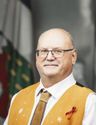
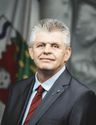
Motion 69-20(1): Taking Action on Energy Affordability and Security in the Northwest Territories, Carried
Motions

March 4th

The Speaker

The Speaker Shane Thompson

Thank you, Member from Yellowknife South. To the motion.

Motion 69-20(1): Taking Action on Energy Affordability and Security in the Northwest Territories, Carried
Motions

March 4th

Some Hon. Members

Question.

Motion 69-20(1): Taking Action on Energy Affordability and Security in the Northwest Territories, Carried
Motions

March 4th

The Speaker

The Speaker Shane Thompson

Question has been called. The Member from Range Lake, do you wish to conclude debate.

Motion 69-20(1): Taking Action on Energy Affordability and Security in the Northwest Territories, Carried
Motions

March 4th

Kieron Testart

Kieron Testart Range Lake

Yes. Thank you, Mr. Speaker. Thank you to the Members, most of the Members who spoke to the bill, especially those who said they would support it. And I want to give a special mention to the Minister of Finance who gave the response on behalf of the government.

I am not -- this is not a situation -- like, you'll note there's not a whereas clause that says whereas the government is not providing leadership on this file. You know, that's not in the motion because I don't think that's the case. There's areas that we -- of course, we are advocating for that are in the motion that maybe aren't being done right now, but they're suggestions on what could be done. But this is an area where I have confidence the Minister is aware of the problem and has plans to do it. And it is an opportunity to have the debate because that's what we're here to do, Mr. Speaker.

Mr. Speaker, there's also not a whereas clause that says the government has infinite resources and we can spend, like, whatever we want. Quite the contrary. It's about choices and about strategizing and about focusing on the things that matter most, Mr. Speaker. And, you know, we need a proposal before we give something up.

It's we -- in our consensus system, we elect a Cabinet. They're the ones who control the money, they're the ones who come up with the proposals, then we consider them. That's how it works. So we -- it's not our job, on this side, to spend -- to -- we approve the spending but we don't design the spending. So we need to see that come forward before we can have a robust discussion on what we're giving up. For Members who want to do that, that's fine, but first we need to see the spending proposal in the first place.

As to the contingency fund for business, I just want to point out that it does -- the clause specifically mentions establishing verifiable outage-related losses and support for preventative. But the idea is not an insurance policy that every time the power goes out, the government pays your costs. The idea is to have a contingency fund in place -- the Member for Yellowknife Centre spoke about this -- that has clear parameters. So something along the lines of after two hours, then people can make applications to the fund and receive a sum of money to replace lost equipment that has been verified as damaged due to a power outage or a brownout or something like that. That's what's contemplated here, not an insurance policy where the government pays out every time there's an outage. So I just want to clarify that point and hopefully that helps Members find support for it. And, you know, why that's important? We have more than double the rate of power outages in Canada. So, you know, yeah, maybe not everyone does this but that doesn't mean we shouldn't. In fact, we need to be responsive to what's going on in our system today, not responsive to what the trends are in the rest of Canada. Businesses are asking for more support, and that's what the motion is calling for. And, again, it's a reasonable -- it's not an insurance policy. It's a fund that can be tapped into because people are tapped out, and if we can help people where we suffer twice the rate of a national trend, that's a problem we need to solve, Mr. Speaker.

And, you know, on other things, I do agree. And, again, the motion doesn't contemplate infinite money. The motion contemplates a substantial investment in power, just like we have previously called for substantial investments in housing and other things like that. Every government runs on cost of living, on affordability. Every single one of us makes those commitments that we're going to prioritize that but it's so hard to actually deliver on that, and power is one place we can do that. I don't think it's strategic when it comes to motions that we're debating to ignore the concerns of our residents about the thing that contributes most to the challenges they face, which is paying their bills. I mean, it's entirely strategic to show people that we are listening and that we are using this chamber for debate. That is the point of this chamber, and it's the point of our consensus system, to have debates on the issues. And, in this case, I think it's very important to show -- to allow the government to say how they're meeting the moment when it comes to energy affordability and security. Like I said, I have confidence the Minister understands the problem, and many of the steps she's taken and the government's taken are the right steps and what the motion calls for. This is an opportunity to say we're already doing it, and we're going to do it even better. And I think her speech today to the motion was a great way to show that and showcase that for everyone who's listening. So I thank the Minister for that, and I thank this House for allowing motions like this to come forward so we can speak to that.

You know, we've had non-binding motions on foreign conflicts in this chamber as well, right, and that has nothing to do with -- people are passionate about things like that, for sure, but it doesn't change the lives of our constituents. And it certainly wasn't a waste of this House's time. So just on the issue of motions, we're here to debate, Mr. Speaker. We're not here to -- I don't know -- warm seats. Thank you, Mr. Speaker. You know, and I agree 100 percent with the Minister when we said we need to have a united and clear voice, and a motion is the way to do that. And to say we are united in the need to solve this problem, we have a clear resolve to solve it together and in partnership with Indigenous governments, with municipal governments, with the private sector, with both sides of the House, that is what we need. We need to show the public we care. We need to show constituents we are listening. Because going back -- I mean, I've struggled to find a way to go back to people and say well, I heard what you had to say and here's what we're doing about it. Because at the end of the day, they're going to look at me and say so you're doing nothing? Because my bill's not going down. And I still don't have those solutions. But I don't think anyone does, and I don't think anyone could. And this motion isn't proposing magic. This isn't magical thinking. This motion is proposing to build on what we're already doing and maybe tweak it a little to provide more support specifically around these problems like power outages. So it is not pie-in-the-sky thinking. It is not, you know, magical realism. It is a grounded motion that's designed to address the needs that people care about most, which is their pocketbooks, which is, you know, keeping the lights on when they're cooking dinner for their kids, which sadly is interrupted quite frequently in the Northwest Territories.

And, again, I know this Minister cares. I know this Premier cares. I know everyone in this House cares. This is not a gotcha. This is a how do we have that united and clear voice going forward.

With that, Mr. Speaker, I will say thank you to all the Members who are supporting this motion, for supporting this motion, and I encourage the House to stand in solidarity and send a united and clear message that this issue is a problem we are committed to solve, and we are going to solve it together. Because as the Minister said, many people are listening -- the federal government, other parties -- but most importantly Northerners are listening, and they want to hear that we are investing in the solutions that make their lives more affordable. Thank you, Mr. Speaker.

Motion 69-20(1): Taking Action on Energy Affordability and Security in the Northwest Territories, Carried
Motions

March 4th

The Speaker

The Speaker Shane Thompson

Thank you, Member from Range Lake. The Member from Range Lake has asked for a recorded vote. All those in favour, please stand.

Recorded Vote
Motions

March 4th

Clerk Of The House Mr Harjot Sidhu

The Member for Range Lake. The Member for Inuvik Boot Lake. The Member for Monfwi. The Member for Frame Lake. The Member for Mackenzie Delta. The Member for Tu Nedhe-Wiilideh. The Member for Dehcho. The Member for Yellowknife Centre.

Recorded Vote
Motions

March 4th

The Speaker

The Speaker Shane Thompson

All those opposed, please stand.

Recorded Vote
Motions

March 4th

Clerk Of The House Mr Harjot Sidhu

The Member for Great Slave. The Member for Yellowknife North. The Member for Sahtu.

Recorded Vote
Motions

March 4th

The Speaker

The Speaker Shane Thompson

All those abstaining, please stand.

Recorded Vote
Motions

March 4th

Clerk Of The House Mr Harjot Sidhu

The Member for Thebacha. The Member for Yellowknife South. The Member for Kam Lake. The Member for Hay River North. The Member for Hay River South. The Member for Inuvik Twin Lakes. The Member for Nunakput.

Recorded Vote
Motions

March 4th

The Speaker

The Speaker Shane Thompson

Thank you. All those in favour, eight. Opposed, three. Abstaining, seven. The motion is carried.

---Carried

Motions. Notices of motion for the first reading of bills. First reading of bills. Minister of Justice.

Bill 45: Civil Forfeiture Act
First Reading Of Bills

March 4th

Jay MacDonald

Jay MacDonald Thebacha

Mr. Speaker, I wish to present to the House Bill 45, Civil Forfeiture Act, to be read for the first time. Thank you, Mr. Speaker.
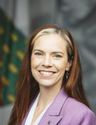
Bill 45: Civil Forfeiture Act
First Reading Of Bills

March 4th

The Speaker

The Speaker Shane Thompson

Pursuant to Rule 8.2(3), Bill 45 is deemed to have first reading and is ready for second reading.

First reading of bills. Second reading of bills. Consideration in Committee of the Whole of bills and other matters, with the Member from the Dehcho in the chair.

Consideration In Committee Of The Whole Of Bills And Other Matters

March 4th

The Chair

The Chair Sheryl Yakeleya

I now call the Committee of the Whole to order. What is the wish of committee? Member for Inuvik Boot Lake.

Consideration In Committee Of The Whole Of Bills And Other Matters

March 4th

Denny Rodgers

Denny Rodgers Inuvik Boot Lake

Thank you, Madam Chair. Madam Chair, committee wishes to consider Tabled Document 448-20(1), 2026-2027 Main Estimates, Department of Finance, with an intent to conclude. Thank you, Madam Chair.

Consideration In Committee Of The Whole Of Bills And Other Matters

March 4th

The Chair

The Chair Sheryl Yakeleya

Does the committee agree? Thank you, committee. We will proceed with a -- we will go on a short break and then proceed with the first item. Thank you.

---SHORT BREAK

Consideration In Committee Of The Whole Of Bills And Other Matters

March 4th

The Chair

The Chair Sheryl Yakeleya

Welcome back, committee. Committee, we have agreed to consider Tabled Document 448-20(1), 2026-2027 Main Estimates. We will consider the departmental totals for the Department of Finance which were previously deferred. We will then consider the borrowing plan for the government reporting entity and established borrowing limits for the Government of the Northwest Territories.

Does the Minister of Finance have any opening remarks.

Consideration In Committee Of The Whole Of Bills And Other Matters

March 4th

Caroline Wawzonek

Caroline Wawzonek Yellowknife South

Thank you, Madam Chair. I do have opening remarks today, Madam Chair, to support some of the discussions that we've been having over the last several weeks and want to thank Members for their thoughtful scrutiny and approach, as always, to this process.

The questions and the insights that we hear during the Committee of the Whole review of the budget is helpful not only in terms of how we discuss and negotiate ways to improve it but also as we go forward knowing where priorities lie into the next year.

Madam Chair, this year, one of the -- I do have a number of -- I have fairly lengthy remarks, Madam Chair. They are a number of things that have been discussed over the last while. So with that, this year in particular, Madam Chair, one of the consistent themes that was raised by Members is that Northerners expect real improvements in the services that they rely on. This includes, in particular health care, education, justice, and land administration. And so with the support of the MLAs, we are in a position now to respond even better to some of those priorities with measured but significant steps forward.

At present, the table of main estimates propose an increased investment in services of over $135 million, but in the course of deliberations with Members, the 2026 Main Estimates now will see additional investments of approximately $40 million that will help enhance vital services to programs for residents.

Firstly, we are strengthening supports for students with diverse learning needs. The GNWT is committing likely $30 million to implementing enhancements that will be identified through the inclusive schooling review. These dollars will support the expansion of specialized clinical services, including speech-language pathology and territorial-wide JK to 12 transition protocols which includes improved early literacy screening.

Funding will be brought forward through the 2026-2027 supplementary appropriation process to ensure that schools can begin these enhancements immediately. This is one of the largest single new investments in this -- that we are seeing now in this budget.

We also recognize the importance Members have placed on maintaining stability in early childhood programming, particularly at a time when the federal government's funding decisions remain uncertain in this space. So to ensure continuity for families and operators, the government is committing to maintaining programming and access even as we are still awaiting final federal funding decisions. We are still waiting for those decisions to conclude; however, we know and we are prepared to commit that this will require a significant funding commitment. Final adjustments will be brought forward either in Budget 2027 or, if necessary, through supplementary appropriation in order that early learning and child care programs remain reliable, sustainable, and responsive to Northerners.

Across health and social services systems, Madam Chair, we are advancing major reform work. Members have raised significant concerns through this last session about the transparency, the timeliness, the coordination of all of this work. It is clear we want to strengthen primary care across this territory. This is a shared commitment, Madam Chair, and I am pleased to say that several commitments are being made here to ensure that our system sees significant deliverables over the coming year.

By December of 2026, all primary care panels here in Yellowknife will be fully established to ensure that every resident has consistent team-based care supported by the release of the integrated primary and community health care framework and a roadmap by May-June of 2026. The implementation of that framework will be guided by regional implementation toolkits, and those toolkits will ensure that communities can adapt the model to their local needs and maintain consistent standards of care.

Further, health care practitioners assigned to these teams will be supported through a primary care workforce plan. This will ensure that we are showing what types of practitioners are required to support teams and what their roles will be within those teams to ensure cohesion and clarity as team-based care becomes the standard for primary care.

To support this transformation, the GNWT will work to fill all nurse practitioner vacancies within primary care teams in the next fiscal year. Moreover, GNWT will create additional nurse practitioner and community health care nurse positions in regions where chronic physician vacancies have left gaps. This will ensure that residents can depend on stable and well-staffed care teams. A supplementary appropriation will be brought forward in the May-June session to ensure that we have the financial resources for this initiative.

Investments in biomedical equipment and digital health tools that will strengthen access to small and remote communities and ensure functional telehealth connections in all health centres as well as enhanced diagnostic capacity and increased training for community wellness workers are also now being committed. These improvements will support real-time clinical advice to frontline teams and reduce unnecessary medical travel.

The medical travel case management initiative is already showing operational improvements. It is expected that this initiative will now move with presumptive permanency. This will be an adjustment that we will see in Budget 2027, and this reflects the importance of improving scheduling consistency, case management, and reducing avoidable repeat travel. These initiatives result from our budgeting negotiation process and one that allows us to build on the investments that were being proposed to even better strengthen our healthcare services, support patient navigation, modernize service delivery, and modernize service delivery in small and remote communities.

Members have also emphasized the need to prepare Northerners for the labour market and, again, we are pleased to respond. Work is underway to modernize adult education pathways, strengthen early literacy screening, and expand community-based training opportunities, as well as ensuring post-secondary programming aligns with workforce needs. We are committed to providing financial support to ensure that Aurora College launches both a bachelor of social work program and a bachelor of education program in the fall of 2027 with final cost estimates to be provided in the May-June session.

We will also ensure that all former CLC facilities are available to be transferred to Indigenous or community governments for the delivery of education and training programs at a subsidized rate with additional GNWT coverage of the associated O&M costs. This is a two-year program at present, but we have also committed to support these providers so that they can establish more sustainable financial plans.

We also understand the need to ensure economic certainty and regulatory clarity as key priorities and, again, have made commitments under the ongoing work to ensure that the Mineral Resources Act is brought into force and to improve tenure processes to encourage and coordinate federal engagement that reflects practical and action-oriented approach on all of our major projects that are coming up.

On that, Madam Chair, advancing strategic infrastructure, in partnership with Indigenous governments, is a central priority. Planning for the Mackenzie Valley Highway continues in collaboration with Indigenous partners with updated timelines that will be provided as project planning, environmental assessment work, and federal engagement progresses. Financial resources remain still at this time contingent on federal funding for the project, but we will bring forward a timeline in December that sets out a path for construction of the full route to begin by 2030. That includes phase 2.

At the same time, work is underway to finalize the routing decisions for both the Taltson transmission line and the Arctic economic security corridor. These will be informed by technical analysis and regulatory requirements as well as engagement ongoing with Indigenous governments. As this advances, the GNWT will provide committee with clear timelines, proposed routing options that reflect both environmental, cultural, and economic considerations.

The GNWT is also committed to supporting Indigenous-led economic development in the Beaufort Delta. To that end, ITI will work closely with the Inuvialuit Regional Corporation in order to support their interests in advancing the Mackenzie Delta LNG project from pre-feasibility towards full feasibility. Whether the project proceeds to further stages of course, or not, will involve potentially applications to the major projects office and depend very much on the IRC's direction, but we're committed to support them.

Housing and land administration continue to be critical issues for residents, and the Department of Environment and Climate Change and Housing Northwest Territories are taking steps to accelerate land tenure processing and support Indigenous-led housing initiatives as well as advancing collaborative approaches that will improve community access to land for housing and development. We will be taking specific measures to improve and make available housing options for seniors in Enterprise.

As well, Madam Chair, and with special mention for the advocacy towards this initiative, we will work with the Tlicho government to the establishment of a standalone Tlicho administrative region. We will do this in a manner that allows better reporting structures to reflect the services delivered in Tlicho communities. And, Madam Chair, I do want to emphasize that we will be working in partnership with the Tlicho government on this initiative and that -- and it's only for that reason, Madam Chair, that while I am hopeful that this will happen in the life of the Assembly. It is one that will be guided by that relationship.

In parallel, ECC will be creating a regional assessment coordinator position in Behchoko on a two-year term to support increased activity related to the Frank Channel Bridge, and Housing NWT will ensure that they have a services officer in Behchoko for at least two days a week every two day -- or at least two days of every two weeks so that even as we work towards an administrative region, we are ensuring that territorial services for residents in the Tlicho region are improving.

Finally, Members provided important feedback on strengthening community safety and justice services. The GNWT is advancing the evidence-based crisis response work within justice and health and social services but also by supporting improved RCMP presence in smaller communities and exploring ways to increase access to justice across the territory. And to that end, Madam Chair, we will provide overnight RCMP accommodations in both Gameti and Tsiigehtchic within this fiscal year and improve access to justice by ensuring that GSO are available for duty counsel coordination and telecommunications access for regional court days when the court party is not in all of our small communities.

Madam Chair, while not every request can necessarily be fully addressed in one fiscal cycle, these main estimates do reflect substantial progress on the priorities Members have identified as the 20th Assembly and for which we've all committed. The $30 million commitment to inclusive schooling is, indeed, one particular example of how Members' concerns have translated directly into an improved service. It is a commitment we make proudly and one we intend to implement collaboratively and transparently.

Madam Chair, the list of commitments is rather lengthy. As I indicated, we are prepared also to table a list, consolidated list, of the budget commitments to ensure clarity and transparency and accountability for the commitments made.

I want to again finish by thanking Members for their engagement, for their advocacy, and for their dedication. This consensus process does make our budgets better. As each of us focus on our departments and on the work done as Cabinet, it is a great assistance to sit and to hear the questions given in the Committee of the Whole and through session to ensure that our budgets best reflect the needs of all communities and regions. Thank you, Madam Chair.

Consideration In Committee Of The Whole Of Bills And Other Matters

March 4th

The Chair

The Chair Sheryl Yakeleya

Thank you. Does the Minister wish to bring witnesses into the House?

Consideration In Committee Of The Whole Of Bills And Other Matters

March 4th

Caroline Wawzonek

Caroline Wawzonek Yellowknife South

No, Madam Chair.

Consideration In Committee Of The Whole Of Bills And Other Matters

March 4th

The Chair

The Chair Sheryl Yakeleya

Okay. Can the Minister go to the witness table. Does the committee agree to proceed to the detail contained in the tabled document?

Consideration In Committee Of The Whole Of Bills And Other Matters

March 4th

Some Hon. Members

Agreed.

Consideration In Committee Of The Whole Of Bills And Other Matters

March 4th

The Chair

The Chair Sheryl Yakeleya

Committee, we will now consider the Department of Finance. Please turn to the departmental summary found on page 157, with information items on page 158 to 159. Are there any questions? Seeing no further questions, committee, I will now call the departmental summary.

Finance, operations expenditures, total 2026-2027 Main Estimates, $354,984,000. Does the committee agree?

Consideration In Committee Of The Whole Of Bills And Other Matters

March 4th

Some Hon. Members

Agreed.

Consideration In Committee Of The Whole Of Bills And Other Matters

March 4th

The Chair

The Chair Sheryl Yakeleya

Thank you, committee. The borrowing plan is separate from the estimates but is required by the Financial Administration Act to be presented with the estimates.

Further, the borrowing outlined in the plan will be included in the subsequent Appropriation Act that is presented to the Assembly. Please turn to page xv and xvi to find the borrowing plan for the government reporting entity and establish borrowing limits for the Government of the Northwest Territories. Are there any questions?

Seeing no further questions, I will now call this page, borrowing plan for the government reporting entity and established borrowing limit for the Government of the Northwest Territories. The total considered borrowing is $1,888,051,000. Does the committee agree?

Consideration In Committee Of The Whole Of Bills And Other Matters

March 4th

Some Hon. Members

Agreed.

Consideration In Committee Of The Whole Of Bills And Other Matters

March 4th

The Chair

The Chair Sheryl Yakeleya

Thank you, committee. Does the committee agree that it has concluded the consideration of Tabled Document 448-20(1), 2026-2027 Main Estimates?

Consideration In Committee Of The Whole Of Bills And Other Matters

March 4th

Some Hon. Members

Agreed.

Consideration In Committee Of The Whole Of Bills And Other Matters

March 4th

The Chair

The Chair Sheryl Yakeleya

Member for Inuvik Boot Lake.

Committee Motion 158-20(1): Concurrence Motion - Tabled Document 448-20(1): 2026-2027, Carried
Consideration In Committee Of The Whole Of Bills And Other Matters

March 4th

Denny Rodgers

Denny Rodgers Inuvik Boot Lake

Thank you, Madam Chair. Madam Chair, I move that consideration of Tabled Document 448-20(1), 2026-2027 Main Estimates, be now concluded and that Tabled Document 448-20(1) be reported and recommended as ready for further consideration in formal session through the form of an appropriation bill. Thank you, Madam Chair.

Committee Motion 158-20(1): Concurrence Motion - Tabled Document 448-20(1): 2026-2027, Carried
Consideration In Committee Of The Whole Of Bills And Other Matters

March 4th

The Chair

The Chair Sheryl Yakeleya

Thank you. The motion is in order. To the motion.

Committee Motion 158-20(1): Concurrence Motion - Tabled Document 448-20(1): 2026-2027, Carried
Consideration In Committee Of The Whole Of Bills And Other Matters

March 4th

Some Hon. Members

Question.

Committee Motion 158-20(1): Concurrence Motion - Tabled Document 448-20(1): 2026-2027, Carried
Consideration In Committee Of The Whole Of Bills And Other Matters

March 4th

The Chair

The Chair Sheryl Yakeleya

Question has been called. All those in favour? All those opposed? The motion is carried. Tabled Document 448-20(1) will be reported as ready for consideration in formal session through the form of an appropriation bill.

---Carried

Committee, this concludes our consideration of the Tabled Document. Thank you, Minister.

What is the wish of the committee? Member for Inuvik Boot Lake.

Committee Motion 158-20(1): Concurrence Motion - Tabled Document 448-20(1): 2026-2027, Carried
Consideration In Committee Of The Whole Of Bills And Other Matters

March 4th

Denny Rodgers

Denny Rodgers Inuvik Boot Lake

Thank you, Madam Chair. Madam Chair, I move the chair rise and report progress.

Committee Motion 158-20(1): Concurrence Motion - Tabled Document 448-20(1): 2026-2027, Carried
Consideration In Committee Of The Whole Of Bills And Other Matters

March 4th

The Chair

The Chair Sheryl Yakeleya

There's a motion on the floor. The motion is in order. The motion is non-debatable. All those in favour? The motion is carried. I will now rise and report progress.

---SHORT RECESS

Report Of Committee Of The Whole

March 4th

The Speaker

The Speaker Shane Thompson

Member from the Dehcho.

Report Of Committee Of The Whole

March 4th

Sheryl Yakeleya

Sheryl Yakeleya Deh Cho

Mr. Speaker, your committee has been considering Tabled Document 448-20(1), 2026-2027 Main Estimates and would like to report progress with one motion carried, that consideration of Tabled Document 448-20(1) is concluded and that the House concur on those estimates, and that an appropriation bill to be based herein be introduced without delay. And, Mr. Speaker, I move that the report of the Committee of the Whole be concurred with.

Report Of Committee Of The Whole

March 4th

The Speaker

The Speaker Shane Thompson

Thank you, Member from the Dehcho. Can I have a seconder? Let's go see that young lady from Kam Lake. All those in favour? All those opposed? All those abstaining? Motion carried.

Report of Committee of the Whole. Third Reading of Bills. Orders of the day, Clerk Mercredi.

Orders Of The Day
Orders Of The Day

March 4th

Deputy Clerk Of The House Mr Paul Mercredi

Thank you, Mr. Speaker. Orders of the day for Thursday, March 5th, 2026, at 1:30 p.m.
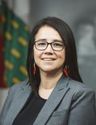
  1. Prayer or Reflection
  2. Ministers' Statements
  3. Members' Statements
  4. Recognition of Visitors in the Gallery
  5. Notices of Motion
  6. Motions
  • Motion 70-20(1), Referral of Tabled Document 483-20(1): 2025-26 Electoral Boundaries Commission Final Report
  • Motion 71-20(1), Referral of Tabled Document 445-20(1): 2025 Review of Members of the Northwest Territories Legislative Assembly Compensation and Benefits Report
  • Motion 72-20(1), Protection of Transboundary Waters and Rights of Northerners
  • Motion 73-20(1), Strengthening the Government of the Northwest Territories' Medical Travel Policy
  • Motion 74-20(1), Transfer of Housing Northwest Territories Market Rental Units to Tenants
  • Motion 75-20(1) Waiving of Rent for Elders in Public Housing
  1. Returns to Oral Questions
  • Oral Question, 1071-20(1), Cost of Living
  1. Acknowledgements
  2. Oral Questions
  3. Written Questions
  4. Returns to Written Questions
  • Written Question 32-20(1), Medical Travel Costs, Budget Pressures, and Travel Volumes
  • Written Question 33-20(1), Medical Travel Delays, Coordination, Communication and Repeat Travel
  • Written Question 34-20(1), Medical Travel Escort Policies Eligibility and Appeals
  1. Replies to the Commissioner's Address
  2. Petitions
  3. Reports of Committees on the Review of Bills
  4. Reports of Standing and Special Committees
  5. Tabling of Documents
  6. Notices of Motion for First Reading of Bills
  7. First Reading of Bills
  • Bill 46-20(1), Prevention of Proceedings that Hamper Expression on Matters of Public Interest Act
  1. Second Reading of Bills
  • Bill 45-20(1), Civil Forfeiture Act
  1. Second Reading of Bills
  2. Consideration in Committee of the Whole of Bills and Other Matters
  • Committee Report 37-20(1), Standing Committee on Social Development Report on Bill 34: Trespass to Property Act
  • Bill 3-20(1), Carbon Tax Repeal Act
  • Bill 34-20(1), Trespass to Property Act
  1. Report of Committee of the Whole
  2. Third Reading of Bills
  3. Orders of the Day

Orders Of The Day
Orders Of The Day

March 4th

The Speaker

The Speaker Shane Thompson

Thank you, Mr. Clerk. This House stands adjourned until Thursday, March 5th, 2026, at 1:30 p.m.

---ADJOURNMENT

The House adjourned at 5:51 p.m.