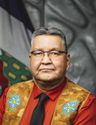
Thank you, Mr. Speaker. Mr. Speaker, the motion I have here today is protection of transboundary water and the rights of Northerners.
WHEREAS water is essential to ecosystems and communities of the Northwest Territories;
AND WHEREAS water flows through interconnected watersheds that cross provincial and territorial borders, with Northwest Territories waters strongly affected by the conditions in neighbouring Alberta and British Columbia;
AND WHEREAS since 2023, hydrology updates confirm that many Northwest Territories rivers and lakes have experienced record low or wellbelow average water levels, reflecting severe and ongoing drought conditions;
AND WHEREAS upstream industrial development in Alberta's oil sands region relies on large volumes of water and uses extensive tailings pond systems;
AND WHEREAS in 2022-2023, tailings affected wastewater seeped at the Kearl oil sands mine in Alberta beyond the lease boundary and public notification was delayed for approximately nine months, prompting concerns among downstream users including communities in the Northwest Territories;
AND WHEREAS Alberta's Water Amendment Act 2025 merges the Peace-Slave and Athabasca basins and introduces new low risk inter-basin transfer pathways, changes that environmental and Indigenous organizations have warned may reduce oversight and heighten ecological and downstream risks;.
AND WHEREAS Alberta's Water Amendment Act 2025 proposes to allow the treatment and release of oil sands tailings despite the methods for treatment not being fully established and insufficient scientific evidence demonstrating that such actions can be conducted safely, potentially impacting downstream waters and watersheds in the Northwest Territories;
AND WHEREAS the Government of Canada and several provinces have adopted a "one project, one review" approach to streamline environmental and impact assessments, including formal cooperation agreements with New Brunswick and Ontario, which aims to reduce duplication but also shift greater reliance onto provincial assessment processes;
AND WHEREAS Indigenous leaders in the Northwest Territories have publicly raised concerns about inadequate consultation regarding Alberta's Water Amendment Act 2025 and the potential severe impacts on watersheds and downstream users;
AND WHEREAS section 35 of the Canadian Constitution 1982 recognizes and affirms existing Indigenous and treaty rights, including those under Treaty 8 and Treaty 11, which guarantee Indigenous peoples in the Northwest Territories the right to continue their traditional livelihoods, such as hunting, fishing, trapping, and gathering, which rely on the waters and ecosystems of the territory;
NOW THEREFORE I MOVE, second by the Member for Dehcho, that this Legislative Assembly calls on the Government of the Northwest Territories to formally oppose Alberta's Bill 7, Water Amendment Act 2025, and any upstream policies that could enable inter-basin transfers or basin mergers without robust science-based safeguards and full consideration of downstream impacts on the Northwest Territories;
AND FURTHER, that the Government of the Northwest Territories urge the Government of Canada to ensure that "one project, one review" agreements preserve strong, enforceable protections for water quality, aquatic ecosystems, and cumulative effects oversight, including in shared watersheds that affect the Northwest Territories;
AND FURTHERMORE, that the Government of the Northwest Territories ensure its transboundary water agreements allow for transparent, timely, and proactive notification and information sharing from Alberta and federal regulators regarding any incidents or releases with potential transboundary effects consistent with best practices learned from the Kearl tailings seepage events;
AND FURTHERMORE, that the Government of the Northwest Territories ensure that its transboundary water agreements allow for transparent, timely, and proactive notification and information sharing from Alberta and federal regulators regarding any proposed or actual treatment, discharge, or release of oil sands tailings with potential transboundary impacts;
AND FURTHERMORE, that the Government of the Northwest Territories reaffirms that First Nations, Inuit, and Metis peoples must be meaningfully consulted and involved consistent with their rights on decisions affecting shared waters and watershed governance;
AND FURTHERMORE, that the Government of the Northwest Territories strengthen and publicly communicate its ongoing hydrologic monitoring and drought reporting for the Northwest Territories, including clear summaries of conditions, drivers, and implications for communities and ecosystems;
AND FURTHERMORE, that the Government of the Northwest Territories respond to this motion in 120 days.
Thank you, Mr. Speaker.