This is page numbers of the Hansard for the 20th Assembly, 1st Session. The original version can be accessed on the Legislative Assembly's website or by contacting the Legislative Assembly Library. The word of the day was know.

Topics

Members Present

Hon. Caitlin Cleveland, Mr. Hawkins, Hon. Lucy Kuptana, Hon. Jay MacDonald, Hon. Vince McKay, Mr. McNeely, Ms. Morgan, Mr. Morse, Mr. Nerysoo, Ms. Reid, Mr. Rodgers, Hon. Lesa Semmler, Mr. Testart, Hon. Shane Thompson, Hon. Caroline Wawzonek, Mrs. Weyallon Armstrong, Mrs. Yakeleya

The House met at 10:01 a.m.

---Prayer or reflection

Prayer Or Reflection

The Speaker

The Speaker Shane Thompson

I'd like to thank Mary Jane Cazon for opening blessings. Ministers' statements. Minister for Strategic Infrastructure, Energy, and Supply Chains.

Minister's Statement 204-20(1): Advancing Nation-Building Infrastructure Projects in the Northwest Territories
Ministers' Statements

Caroline Wawzonek

Caroline Wawzonek Yellowknife South

Thank you, Mr. Speaker. Mr. Speaker, the Northwest Territories is entering a pivotal moment. More than ever, Canada is recognizing the North's role in this country's economic future, Arctic sovereignty, security, and supply chains.

On March 12th, the Prime Minister announced a new federal approach to advancing nation-building infrastructure and strengthening Arctic security. As part of that announcement, the Arctic Economic and Security Corridor, the Mackenzie Valley Highway, and the Taltson Hydro Expansion project were all referred to the federal major projects office. Access to the major projects office provides the Northwest Territories a powerful coordinating federal partner as these projects continue moving forward.

Mr. Speaker, the Mackenzie Valley Highway continues to make steady progress through the Environmental Assessment process. The analytical phase of the environmental process is nearing completion.

As well, in May, the GNWT and Pedzeh K'e First Nation reached agreement on a new preferred corridor for the Deh Cho portion of the project, an important example of collaboration helping to move this work forward and a key milestone in continuing to progress the project. We have also been meeting with the land and water boards to ensure that we find an effective and efficient pathway to advance the whole of this project while maintaining the environmental and social standards this territory expects.

Our team also continues to meet regularly with Indigenous governments from Wrigley through the Sahtu and to Inuvik to ensure their continued engagement in the development of this project.

Mr. Speaker, the Arctic Economic and Security Corridor is also gaining momentum as a strategic nation-building initiative for both the Northwest Territories and Canada.

Earlier this year, the Tlicho government, the Yellowknives Dene First Nation, and the GNWT signed a memorandum of understanding to advance collaborative planning and leadership for the project. Since then, work has progressed on route selection, governance, and regulatory matters. We recognize that other Indigenous governments have traditional interests across this region, and as the project advances, the GNWT will meet its consultation obligations and identify opportunities to support meaningful participation and maximum benefits for the Northwest Territories.

Finally, Mr. Speaker, the Taltson Hydro Expansion project remains one of the most significant opportunities to deliver clean, reliable power to communities and industry. It will expand hydroelectric capacity connecting 11 communities to a unified hydro grid and reduce reliance on imported diesel.

This project is a partnership with Indigenous governments and Indigenous organizations. And last month, several Indigenous partners signed a letter of intent in support of establishing a commercial vehicle to streamline participation in the Taltson project. At the same time, work continues on project planning, commercial arrangements, regulatory preparations, and progress toward resolving long-standing legacy impacts associated with the existing Taltson facility. After much advocacy by our team and Indigenous governments and MOU partners, the federal government finally has a new mandate to formally engage with each Indigenous partner and find resolution of legacy impacts through a reconciliation-focused approach.

These projects represent more than infrastructure. They are a long-term investment in Arctic sovereignty, economic reconciliation, energy security, climate resilience, and northern prosperity.

Work on these projects advances daily. Our team is engaged in near-daily meetings with community, regional and Indigenous governments, and weekly meetings with assigned supports from the major projects office. In short, the pace of the work on all of these projects has accelerated to meet the moment and the opportunities before us. Our goal remains to transform the Northwest Territories, strengthening our connection to the rest of the country, and position the North as an integrated strategic part of Canada more than ever before. Thank you, Mr. Speaker.

Minister's Statement 204-20(1): Advancing Nation-Building Infrastructure Projects in the Northwest Territories
Ministers' Statements

The Speaker

The Speaker Shane Thompson

Thank you, Minister responsible for Strategic Infrastructure, Energy, and Supply Chains. Ministers' statements. Minister of Health and Social Services.

Minister's Statement 205-20(1): Office of the Auditor General Report on Child and Family Services
Ministers' Statements

Lesa Semmler

Lesa Semmler Inuvik Twin Lakes

Mr. Speaker, yesterday, the Office of the Auditor General of Canada tabled its report on child and family services in the Northwest Territories.

The report looks at how our child and family services system is doing its job of supporting and protecting children, youth, and families. It also reminds us why independent oversight matters because it helps us see where the system is working, where it is not, and what we need to do better. At the heart of all of this is one priority: Keeping children and youth safe, supporting their well-being, and helping them stay connected to their families, cultures, and communities.

Child and family services is some of the hardest and most important work our government does. The decisions made every day in the system carry very real and very serious consequences. The safety and well-being of children are always on the line.

Before I say more about the report, I want to speak directly to the people who do this work.

The staff working in child and family services show up every day in incredibly high-pressure environments. Many are working through staffing shortages, heavy caseloads, and constant urgency. The work is emotionally demanding, time sensitive, and extremely complex. The stakes could not be higher. I want to be clear that the dedication and effort of child and family services staff are seen and recognized. This report is not about individual workers or a lack of care or commitment. It speaks to system level challenges, the conditions people are working within, not professionalism or intentions of those doing the work.

The findings in this report reflect what we have been hearing for some time from Members of this Legislative Assembly, families, Indigenous governments, caregivers, and front line workers themselves.

The report confirms that progress has been made in recent years. It also makes clear that there are still real challenges that need to be addressed, particularly around consistency, accountability, and capacity within the system. At the same time, Mr. Speaker, it is important to acknowledge that child and family services has already begun a move to a new direction. One example of this is the use of voluntary service agreements, which focus on providing support and assistance to families before a crisis point is reached. These agreements are about helping families stay together safely, strengthening parenting capacity, and maintaining connection, rather than defaulting to family separation. This reflects a broader shift toward prevention, early support, and working alongside families to address challenges before they escalate.

Mr. Speaker, the Government of the Northwest Territories accepts all four of the auditor general's recommendations. Accepting recommendations matters, but what matters more is what we do with them. This is not about responding to one report and moving on. It is about continuing the work of strengthening a system that children, families, communities, and the staff who work within it must rely on.

This report does not mark the beginning of this work. Improvements have been underway for several years through the child, youth and family services strategic direction and action plan, internal reviews, and efforts to modernize legislation to better align with federal requirements. Many of these efforts have been shaped by the experience and knowledge of the staff working on the front lines.

Work related to the areas identified by the auditor general is already underway. This includes improving consistency in practice and strengthening how information is used to support planning, oversight, and decision-making. We also know that even more work will be needed, including continued partnership with Indigenous governments to support culturally appropriate care, efforts to build a more stable and representative workforce, and careful consideration through legislative and business planning processes.

Mr. Speaker, the auditor general's report will be reviewed alongside work already underway, and it will help guide updates to our action plan. The report will also be carefully considered through the standing committee's review.

We know that past experiences with child and family services, and past reports, have affected the trust many families place in the system. Rebuilding that trust takes time. It requires openness, accountability, and meaningful collaboration; especially with Indigenous governments whose members continue to be disproportionately affected by the child and family services system.

This work calls for persistence, humility, and strong partnerships. It also calls for continued support for the staff who carry the responsibility every day. Our commitment is to strengthen the child and family services system, so it protects children, works more consistently, and respects the cultures and identities of the families it serves. At the centre of this work is a simple but profound responsibility: To make sure children and youth in the Northwest Territories are safe, supported, and able to grow up connected to who they are and where they come from.

That responsibility will continue to guide our decisions. We will continue to report publicly on our progress, being clear about improvements made and honest about where more work is needed. Thank you, Mr. Speaker.

Minister's Statement 205-20(1): Office of the Auditor General Report on Child and Family Services
Ministers' Statements

The Speaker

The Speaker Shane Thompson

Thank you, Minister of Health and Social Services. Ministers' statements. Deputy Premier.

Minister's Statement 206-20(1): Premier Absent from the House
Ministers' Statements

Caroline Wawzonek

Caroline Wawzonek Yellowknife South

Mr. Speaker, I wish to advise the House that the honourable Member for Hay River North will be absent from the House today for a personal matter. Thank you, Mr. Speaker.

Minister's Statement 206-20(1): Premier Absent from the House
Ministers' Statements

The Speaker

The Speaker Shane Thompson

Thank you, Deputy Premier. Ministers' statements. Members' statements. Member from Range Lake.

Member's Statement 1019-20(1): Auditor General of Canada's Report on Child and Family Services in the Northwest Territories
Members' Statements

Kieron Testart

Kieron Testart Range Lake

Mr. Speaker, since 2014 child and family services has been audited no less than three times, repeatedly revealing systemic negligence, cultural erasure, and a staggering indifference to the well-being of NWT children. The findings tabled yesterday expose a brutal reality. 33 percent of urgent maltreatment reports missed screening, 71 percent of high-risk investigations blew past deadlines, and the department missed mandatory monthly contacts 91 percent of the time. Compounding this, 12 percent of foster placements lack criminal checks, two-thirds of Indigenous children lack cultural support plans, while decades-old recommendations remain unresolved.

This is not what I expected from this Minister of Health and Social Services, who yesterday acknowledged her direct responsibility for these deplorable results. In the 19th Assembly, the Minister was a fierce champion for youth, pulling no punches against the system she now presides over. In 2022, the Minister co-authored committee report Lifting Children, Youth, and Families, demanding the GNWT declare the systemic over-representation of Indigenous children a crisis. She condemned the government's slowness to act, called legislative updates "lip service", and accused the system of baking institutional racism into its very core.

So when appointed to Cabinet, she possessed the exact diagnosis and a roadmap for reform. Yet instead of ensuring immediate overhauls, the Minister has transformed into an institutional shield-bearer. Her official response defaulted to the standard platitudes, stating, quote, the GNWT recognizes that child and family services is not yet where it needs to be, while perversely claiming the system has come a long way.

Mr. Speaker, the Minister has failed to solve a single one of the systemic failings she once fought against which are nothing short of a humanitarian disaster. She inherited a house on fire, but after years in charge she is now politically and legally accountable for the fact that the system is still burning down with our most vulnerable children inside the house. Mr. Speaker, this is unacceptable, and I will have questions for the Minister later today. Thank you.

Member's Statement 1019-20(1): Auditor General of Canada's Report on Child and Family Services in the Northwest Territories
Members' Statements

The Speaker

The Speaker Shane Thompson

Thank you, Member from Range Lake. Members' statements. Member from Yellowknife Centre.

Member's Statement 1020-20(1): Auditor General of Canada's Report on Child and Family Services in the Northwest Territories
Members' Statements

Robert Hawkins

Robert Hawkins Yellowknife Centre

Mr. Speaker, the release of the child and family services report by the auditor general yesterday is not a mere bureaucratic report. To be entirely clear, it is a damning indictment of a systemic GNWT-sanctioned abandonment. The evidence is clear.

The Department of Health and Social Services, under this Minister, has flagrantly, repeatedly, and dangerously failed to protect the most vulnerable children of the North, again under this Minister's watch.

This is not a policy gap, Mr. Speaker. It's a total catastrophic collapse of statutory duties. It appears nothing less than negligence, and we are long past the time for gentle accountability reminders.

Mr. Speaker, this Minister has been in the driver's seat now 904 days.

Mr. Speaker, let us also note, and let the record reflect, exactly what this institutional rot means in practice. Abuse left to fester, Mr. Speaker. The system deliberately ignored its mandatory 24-hour response window by a third of all cases.

Abandoned and failed investigations. As said earlier an astounding 71 percent of the investigations blew past legal - the legal, Mr. Speaker - 30-day limit and dragging out, in some cases, 158 days, and in the worst cases, Mr. Speaker, 512 days. That is bureaucratic paralysis. Children forgotten and neglected.

Front line workers failed to maintain mandatory monthly contacts, as my colleague said, 91 percent monitored files failed.

Cultural obliteration, Mr. Speaker. This should really hit home. It bothers me deeply. 98 percent of these children are Indigenous, yet authorities flagrantly violated notifying Indigenous government bodies 80 percent of the time, Mr. Speaker.

Infrastructure failures. One-third of child protection workers are dangerously, Mr. Speaker - dangerously - overworked. By their rules, not my rules. Their rules. All under this Minister's watch who, in the last Assembly, dogged this issue repeatedly and quite loyally and respectfully. I admire the work she did. But becoming Minister, it's, what, somebody else's case?

Mr. Speaker, abandoned and failed investigations. As I pointed out -- sorry.

These are exactly the fatal deficiencies that were flagged in 2014, 2018, and yet again in 2026. Like a horrific version of Groundhog's Day, the OAG simply reprinted the same report, the same failed excuses, the same failed problems, slapped a new cover on it, a new date, and now the Minister is waiting for this to all blow over because...

Mr. Speaker, this is no longer a debate over simple incompetency or reckless indifference. It is a coin toss, in my opinion, between misfeasance and nonfeasance. The evidence is undeniable. The Minister has known all along and did nothing. She has known for seven years, 904 days as Minister and a full term as a Regular Member. 11 years of hollow excuses, report after report, false hope, exhausted system. Mr. Speaker, unheard prayers.

In closing, we are long past action plans and committees. Accountability must be enforced. And as my colleague just said, the Minister said yesterday she's responsible. I look forward to hearing what that finally means in this House and to the people of the North. Thank you, Mr. Speaker.

Member's Statement 1020-20(1): Auditor General of Canada's Report on Child and Family Services in the Northwest Territories
Members' Statements

The Speaker

The Speaker Shane Thompson

Colleagues, I am going to say a couple of things here.

When you're doing a Member's statement, remember you've got to focus on a few things. Do not make allegations against another Member, impute false or hidden motives to another Member, use an abusive or insulting language of a nature likely to create disorder, speaking disrespectfully of its Members. This is a heated, heated issue, and I understand the passion of it, but we need to be respectful in this House. Please remember that. Thank you.

Members' statements. Member from Deh Cho.

Member's Statement 1021-20(1): Auditor General of Canada's Report on Child and Family Services in the Northwest Territories
Members' Statements

Sheryl Yakeleya

Sheryl Yakeleya Deh Cho

Thank you, Mr. Speaker. Mr. Speaker, hearing the auditor general's report on child and family services was devastating, and it will be an emotional day for many people today. So if you need support, please reach out.

Mr. Speaker, 98 percent of children receiving child and family services in the Northwest Territories are Indigenous. 98 percent. Indigenous families know the weight of government involvement in their children's lives. The history of residential schools reminds us why the system must be held to the highest standards. That's why this report cuts so deep. Once government steps into the life of a child, there can be no excuse for that child being left vulnerable.

A 24-hour assessment exists because a child may be in immediate danger. A 30-day investigation exists because protecting our children is urgent. A monthly check-in exists because once government takes responsibility for a child, they should never feel forgotten.

Mr. Speaker, the report found that 1,500 reports of suspected child maltreatment in each of these past three years. 33 percent of these files were not assessed within 24 hours when investigations were required. 71 percent were not completed within 30 days. One investigation took 512 days. That is a child's life passing by while serious concerns about their safety remain unresolved.

For children placed outside the territory, the monthly contact requirement was missed in all but one file. The list goes on.

Mr. Speaker, this is the third audit. The department was warned in 2014. It was warned again in 2018. Now, here we are again.

I need to know this time will be different, not just as a Member of this House but as a mother. Our children deserve to be protected in practice, not only in policy. I will have questions for the Minister at the appropriate time. Mahsi, Mr. Speaker.

Member's Statement 1021-20(1): Auditor General of Canada's Report on Child and Family Services in the Northwest Territories
Members' Statements

The Speaker

The Speaker Shane Thompson

Thank you, Member from the Deh Cho. Members' statements. Member from the Sahtu.

Member's Statement 1022-20(1): Mackenzie Valley Highway
Members' Statements

Daniel McNeely

Daniel McNeely Sahtu

Thank you, Mr. Speaker. Mr. Speaker, Canada and the Northwest Territories strengthen regulatory coordination. Mr. Speaker, the Department of Crown Indigenous Relations and Northern Affairs Canada and the Government of the Northwest Territories signed an MOU on regulatory coordination that strengthens collaboration and alignment in their respective regulatory roles in the NWT in partnership with Indigenous governments and organizations during PDAC last March.

Mr. Speaker, the news released quotes working with Indigenous governments and co-management boards to strengthen clarity and consistency in legislation, regulations, guidelines, and policies in areas of shared jurisdiction.

Mr. Speaker, secondary to this GNWT and Canada or regulatory MOU is recently the Mackenzie Valley Environmental Impact Review Board new regional database and major project review tool. This initiative supports improved coordination across regulatory and assessment processes by bringing together the publicly available environment, socio-economic mapping, Sahtu land use planning corridor monitoring and project information into a single platform. Mr. Speaker, it will support stakeholders and proponents as they navigate this large and complex project review.

Mr. Speaker, advancing this regulatory reform approach to the Mackenzie Valley Highway environmental assessment conclusion merging phases 1 and 2 Wrigley to Inuvik by recognizing the engagements, consultations of 2013 to 2018 into an addendum for the July 2026 MVH/DAR addendum. We now have one project, one review. Mr. Speaker, this will improve an efficiency approach rather than duplicate costs and time. Later, I will have questions to the appropriate Minister. Mahsi.

Member's Statement 1022-20(1): Mackenzie Valley Highway
Members' Statements

The Speaker

The Speaker Shane Thompson

Thank you, Member from the Sahtu. Members' statements. Member from Great Slave.

Member's Statement 1023-20(1): Cancer Screening
Members' Statements

Kate Reid

Kate Reid Great Slave

Thank you, Mr. Speaker. As the saying goes, an ounce of prevention is worth a pound of cure. We speak a great deal in this House about health care fiscal sustainability as costs balloon year over year. I might be wildly mistaken, but treating earlier stages of cancer seems like it would be less burdensome to our health system and health dollars in addition to saving lives. This is why I find it puzzling that while other Canadian jurisdictions heed the call of the Canadian Cancer Society to lower the screening age for breast and colorectal cancer to 40 and 45 respectively, the NWT is lagging behind. Our screening ages for breast and colorectal cancers begin five years later at 45 for breast and 50 for colorectal for the average NWT resident not deemed high risk.

But, Mr. Speaker, younger Canadians are now up to 2.5 times more likely to be diagnosed with colorectal cancer than previous generations of the same age. For example, in 2025 approximately 2,000 Canadians under 50 were diagnosed with colorectal cancer despite there being no organized screening programs available to them. This emerging pattern is being observed in many parts of the world. While local data in the NWT may be limited, it's worth considering how broader trends and factors, such as alcohol use, physical inactivity, and reliance on processed foods can influence and increase cancer risk.

Last week, one of my constituents reached out after the CBCs covered HSS's response to decline to lower the screening age from 45 to 40. When she was 40, she could not self-refer to get a mammogram after finding a lump. She had to use the walk-in clinic as she was not attached to a doctor or team. The walk-in doctor immediately wrote her a referral and she was able to receive treatment for what was indeed cancer. In her words, quote, doctor appointments are not easy to get in Yellowknife because our healthcare system is stretched thin. Women in Canada are being diagnosed with breast cancer younger, often at later stages because breast cancer is not yet on their radar. This could save lives, money, and primary care appointments that could be used for other reasons, end quote.

Mr. Speaker, British Columbia, the Yukon, Ontario, New Brunswick, Nova Scotia, Prince Edward Island, and Newfoundland all provide self-referral mammograms starting at age 40. This June, Saskatchewan will lower the self-referral age from 43 to 40. Manitoba is planning to expand self-referral eligibility to age 40 by the end of this year. And as of April 1 of next year, people aged 40 and up will be able to self-refer to book a mammogram or ultrasound screening in Alberta. Mr. Speaker, I seek unanimous consent to conclude my statement.

Thank you, Mr. Speaker. Thank you, colleagues. Mr. Speaker, let us join the rest of Canada in giving our NWT residents more options for testing and more chances to catch cancer and stop it earlier. I will have questions for the Minister at the appropriate time. Thank you.

Member's Statement 1023-20(1): Cancer Screening
Members' Statements

The Speaker

The Speaker Shane Thompson

Thank you, Member from Great Slave. Members' statements. Member from Frame Lake.

Member's Statement 1024-20(1): Student Financial Assistance
Members' Statements

Julian Morse

Julian Morse Frame Lake

Thank you, Mr. Speaker. Mr. Speaker, earlier this week, the Minister of ECE announced engagement on changes to the student financial assistance program to expand coverage to private pilot license training, relieve students from repayment if they've withdrawn from a program, and expand travel benefits to student spouses. While I am generally happy to hear we are broadening the programs that are available through SFA, I couldn't help but notice what I feel is a missing piece in these updated regulations which could close a significant gap in our system and help increase the number of our students accessing post-secondary education.

Mr. Speaker, bridging programs support students in preparing for university by combining academic upgrading and first-year university courses. Many bridging programs are Indigenous-focused and include cultural support to help students transition into student life. The programs create a welcoming space to boost grades, gain confidence, and experience post-secondary life, ensuring strong support and success at every step towards admission to a targeted program, usually within that same institution.

Mr. Speaker, a constituent of mine was recently refused their SFA application for a post-secondary bridging program they were enrolled in, which I was surprised to learn do not currently qualify for SFA loans. Because of this, they were unable to attend the program. This outcome was heartbreaking and is exactly the opposite of what I want happening for young students in the NWT who have identified a positive path to grow into but need a bit of help getting there.

Now, Mr. Speaker, I understand that we can't say yes to everything, and Ministers often cite that we don't have money to expand programs when they share difficult news with us like in this case. But when I learned not long after being told that the program couldn't be expanded that in fact it will be, but not for bridging programs, I was frustrated.

Mr. Speaker, the Truth and Reconciliation Commission Call to Action Number 7 speaks to closing the gap between education outcomes for Indigenous and non-Indigenous students. I think that including bridging programs in the amendments to the SFA program, particularly for Indigenous students, would be an important step in this direction for the territorial government and, Mr. Speaker, I call on the Minister to make this change. I will have questions for the Minister at the appropriate time. Thank you.

Member's Statement 1024-20(1): Student Financial Assistance
Members' Statements

The Speaker

The Speaker Shane Thompson

Thank you, Member from Frame Lake. Members' statements. Member from Yellowknife North.

Member's Statement 1025-20(1): 2026 Youth Parliamentarian Solomon Young
Members' Statements

Shauna Morgan

Shauna Morgan Yellowknife North

Mr. Speaker, it is my honour to share the statement made last month by YK North Youth Parliamentarian Solomon Young advocating for MRI services in the NWT, which I fully support.

We need changes in our healthcare system, specifically magnetic resonance imaging machines. People here in Yellowknife, all over the NWT and in Nunavut, travel to Edmonton for medical services, specifically for MRI diagnostic services. Sometimes this trip spans days. It disrupts work lives, social lives, as well as people's personal lives for services that could be provided closer to home. For example, just for a 30-minute MRI, lives have to be disrupted for a minimum of two full days and often more. Families' lives all over the NWT have been disrupted more than necessary due to medical travel. Parents have to miss work, kids have to miss school, and the GNWT is paying a lot more than necessary for medical travel when they could buy an MRI machine. It would save a lot of people the pain of having to lose more work than necessary and leave the territory for basic medical care.

My family and I have experienced this multiple times, and it is not a satisfactory experience. On top of all that, there is a personal loss that comes with having to leave the territory, whether it's leaving family or missing events. No one likes it.

The GNWT spends around $35.5 million, according to the GNWT website, on medical travel each year, not including the personal time and money lost from taking time off work instead of just spending around $2 million for an MRI machine in Yellowknife that would last years.

The volume of MRIs performed for NWT patients is not easy to find publicly but if the NWT is anything like the Yukon, then half of all out of territory patients are going for MRIs. With this information, the GNWT can calculate how long it would take to save overall costs after the purchase of an MRI. I suspect it would not take long to recover the cost and then save money overall.

Mr. Speaker, this further proves my point from yesterday that we need to listen to children and youth. In this case, it could really pay off, both in terms of saving money and improving health care for Northerners. Thank you, Mr. Speaker.

Member's Statement 1025-20(1): 2026 Youth Parliamentarian Solomon Young
Members' Statements

The Speaker

The Speaker Shane Thompson

Thank you, Member from Yellowknife North. Members' statements. Member from Mackenzie Delta.

Member's Statement 1026-20(1): Government of the Northwest Territories Misuse of Casuals Arbitration Award
Members' Statements

George Nerysoo

George Nerysoo Mackenzie Delta

Thank you, Mr. Speaker. Today I would like to express my concern regarding the GNWT UNW casual grievance arbitration award and the eligibility to receive this award. It has been brought to my attention that constituency members who are eligible and who applied for this award were declined due to being unable to provide proper documentation.

Mr. Speaker, prior to 1998, when government offices were being regionalized and moved from communities to regional centres, much or all documentation that may have supported their application were apparently moved to a new location. Efforts to retrieve this information prior to 1998 have proven to be difficult because it no longer exists.

Mr. Speaker, the territorial government is providing this award for a reason, and that reason is to make amends for hiring casuals when any work at that time should have gone to term or intermediate employees available.

Mr. Speaker, this uncertainty around missing documents and employee status has created significant confusion among individuals who did work for our government prior to 1998 as missing or incomplete records now make it extremely difficult for them to confirm or prove their employment status during that time. I will have questions for the Minister of Finance at the appropriate time. Thank you, Mr. Speaker.

Member's Statement 1026-20(1): Government of the Northwest Territories Misuse of Casuals Arbitration Award
Members' Statements

The Speaker

The Speaker Shane Thompson

Thank you, Member from the Mackenzie Delta. Members' statements. Member from Inuvik Boot Lake.

Member's Statement 1027-20(1): 2026 Youth Parliamentarian Willem Jellema
Members' Statements

Denny Rodgers

Denny Rodgers Inuvik Boot Lake

Thank you, Mr. Speaker. Mr. Speaker, you mentioned at the start of this session about the Youth Parliament that was held here. I was happy to take part in that. I got to be a page and listen to all the youth from each riding give their Members' statements. It was very enlightening and very informed and certainly very impressed with the work that was done throughout that Youth Parliament. So with that, Mr. Speaker, I would like to read into the record, into Hansard, the statement that was given by Mr. Willem Jellema who was the youth representative for Inuvik Boot Lake. And with your indulgence, I will give his statement today.

Thank you, Mr. Speaker. Mr. Speaker, we have problems in our schools. Social promotion negatively affects both the students achieving and not achieving grade level requirements. Social promotion is the practice of moving students up in grade level based on age rather than on academic achievement. The students who are struggling in classes are moved up rather than addressing the reasons why they're not passing. This means that students failing are more likely to fall into a cycle of failing their classes due to the expectation that failing classes has no consequences. Moreover, Mr. Speaker, when students who are passing have other students that are failing in their classes, their teachers are forced to teach students across various grade levels. Because of this wide range of teaching, they cannot focus on those at grade level.

Mr. Speaker, I believe that we should abolish social passing beyond grade 4 by giving standards at an earlier time. Students will be forced to commit to their work, and schools will have to address why a student is failing. We need to do better for the futures of our communities. Thank you, Mr. Speaker. And thank you Mr. Jellema.

Member's Statement 1027-20(1): 2026 Youth Parliamentarian Willem Jellema
Members' Statements

The Speaker

The Speaker Shane Thompson

Thank you, Member from Inuvik Boot lake. Members' statements. Member from Monfwi.

Member's Statement 1028-20(1): Debt Forgiveness of Legacy Mortgages
Members' Statements

Jane Weyallon Armstrong

Jane Weyallon Armstrong Monfwi

Masi, Mr. Speaker. Mr. Speaker, on March 2nd, 2026, Housing NWT announced expanded debt forgiveness for legacy mortgages. For homeowners still carrying that debt, it sounded like Christmas had come early. But when the gift arrived, it was wrapped in more government paperwork. I would say that is worse than coal.

Mr. Speaker, relief should not be announced like a gift then handed out like a test. What residents received was a letter explaining the new criteria. To qualify, residents had to prove they met the low income threshold or that they had already paid enough against the original principle or the assessed value of the home. But why are residents being asked to prove they qualify for relief when much of the information needed should already be in government's hands? Housing NWT should already know the payment history and government should have access to the assessed property values.

Mr. Speaker, these criteria block the people who need the relief the most. We are talking about elders who speak Indigenous languages as their first language and low-income residents worn down by endless forms and government processes. This approach does not meet our people where they are. It is unacceptable.

Mr. Speaker, this raises a bigger question. Why do these criteria exist at all? These mortgages are not new. Housing NWT stopped issuing them in 2007. That means every legacy mortgage is almost 20 years old or older. If someone has been faithfully paying into one of these homes for nearly 20 years, government should not be asking whether they have paid enough. Given the age and condition of these homes, it should be presumed that residents have already paid at least the assessed value. And if a resident has not been able to keep up with payment, that should be enough to recognize they are low income. Mr. Speaker, I seek unanimous consent to conclude my statement.

---Unanimous consent granted

Thank you, Mr. Speaker. So who are these criteria really screening out? It seems to me they are screening out the people least able to endure another government process. Mr. Speaker, if this is truly about relief, then fully commit to relief, provide blanket forgiveness for legacy mortgages, no strings attached. Thank you, Mr. Speaker.

Member's Statement 1028-20(1): Debt Forgiveness of Legacy Mortgages
Members' Statements

The Speaker

The Speaker Shane Thompson

Thank you, Member from Monfwi. Member's statement. Member from Thebacha.

Member's Statement 1029-20(1): Paul William Kaeser High School 2026 Graduates
Members' Statements

Jay MacDonald

Jay MacDonald Thebacha

Mr. Speaker, I rise today to recognize and congratulate the graduating class of 2026 from Paul William Kaeser High School who celebrated their convocation ceremony last night. This milestone marks years of hard work, perseverance, and commitment by the students. Graduation is not only a celebration of academic achievement but also a moment that reflects the strength of family, community, and the many people who helped guide these young leaders to this important day.

I would like to extend my sincere congratulations to each graduate and acknowledge the pride felt through Fort Smith and the Thebacha constituency. The future of our communities depends on the determination, creativity, and resilience of our youth, and this graduating class has much to be proud of.

Mr. Speaker, today's graduates are stepping into a time of growing opportunity in the North. With increased interest and investment in northern development, whether in infrastructure, resource development, renewable energy, tourism, or Indigenous-led initiatives, there are expanding pathways for young people to build meaningful careers close to home. These opportunities offer not only economic growth but also the chance for this generation to shape the future of our territory in ways that reflect our values, cultures, and priorities.

Mr. Speaker, I also want to recognize and thank the parents, grandparents, guardians, teachers, school staff, coaches, volunteers, and members of the district education authority, whose support and encouragement helped these students succeed. Their dedication continues to make a lasting difference in the lives of our young people.

To the graduates of 2026, I encourage you to continue pursuing your goals with confidence, whether your path leads to post-secondary education, trades, employment, entrepreneurship, or service to your community. Know that your community believes in you and is proud of your accomplishments. Congratulations once again to the class of 2026, and I wish each of them continued success in the years ahead. Thank you, Mr. Speaker.

Member's Statement 1029-20(1): Paul William Kaeser High School 2026 Graduates
Members' Statements

The Speaker

The Speaker Shane Thompson

Thank you, Member from Thebacha. Members' statements.

Member's Statement 1030-20(1): Celebrating the Life of Ernie McLeod
Members' Statements

Shane Thompson

Shane Thompson Nahendeh

Colleagues, today I am remembering and honouring Ernie McLeod. Ernie was born on May 20, 1945, in his parents' home in Fort Liard. Over the course of his life, he travelled widely, experiencing many places beyond his birthplace. Despite his time away, Fort Liard always remained close to his heart, and in the end he returned to the community where his life began.

Throughout his life, Ernie was known for his strong work ethic and dedication to his community. He operated several businesses over the years, including a taxi service that provided weekly trips for community members to Fort Nelson and back home. He also drove medical patients to and from appointments across British Columbia and the Northwest Territories, ensuring people could access the care they needed. In addition, he was involved in camp operations, catering services, and pilot car services.

Ernie was an active member of the community and had a passion for sports. He played in many softball games in Fort Liard and competed in tournaments throughout BC and the Northwest Territories. He also brought people together through sport by organizing his own softball team, proudly named Liard's

Taxi. Ernie and his team travelled to tournaments across BC and the NWT, building friendships and community spirit along the way.

He also served as president of the Fort Liard Metis. In this role, Ernie attended many meetings to ensure Metis interests were represented and advocated for within the Fort Liard community. His leadership reflected his commitment to supporting and strengthening his people.

This is where I got to know him. He was a very strong advocate for the community. He was always a straight shooter, never afraid to tell you what he believed but at the same time willing to sit down with you to hear your point of view. Sometimes he could surprise you with a very deep interpretation of the conversation and a clear vision of what should be done.

Later in life, he moved to the old folks home, and he always was willing to help his neighbours and make the place a friendly and welcoming environment. He would always welcome me into his apartment for tea or juice to discuss life, politics, or whatever was on his mind. I will miss those conversations in the future.

Ernie will be remembered for his hard work, his generosity, and his deep connection to his home community. His presence will be greatly missed by all who knew him.

The family would like to express their gratitude for all the kindness and generosity bestowed at their time of grief. Your kind thoughts, deeds, and well wishes are deeply appreciated. Ernie will be sadly missed but not forgotten.

Members' statements. Returns to oral questions. Recognition of visitors in the gallery. Member from Yellowknife North.

Recognition Of Visitors In The Gallery

Shauna Morgan

Shauna Morgan Yellowknife North

Thank you, Mr. Speaker. I am pleased to acknowledge YK North constituent Fernanda Martins who has joined us today. She is the senior advocacy coordinator for the Canadian Cancer Society in the Northwest Territories. Welcome, Fernanda, and we appreciate your tireless advocacy.

Recognition Of Visitors In The Gallery

The Speaker

The Speaker Shane Thompson

Thank you, Member from Yellowknife North. Recognition of visitors in the gallery. Member from the Sahtu.

Recognition Of Visitors In The Gallery

Daniel McNeely

Daniel McNeely Sahtu

Thank you, Mr. Speaker. Mr. Speaker, I would like to recognize a constituent resident from Norman Wells, Mr. Barry Hartley. Welcome to the chamber.

Recognition Of Visitors In The Gallery

The Speaker

The Speaker Shane Thompson

Thank you, Member from the Sahtu. Recognition of visitors in the gallery. Member from Great Slave.

Recognition Of Visitors In The Gallery

Kate Reid

Kate Reid Great Slave

Thank you, Mr. Speaker. I, too, would like to welcome Ms. Fernanda Martins to our proceedings today. She has been a fantastic resource and has been very generous with her time to walk me through the issues that the Canadian Cancer Society is advocating for tirelessly. Thank you, Mr. Speaker.

Recognition Of Visitors In The Gallery

The Speaker

The Speaker Shane Thompson

Thank you, Member from the Great Slave. Recognition of visitors in the gallery. Member from Hay River South.

Recognition Of Visitors In The Gallery

Vince McKay

Vince McKay Hay River South

Thank you, Mr. Speaker. I want to recognize my constituency assistant Myrtle Graham who has been here this week working with the grade 6 tour from Princess Alexander School and helped organize it. Thank you, Mr. Speaker.

Recognition Of Visitors In The Gallery

The Speaker

The Speaker Shane Thompson

Thank you, Member from Hay River South. Recognition of visitors in the gallery. Member from Yellowknife South.

Recognition Of Visitors In The Gallery

Caroline Wawzonek

Caroline Wawzonek Yellowknife South

Thank you, Mr. Speaker. Mr. Speaker, I'd also like to recognize Fernanda Martins. She's a reliable attendant at all of the budget session dialogues, so I am glad that she has joined us today to represent the Canadian Cancer Society.

Mr. Speaker, I also have a page in the building, Marlysia Vegas from Ecole St. Joe's. It's always wonderful to have students here, and we're very appreciative of their help. Thank you.

Recognition Of Visitors In The Gallery

The Speaker

The Speaker Shane Thompson

Thank you, Member from Yellowknife South. Recognition of visitors in the gallery.

I'd also like to recognize Mr. Hartley, Barry Hartley. We used to work together way back when, you know, when I was an old guy and he was a young man, with the Department of Municipal and Community Affairs. So welcome to the Assembly.

He is; I am not.

Recognition of visitors in the gallery. If we've missed anyone, we thank you very much for allowing us to represent the people in Northwest Territories. It's always a great pleasure to have people here with our proceedings.

Acknowledgements. Oral questions. Member from the Deh Cho.

Question 1226-20(1): 2026 Report of the Auditor General of Canada to the Northwest Territories Legislative Assembly on Child and Family Services in the Northwest Territories
Oral Questions

Sheryl Yakeleya

Sheryl Yakeleya Deh Cho

Mahsi, Mr. Speaker. My questions are for the Minister of Health and Social Services. Can the Minister explain the department's plan and timeline to address the failures identified in the auditor general's report. Thank you, Mr. Speaker.

Question 1226-20(1): 2026 Report of the Auditor General of Canada to the Northwest Territories Legislative Assembly on Child and Family Services in the Northwest Territories
Oral Questions

The Speaker

The Speaker Shane Thompson

Thank you, Member from the Deh Cho. Minister of Health and Social Services.

Question 1226-20(1): 2026 Report of the Auditor General of Canada to the Northwest Territories Legislative Assembly on Child and Family Services in the Northwest Territories
Oral Questions

Lesa Semmler

Lesa Semmler Inuvik Twin Lakes

Thank you, Mr. Speaker. The OAG had four main recommendations. The first one was track and analyze compliance with key requirements of the Child and Family Service Act, standards, procedures, and to use this analysis to make improvements. And that work is underway through the development, department's guide to quality insurance and continuous improvement. That'll be finalized in June 2026.

The second one was to implement clear standards to support -- or implement clear standards or procedures to ensure equitable distribution of financial support to foster care parents. That has been -- will be implemented on a foster care support standard by September 2026.

The standard and procedure for care of children living in group settings and review existing arrangements to ensure compliance, that standard is anticipated to be completed by March 2027.

And regularly assess the financial human resource, so under this department. By October 2026, the department will complete a jurisdictional scan to inform its approach to caseload and workload measurement and also be doing a staff survey as well by December 2026. Thank you, Mr. Speaker.

Question 1226-20(1): 2026 Report of the Auditor General of Canada to the Northwest Territories Legislative Assembly on Child and Family Services in the Northwest Territories
Oral Questions

Sheryl Yakeleya

Sheryl Yakeleya Deh Cho

Thank you, Mr. Speaker. Given that this is the third audit of child and family services, what will the Minister do differently to ensure these failures are not repeated again? Thank you, Mr. Speaker.

Question 1226-20(1): 2026 Report of the Auditor General of Canada to the Northwest Territories Legislative Assembly on Child and Family Services in the Northwest Territories
Oral Questions

Lesa Semmler

Lesa Semmler Inuvik Twin Lakes

Thank you, Mr. Speaker. Mr. Speaker, I think a lot of the work that we have been doing over since I -- since I've been the Minister, the main focus has been on -- and, you know, I know in the last government, I was -- it was mentioned I was on the standing committee and we did release a report. We did a very, you know -- we reached out to many different -- we reached out to families, children, you know, people who work in the system, and the public. And what we are doing right now is that is our guiding document of the work that we are doing within internally. And, you know, we've shared the LP for the legislation that's going to help make significant changes within the system.

The big thing that we have been doing is really working on increasing the amount of Indigenous foster parents. So that way when children do have to, you know, under -- if there is a reason that they cannot remain and be supported in homes, then at least that they're with a foster family that's Indigenous or within a family that is in the community. So we have increased that. And we also have been really promoting the work of voluntary service agreements with those families who need support. And right now, when we look at all of the children that are under child and family services, 75 percent of those children are supported by child and family services in their home. Thank you, Mr. Speaker.

Question 1226-20(1): 2026 Report of the Auditor General of Canada to the Northwest Territories Legislative Assembly on Child and Family Services in the Northwest Territories
Oral Questions

The Speaker

The Speaker Shane Thompson

Thank you, Minister of Health and Social Services. Final supplementary. Member from Deh Cho.

Question 1226-20(1): 2026 Report of the Auditor General of Canada to the Northwest Territories Legislative Assembly on Child and Family Services in the Northwest Territories
Oral Questions

Sheryl Yakeleya

Sheryl Yakeleya Deh Cho

Mahsi, Mr. Speaker. Will the Minister commit to working directly with Indigenous governments to address these findings and rebuild trust in the child and family services system? Thank you.

Question 1226-20(1): 2026 Report of the Auditor General of Canada to the Northwest Territories Legislative Assembly on Child and Family Services in the Northwest Territories
Oral Questions

Lesa Semmler

Lesa Semmler Inuvik Twin Lakes

Thank you, Mr. Speaker. Mr. Speaker, of course I have been working with Indigenous governments. You know, when we meet with the Council of Leaders, one of the things that I do raise many times when this issue is brought up is the work that we want to do with them. We've done that with the Inuvialuit Regional Corporation. You know, they have drawn down and they do all of the preventative service for child and family services for Inuvialuit in the Northwest Territories. So, you know, if there's other Indigenous governments, we are here. We've sent letters, we've reached out, I've spoken to them whenever I've met with them that this -- when they've raised child and family service issues that we are willing to work with them so that they can draw this down and we can support them in that. And with Bill C92, I think that with the changes with that, that's why that prompted us to really enforce the changes that we need to make in our legislation in order to be able to, as a government, be more flexible with Indigenous partners. Thank you, Mr. Speaker.

Question 1226-20(1): 2026 Report of the Auditor General of Canada to the Northwest Territories Legislative Assembly on Child and Family Services in the Northwest Territories
Oral Questions

The Speaker

The Speaker Shane Thompson

Thank you, Minister of Health and Social Services. Oral questions. Member from Frame Lake.

Question 1227-20(1): Expansion of Student Financial Assistance
Oral Questions

Julian Morse

Julian Morse Frame Lake

Thank you, Mr. Speaker. Mr. Speaker, as I spoke to in my Member statement, there are a few areas we should be considering expanding student financial assistance. So it's not clear why the changes the Minister announced are being made. What criteria were used to determine that the recently announced changes are the best path to achieving our education goals? Thank you.

Question 1227-20(1): Expansion of Student Financial Assistance
Oral Questions

The Speaker

The Speaker Shane Thompson

Thank you, Member from Frame Lake. Minister of Education, Culture and Employment.

Question 1227-20(1): Expansion of Student Financial Assistance
Oral Questions

Caitlin Cleveland

Caitlin Cleveland Kam Lake

Thank you very much, Mr. Speaker. So, Mr. Speaker, lots of feedback is received from both Members in this House and members of the public, and certainly making sure that we are being responsive as much as possible and addressing changes that need to be made to regulations is part of the process. So that's why the regulations right now are out for public engagement to get some of that feedback. And the reason that they needed to go out right now, while some work is still happening in the back end, is to ensure that changes can be made for the upcoming school year because the regulations need to go out and be posted for 30 days to provide people with that opportunity to provide feedback into the process. Thank you.

Question 1227-20(1): Expansion of Student Financial Assistance
Oral Questions

Julian Morse

Julian Morse Frame Lake

Thank you, Mr. Speaker. Mr. Speaker, how does not including bridging programs while prioritizing other changes align with the post-secondary education framework which identifies increasing access to education opportunities, particularly for Indigenous students from small communities? Thank you, Mr. Speaker.

Question 1227-20(1): Expansion of Student Financial Assistance
Oral Questions

Caitlin Cleveland

Caitlin Cleveland Kam Lake

Thank you very much, Mr. Speaker. So, Mr. Speaker, student financial assistance program did go through quite a hefty review in the 19th Assembly. When I started my term, I did have some additional feedback, now that I was in this role, that I provided to the department. Some of that feedback is captured in the changes to the regulations right now. And then other direction has been given to the department, including the direction to the department to resolve this particular issue in regards to bridging. Thank you.

Question 1227-20(1): Expansion of Student Financial Assistance
Oral Questions

The Speaker

The Speaker Shane Thompson

Thank you, Minister of Education, Culture and Employment. Final supplementary. Member from Frame Lake.

Question 1227-20(1): Expansion of Student Financial Assistance
Oral Questions

Julian Morse

Julian Morse Frame Lake

Thank you, Mr. Speaker. Mr. Speaker, I think I heard something encouraging there, but I am going to put the question plainly.

Will the Minister commit to including bridging programs that lead to full-time enrolment in the changes being made to the updated SFA regulations? Thank you, Mr. Speaker.

Question 1227-20(1): Expansion of Student Financial Assistance
Oral Questions

Caitlin Cleveland

Caitlin Cleveland Kam Lake

Thank you, Mr. Speaker. Yes, I have already given direction to the Department of Education, Culture and Employment to allow for bridging education for students to resolve this issue so that students who need a very specific coursework, like I have had conversations with Members on both sides of the House about, can access that bridging program that leads to a trade or a profession that they are pursuing. Thank you.

Question 1227-20(1): Expansion of Student Financial Assistance
Oral Questions

The Speaker

The Speaker Shane Thompson

Thank you, Minister of Education, Culture and Employment. Oral questions. Member from Mackenzie Delta.

Question 1228-20(1): Government of the Northwest Territories - Union of Northern Misuse of Casuals Arbitration Award
Oral Questions

George Nerysoo

George Nerysoo Mackenzie Delta

Thank you, Mr. Speaker. Further to my Member's statement, my questions are for the Minister of Finance.

What policies govern how long community records are retained and where they are housed once stored? Thank you, Mr. Speaker.

Question 1228-20(1): Government of the Northwest Territories - Union of Northern Misuse of Casuals Arbitration Award
Oral Questions

The Speaker

The Speaker Shane Thompson

Thank you, Member from Mackenzie Delta. Minister of Finance.

Question 1228-20(1): Government of the Northwest Territories - Union of Northern Misuse of Casuals Arbitration Award
Oral Questions

Caroline Wawzonek

Caroline Wawzonek Yellowknife South

Thank you, Mr. Speaker. Mr. Speaker, there are certainly different standards that would apply to different types of records. I would be happy to get back to the House with some details with respect to what particular records there may be. I know there has been recently a matter that a Member has been advocating for a resident on that was quite dated, and we have been struggling to find anything in that respect. But certainly, as I say, I can get back to the House with any specifics on that. I don't have that in front of me. Thank you, Mr. Speaker.

Question 1228-20(1): Government of the Northwest Territories - Union of Northern Misuse of Casuals Arbitration Award
Oral Questions

George Nerysoo

George Nerysoo Mackenzie Delta

Thank you, Mr. Speaker. I will carry on with my questions that I have here. What efforts has the government made to locate, reconstruct, or validate missing employment records for individuals who worked for our government prior to 1998? Thank you, Mr. Speaker.

Question 1228-20(1): Government of the Northwest Territories - Union of Northern Misuse of Casuals Arbitration Award
Oral Questions

Caroline Wawzonek

Caroline Wawzonek Yellowknife South

Thank you, Mr. Speaker. Mr. Speaker, there are records stored, of course, in different parts of the territory. So with respect to whether or not there is a need to reconstruct a record, so for instance I know there has been -- quite specifically, there was an arbitration decision that has led some folks to be looking for records that in some cases could be quite dated in order to demonstrate whether or not they should be part of the outcome of that decision, which was with respect to casual employment. So in that respect, Mr. Speaker, certainly some people would have their records, some records might be found more quickly or easily. But, again, some individuals are running into difficulty. And then, you know, again, depending on the type of record and depending on the circumstance, we could address it individually. But that may well come down to the type of record and the reason for it. So, again, I know there is a particular resident who is struggling to find some records right now, and there may be others looking. I am happy to deal with them each as they come in. Thank you.

Question 1228-20(1): Government of the Northwest Territories - Union of Northern Misuse of Casuals Arbitration Award
Oral Questions

The Speaker

The Speaker Shane Thompson

Thank you, Minister of Finance. Final supplementary. Member from Mackenzie Delta.

Question 1228-20(1): Government of the Northwest Territories - Union of Northern Misuse of Casuals Arbitration Award
Oral Questions

George Nerysoo

George Nerysoo Mackenzie Delta

Thank you, Mr. Speaker. These records are very important for family members and, you know, it's something that these people are trying to get some answers for. It is not unreasonable to expect the individuals to go back that far in time knowing that the likelihood of retrieving the necessary supporting information may be uncertain or even attainable in retrieving these records. Will the records be able to be retrieved or reconstructed any time soon? Thank you, Mr. Speaker.

Question 1228-20(1): Government of the Northwest Territories - Union of Northern Misuse of Casuals Arbitration Award
Oral Questions

Caroline Wawzonek

Caroline Wawzonek Yellowknife South

Thank you, Mr. Speaker. And, Mr. Speaker, if I am not mistaken, the records at issue here are from 1998 so as I -- I know that there is a concern that someone is trying to find some records with respect to their employment. I will certainly go back and ensure that we have done everything we can to reconstruct that or to perhaps determine if there's some other pathways, perhaps, for example, through CRA or other tax filings, etcetera. So we'll bring a bit more creativity to this and see if we can help this individual. Thank you.

Question 1228-20(1): Government of the Northwest Territories - Union of Northern Misuse of Casuals Arbitration Award
Oral Questions

The Speaker

The Speaker Shane Thompson

Thank you, Minister of Finance. Oral questions. Member from Yellowknife North.

Question 1229-20(1): Magnetic Resonance Imaging Services
Oral Questions

Shauna Morgan

Shauna Morgan Yellowknife North

Thank you, Mr. Speaker. I have questions for the Minister of Health and Social Services.

So according to the document tabled by the health Minister a few days ago, on May 27th, in response to a question asked by my colleague from Monfwi back in February, so HSS estimates that the latest annual cost of sending NWT patients south for MRI scans is about $3.3 million, and this cost has been going up significantly year over year.

So, first, I commend the department for doing that math, to figure out those estimates. So my first question for the Minister, has HSS or the health authority done research on how much money it could cost to buy an MRI machine and offer MRI services in the NWT and, as a result, how much money could be saved over time? Thank you, Mr. Speaker.

Question 1229-20(1): Magnetic Resonance Imaging Services
Oral Questions

The Speaker

The Speaker Shane Thompson

Thank you, Member for Yellowknife North. Minister of Health and Social Services.

Question 1229-20(1): Magnetic Resonance Imaging Services
Oral Questions

Lesa Semmler

Lesa Semmler Inuvik Twin Lakes

Thank you, Mr. Speaker. Mr. Speaker, the information that we tabled, we have that data because we have been doing the feasibility studies. So we have the cost benefit analysis, and one of the things that we -- you know, over the years that the trend has been is that the physicians are using this tool more frequently now and so the amount of referrals for MRIs has been increasing over the years. And so now that we're -- like, we've done the feasibility studies in the past and where we are now, it does show that, you know, the cost and, you know, the numbers that we have versus just the machine plus to put it into the facility and then to have staff and training and all that, we have all that -- been completed. Thank you.

Question 1229-20(1): Magnetic Resonance Imaging Services
Oral Questions

Shauna Morgan

Shauna Morgan Yellowknife North

Thank you, Mr. Speaker. And I shall be following up with the Minister to see if we can publicize those exact stats.

But given that some of the money to be saved is federal dollars, such as NIHB funds for medical travel, has the Minister tried or been able to convince the federal government to contribute funds for getting an MRI machine in the NWT? Thank you, Mr. Speaker.

Question 1229-20(1): Magnetic Resonance Imaging Services
Oral Questions

Lesa Semmler

Lesa Semmler Inuvik Twin Lakes

Thank you, Mr. Speaker. Mr. Speaker, as soon as we heard the federal budget last year, you know, all of these types of things that we've been talking about that we have on our wish list immediately came, and we've had those conversations. My staff has had those conversations. I have had those conversations. We've met with Indigenous governments, and I think Indigenous governments and small communities have raised all of the things that they feel that is needed. And within the announcements that there's -- we are fitting in within the few announcements that have been made for different health infrastructure that where these can fit into those, and so we're just waiting on that. Thank you.

Question 1229-20(1): Magnetic Resonance Imaging Services
Oral Questions

The Speaker

The Speaker Shane Thompson

Thank you, Minister of Health and Social Services. Final supplementary. Member from Yellowknife North.

Question 1229-20(1): Magnetic Resonance Imaging Services
Oral Questions

Shauna Morgan

Shauna Morgan Yellowknife North

Thank you, Mr. Speaker. So this all sounds promising. But can the Minister identify any estimated timeline for when we might actually be able to move ahead with establishing MRI services in the territory. Thank you.

Question 1229-20(1): Magnetic Resonance Imaging Services
Oral Questions

Shauna Morgan

Shauna Morgan Yellowknife North

Thank you, Mr. Speaker. Mr. Speaker, I know that the initiative, it has been put forward and so we are just waiting on approvals, for approvals from the federal government and our processes that we have internally. And once those approvals have been completed, we'll be able to announce when that is moving forward publicly. Thank you.

Question 1229-20(1): Magnetic Resonance Imaging Services
Oral Questions

The Speaker

The Speaker Shane Thompson

Thank you, Minister of Health and Social Services. Oral questions. Member from Inuvik Boot Lake.

Question 1230-20(1): Income Thresholds
Oral Questions

Denny Rodgers

Denny Rodgers Inuvik Boot Lake

Thank you, Mr. Speaker. Mr. Speaker, I'd like to follow up on my Member's statement from yesterday, and I spoke about my concerns around income thresholds, around access to programs for seniors, particularly seniors in the smaller communities where costs are higher who actually oftentimes are looking after other family members. So today, Mr. Speaker, I want to focus more on the housing side because this also pertains to actually accessing housing and the core need of housing. Oftentimes seniors, again, are just over that threshold to get access for housing as well, which is a concern. So my question is for the Minister of housing.

I guess my first question would be, Mr. Speaker, is what is the core needs income threshold and how is that calculated in housing, Mr. Speaker.

Question 1230-20(1): Income Thresholds
Oral Questions

The Speaker

The Speaker Shane Thompson

Thank you, Member from Inuvik Boot Lake. Minister responsible for Housing NWT.

Question 1230-20(1): Income Thresholds
Oral Questions

Lucy Kuptana

Lucy Kuptana Nunakput

Thank you, Mr. Speaker, and thank you to the Member for the question. Seniors across the Northwest Territories, they're trying to make ends meet and I understand the MLA's concern. I've heard this as Minister of housing for the last couple of years, is how do people make ends meet, especially with the rental scale and the core need income threshold.

Just a bit of information about the core need income threshold. It's based on the principle that households should not spend more than 30 percent of their income on shelter costs. So with that, the core need income threshold levels are community-specific. So Inuvik would have a specific threshold number versus Yellowknife or Tuktoyaktuk for example, and these reflect local housing costs. So if it's like a market community, like Inuvik is, versus a community that's more remote and isolated like Uluhaktok which would have higher costs and less of a market housing available.

All applicants, including seniors, are assessed based on income, with no exceptions, at the eligibility stage. For seniors in social housing, we do have a $1,000 monthly income exemption, and it's applied when they're calculating their rent. The defined age for seniors under the Housing NWT programs is 60 years and older. Thank you, Mr. Speaker.

Question 1230-20(1): Income Thresholds
Oral Questions

Denny Rodgers

Denny Rodgers Inuvik Boot Lake

Thank you, Mr. Speaker, and thank the Minister. And I know the Minister's aware of this. We've had conversations, and I know I am sure the Minister has had conversations with constituents as well.

Mr. Speaker, I note that the core needs threshold hasn't been updated, I think, since 2021. So, you know, is the assessment -- the assessment that's been done to produce these thresholds, are they -- do they keep up with the current costs; is it a reality? Given what's happening now in costs, certainly in the last five years, certainly in the North, and I can speak to Inuvik and the cost for all things, power, fuel, and groceries up there. So would the Minister commit to reviewing those -- that income threshold again and kind of see if it does still line up with where it was in 2021. Thank you.

Question 1230-20(1): Income Thresholds
Oral Questions

Lucy Kuptana

Lucy Kuptana Nunakput

Thank you, Mr. Speaker. Currently, we are reviewing the core need income threshold and updating it. Costs have significantly increased since 2021 so undertaking this review is important, but also undertaking it not only with the financial or corporate lens, but the social lens as well. So we've incorporated that discussion along with the Housing NWT overall discussion of increasing income thresholds and increasing rental scales. We also want to add a social lens to it, so we're doing that work right now. Thank you, Mr. Speaker.

Question 1230-20(1): Income Thresholds
Oral Questions

The Speaker

The Speaker Shane Thompson

Thank you, Minister of responsible for Housing NWT. Final supplementary. Member from Inuvik, Boot Lake.

Question 1230-20(1): Income Thresholds
Oral Questions

Denny Rodgers

Denny Rodgers Inuvik Boot Lake

Thank you, Mr. Speaker. And it's good to hear that, social and a cultural lens as well. I think it's very important when we look at all these. And I know I had a quasi-commitment from the Minister of Education, Culture and Employment yesterday about looking at doing income thresholds that are equal among all programs across the board and have departments kind of get together on that as well. So, you know, the core need is also there for the actual houses themselves. Yes, it's fine to get the programs in but can the Minister speak to what the department is doing for the actual core needs. So what are we doing for actual houses to put people in right now to address also the need for the actual housing themselves? Thank you.

Question 1230-20(1): Income Thresholds
Oral Questions

Lucy Kuptana

Lucy Kuptana Nunakput

Thank you, Mr. Speaker. And, Mr. Speaker, this is the work that Housing NWT is doing currently right now. This is a priority of the Legislative Assembly, a mandate of this government that we work and deliver on housing and housing affordability, suitability, across the Northwest Territories. And I think that our territorial housing needs assessment gives us that base that we need to work towards, and it gives us an indicator so when we make the case to Build Canada Homes to the federal government, this is our need and this is our need for the next 20 years. I think that we have a 20-year infrastructure assessment that Housing NWT has done internally but much of the work that we do moving forward, we have to align with the different departments of Government of the Northwest Territories because right now we're -- you know, with ECE, they have a net basket measure and Housing NWT follows that net basket measure but also health and social services has extended health benefits program. So we need to align these so residents are not confused by the different levels in government. Thank you, Mr. Speaker.

Question 1230-20(1): Income Thresholds
Oral Questions

The Speaker

The Speaker Shane Thompson

Thank you, Minister responsible for Housing NWT. Oral questions. Member from Range Lake.

Question 1231-20(1): 2026 Report of the Auditor General of Canada to the Northwest Territories Legislative Assembly on Child and Family Services in the Northwest Territories
Oral Questions

Kieron Testart

Kieron Testart Range Lake

Thank you, Mr. Speaker. Mr. Speaker, I just want to be clear, I support social workers. In fact, social workers have been talking to me and asking why every time there's one of these audits, the solutions start at the top and don't support people at the bottom. Why, they're asking, are 75 percent of front line caseworkers carrying caseloads that exceed department safety standards, 49 percent -- that's half -- have double caseloads, and 23 percent carry triples. When the Minister says she's all about the staff, why are we seeing these statistics, Mr. Speaker?

Mr. Speaker, when three quarters of your staff are legally overworked, the system is broken. Will the Minister take immediate measures today to deploy additional resources to the front line to help our social workers succeed in their tasks and keep kids safe. Thank you.

Question 1231-20(1): 2026 Report of the Auditor General of Canada to the Northwest Territories Legislative Assembly on Child and Family Services in the Northwest Territories
Oral Questions

The Speaker

The Speaker Shane Thompson

Thank you, Member from Range Lake. Minister of Health and Social Services.

Question 1231-20(1): 2026 Report of the Auditor General of Canada to the Northwest Territories Legislative Assembly on Child and Family Services in the Northwest Territories
Oral Questions

Lesa Semmler

Lesa Semmler Inuvik Twin Lakes

Thank you, Mr. Speaker. Mr. Speaker, as the Department of Child and Family Services, they continue to support the front line services and, you know, I think there are many supervisors who are working in the front line area because due to the vacancies and, you know, it's not of the lack of recruitment. You know, we've been working with the Aurora College to try and get the social work program up and running. We've been looking at different models of staffing levels and, you know, we've been increasing the family preservation workers since the previous report. I think there was an increase of 56 family preservation workers to work to support families and communities. This is why we're doing the analysis now so that way we can look at what's going on.

Just within this last year alone, you know, just with the drug crisis alone, it has exacerbated the system. You know, I've talked to my colleagues from the different communities. I've had a meeting last week after the Council of Leaders with a chief and, you know, it's just, like within the last year, the more pressure and more pressure on the social workers in some of these smaller communities. So that's what we're focusing on, and we are doing the work. Thank you, Mr. Speaker.

Question 1231-20(1): 2026 Report of the Auditor General of Canada to the Northwest Territories Legislative Assembly on Child and Family Services in the Northwest Territories
Oral Questions

Kieron Testart

Kieron Testart Range Lake

Mr. Speaker, we're bringing back the social work program because this previous government's cut it. We've never done an assessment of what the actual need is for social workers, and we haven't invested in them in seven years. That was the last time there was a significant investment. We're finding money for nurses. Why has the Minister never brought forward this need to bring forward more social workers to help our social workers from drowning in this system, this broken system that is overloading them and putting kids in harm's way? Thank you, Mr. Speaker.

Question 1231-20(1): 2026 Report of the Auditor General of Canada to the Northwest Territories Legislative Assembly on Child and Family Services in the Northwest Territories
Oral Questions

Lesa Semmler

Lesa Semmler Inuvik Twin Lakes

Thank you, Mr. Speaker. Mr. Speaker, as I previously stated, that we have the positions there. There are positions there. They're vacant. We are recruiting. We continue to recruit. We're bringing back social workers that have been here before on term contracts. We're filling in short-term contracts. You know, we're -- the child and family services departments are reaching out to whomever they can and that they know that are in child and family services social workers to bring back to try and fill some of these gaps so that way, you know, that takes the burden off of our front line workers that are doing -- you know, that are having double the caseloads and triple the caseloads than what we want them to do. But without being able to fill these positions, then, you know, they are filling those gaps and, you know, and I think that's why we're -- where there's managers that are going down and doing some of this work and different levels of staff that are trying to support the front line and doing some of the front line work. Thank you, Mr. Speaker.

Question 1231-20(1): 2026 Report of the Auditor General of Canada to the Northwest Territories Legislative Assembly on Child and Family Services in the Northwest Territories
Oral Questions

Kieron Testart

Kieron Testart Range Lake

Mr. Speaker, vacancy has climbed to 34 percent but it's different across the regions. It's -- or across the authorities. It's not all the same.

Mr. Speaker, the Minister has stood on the floor of this House in a different role and called incremental, toothless solutions lip service. I am calling these solutions that today. And if she's not willing to take real action to provide real solutions, will she resign.

Question 1231-20(1): 2026 Report of the Auditor General of Canada to the Northwest Territories Legislative Assembly on Child and Family Services in the Northwest Territories
Oral Questions

Lesa Semmler

Lesa Semmler Inuvik Twin Lakes

Thank you, Mr. Speaker. No, I will not resign, Mr. Speaker. Mr. Speaker, every single community that I have travelled to and every single social worker that I have spoken to and Indigenous people that I have talked to know that we've been struggling in this system. I know that I've been struggling. The only time I've ever had contact with social services was when my own mother was murdered, so I know this system and I know that we need to have more social workers in our system. We need more families, we need our communities like we used to do, to raise a child. You know, we used to always say that it takes a community to raise a child, you know, so that's where we are. We're so divided. Every community -- I've talked to leaders, I've talked to community members, I've talked to MLAs. Our own leaders in our communities are so divided, they're so polarized. And who's at the end of this? Children, families that are struggling. So this is why we need to all be working together, and I am working for children of the Northwest Territories, and I take my oath seriously to all of the children and families in the Northwest Territories. And I know that, you know, with the work that we are doing and the work that we're doing with Indigenous partners that we will succeed in this work. Thank you, Mr. Speaker.

Question 1231-20(1): 2026 Report of the Auditor General of Canada to the Northwest Territories Legislative Assembly on Child and Family Services in the Northwest Territories
Oral Questions

The Speaker

The Speaker Shane Thompson

Thank you, Minister of Health and Social Services. Oral questions. Member from Yellowknife Centre.

Question 1232-20(1): 2026 Report of the Auditor General of Canada to the Northwest Territories Legislative Assembly on Child and Family Services in the Northwest Territories
Oral Questions

Robert Hawkins

Robert Hawkins Yellowknife Centre

Thank you, Mr. Speaker. As my colleague said, it's true, social workers have been telling us that they've identified this problem for years. Even the auditor general, if that matters, has been pointing it out from 2014, 2018, and again, déjà vu, 2026, Mr. Speaker.

So given the continuous fact that children are being put at risk, how can the Minister argue that this ongoing failure to protect vulnerable youth is merely an operational challenge rather than an actionable, systemic, institutional negligence. Mr. Speaker, who is going to take responsibility for this negligence?

Question 1232-20(1): 2026 Report of the Auditor General of Canada to the Northwest Territories Legislative Assembly on Child and Family Services in the Northwest Territories
Oral Questions

The Speaker

The Speaker Shane Thompson

Thank you, Member from from Yellowknife Centre. Minister of Health and Social Services.

Question 1232-20(1): 2026 Report of the Auditor General of Canada to the Northwest Territories Legislative Assembly on Child and Family Services in the Northwest Territories
Oral Questions

Lesa Semmler

Lesa Semmler Inuvik Twin Lakes

Thank you, Mr. Speaker. Mr. Speaker, as I mentioned earlier, you know, the department and myself, we will continue to support children of the Northwest Territories, children and families of the Northwest Territories, and we will continue to make improvements in the system and we will continue to bring forward legislation and, you know, within our business process, we will continue to make improvements to the system. At the heart of it, you know, we will -- our centre of it all is to ensure that, you know, we're protecting these children. And at the end of the day, you know, sometimes and as talking to child and family services, we -- you know, one of the things that came up during this is that, yeah, we don't have time to fill in the matrix because we're with families, we're with kids, and so sometimes that gets missed. I am sorry that I am human and I miss that. And then so this is one of the things that we are trying to support them and we are trying to make improvements in the system so that we can make it easier for our staff so that way when audits like this come, it doesn't look like the work that's not being done is being done because they don't have the time to do the computer work. And so this whole system needs support from this government. It needs support from all of us and our Indigenous governments as well. And I think that's where we need to look at where our families are right now in our territory. Thank you, Mr. Speaker.

Question 1232-20(1): 2026 Report of the Auditor General of Canada to the Northwest Territories Legislative Assembly on Child and Family Services in the Northwest Territories
Oral Questions

Robert Hawkins

Robert Hawkins Yellowknife Centre

Mr. Speaker, you can't brush it off as an oops or a computer problem, Mr. Speaker, because the data shows a complete collapse of mandatory safety timelines, Mr. Speaker. 33 percent of immediate safety assessments were abandoned, Mr. Speaker, past the 24-hour regulated limit window.

Mr. Speaker, the question really comes down to by what legal metric does the Minister justify leaving at-risk children -- whether it's days, weeks, months -- where they could be at further risk, past the legally mandated investigation deadlines? How can she brush that off as oh, I was too busy or too tired. Thank you.

Question 1232-20(1): 2026 Report of the Auditor General of Canada to the Northwest Territories Legislative Assembly on Child and Family Services in the Northwest Territories
Oral Questions

Lesa Semmler

Lesa Semmler Inuvik Twin Lakes

Thank you, Mr. Speaker. Mr. Speaker, nobody said that it was -- I didn't say that it wasn't done. And sometimes it isn't done, and sometimes we have small communities, like Colville Lake or Somba Ké, where they don't have a child and family social worker. And so when an investigation needs to be done, then there's a deployment time to go into those communities. Yes, the system is not perfect. We found this out through the Deh Cho journey in health, and we focused on some of the areas in that. This is the same work that we are doing in our smallest of small communities where we know that we don't have the capacity or the staff in those small communities and complaints still come from those communities. So that is the work that we are working on. Thank you, Mr. Speaker.

Question 1232-20(1): 2026 Report of the Auditor General of Canada to the Northwest Territories Legislative Assembly on Child and Family Services in the Northwest Territories
Oral Questions

The Speaker

The Speaker Shane Thompson

Thank you, Minister of Health and Social Services. Final supplementary. Member from Yellowknife Centre.

Question 1232-20(1): 2026 Report of the Auditor General of Canada to the Northwest Territories Legislative Assembly on Child and Family Services in the Northwest Territories
Oral Questions

Robert Hawkins

Robert Hawkins Yellowknife Centre

Mr. Speaker, it doesn't take much to draw a dotted line that you wonder who is in charge. Mr. Speaker, the Minister rightly railed against the government in her last term. So given the fact that the statistics are deplorable, how does the Minister defend the department against these charges of operating in a discriminating system where 98 percent of the children are Indigenous, stripped from their communities and families? Mr. Speaker, is the Minister up to doing this job and who is in charge? Thank you, Mr. Speaker.

Question 1232-20(1): 2026 Report of the Auditor General of Canada to the Northwest Territories Legislative Assembly on Child and Family Services in the Northwest Territories
Oral Questions

Lesa Semmler

Lesa Semmler Inuvik Twin Lakes

Thank you, Mr. Speaker. Mr. Speaker, within this audit and since coming on, there has been a lot of work that we've been focusing on. And am I -- as an Indigenous person in this territories, what we've always known this system was to be as removing kids from our home. That is why many times on the floor of this House that I said families do not want to come to this system to be helped or supported because this is the department that is supposed to support families when they're struggling but families were not coming until it was the point where social work was being called and intervening and removing kids. Here we are today, way better stats than even when we were in the last government, where 75 percent of the kids remaining in home, being supported by family preservation workers, by social workers, to ensure that they're being able to provide parenting and support to their kids in their home. That is the work that -- you know, that I am very proud of that we've been able to change, and I want to continue to change this program so that way anybody that's struggling -- not just Indigenous families because we know that there's more -- we know we have new immigrants coming to this country that may need supports, may need -- we want them to know that this is a department that's going to support them. Thank you, Mr. Speaker.

Question 1232-20(1): 2026 Report of the Auditor General of Canada to the Northwest Territories Legislative Assembly on Child and Family Services in the Northwest Territories
Oral Questions

The Speaker

The Speaker Shane Thompson

Thank you, Minister of Health and Social Services. Oral questions. Member from Great Slave.

Question 1233-20(1): Breast and Colorectal Cancer Screening
Oral Questions

Kate Reid

Kate Reid Great Slave

Thank you, Mr. Speaker. When I asked the Minister of Health and Social Services via email earlier this year about whether we could lower the age for colorectal cancer screenings, I was told that there was a lack of data to support the need to do so, not to be a broken record. But when we need good evidence to make evidence-based decisions so, Mr. Speaker, if our data is limited, and Canadians by and large have similar risk profiles across the country for these cancers, can the Minister commit to researching the rationale for the trend of other Canadian jurisdictions lowering the ages of screening for breast and colorectal cancers? Thank you, Mr. Speaker.

Question 1233-20(1): Breast and Colorectal Cancer Screening
Oral Questions

The Speaker

The Speaker Shane Thompson

Thank you, Member from Great Slave. Minister of Health and Social Services.

Question 1233-20(1): Breast and Colorectal Cancer Screening
Oral Questions

Lesa Semmler

Lesa Semmler Inuvik Twin Lakes

Thank you, Mr. Speaker. Mr. Speaker, we do have screening data in the Northwest Territories, and our rates are among the lowest in Canada. Screening is lowest in the older age group where cancer risk is the highest. Early detection matters. This is why we've already allowed earlier screening for people with higher-than-average risk. The NWT starts breast cancer screening earlier than the national recommendation. Our priority is increasing screening where risk is highest before expanding routine screening to younger ages. Thank you, Mr. Speaker.

Question 1233-20(1): Breast and Colorectal Cancer Screening
Oral Questions

Kate Reid

Kate Reid Great Slave

Thank you, Mr. Speaker. Mr. Speaker, I understand that part of the Minister's hesitancy on lowering cancer screening ages has to do with associated costs of tests and staff resources and time. Can the Minister then tell me if assisting a resident with late-stage cancer does or does not cost more money to the health system as compared to earlier stage 1 cancer? Thank you, Mr. Speaker.

Question 1233-20(1): Breast and Colorectal Cancer Screening
Oral Questions

Lesa Semmler

Lesa Semmler Inuvik Twin Lakes

Yes, Mr. Speaker, thank you. Late stage cancer is more costly to treat. That is why we need to improve the screening in the highest age risk groups, which we have the lowest screening rates in the territory in that age group that are actually coming in for screening. Our health care resources are very limited, and we must use them where we have the highest -- the greatest impact. People with symptoms or risk factors can still access screening at any age. Expanding routine screening could reduce access for higher risk patients. Thank you, Mr. Speaker.

Question 1233-20(1): Breast and Colorectal Cancer Screening
Oral Questions

The Speaker

The Speaker Shane Thompson

Thank you, Minister of Health and Social Services. Final supplementary. Member from Great Slave.

Question 1233-20(1): Breast and Colorectal Cancer Screening
Oral Questions

Kate Reid

Kate Reid Great Slave

Thank you, Mr. Speaker. I still have a little bit of confusion. Can the Minister clarify for me why expanding eligibility by lowering the age for screening of breast, colorectal, or other cancers would significantly increase costs if the uptake of screening tests at the current age range is ultimately quite low? She says she wants to prioritize high risk, and I am saying we are seeing more high risk in lower ages, and I don't -- the dots don't connect, Mr. Speaker. Thank you.

Question 1233-20(1): Breast and Colorectal Cancer Screening
Oral Questions

Lesa Semmler

Lesa Semmler Inuvik Twin Lakes

Thank you, Mr. Speaker. The NWT rates are low in the age 40 to 45. Where we are seeing them, I believe it's in the 50 to 70 age that are very high which are very low increases. So if we start to increase screening, which takes up appointment times, then when we need to do screening for the higher risk then there's wait times. And I will use the example. There has been a recent information about how -- I think it's in Nova Scotia, they've lowered their rates and now where they're seeing the people who are in the highest screening are in the highest category for breast cancer age rates are having to wait 18 to 24 months for an exam. It also increases the cost for bringing everybody in from small communities where we don't have MRIs because we only have MRIs in our regional centres. And so by lowering that, which, you know, if they see their practitioner in their community, they can be referred if there's a need. Thank you, Mr. Speaker.

Question 1233-20(1): Breast and Colorectal Cancer Screening
Oral Questions

The Speaker

The Speaker Shane Thompson

Thank you, Minister of Health and Social Services. Oral questions. Member from Monfwi.

Question 1234-20(1): Debt Forgiveness for Legacy Mortgages
Oral Questions

Jane Weyallon Armstrong

Jane Weyallon Armstrong Monfwi

Thank you, Mr. Speaker. Mr. Speaker, can the Minister clarify whether Housing NWT already has payment history for each remaining legacy mortgage and whether government has access to assess the property values. Thank you.

Question 1234-20(1): Debt Forgiveness for Legacy Mortgages
Oral Questions

The Speaker

The Speaker Shane Thompson

Thank you, Member for Monfwi. Minister responsible for Housing NWT.

Question 1234-20(1): Debt Forgiveness for Legacy Mortgages
Oral Questions

Lucy Kuptana

Lucy Kuptana Nunakput

Mr. Speaker, just to clarify that, Housing NWT does have that information at hand with property tax assessment and also what principal has been paid to each mortgage throughout the Northwest Territories. Thank you, Mr. Speaker.

Question 1234-20(1): Debt Forgiveness for Legacy Mortgages
Oral Questions

Jane Weyallon Armstrong

Jane Weyallon Armstrong Monfwi

Thank you, Mr. Speaker. Mr. Speaker, in March, it was announced there were about 197 legacy mortgages in the NWT, and that there were about 60 from Tlicho region. I would like to ask the Minister, to date, I would like to know how many of that file has been completed from Tlicho region. Thank you.

Question 1234-20(1): Debt Forgiveness for Legacy Mortgages
Oral Questions

Lucy Kuptana

Lucy Kuptana Nunakput

Thank you, Mr. Speaker. Mr. Speaker, I don't have the exact information for the Tlicho region, but I do know that what Housing NWT did do was they sent notification to each mortgage holder to let them know that this policy has been initiated by the financial management board -- approved by the financial management board and initiated by Housing NWT. So that outreach did happen with Housing NWT mortgage clients. Thank you, Mr. Speaker.

Question 1234-20(1): Debt Forgiveness for Legacy Mortgages
Oral Questions

The Speaker

The Speaker Shane Thompson

Thank you, Minister responsible for Housing NWT. Final supplementary. Member for Monfwi.

Question 1234-20(1): Debt Forgiveness for Legacy Mortgages
Oral Questions

Jane Weyallon Armstrong

Jane Weyallon Armstrong Monfwi

Thank you, Mr. Speaker. Mr. Speaker, will the Minister commit to providing blanket forgiveness for all remaining Housing NWT legacy mortgages with no further application process required from residents? Mr. Speaker, if the Minister says yes, for many people fin the legacy mortgage, Christmas has come early. Thank you.

Question 1234-20(1): Debt Forgiveness for Legacy Mortgages
Oral Questions

Lucy Kuptana

Lucy Kuptana Nunakput

Thank you, Mr. Speaker. Mr. Speaker, as Minister of this government, I do have a responsibility to follow the Financial Administration Act and follow the financial management board. So the financial management board initiated this policy and we have to follow it as Housing NWT. But, of course, whatever we can do to provide services and supports to Housing NWT mortgage clients, we will do that as Housing NWT. And this is something new and initiated by MLA Weyallon Armstrong in her advocacy, so we continue to do that work, we continue to have discussions, but Housing NWT has to do the work with clients. Thank you, Mr. Speaker.

Question 1234-20(1): Debt Forgiveness for Legacy Mortgages
Oral Questions

The Speaker

The Speaker Shane Thompson

Thank you, Minister responsible for Housing NWT. Oral questions. Member from the Sahtu.

Question 1235-20(1): Regulatory Process for Mackenzie Valley Highway
Oral Questions

Daniel McNeely

Daniel McNeely Sahtu

Thank you, Mr. Speaker. My question today is to the Minister of strategic infrastructure.

The Prime Minister stated last August the mandate of the MPO office is one of two. First, by streamlining and accelerating regulatory approval processes for major projects. That leads me to my questions today.

Can the Minister state her position on a comprehensive educational review of the history on the regulatory process going back to 2013 as needed by all stakeholders? We've got new leaders today. Will the Minister of strategic infrastructure consult with right of way Indigenous governments on this approach? Mahsi.

Question 1235-20(1): Regulatory Process for Mackenzie Valley Highway
Oral Questions

The Speaker

The Speaker Shane Thompson

Thank you, Member from the Sahtu. Minister responsible for Strategic Infrastructure, Energy and Supply Chains.

Question 1235-20(1): Regulatory Process for Mackenzie Valley Highway
Oral Questions

Caroline Wawzonek

Caroline Wawzonek Yellowknife South

Thank you, Mr. Speaker. Mr. Speaker, I appreciate the focus on our regulatory system here and absolutely commit to continuing work with the Indigenous governments all along the Mackenzie Valley Highway, including all the way to the border and on both ends and all the way to the ocean, Mr. Speaker. So that work has been happening. That work's been happening faster and faster since the Prime Minister's announcement and I think the recognition that we're not anymore just looking at the first phase, we're looking at the whole route. So absolutely will continue that work with them and want to ensure that what we are doing is focused on making the best and fastest path forward for the regulatory approach on that entire route, whether that's through the MOU we have with CIRNAC, the MOU we've signed with CanNor. Those wheels are in motion. So I wouldn't want to supersede what's happening in those fronts. I want to make sure that we get that work done, and hopefully that will answer the concerns that the Member has. Thank you.

Question 1235-20(1): Regulatory Process for Mackenzie Valley Highway
Oral Questions

Daniel McNeely

Daniel McNeely Sahtu

Thank you, Mr. Speaker, and thanks to the Minister for the clarification on communication with IGs.

My second question, will the Minister support a deadline for this one project, one review submission to the review board before July 31st, 2026.

Question 1235-20(1): Regulatory Process for Mackenzie Valley Highway
Oral Questions

Caroline Wawzonek

Caroline Wawzonek Yellowknife South

Thank you, Mr. Speaker. Mr. Speaker, as I said before, we are doing this project partnership. We want to work with the governments and communities that will be the beneficiaries and on whose lands these projects will ultimately take. We are on track to have our addendum ready for July. Now that we have our route, way, through the Deh Cho finalized. But, Mr. Speaker, more than that, I'd like to be in a place where we are able to look at one streamlined regulatory process. We're right now in front of the boards with respect to phase one, but we'd like to be in a position that there is, indeed, one project. I don't want to impose a deadline that involves others beyond our own government alone, but I certainly agree that we want to be at a place where there is one project, there is one process, and certainly want to be at that place as quickly as possible. We'll advocate for same with our federal counterparts, and we'll look for good news coming from the federal government to support exactly that outcome. Thank you.

Question 1235-20(1): Regulatory Process for Mackenzie Valley Highway
Oral Questions

The Speaker

The Speaker Shane Thompson

Thank you, Mr. Speaker, and thanks to the Minister for that response there. I am glad to hear that there's a target or initiative for one project, one review. That eliminates a substantial amount of costs.

My last question here, Mr. Speaker, would the Minister submit both IGs, the project MOU that is out there and is going to be signed by the three IGs, and this -- on this one project, one review, to our federal counterparts so they are engaged on what the process is and the approach to conclusion for the environmental assessment? Mahsi.

Question 1235-20(1): Regulatory Process for Mackenzie Valley Highway
Oral Questions

Caroline Wawzonek

Caroline Wawzonek Yellowknife South

Thank you, Mr. Speaker. Yes, Mr. Speaker, absolutely, we'll ensure that we are doing our part. These are -- these Indigenous governments do have their own nation-to-nation relationships with the federal counterparts, and we're trying to ensure that they have engagements with the major projects office. In fact, the major projects office representatives are here next week and we are meeting, all governments, with them but we'll ensure that we have carried the message of our readiness to them in advance so that we are well positioned to take every advantage of what's happening on the federal landscape right now with respect to one project/one review approaches, and see that the Mackenzie Valley Highway benefits from that at the earliest possible stage. Thank you, Mr. Speaker.

Question 1235-20(1): Regulatory Process for Mackenzie Valley Highway
Oral Questions

The Speaker

The Speaker Shane Thompson

Thank you, Minister responsible for Strategic Infrastructure, Energy and Supply Chains. Oral questions. Member from Inuvik Boot Lake.

Question 1236-20(1): Traditional Use Cabins
Oral Questions

Denny Rodgers

Denny Rodgers Inuvik Boot Lake

Thank you, Mr. Speaker. Mr. Speaker, I've given a Member's statement, I think three times now, regarding the GNWT approach to traditional use cabins, I think I've stood up, and I think previous Members have as well prior to this Assembly.

Once again, I have constituents who are now receiving letters that their lease will not be renewed until their arrears are paid, even though I and they have been assured that the arrears will be reversed and the issue will finally be resolved. So once again, Mr. Speaker, I ask the Minister of ECC, where are we on this. Once and for all, are we going to get this issue resolved? Thank you, Mr. Speaker.

Question 1236-20(1): Traditional Use Cabins
Oral Questions

The Speaker

The Speaker Shane Thompson

Thank you, Member from Inuvik Boot Lake. Minister of Environment and Climate Change.

Question 1236-20(1): Traditional Use Cabins
Oral Questions

Jay MacDonald

Jay MacDonald Thebacha

Thank you, Mr. Speaker. Mr. Speaker, as I've stood up and stated many times in this House, this is certainly a priority for me. We have been engaged in this conversation since 2023. We've had multiple bilateral meetings. We've had workshops. We've clearly heard from the Indigenous governments across the territory about this issue, you know, that Indigenous governments, Indigenous people were here long before our system came into place and that, you know, they're very passionate about this and it certainly is -- the message that they've put forward has been that this is an infringement of their rights. So we've made significant progress, and we will continue on that road as we are working toward a sustained solution here very shortly. Thank you, Mr. Speaker.

Question 1236-20(1): Traditional Use Cabins
Oral Questions

The Speaker

The Speaker Shane Thompson

Thank you, Minister of Environment and Climate Change. Colleagues, my House, please and thank you.

Member from Inuvik Boot Lake.

Question 1236-20(1): Traditional Use Cabins
Oral Questions

Denny Rodgers

Denny Rodgers Inuvik Boot Lake

Thank you, Mr. Speaker. And thank you for that. Okay, great. We've heard that possibly it's going to go back to $1, it's going to go to $1. We have two settled land claims in my region, as you know, Mr. Speaker. I know the Minister knows. So very close. Very close is the life of this Assembly. Very close is next week. Does the Minister have any timelines when we can go back with some positive news to my constituents that this has been resolved? Thank you.

Question 1236-20(1): Traditional Use Cabins
Oral Questions

Jay MacDonald

Jay MacDonald Thebacha

Thank you, Mr. Speaker. Mr. Speaker, I recently received analysis from the department that sets out pathways available to the GNWT for addressing this issue in a way that responds to the interests of the Indigenous governments. That analysis is thorough, reflects the legal, constitutional, administrative realities of where we have to work within. And I am currently going to need a little bit more time. I am going to take this back and discuss it with my Cabinet colleagues and assess the options that have been put forward and come back with a resolution. Thank you, Mr. Speaker.

Question 1236-20(1): Traditional Use Cabins
Oral Questions

The Speaker

The Speaker Shane Thompson

Thank you, Minister of Environment and Climate Change. Final supplementary. Member from Inuvik Boot Lake.

Question 1236-20(1): Traditional Use Cabins
Oral Questions

Denny Rodgers

Denny Rodgers Inuvik Boot Lake

Thank you, Mr. Speaker. And thank you for that. And I certainly look forward to that. In the meantime, Mr. Speaker, can the Minister commit to please, please, direct the department to stop sending out letters to my constituents saying that they're not going to sign their leases because they haven't paid their arrears when indeed we've already told them not to worry about that. Thank you.

Question 1236-20(1): Traditional Use Cabins
Oral Questions

Jay MacDonald

Jay MacDonald Thebacha

Thank you, Mr. Speaker. Mr. Speaker, I've had calls from many constituents that continue to get these invoices that are automatically generated within the GNWT system, and I've talked to many leaders that have had their constituents reach out with a similar concern to the Member's constituent here today. And I can assure the Member that there is nothing being processed toward these invoices. None of them will go to collections. And I can stand up here and apologize for our system, but to change that system so that those invoices don't self-generate is very complex. So I am happy to commit to ensuring that we will not be pursuing any of those invoices. Thank you, Mr. Speaker.

Question 1236-20(1): Traditional Use Cabins
Oral Questions

The Speaker

The Speaker Shane Thompson

Thank you, Minister of Environment and Climate Change. Oral questions. Member from Yellowknife North.

Question 1237-20(1): Ten-Yeaer Review of the Health Information Act
Oral Questions

Shauna Morgan

Shauna Morgan Yellowknife North

Thank you, Mr. Speaker. I have questions for the Minister of Health and Social Services on a different topic.

So last March, HSS tabled its first 10-year review of the Health Information Act, which is important because this Act and privacy restrictions in general are often cited as reasons why we can't improve certain healthcare services, like patients getting full online access to their own health records or getting automated reminders about appointments or even effective collaboration between all the health care specialists that might be helping one patient. The report does confirm that the overwhelming majority of confirmed privacy breaches were operational failures by staff, not over disclosing information to patients themselves or their families.

So my first question for the Minister, did those who were conducting the review of the Health Information Act actually consult any patients to understand their frustrations with being able to access their own health records or those of their loved ones who they might be caring for? Thank you, Mr. Speaker.

Question 1237-20(1): Ten-Yeaer Review of the Health Information Act
Oral Questions

The Speaker

The Speaker Shane Thompson

Thank you, Member from Yellowknife North. Minister of Health and Social Services.

Question 1237-20(1): Ten-Yeaer Review of the Health Information Act
Oral Questions

Lesa Semmler

Lesa Semmler Inuvik Twin Lakes

Thank you, Mr. Speaker. Mr. Speaker, the 10-year review for the Health Information Act included engagement with health and social service system partners, three health and social service system -- or health and social service health authorities, front line providers, privacy officers, and the Office of the Information and Privacy Commissioner. It did not include a formal, dedicated consultation stream specifically for patients or caregivers. At the time, when it was done, it was determined that the first review would be a general status review completed inhouse using existing resources. The status report approach was determined to be a more reasonable and effective method to inform and advance on areas of HI that can be improved through policies or have yet to be implemented, rather than diverting attention to extensive amendments. However, patients and families are primary users of the health system and their lived experience with accessing their own health information is essential to shaping effective legislation. As we move forward with the next phase of work, including potential legislative amendments, I am committed to ensuring that patient voices are included in a structure in a meaningful way. Thank you, Mr. Speaker.

Question 1237-20(1): Ten-Yeaer Review of the Health Information Act
Oral Questions

Shauna Morgan

Shauna Morgan Yellowknife North

Okay, thank you, Mr. Speaker. I do appreciate that commitment going forward because I think it is an important gap.

So one thing the report recommended was a legislative change to define what's called a need-to-know principle about information sharing between a team of health care practitioners. Can the Minister confirm when those kinds of recommended legislative changes such as this will actually be pursued? Because the report doesn't have any firm timelines or commitments on legislative change. Thank you, Mr. Speaker.

Question 1237-20(1): Ten-Yeaer Review of the Health Information Act
Oral Questions

Lesa Semmler

Lesa Semmler Inuvik Twin Lakes

Thank you, Mr. Speaker. The review identified several areas where legislative modernization would support better information sharing among health care teams, including clarifying the need-to-know principle. While the report itself did not set timelines, I can confirm that the department initiated the work to assess their recommendations and to determine the scope of amendments required. So our goal is to bring forward a legislative package that improves patient-centered information flow while maintaining strong privacy protections. Thank you, Mr. Speaker.

Question 1237-20(1): Ten-Yeaer Review of the Health Information Act
Oral Questions

The Speaker

The Speaker Shane Thompson

Thank you, Minister of Health and Social Services. Final supplementary. Member from Yellowknife North.

Question 1237-20(1): Ten-Yeaer Review of the Health Information Act
Oral Questions

Shauna Morgan

Shauna Morgan Yellowknife North

Thank you, Mr. Speaker. So finally the report cites a number of ministerial directives or internal policies, but none of those appear to be publicly available, and that can impact patients, such as if they're told -- okay.

Can the Minister commit to plain language communication with the public about these internal policies around how to give or withdraw consent for oneself or a loved one? Thank you, Mr. Speaker.

Question 1237-20(1): Ten-Yeaer Review of the Health Information Act
Oral Questions

Lesa Semmler

Lesa Semmler Inuvik Twin Lakes

Thank you, Mr. Speaker. The report referenced several ministerial directives and internal policies related to consent, consent conditions, and withdrawing consent. These documents are not currently available in plain language for the public. I do agree that caregivers should be able to easily understand how consent works, why certain actions require formal authorization, and what their rights are when consenting or accessing their health information. The department regularly promotes awareness of clients' privacy rights, including through our social media channels, and detailed information on these rights and related policies is available on the department's website. Clients who need assistance can connect with designated contact persons for privacy-related inquiries, and the full list of these contacts is publicly available, and I can commit that the department will make privacy policies available and post them on the website. Thank you, Mr. Speaker.

Question 1237-20(1): Ten-Yeaer Review of the Health Information Act
Oral Questions

The Speaker

The Speaker Shane Thompson

Thank you, Minister of Health and Social Services. Oral questions. Member from Great Slave.

Question 1238-20(1): Data Collection on Colorectal Cancer Screening
Oral Questions

Kate Reid

Kate Reid Great Slave

Thank you very much, Mr. Speaker. Mr. Speaker, to follow up on my questions prior to the health Minister, my argument here is pretty simple. If we only have 25 to 30 percent of people who are already targeted participating in FIT tests for colorectal cancer, our data set is too small, and we can't make better choices. If we make it opt-in, it reduces the administrative burden, and low uptake sort of implies that you're not going to be overrun.

So can the Minister commit to looking at the data that she has and seeing how opening up the eligibility, even slightly further, would impact from our financial burden on us moving forward. Thank you, Mr. Speaker.

Question 1238-20(1): Data Collection on Colorectal Cancer Screening
Oral Questions

The Speaker

The Speaker Shane Thompson

Thank you, Member from Great Slave. Minister of Health and Social Services.

Question 1238-20(1): Data Collection on Colorectal Cancer Screening
Oral Questions

Lesa Semmler

Lesa Semmler Inuvik Twin Lakes

Thank you, Mr. Speaker. I don't have the exact information on the data, but what I do know that as we have -- like, the health and social services and NTHSSA and all of the authorities, we have done extensive work on colorectal cancer screening over the years, and I believe that prior to initiating a lot of that work, we've made the -- we've changed the colorectal screening testing to make it a lot more user-friendly, I would say, and easier. However, you know, with the data and stuff, I don't have the details on the decision-making. That happens, you know, at our office of -- the chief public health officer makes those types of recommendations. But what I do know is that since we have increased and lowered screening for that -- and so when I talk about breast cancer, what we've seen is is that because we're screening more people now we have to look at it -- because the waitlists have gotten longer. So people who are waiting for colorectal screening testing, the waitlists have expanded. And this was highlighted. So there's -- you know, there's investments that will have to be made whenever you are reducing any type of screening. Thank you, Mr. Speaker.

Question 1238-20(1): Data Collection on Colorectal Cancer Screening
Oral Questions

Kate Reid

Kate Reid Great Slave

Thank you, Mr. Speaker. I can see how that might apply to a mammogram for breast cancer. I am still confused with the FIT tests. It's a self-administered test. Can the Minister please look into what the cost overruns might be. I know she mails these to smaller communities. I know you can pick them up at a regional clinic. Can she look into expanding the FIT tests. Thank you.

Question 1238-20(1): Data Collection on Colorectal Cancer Screening
Oral Questions

Lesa Semmler

Lesa Semmler Inuvik Twin Lakes

Thank you, Mr. Speaker. I believe FIT testing is -- with the guidelines that we have, everybody has access to it. Any health centre, if you're in a health cabin they do have the kits there. You can access them, and they are -- I believe they send them back in. What actually causes the increases is that when a FIT test -- if there's a false positive, then all false positives have to be -- they have to have a scope, and so then that gets a referral to having the scope. Which we do have a percentage of false positives. I don't have that data on hand, so I would have to get back to the Member on that. Thank you, Mr. Speaker.

Question 1238-20(1): Data Collection on Colorectal Cancer Screening
Oral Questions

The Speaker

The Speaker Shane Thompson

Thank you, Minister of Health and Social Services. Oral questions. Member from Range Lake.

Question 1239-20(1): 2026 Report of the Auditor General of Canada to the Northwest Territories Legislative Assembly on Child and Family Services in the Northwest Territories
Oral Questions

Kieron Testart

Kieron Testart Range Lake

Thank you, Mr. Speaker. Mr. Speaker, I hear that the Minister of Health and Social Services is -- her priority is kids, her priority is staff, yet this is the same government that said no to a child and youth advocate. This is a government that failed to consult with Indigenous governments in one in five cases where they were legally required to, Mr. Speaker. In 2022, as an MLA, the Minister co-authored a report explicitly calling out institutional racism built into this system and demanded immediate mandates to protect the identity of Indigenous youth. Now she runs the department. Why are two out of every three Indigenous children in her care being denied their legally required cultural support plans, and what immediate directive will she issue today to enforce compliance? Thank you.

Question 1239-20(1): 2026 Report of the Auditor General of Canada to the Northwest Territories Legislative Assembly on Child and Family Services in the Northwest Territories
Oral Questions

The Speaker

The Speaker Shane Thompson

Thank you, Member from Range Lake. Minister of Health and Social Services.

Question 1239-20(1): 2026 Report of the Auditor General of Canada to the Northwest Territories Legislative Assembly on Child and Family Services in the Northwest Territories
Oral Questions

Lesa Semmler

Lesa Semmler Inuvik Twin Lakes

Thank you, Mr. Speaker. Mr. Speaker, since C-92 was passed, there has been training for all staff internally that this -- that, you know, when children -- all kids in care have to have cultural care plans, and they also have to have contact -- they have to contact the aboriginal group if they're, you know, removing a child from home. And within this system, like, what I've done is -- since this report, we actually are initiating retraining right now on that actual standard for all staff to be able to make sure that all cases that any families that are part of child and family services have to have this when they come into care and to be notifying there. So that is currently being done right now. Thank you, Mr. Speaker.

Question 1239-20(1): 2026 Report of the Auditor General of Canada to the Northwest Territories Legislative Assembly on Child and Family Services in the Northwest Territories
Oral Questions

Kieron Testart

Kieron Testart Range Lake

Mr. Speaker, we already know that social workers and people doing this work are overloaded, and now we're talking about retraining them, so we're going to put more work on their shoulders?

Mr. Speaker, will the Minister stop passing the buck and start actually giving us solutions that show we are going to have a meaningful, tangible difference? Right now we're hearing re-profiling existing resources, working within the current fiscal realities of this government. That's not going to cut it. Will she commit to bring more resources to this file so we can ensure kids in the Northwest Territories are taken care of the way they're legally required to be? Thank you.

Question 1239-20(1): 2026 Report of the Auditor General of Canada to the Northwest Territories Legislative Assembly on Child and Family Services in the Northwest Territories
Oral Questions

Lesa Semmler

Lesa Semmler Inuvik Twin Lakes

Thank you, Mr. Speaker. Mr. Speaker, within this system, you know, if we need to do system improvements, we have to do retraining. And that is what we're going to have to do. And if the Member has a list of social workers that want to work for us, then please give them to us. Thank you, Mr. Speaker.

Question 1239-20(1): 2026 Report of the Auditor General of Canada to the Northwest Territories Legislative Assembly on Child and Family Services in the Northwest Territories
Oral Questions

The Speaker

The Speaker Shane Thompson

Thank you, Minister of Health and Social Services. Final supplementary. Member from Range Lake.

Question 1239-20(1): 2026 Report of the Auditor General of Canada to the Northwest Territories Legislative Assembly on Child and Family Services in the Northwest Territories
Oral Questions

Kieron Testart

Kieron Testart Range Lake

Mr. Speaker, I have a list of social workers who don't want to work for this authority because it's being run so poorly. Mr. Speaker, again, now she's passing the buck to me. Will she give up this game and just resign? Thank you, Mr. Speaker.

Question 1239-20(1): 2026 Report of the Auditor General of Canada to the Northwest Territories Legislative Assembly on Child and Family Services in the Northwest Territories
Oral Questions

Lesa Semmler

Lesa Semmler Inuvik Twin Lakes

Mr. Speaker, within our program, you know, we reach out to our staff and if they're -- you know, I will bring that concern back to the executive directors, and if there's the staff that do not want to work for us, then, you know, we're going to be doing -- we're going to be reaching out to all of our staff, and we're going to be bringing forward solutions for that. And we have a business process in this House, and we have other Members who we speak with all the time. The things that haven't been raised in this House hasn't been this since the report has come out, but I have been continuously working in this area as long as I've been the Minister and even before. So thank you, Mr. Speaker.

Question 1239-20(1): 2026 Report of the Auditor General of Canada to the Northwest Territories Legislative Assembly on Child and Family Services in the Northwest Territories
Oral Questions

The Speaker

The Speaker Shane Thompson

Thank you, Minister of Health and Social Services. Colleagues, our time is up for oral questions. Oral questions. Written questions. Returns to written questions. Replies to the Commissioner's address. Petitions.

Colleagues, being respectful of the time, we need to let our translators get a break. We'll have a break. Thank you.

---SHORT RECESS

Question 1239-20(1): 2026 Report of the Auditor General of Canada to the Northwest Territories Legislative Assembly on Child and Family Services in the Northwest Territories
Oral Questions

The Speaker

The Speaker Shane Thompson

Thank you. Call session back to order. Reports of committees on the review of bills. Member from Frame Lake.

Committee Report 43-20(1): Standing Committee on Government Operations Report on Committee's Review of the Northwest Territories Power Corporation's Governance and Service Delivery Model, Deemed Read, Received and Adopted, Response from Government Requested
Reports Of Committees On The Review Of Bills

Julian Morse

Julian Morse Frame Lake

Thank you, Mr. Speaker. Your committee would like to report on its consideration of Bill 32, An Act to Amend the Public Service Act, No. 2.

Bill 32 received second reading in the Legislative Assembly on October 21st, 2025, and was referred to the Standing Committee on Government Operations for review. A motion extending the committee's review of Bill 32 was adopted by the Assembly on February 13th, 2026. The committee completed its clause-by-clause review of the bill with the Minister of Finance on May 28th, 2026.

During the review, committee members moved 23 motions to amend eight clauses of the bill. The Minister concurred with each of the motions.

Mr. Speaker, the committee reports that Bill 32, An Act to Amend the Public Service Act, No. 2, as amended and reprinted, is ready for consideration in Committee of the Whole. Thank you, Mr. Speaker.

Committee Report 43-20(1): Standing Committee on Government Operations Report on Committee's Review of the Northwest Territories Power Corporation's Governance and Service Delivery Model, Deemed Read, Received and Adopted, Response from Government Requested
Reports Of Committees On The Review Of Bills

The Speaker

The Speaker Shane Thompson

Thank you, Member from Frame Lake. Bill 32 is referred to the Committee of the Whole.

Reports of committees on the review of bills. Reports of standing and special committees. Member from Frame Lake.

Committee Report 43-20(1): Standing Committee on Government Operations Report on Committee's Review of the Northwest Territories Power Corporation's Governance and Service Delivery Model, Deemed Read, Received and Adopted, Response from Government Requested
Reports Of Committees On The Review Of Bills

Julian Morse

Julian Morse Frame Lake

Thank you, Mr. Speaker. I am taking a preemptive glass of water here.

Mr. Speaker, your Standing Committee on Government Operations is pleased to provide its report on the review of the Northwest Territories Power Corporation's governance and service delivery model and commends it to the House.

The Standing Committee on Government Operations undertook a review of the Northwest Territories Power Corporation's governance and service delivery model to determine whether its governance and service delivery model is positioned to meet the territory's evolving energy and public policy needs.

NTPC plays a central role in delivering electricity across the Northwest Territories where reliability, affordability, and public accountability are challenges. As the Government of the Northwest Territories advances energy transition priorities, effective governance, not just technical capacity has become critical to ensuring NTPC can adapt, respond to emerging pressures, and meet the needs and expectations of the communities it serves. The Minister's 2025 direction letter to the NTPC hybrid board, and ongoing GNWT reviews of NTPC and NT Hydro's governance structures, signal a moment of meaningful institutional change.

The committee's review and resulting findings underscore the need for clearer GNWT policy direction, stronger system-wide coordination, and a governance framework capable of supporting innovation and energy transition. The committee expects the GNWT to act on these recommendations within the term of this 20th Assembly to strengthen NTPC's long-term effectiveness and its service to residents

Mr. Speaker, I read the recommendations of the report in summary.

Recommendation 1: The committee recommends that the Government of the Northwest Territories ensure any reforms to NTPC's governance are undertaken within a broader review of the territory's energy decision-making system. This approach will help ensure that governance changes address root causes rather than symptoms and reflect the interconnected nature of energy policy, regulation, and service delivery.

Recommendation 2: Committee recommends that the Government of the Northwest Territories provide NTPC with timely, clear, and predictable policy direction so NTPC can pursue its mandate effectively. Uncertainty or delays in government decision-making can undermine a utility's ability to plan, invest, and deliver services.

Recommendation 3: The committee recommends that the Government of the Northwest Territories ensure strong alignment and coordination between NTPC and relevant government departments and agencies. As energy policy increasingly intersects with economic development, labour force planning, and resource development, misalignment across government can impede NTPC's ability to fulfill its mandate and respond to challenges.

Recommendation 4: The committee recommends that the Government of the Northwest Territories establish a formal memorandum of understanding with NTPC that clearly defines accountability expectations, including reporting requirements and the respective roles of the Minister, the board, and management. This memorandum should enhance transparency for the public and ensure NTPC's activities remain aligned with both commercial and policy objectives through consistent, structured accountability mechanisms.

Recommendation 5: The committee recommends that the Government of the Northwest Territories ensures the NTPC board continue to follow best practices for commercial Crown corporations, with a majority of independent members possessing relevant industry expertise, selected through a rigorous, non-patronage screening process, and with clear separation between the roles of chair and chief executive officer.

Recommendation 6: The recommends that the Government of the Northwest Territories ensure that the evaluation framework for the NTPC board includes an assessment of whether board culture is oriented toward long-term commercial sustainability and reinvestment rather than short-term objectives.

Recommendation 7: The committee recommends that the Government of the Northwest Territories make the accountability framework referenced in the letter of direction publicly available and include a clear board mandate and charter outlining the board's responsibilities, work plan, and reporting obligations to government and the public. In line with Crown corporation governance standards, government should also modernize the legislative framework to ensure that the NTPC board is responsible for both appointing and overseeing the chief executive officer going forward.

Recommendation 8: The committee recommends that the Government of the Northwest Territories develop a clear framework for managing NTPC's contribution to the territorial debt cap, ensuring that capital investment decisions are made transparently and with full consideration of their fiscal implications for the territory.

Recommendation 9: The committee recommends that the Government of the Northwest Territories direct the NTPC board to develop a new, long-term strategic vision for the corporation's energy future, with clear milestones and meaningful community engagement built into the process.

Recommendation 10: The committee recommends that the Government of the Northwest Territories ensure political direction to the NTPC board is clearly situated with the Minister and the Government of the Northwest Territories, and that the governance model explicitly defines the boundary between the board's responsibilities and the government's role in setting policy direction.

Recommendation 11: The committee recommends that the Government of the Northwest Territories require the newly appointed NTPC board to undergo independent evaluations assessed against the board's charter and the competency criteria used in its selection with results reported to the Legislative Assembly. Evaluations should occur once per board term, approximately every three years, unless otherwise directed by the Minister.

Recommendation 12: The committee recommends that the Government of the Northwest Territories direct the NTPC board to conduct an organizational culture review alongside any mandate reforms to ensure the corporation's culture aligns with its updated direction.

Recommendation 13: The committee recommends that the Government of the Northwest Territories clearly define and publicly communicate the distinct roles of NTPC and NT Energy within the NT Hydro corporate family, and how these overlap with the role of the Department of Infrastructure's strategic energy policy and programs division and its future energy policies.

Recommendation 14: The committee recommends that the Government of the Northwest Territories direct NTPC to review its governance frameworks and decision-making processes to identify areas of overlap and duplication with other utilities in the NWT and report findings to the Legislative Assembly.

Recommendation 15: The committee recommends that the Government of the Northwest Territories develop a governance framework that enables NTPC and NT Energy to partner constructively with communities and Indigenous governments, providing technical expertise to help communities develop their own energy objectives and ensuring community-led energy projects can be integrated into the broader territorial energy system in a coordinated way.

Recommendation 16: The committee recommends that the Government of the Northwest Territories advance Indigenous reconciliation in the energy sector by removing regulatory barriers to Indigenous-owned and community-operated energy systems, investing in capacity building to support Indigenous communities seeking greater control over their energy futures, and directing NTPC and NT Energy to engage Indigenous governments and communities as genuine partners, including through equity partnerships on generation and transmission projects.

Recommendation 17: The committee recommends that the Government of the Northwest Territories establish minimum standards for public reporting and community engagement by NTPC, ensuring residents have timely access to clear information about the corporation's financial performance and strategic direction, that consultation processes are authentic, that local input is documented, and that communities receive feedback on how their input influenced decisions.

Recommendation 18: The committee recommends that the Government of the Northwest Territories undertake a review of the Public Utilities Act to modernize its cost-causation framework and ensure it does not penalize residents who adopt technologies that government is actively encouraging.

Further, that the Government of the Northwest Territories review policy direction, PUB guidelines and utility practice to ensure alignment with the territory's energy transition goals.

Recommendation 19: The committee recommends that the Government of the Northwest Territories examine cooperative and community-owned utility models as potential frameworks for increasing local control over energy systems in remote NWT communities.

Recommendation 20: The committee recommends that the Government of the Northwest Territories examine how other jurisdictions, including Alaska, use dedicated funding mechanisms to support energy affordability in remote communities, and assess whether a similar self-sustaining model could be established in the NWT.

Recommendation 21: The committee recommends that the Government of the Northwest Territories review the structure and outcomes of Alaska's renewable energy fund as a potential model for a dedicated NWT grant program to support renewable energy projects in remote communities, with a focus on cost savings, community benefit, and leveraging external investment.

Recommendation 22: The committee recommends that the Government of the Northwest Territories examine whether the NT Hydro holding company structure is being used to its full potential, including whether it could attract private investment or develop unregulated affiliated businesses that generate value for the shareholder (GNWT) without increasing pressure on electricity rates or the territorial debt cap.

Recommendation 23: The committee recommends that the Government of the Northwest Territories provide a response to the recommendations contained in this Report within 120 days.

Thank you, Mr. Speaker.
Committee Report 43-20(1): Standing Committee on Government Operations Report on Committee's Review of the Northwest Territories Power Corporation's Governance and Service Delivery Model, Deemed Read, Received and Adopted, Response from Government Requested
Reports Of Committees On The Review Of Bills

The Speaker

The Speaker Shane Thompson

Thank you, Member from Frame Lake. Member from Frame Lake.

Committee Report 43-20(1): Standing Committee on Government Operations Report on Committee's Review of the Northwest Territories Power Corporation's Governance and Service Delivery Model, Deemed Read, Received and Adopted, Response from Government Requested
Reports Of Committees On The Review Of Bills

Julian Morse

Julian Morse Frame Lake

Thank you, Mr. Speaker. Mr. Speaker, I move, seconded by the Member for Great Slave, that the remainder of Committee Report 43-20(1), Standing Committee on Government Operations Report on the Review of the Northwest Territories Power Corporation's Governance and Service Delivery Model, be deemed read and printed in Hansard in its entirety. Thank you, Mr. Speaker.

Committee Report 43-20(1): Standing Committee on Government Operations Report on Committee's Review of the Northwest Territories Power Corporation's Governance and Service Delivery Model, Deemed Read, Received and Adopted, Response from Government Requested
Reports Of Committees On The Review Of Bills

The Speaker

The Speaker Shane Thompson

Thank you, Member. The motion is in order. To the motion.

Committee Report 43-20(1): Standing Committee on Government Operations Report on Committee's Review of the Northwest Territories Power Corporation's Governance and Service Delivery Model, Deemed Read, Received and Adopted, Response from Government Requested
Reports Of Committees On The Review Of Bills

Some Hon. Members

Question.

Committee Report 43-20(1): Standing Committee on Government Operations Report on Committee's Review of the Northwest Territories Power Corporation's Governance and Service Delivery Model, Deemed Read, Received and Adopted, Response from Government Requested
Reports Of Committees On The Review Of Bills

The Speaker

The Speaker Shane Thompson

The question has been called. All those in favor? All those opposed? All those abstaining? The motion is carried.

---Carried

Insert report link

Member from Frame Lake.

Committee Report 43-20(1): Standing Committee on Government Operations Report on Committee's Review of the Northwest Territories Power Corporation's Governance and Service Delivery Model, Deemed Read, Received and Adopted, Response from Government Requested
Reports Of Committees On The Review Of Bills

Julian Morse

Julian Morse Frame Lake

Thank you, Mr. Speaker, and thank you, colleagues.

Mr. Speaker, I move, seconded by the Member for Great Slave, that Committee Report 43-20(1), Standing Committee on Government Operations Report on the Review of the Northwest Territories Power Corporation's Governance and Service Delivery Model, be received and adopted by the Assembly. Thank you, Mr. Speaker.

Committee Report 43-20(1): Standing Committee on Government Operations Report on Committee's Review of the Northwest Territories Power Corporation's Governance and Service Delivery Model, Deemed Read, Received and Adopted, Response from Government Requested
Reports Of Committees On The Review Of Bills

The Speaker

The Speaker Shane Thompson

Thank you. The motion is in order. To the motion.

Committee Report 43-20(1): Standing Committee on Government Operations Report on Committee's Review of the Northwest Territories Power Corporation's Governance and Service Delivery Model, Deemed Read, Received and Adopted, Response from Government Requested
Reports Of Committees On The Review Of Bills

Some Hon. Members

Question.

Committee Report 43-20(1): Standing Committee on Government Operations Report on Committee's Review of the Northwest Territories Power Corporation's Governance and Service Delivery Model, Deemed Read, Received and Adopted, Response from Government Requested
Reports Of Committees On The Review Of Bills

The Speaker

The Speaker Shane Thompson

The question has been called. All those in favor? All those opposed? All those abstaining? The motion is carried. Committee Report 36-20(1) has been received and been adopted by the Assembly.

---Carried

Member from Frame Lake.

Committee Report 43-20(1): Standing Committee on Government Operations Report on Committee's Review of the Northwest Territories Power Corporation's Governance and Service Delivery Model, Deemed Read, Received and Adopted, Response from Government Requested
Reports Of Committees On The Review Of Bills

Julian Morse

Julian Morse Frame Lake

Thank you, Mr. Speaker. Mr. Speaker, I move, seconded by the Member for Great Slave, that pursuant to Rule 9.4(5)(a), the Government of the Northwest Territories table a comprehensive response to this report, including all recommendations, within 120 days or at the earliest opportunity subsequent to the passage of 120 days. Thank you, Mr. Speaker.
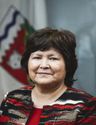
Committee Report 43-20(1): Standing Committee on Government Operations Report on Committee's Review of the Northwest Territories Power Corporation's Governance and Service Delivery Model, Deemed Read, Received and Adopted, Response from Government Requested
Reports Of Committees On The Review Of Bills

The Speaker

The Speaker Shane Thompson

Thank you, Member from Frame Lake. The motion is in order. To the motion.

Committee Report 43-20(1): Standing Committee on Government Operations Report on Committee's Review of the Northwest Territories Power Corporation's Governance and Service Delivery Model, Deemed Read, Received and Adopted, Response from Government Requested
Reports Of Committees On The Review Of Bills

Some Hon. Members

Question.

Committee Report 43-20(1): Standing Committee on Government Operations Report on Committee's Review of the Northwest Territories Power Corporation's Governance and Service Delivery Model, Deemed Read, Received and Adopted, Response from Government Requested
Reports Of Committees On The Review Of Bills

The Speaker

The Speaker Shane Thompson

The question has been called. All those in favor? All those opposed? All those abstaining? The motion is carried.

---Carried

Member from Frame Lake.

Committee Report 44-20(1): Standing Committee on Government Operations Report on the Review of Bill 32: An Act to Amend the Public Service Act, No. 2, Deemed Read, Received and Adopted, No Response from Government Requested
Reports Of Committees On The Review Of Bills

Julian Morse

Julian Morse Frame Lake

Thank you, Mr. Speaker. Mr. Speaker, your Standing Committee on Government Operations is pleased to provide its report on the review of Bill 32, An Act to Amend the Public Service Act, No. 2, and commends it to the House.

Committee Report 44-20(1): Standing Committee on Government Operations Report on the Review of Bill 32: An Act to Amend the Public Service Act, No. 2, Deemed Read, Received and Adopted, No Response from Government Requested
Reports Of Committees On The Review Of Bills

The Speaker

The Speaker Shane Thompson

Member from Frame Lake.

Committee Report 44-20(1): Standing Committee on Government Operations Report on the Review of Bill 32: An Act to Amend the Public Service Act, No. 2, Deemed Read, Received and Adopted, No Response from Government Requested
Reports Of Committees On The Review Of Bills

Julian Morse

Julian Morse Frame Lake

Thank you, Mr. Speaker. Mr. Speaker, I move, seconded by the Member for Great Slave, that Committee Report 44-20(1), Standing Committee on Government Operations Report on the Review of Bill 32, An Act to Amend the Public Service Act, No. 2, be deemed read and printed in Hansard in its entirety. Thank you, Mr. Speaker.

Committee Report 44-20(1): Standing Committee on Government Operations Report on the Review of Bill 32: An Act to Amend the Public Service Act, No. 2, Deemed Read, Received and Adopted, No Response from Government Requested
Reports Of Committees On The Review Of Bills

The Speaker

The Speaker Shane Thompson

Thank you, Member. The motion is in order. To the motion.

Committee Report 44-20(1): Standing Committee on Government Operations Report on the Review of Bill 32: An Act to Amend the Public Service Act, No. 2, Deemed Read, Received and Adopted, No Response from Government Requested
Reports Of Committees On The Review Of Bills

Some Hon. Members

Question.

Committee Report 44-20(1): Standing Committee on Government Operations Report on the Review of Bill 32: An Act to Amend the Public Service Act, No. 2, Deemed Read, Received and Adopted, No Response from Government Requested
Reports Of Committees On The Review Of Bills

The Speaker

The Speaker Shane Thompson

The question has been called. All those in favor? All those opposed? All those abstaining? The motion is carried.

---Carried

Insert report link

Member from Frame Lake.

Committee Report 44-20(1): Standing Committee on Government Operations Report on the Review of Bill 32: An Act to Amend the Public Service Act, No. 2, Deemed Read, Received and Adopted, No Response from Government Requested
Reports Of Committees On The Review Of Bills

Julian Morse

Julian Morse Frame Lake

Thank you, Mr. Speaker. Mr. Speaker, I move, seconded by the Member for Great Slave, that Committee Report 44-20(1), Standing Committee on Government Operations Report on the Review of Bill 32, An Act to Amend the Public Service Act, No. 2, be received and adopted by the Assembly. Thank you, Mr. Speaker.

Committee Report 44-20(1): Standing Committee on Government Operations Report on the Review of Bill 32: An Act to Amend the Public Service Act, No. 2, Deemed Read, Received and Adopted, No Response from Government Requested
Reports Of Committees On The Review Of Bills

The Speaker

The Speaker Shane Thompson

Thank you, Member from Frame Lake. The motion is in order. To the motion.

Committee Report 44-20(1): Standing Committee on Government Operations Report on the Review of Bill 32: An Act to Amend the Public Service Act, No. 2, Deemed Read, Received and Adopted, No Response from Government Requested
Reports Of Committees On The Review Of Bills

Some Hon. Members

Question.

Committee Report 44-20(1): Standing Committee on Government Operations Report on the Review of Bill 32: An Act to Amend the Public Service Act, No. 2, Deemed Read, Received and Adopted, No Response from Government Requested
Reports Of Committees On The Review Of Bills

The Speaker

The Speaker Shane Thompson

The question has been called. All those in favor? All those opposed? All those abstaining? The motion is carried. Committee Report 44-20(1) has been received and adopted by the Assembly.

---Carried

Reports of Standing Special Committees. Tabling of documents. Minister of Finance.

Tabled Document 513-20(1): 2026-2027 Consolidated Budget Tabled Document 514-20(1): Northwest Territories Hydro Corporation and Northwest Territories Power Corporation 2026-27 Corporate Plan
Tabling Of Documents

Caroline Wawzonek

Caroline Wawzonek Yellowknife South

Mr. Speaker, I wish to table the following two documents: 2026-2027 Consolidated Budget, and the Northwest Territories Power Corporation and Northwest Territories Hydro Corporation 2026-2027 Corporate Plan. Thank you, Mr. Speaker.

Tabled Document 513-20(1): 2026-2027 Consolidated Budget Tabled Document 514-20(1): Northwest Territories Hydro Corporation and Northwest Territories Power Corporation 2026-27 Corporate Plan
Tabling Of Documents

The Speaker

The Speaker Shane Thompson

Thank you, Minister of Finance. Tabling of documents. Minister of ITI.

Tabled Document 515-20(1): Prosper NWT 2026-2027 Corporate Plan ReporT Tabled Document 516-20(1): Northwest Territories Office of the Regulator of Oil and Gas Operations 2025-2026 Annual Report
Tabling Of Documents

Caitlin Cleveland

Caitlin Cleveland Kam Lake

Thank you, Mr. Speaker. I wish to table the following two documents: Prosper NWT 2026-2027 Corporate Plan, and NWT Office of the Regulator of Oil and Gas Operations 2025-2026 Annual Report. Thank you, Mr. Speaker.

Tabled Document 515-20(1): Prosper NWT 2026-2027 Corporate Plan ReporT Tabled Document 516-20(1): Northwest Territories Office of the Regulator of Oil and Gas Operations 2025-2026 Annual Report
Tabling Of Documents

The Speaker

The Speaker Shane Thompson

Thank you, Minister of ITI. Tabling of documents. Minister of Environment and Climate Change and Justice.

Tabled Document 517-20(1): Environmental Rights Act Annual Report 2025-2026 Tabled Document 518-20(1): Review of the Access to Information and Protection of Privacy Act: What We Heard Report
Tabling Of Documents

Jay MacDonald

Jay MacDonald Thebacha

Mr. Speaker, I wish to table the following two documents: Environmental Rights Act Annual Report 2025-2026, and Review of the ATIPP Act What We Heard Report. Thank you, Mr. Speaker.

Tabled Document 517-20(1): Environmental Rights Act Annual Report 2025-2026 Tabled Document 518-20(1): Review of the Access to Information and Protection of Privacy Act: What We Heard Report
Tabling Of Documents

The Speaker

The Speaker Shane Thompson

Thank you, Minister of Justice and ECE -- or ECC. Sorry, giving you a new department there.

Tabling of documents. Member from Great Slave.

Tabled Document 519-20(1): Cambridge Prisms: Global Mental Health article: “Socio-ecological factors associated with ecoanxiety following the 2023 wildfires among Northern and Indigenous youth in the Northwest Territories, Canada: Cross-sectional findings”
Tabling Of Documents

Kate Reid

Kate Reid Great Slave

Thank you, Mr. Speaker. Mr. Speaker, I wish to table an article from the publication Cambridge Prisms Global Mental Health titled, Socio-ecological factors associated with ecoanxiety following the 2023 wildfires among Northern and Indigenous youth in the Northwest Territories, Canada: Cross-sectional findings. Thank you, Mr. Speaker.
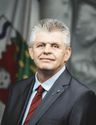
Tabled Document 519-20(1): Cambridge Prisms: Global Mental Health article: “Socio-ecological factors associated with ecoanxiety following the 2023 wildfires among Northern and Indigenous youth in the Northwest Territories, Canada: Cross-sectional findings”
Tabling Of Documents

The Speaker

The Speaker Shane Thompson

Tabling of documents.

Tabled Document 520-20(1): Frontiers in Climate article: “Reviving connections: Dene wellbeing and climate adaptation in Tthets'ehk'edeli”
Tabling Of Documents

Shane Thompson

Shane Thompson Nahendeh

Colleagues, I wish to table an article from the publication titled Reviving connections: Dene well-being and climate adaptation in Tthets'éhk'edélî. Thank you.

Tabling of documents. Notices of motion. Motions. Notices of motion for the first reading of bills. Minister of Infrastructure.

Bill 50: Marine Transportation Corporation Act
Notices Of Motion For First Reading Of Bills

Vince McKay

Vince McKay Hay River South

Mr. Speaker, I give notice that on Tuesday, June 2nd, 2026, I will present Bill 50, Marine Transportation Corporation Act, to be read for the first time. Thank you, Mr. Speaker.
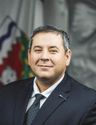
Bill 50: Marine Transportation Corporation Act
Notices Of Motion For First Reading Of Bills

The Speaker

The Speaker Shane Thompson

Thank you, Minister of Infrastructure. Notices of motion for the first reading of bills. Member from Frame Lake.

Bill 51: An Act to Amend the Local Authorities Elections Act
Notices Of Motion For First Reading Of Bills

Julian Morse

Julian Morse Frame Lake

Thank you, Mr. Speaker. Mr. Speaker, I give notice that on Tuesday, June 2nd, 2026, I will present Bill 51, An Act to Amend the Local Authorities Elections Act, to be read for the first time. Thank you, Mr. Speaker.

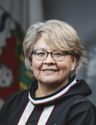
Bill 51: An Act to Amend the Local Authorities Elections Act
Notices Of Motion For First Reading Of Bills

The Speaker

The Speaker Shane Thompson

Thank you. Notices of motion for the first reading of bills. First reading of bills. Minister responsible for WSCC.

Bill 48: An Act to Amend the Workers' Compensation Act, No. 2
First Reading Of Bills

Vince McKay

Vince McKay Hay River South

Mr. Speaker, I wish to present to the House Bill 48, An Act to Amend the Workers' Compensation, Act No. 2, to be read for the first time. Thank you, Mr. Speaker.

Bill 48: An Act to Amend the Workers' Compensation Act, No. 2
First Reading Of Bills

The Speaker

The Speaker Shane Thompson

Thank you. First reading of bills. Second reading of bills. Consideration in Committee of the Whole of bills and other matters, with the Member from the Sahtu in the chair.

Consideration In Committee Of The Whole Of Bills And Other Matters

The Chair

The Chair Daniel McNeely

I will now call Committee of the Whole to order. What is the wishes of committee? Member from Inuvik Boot Lake.

Consideration In Committee Of The Whole Of Bills And Other Matters

Denny Rodgers

Denny Rodgers Inuvik Boot Lake

Thank you, Mr. Chair. Mr. Chair, I move the Chair rise and report progress.

Consideration In Committee Of The Whole Of Bills And Other Matters

The Chair

The Chair Daniel McNeely

Thank you to the Member. There is a motion on the floor to report progress. The motion is in order and non-debatable. All those in favor? All those opposed? The motion is carried.

---Carried

I will now rise and report progress. Mahsi.

Report Of Committee Of The Whole

The Speaker

The Speaker Shane Thompson

Report of Committee of the Whole. Member from the Sahtu.

Report Of Committee Of The Whole

Daniel McNeely

Daniel McNeely Sahtu

Thank you, Mr. Speaker. Your committee has been considering Bill No. 3, Tabled Document 445-20(1) and Tabled Document 483-20(1) and would like to report progress. And, Mr. Speaker, I move that the report of the Committee of the Whole be concurred with. Mahsi.

Report Of Committee Of The Whole

The Speaker

The Speaker Shane Thompson

Thank you, Member from the Sahtu. Can I have a seconder? Member from Range Lake. All those in favor? All those opposed? All those abstaining? Motion passed.

Report of Committee of the Whole. Third Reading Bills. Orders of the day, Mr. Clerk.

Orders Of The Day
Orders Of The Day

Clerk Of The House Mr. Glen Rutland

Thank you, Mr. Speaker. The Standing Committee on Economic Development and Environment will meet at the rise of House today.

Orders of the day for Monday, June 1st, 2026, at 1:30 p.m.

  1. Prayer or Reflection
  2. Ministers' Statements
  3. Members' Statements
  4. Returns to Oral Questions
  5. Recognition of Visitors in the Gallery
  6. Acknowledgements
  7. Oral Questions
  8. Written Questions
  9. Returns to Written Questions
  10. Replies to the Commissioner's Address
  11. Petitions
  12. Reports of Committees on the Review of Bills
  13. Reports of Standing and Special Committees
  14. Tabling of Documents
  15. Notices of Motion
  16. Motions
  17. Notices of Motion for First Reading of Bills
  18. First Reading of Bills

- Bill 49, Safer Communities and Neighbourhoods Act

19. Second Reading of Bills

  • Bill 48, An Act to Amend to Workers' Compensation Act, No. 2
  1. Consideration in Committee of the Whole of Bills and Other Matters
  • Bill 3-20(1), Carbon Tax Repeal Act
  • Bill 41-20(1), An Act to Amend the Real Estate Agents' Licensing Act
  • Tabled Document 445-20(1), 2025 Review of Members of the Northwest Territories Legislative Assembly Compensation and Benefits Report
  • Tabled Document 483-20(1), 2025-2026 Electoral Boundaries Commission Final Report
  1. Report of Committee of the Whole
  2. Third Reading of Bills
  3. Orders of the Day

Thank you, Mr. Speaker.

Orders Of The Day
Orders Of The Day

The Speaker

The Speaker Shane Thompson

Thank you, Mr. Clerk. This House stands adjourned until Monday June 1st, 2026, at 1:30 p.m.

---ADJOURNMENT

The House adjourned at 12:56 p.m.