Thank you, Member for Monfwi. The motion is in order. To the motion. Member for Thebacha.
Historical Information The Information below relates to a previous session of the Legislative Assembly.
Bill 60, An Act to Amend the Petroleum Products and Carbon Tax Act
Government Bill
19th Assembly, 2nd SessionIntroduced on Oct. 31, 2022
Bill Sponsor
Status
Law (Assent given) as of March 30, 2023
This bill has received Commissioner's Assent and is now law (but may not be in force yet).
Bill Text
We don't actually have a good way of downloading the text of a bill, but copies of the bill and all sorts of other information is available
on the Legislative Assembly's website under Documents.
Related Votes
March 29, 2023 Passed Third Reading of Bill 60: An Act to Amend the Petroleum Products and Carbon Tax Act, Carried
Nov. 1, 2022 Passed Second Reading of Bill 60: An Act to Amend the Petroleum Products and Carbon Tax Act, Carried
Oct. 31, 2022 Passed First Reading of Bill 60: An Act to Amend the Petroleum Products and Carbon Tax Act
Discussion & Mentions
Bill 60: An Act to Amend the Petroleum Products and Carbon Tax Act, Carried
Third Reading Of Bills
March 29th, 2023
Page 6051
See context
Bill 60: An Act to Amend the Petroleum Products and Carbon Tax Act, Carried
Third Reading Of Bills
March 29th, 2023
Page 6051
See context
Jane Weyallon Armstrong Monfwi
Thank you, Mr. Speaker. Mr. Speaker, I wish to talk about the reality for our people in small communities; and I represent majority of Tlicho people from four communities.
Yesterday we talked about which colonial government to trust, the federal or territorial government. As an Indigenous person, we have trust issues because we know what the colonial government did to our people. Through the colonization, they tried to assimilate us. In the process, they ruined our life and we are still feeling the impact of it. Not only that, pushing us aside while they exploit our land.
Mr. Speaker, we are struggling with limited economic activity and high cost of living. The health status report of our people from 2018 report has not changed much. When you go to our community, you will see it and feel it. We have a lack of essential services that require people to leave the community to access those services. People leave the community to access health care services, get supplies and materials from Yellowknife. This, while all the cost of living continues to increase. Not only are those supplies more expensive but the gasoline to get those supplies is also more expensive. Residents obtain these more expensive supplies, spend more money on gas to get them, and then they are being impacted by higher heating fuel costs when they get home as well. Now a carbon tax, another tax that our residents in small communities must pay while they struggle to make ends meet.
Mr. Speaker, I am not certain the government understands what this carbon tax means. Due to climate change and the mines, our traditional way of living is impacted. Due to the restriction in place on caribou and the mobile hunting zone, our residents must travel further than ever to be able to hunt. The ability to hunt for caribou is becoming more difficult. Now it is also becoming more expensive. I feel for all the Tlicho people because of the restriction. They cannot hunt the caribou in their backyard but travel hundreds of miles towards the mines to hunt caribou and spend more money to gas, wear and tear on the hunting equipment, more cost and more cost for them. This, all while trying to look -- while trying and looking to hunt in a sustainable way to access the land and harvest animal for their family and community. We are putting more roadblocks on our hunters through this tax.
How will my residents benefit from the carbon tax? I looked through the budget. I see nothing for my region that will make the changes we need. We need housing and health care. Mental health is a huge concern. Getting people on the land helps promote healthy lifestyle. This carbon tax will stop people from going on the land and limiting people from getting on the land as well.
Our winter roads are becoming less reliable. Our climate is changing. And we are being charged this tax as if it is our fault; the people who are causing these emissions. This is not fair, Mr. Speaker. This tax is coming, I understand that, whether it is GNWT or federal government, however I want to see benefits going to people, not to the mines who make so much money already. I want to see community government get support and people get support as well, more on the land programming to offset the high cost that this tax is creating. This tax should support our community government and help them deliver recreation program, which is something our youth are calling for. It should promote getting on the land, which is something all people are asking for.
With this in mind, Mr. Speaker, I do not support the carbon tax proposed by this government. They can do a better job by working with the Indigenous government and people. That is consensus government. Thank you.
Bill 60: An Act to Amend the Petroleum Products and Carbon Tax Act, Carried
Third Reading Of Bills
March 29th, 2023
Page 6051
See context
The Speaker Frederick Blake Jr.
Thank you, Member for Nunakput. The motion is in order. To the motion. Member for Monfwi.
Bill 60: An Act to Amend the Petroleum Products and Carbon Tax Act, Carried
Third Reading Of Bills
March 29th, 2023
Page 6051
See context
Jackie Jacobson Nunakput
Thank you, Mr. Speaker. You know I'm dead set against Bill 60. Cost of living in my riding. The heating fuel and gas over the last year, diesel and gasoline have gone up in Nunakput. Our heating fuel has gone up 25 percent. Our automotive diesel, 24 percent. Gasoline an average 12 percent. Food prices. The price of food going up, we can't afford to buy food in my riding with the monies that we get from getting help. Nunakput communities are the highest food price index in the Northwest Territories. Over 50 percent of families in Nunakput are worried about having enough money for food. Almost half of the residents in Nunakput are worried about they don't have enough money for food all the time or often. We have to hunt; hunt to eat. 67 percent of households in Nunakput eat country food. Half -- half of them -- or half the time all families eat straight country food. The price of power continues to go up in the NWT. The cost of power in my riding, amongst the highest rates. For example, again, Sachs Harbour $2.02 a kilowatt. Housing, the insufficient housing. They're old. They're 40-year-old Webber units. Residents have to pay the price for poorly built housing units. Housing NWT are doing renovations only in 2023-2024, only approximately eight percent of the houses in my region. Housing NWT renovate units not fast enough to keep up with the housing problems. 30 percent of Nunakput homes are overcrowded. Inflation across Canada is at an all-time high. In the NWT inflation is higher than Canada's seven percent. Household income. Nunakput has the highest living costs in the difference in the NWT. 18 percent people in Nunakput considered to have low incomes. Nunakput is over $50,000 below average. Families have in the NWT prices on all goods and services in our region is the highest. Over 10 percent of the families in my riding live on less than $30,000 a year. 344 people in Nunakput live on income assistance. That's 17 percent.
You know, Mr. Speaker, our employment, we have no employment opportunities in my riding. You know, the offshore moratorium is still a go. Everything's on hold. In the outlying communities, there's only so many jobs that go around. And people are -- those jobs are taken until retirement.
Impact on Nunakput communities on Bill 60. An estimated total household carbon tax burden for Nunakput averages $899 for 2023-2024. People in Nunakput can barely live, put food on the table, find employment and earn income to pay for the heat, the power, and the housing. How can we tax people who have nothing to give, Mr. Speaker? Small communities can't afford the carbon tax. Residents should be penalized for where we live? It's not providing -- the GNWT is not putting enough offsets into this carbon tax. The cost of living offset in -- is a step in the right direction. Some small -- some people in the small communities struggle. Our elders, single parents, our widows, our low-income residents all struggle. Ottawa and the GNWT is out for the Beaufort Delta isn't working -- isn't looking out for the Beaufort Delta. Ottawa is squeezing us financially with this tax while it imposes a moratorium on our resource development but doesn't return nothing back for that.
Mr. Speaker, the GNWT, let's not do their dirty work. We're doing their government's dirty work here. I don't want to be painted with that brush when this carbon -- if it goes through. We should be speaking up in all -- all of our Members should be standing together and standing up against Ottawa. Let's take that federal backstop. Let them deal with it. It's really concerning to me, Mr. Speaker, that, you know, this side of the House we've been hearing last six weeks of how we're all struggling across the North with COVID and everything that's been going on and the impacts that it's been having socially, mentally, on our youth, the suicides, all that stuff that we deal with, and yet we're going to stand here and tax our own again? It's not -- it's not a bad thing to let Ottawa take this carbon tax, Mr. Speaker. It's not bad. I know my Minister. I trust her too. She's good at what she does. But at the end of the day, let's not take that -- the burden on us because that's what we're doing. We're lightening the load for Ottawa. We have to stand up for each other as 11 Regular Members, as this side of the House, I wish when the vote comes we all stand up together, be united, and that's going to show the Liberal government in Ottawa that we stand together and united to work for the betterment of the people and not take this tax on.
If Ottawa insists on this tax, Mr. Speaker, it should impose a tax throughout the backstop. The GNWT isn't taking a meaningful control. If anything, the North should be paid for cleaning southern air. Our carbon emission across our territory is 0.05 percent, Mr. Speaker. They should be giving us more.
Mr. Speaker, in conclusion, this bill will impact all residents of the Northwest Territories, especially those in small communities, in the High Arctic, who already face the highest cost of living.
Mr. Speaker, I oppose this bill. I encourage anyone who is concerned about this bill and these Members have been hearing about it all day today to stand up and be counted and stand up for the small communities in the Northwest Territories and let's work together to let Ottawa -- let them do their dirty work and then we could -- we could start off on the right foot tomorrow morning.
Mr. Speaker, this is so near and dear to my heart. You know it as well as I do, people are going without. Again, our elders I worry about, our widows, our single parents. Everybody's struggling across the North but yet this government's going to take, impose this tax, impose it on the people that we're here to stand up for them. Stand up for them and be counted.
I want to thank all the Members in this House in regards who's going to stand up with me in regard to opposing this bill. And I wish my colleagues across the floor, I wish that was a free vote. I wish it was a free vote so that they could be able to stand up for their people who put us here. Not our deputy ministers, not our Premier, not anybody in the back and your employees, the people who voted you in put you here to represent them. Representing them? This is not representing them. We're doing Ottawa's dirty work. We have to stop it. We got to kill Bill 60. I urge my Premier and her Cabinet to stand up with us and send a message to Ottawa, and we'll work together, and we'll take the brunt of it from Ottawa. And I'll be standing right behind her. But, Mr. Speaker, I oppose Bill 60.
I thank all my -- all the Members here that we've been -- it's been a long six weeks, and it's been a long, few days. We've been working long days. And, you know, we get emotional about what's happening. There's a lot going on in our home communities. Just think about it. Somebody's hungry tonight, cut off income support, can't get nothing, when we could do so much. They have the authority to do so much but they choose not to. Thank you, Mr. Speaker.
Bill 60: An Act to Amend the Petroleum Products and Carbon Tax Act, Carried
Third Reading Of Bills
March 29th, 2023
Page 6050
See context
The Speaker Frederick Blake Jr.
Thank you, Member for Kam Lake. The motion is in order. To the motion. Member for Nunakput.
Bill 60: An Act to Amend the Petroleum Products and Carbon Tax Act, Carried
Third Reading Of Bills
March 29th, 2023
Page 6050
See context
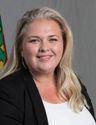
Caitlin Cleveland Kam Lake
Mr. Speaker, yesterday during Committee of the Whole's review of Bill 60, An Act to Amend the Petroleum Products and Carbon Tax Act, I had too much to say and ran out of time. So I am thankful for this added time.
Mr. Speaker, we can all agree that increases the cost of living for NWT residents is not what we want. But that is not why we are here. This bill does not decide if we want a carbon tax or not. The federal government imposed the carbon tax on January 1st, 2019, and only the federal government can choose to get rid of the carbon tax. This bill is to decide who will administer the carbon tax revenues in the NWT. Our choices are either the GNWT, through Bill 60, or the federal government through a federal backstop.
In a published letter from the NWT Chamber of Commerce in regards to Bill 60, they stated, quote, "The GNWT boasted in 2019 its cost of living rebate program could see some residents receiving more than they spent on increased energy prices; however, the feds have now moved the goalposts, hiking carbon, national carbon pricing targets for 2023 to 2030, and Ottawa has closed the loophole and will prohibit carbon tax rebates that directly offset, reduce, or negate the impact of the carbon tax. With operating costs for NWT businesses increasing after the carbon tax rebate on heating fuel is removed, logic dictates that some or all of those costs will be passed to consumers. Does the federal government not understand there are no economically viable energy alternatives currently available here? Does it not understand the damage that will be caused to the private business sector and the overall economy if the NWT can't be exempt from the proposed changes from the bill?"
Viable alternative energies, while not in the bill itself, is a critical part of this conversation. We are being taxed for using old infrastructure through an energy monopoly, a tax that wants to force us to make better choices. But better choices for energy alternative options don't exist in the Northwest Territories. The tax shows the reality that those making the decisions at the federal level do not understand the realities of life North of 60. The big city privilege assumes that we have alternative energies we simply are ignoring. This is not the case and this government, along with the federal government, needs to work together to make alternative energy solutions affordable and accessible in the North. This means realistic cost sharing agreements and applicable criteria that reflect northern realities. This also means the GNWT needs to review its and NTPC policies to support alternative energy solutions.
Mr. Speaker, on one hand we have Bill 60 where the GNWT administers carbon tax. Regular Members have negotiated revenue sharing for community government for this year along with the regional cost of living offsets depending on where residents live. But the revenue sharing is not in legislation and does not include small and medium business, NGOs, or Indigenous governments. This means there is no guarantee that the next government will continue the precedent, for example of revenue sharing, with community governments.
On the other hand, there is the option to vote down Bill 60 and the federal backstop kicks in and the federal government will administer the carbon tax. From what I have seen, it appears the federal government does not want to administer carbon tax revenues and in other jurisdictions, like the Yukon, they have implemented a backstop similar to what we're -- some of us are requesting through committee work.
Cost of living offsets, revenue sharing, and reporting. But we can't say for sure what the federal government will do come April 1st because they have refused to share with the NWT what the federal backstop will look like.
Mr. Speaker, we are in what feels like a no-win situation. I want, I want a GNWT administered carbon tax with a law that requires all carbon tax revenues to be rebated to households, businesses, community governments, Indigenous governments, and non-governmental organizations, along with clauses that address accounting and annual reporting expectations. But because the current bill does not speak to revenue sharing, once tabled this information cannot be added to the bill that is before us today and would be deemed out of scope. So I am being asked to choose between something I don't like and that asks me to trust, not this, but every future Cabinet in the GNWT, or an unknown federal backstop.
Mr. Speaker, I want to be clear. I trust Minister Wawzonek. She has made great efforts in the past couple of months to try to find ways to collaborate with committee within the unfortunately too narrow scope of the bill. This Minister is an incredibly smart person who has proven herself capable and worthy of her role, and I trust her heart. But, Mr. Speaker, could I stand in this House and say that I trust every Minister equally? No, I could not. Could I stand in this House today and say that I trust every Minister that is elected by future Assemblies? No, I could not. It is our job to pass legislation that can stand without us. So while I trust Minister Wawzonek, I cannot say that I trust who may serve after her and make revenue sharing decisions on behalf of the Department of Finance in the future.
Yesterday in Committee of the Whole, the Minister was sincere and clear in her attempts to make reparations with committee, and I sincerely appreciated this. The Minister indicated that she would like to find a way to bring forward some type of regulation or legislation that documents revenue sharing, and I appreciate this. But, Mr. Speaker, as I read from the 18th Assembly Standing Committee on Government Operations report on the carbon tax bill, the similarity of feedback from the 18th and 19th Assemblies was glaring. Much of the same concerns were raised in the last Assembly. And here I was, standing in front of a different Minister with the same department who, again, brought forward a mirror image bill, that does not address any of the concerns raised and did not make attempt to address any of them in the 19th Assembly's bill.
Furthermore, Mr. Speaker, this legislation does not have a statutory review clause, meaning it could continue as legislation without review or opportunity for review for as long as the government chose. And because the amendments I want to see deal with money, proposed amendments can't even come from this side of the House.
I would like Ministers and the GNWT to learn from my words today. I am not supporting Bill 60 because of the government's missed opportunity to open a committee report tabled in the previous Assembly that discussed the same topic with the same concerns and the same unwelcome response. This bill was just as contentious in the 18th Assembly, and no effort was made to amend the bill, to improve the bill, or learn from what happened last time, and history repeated itself.
So how can I believe that now things will be different? Committee reports are the words of stakeholders, Mr. Speaker, the residents of the Northwest Territories, and need to be responded to with more effort and care and read with greater openness to hear, reflect, and grow.
It gives me zero satisfaction to not support the bill. I'm going to repeat that, Mr. Speaker. It gives me no satisfaction to not support the bill. But I am committed to pursuing the best possible option for the people I serve. My constituents, including business owners, NGO operators, and community governments, deserve the certainty and transparency this year and in future years of consistent revenue sharing that reflects future increases in the carbon tax and transparent reporting. Thank you, Mr. Speaker.
Bill 60: An Act to Amend the Petroleum Products and Carbon Tax Act, Carried
Third Reading Of Bills
March 29th, 2023
Page 6050
See context
The Speaker Frederick Blake Jr.
Thank you, Minister. The motion is in order. To the motion. Member for Kam Lake.
Bill 60: An Act to Amend the Petroleum Products and Carbon Tax Act, Carried
Third Reading Of Bills
March 29th, 2023
Page 6050
See context
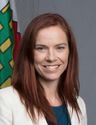
Caroline Wawzonek Yellowknife South
Mr. Speaker, I move, seconded by the honourable Member from Hay River North, that Bill 60, An Act to Amend the Petroleum Products and Carbon Tax Act, be read for the third time. Mr. Speaker, I request a recorded vote.
Bill 60: An Act to Amend the Petroleum Products and Carbon Tax Act, Carried
Second Reading Of Bills
November 1st, 2022
Page 4989
See context
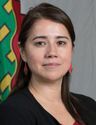
The Deputy Speaker Lesa Semmler
Question has been called. All those in favour? All those opposed? All those abstaining?
The motion is carried. Bill 60 has had second reading and is referred to standing committee for further consideration.
---Carried
Second reading of bills. Consideration in Committee of the Whole of bills and other matters. Bill 23, Bill 29, Committee Report 36-19(2), Minister's Statement 264-19(2), Tabled Document 681-19(2), Tabled Document 694-19(2), Tabled Document 723-19(2), Tabled Document 747-19(2), and Tabled Document 748-19(2).
And Members, by the authority given to me by Motion 1-19(2), I hereby authorize the House to sit beyond the daily hours of adjournment to consider the business before the House. Member for Deh Cho in the chair.
Bill 60: An Act to Amend the Petroleum Products and Carbon Tax Act, Carried
Second Reading Of Bills
November 1st, 2022
Page 4989
See context
Some Hon. Members
Question.
Bill 60: An Act to Amend the Petroleum Products and Carbon Tax Act, Carried
Second Reading Of Bills
November 1st, 2022
Page 4989
See context
Bill 60: An Act to Amend the Petroleum Products and Carbon Tax Act, Carried
Second Reading Of Bills
November 1st, 2022
Page 4989
See context
Jane Weyallon Armstrong Monfwi
Thank you, Madam Speaker. I too will not support this carbon tax, you know, especially now, especially now with my constituent -- many of my constituents are struggling as it is, with high cost of living and with fuel price increase in many of the small communities. So there is a lot of struggling happening right now. I know that. I am aware of that because I come from a community -- from small communities -- from a small community in the region. So this is an additional burden for my people so I will not support this carbon tax at the moment. Thank you.
Bill 60: An Act to Amend the Petroleum Products and Carbon Tax Act, Carried
Second Reading Of Bills
November 1st, 2022
Page 4989
See context
Bill 60: An Act to Amend the Petroleum Products and Carbon Tax Act, Carried
Second Reading Of Bills
November 1st, 2022
Page 4988
See context
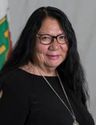
Frieda Martselos Thebacha
Thank you, Madam Speaker. I too don't like the Carbon Tax Act, and I know it's being kind of shoved down the throats of all Northerners. The most vulnerable population are the ones that are going to be affected by this mostly, and everybody in the Northwest Territories. And I'm willing to go with the second reading but I have a lot of -- a lot of situations within my own constituency that are pending, and one of the ones is the -- you know, the Public Utilities Board is doing a review of electricity in the community of Thebacha. And we have the NTPC expansion project near our constituency and yet they want to increase our rates by 20 percent over two years. And those are unreasonable wants by the NTPC board and the NTPC establishment. And, you know, but I also am in favour of greener energy and there's no more greener energy than hydro. And that expansion is going to be good for the whole Northwest Territories, including Yellowknife.
I don't understand how some of my colleagues could talk about environment and all these other things and not understand that the best energy possible, for greener energy, is hydro; not all these other things that come about with the mini whatever. Those end up costing more. You either do it on a big scale and look after everyone or you don't do it at all. And that's the way I feel. And we have to be also considerate with the, you know, talk about larger remitters. A lot of those larger remitters are employing a lot of people in this territory. And, you know, we have to be open for business. We're never going to balance any budgets here or anything else if we are not open for business. The business community is suffering in the Northwest Territories. And, you know, we always -- it's easy to criticize larger business, medium businesses, and smaller businesses. And, you know, we have to see -- look over -- have a look overall at what we're deciding when we're considering this Carbon Tax Act. And I know that it's not good for no one. And how we can get that message across to our federal partners is something we're going to have to look at. And, you know, the Minister mentioned something about having a look at some of the conditions and relaying those messages, and I think those messages have got to be relayed, because it's a major problem for each and everybody in this room, outside our -- all of our people that we represent and especially the vulnerable population. Thank you, Madam Speaker.
Bill 60: An Act to Amend the Petroleum Products and Carbon Tax Act, Carried
Second Reading Of Bills
November 1st, 2022
Page 4988
See context