
Thank you, Mr. Speaker. Saying we're going to change the strategy and actually presenting a new strategy are discrete concepts. So we had a nice document called Restoring Balance, had a press conference, it was -- we could hold it and could read it. Can the Minister commit to a new version of that updated for the changing circumstances? It has nothing to do with the government's management of the economy. And we can see it for ourselves what they intend to do with our taxpayers' dollars? Thank you, Mr. Speaker.
Debates of Oct. 23rd, 2025
This is page numbers of the Hansard for the 20th Assembly, 1st Session. The original version can be accessed on the Legislative Assembly's website or by contacting the Legislative Assembly Library. The word of the day was know.
Topics
Oral Questions
Oral Questions
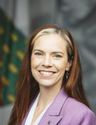
Caroline Wawzonek Yellowknife South
Thank you, Mr. Speaker. Mr. Speaker, I am more than happy to come back again. I mean, every year before and as part of the budget process, there's a fairly lengthy set of papers that get produced. Also this term, there would have been the fiscal update that was provided to give the public a sense of where we're at in terms of a government and our fiscal situation, and the fiscal responsibility policy, and a lot of the indicators that go with it. So I'm pleased to -- that people want to hold those documents. I also want to hold those documents. They are available -- generally, they're made available on the website. I will make sure that that's again happening and certainly can commit to making sure that we're, again, putting fiscal papers out, both online, and if people want them printed, well, that costs money, Mr. Speaker, but they're online. Thank you.
Oral Questions
Oral Questions
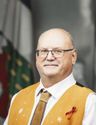
The Speaker Shane Thompson
Thank you, Minister of Finance. Oral questions. Member from Yellowknife North.
Oral Questions
Oral Questions

Shauna Morgan Yellowknife North
Thank you, Mr. Speaker. I'd like to ask questions now to the Minister of Health and Social Services, also about mental health and psychiatric supports for children and youth. So I understand that health and social services is doing some kind of review of the entire system of youth mental health treatment. Can the Minister tell us what stage of the review it's at and when we can expect a decision or an action plan on a way forward? Thank you, Mr. Speaker.
Oral Questions
Oral Questions
The Speaker Shane Thompson
Thank you, Member from Yellowknife North. Minister of Health and Social Services.
Oral Questions
Oral Questions
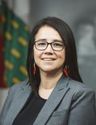
Lesa Semmler Inuvik Twin Lakes
Thank you, Mr. Speaker. Mr. Speaker, I'd have to go back to NTHSSA on -- you know, the department. I'm not sure if they're -- what type of a review is going on. However, there are a variety of mental health supports throughout the system. But we continue to review mental health supports for children and youth. The department is working closely with partners to ensure that youth have timely access and appropriate supports ranging from early intervention and school-based services to clinical, virtual, and family support. However, the increased challenges of providing responsive specialized services to support complex needs of children and youth continue to be significant pressure, and the work is on going. Thank you, Mr. Speaker.
Oral Questions
Oral Questions
Shauna Morgan Yellowknife North
Thank you, Mr. Speaker. So I noted in my statement, and it was also one of the recommendations that the standing committee made in its review of the Mental Health Act, that the lack of a pediatric psychiatry unit at Stanton is a serious gap that needs to be addressed. Can the Minister tell us how she'll be addressing this gap in pediatric psychiatric care? Thank you, Mr. Speaker.
Oral Questions
Oral Questions
Lesa Semmler Inuvik Twin Lakes
Thank you, Mr. Speaker. Mr. Speaker, right now, access to specialized psychiatric services for children and youth continue to be challenging in our territory. While we do not currently have an in-patient pediatric psychiatry unit, children and youth in need of in-patient psychiatric care can be assessed and provided with basic treatment at Stanton Territorial Hospital. If there is need for, you know, more services, those would be referred through the health system outside. So to better meet the pediatric mental health needs, we also are utilizing the CYC staff which do provide connection when there are youth that are admitted in-patient onsite at Stanton, as mentioned previously, engagement with other providers. And so there is a review of best practices and considerations of potential options underway in a response to standing committee's recommendations. Thank you, Mr. Speaker.
Oral Questions
Oral Questions
The Speaker Shane Thompson
Thank you, Minister of Health and Social Services. Final supplementary. Member from Yellowknife North.
Oral Questions
Oral Questions
Shauna Morgan Yellowknife North
Thank you, Mr. Speaker. And in terms of options for out of territory psychiatric treatment, my understanding currently is that to get your child enrolled you have to go to social services and prove that you've exhausted all in-territory options. So given that many families may avoid going to social services for fear of having their kids taken away, worst case scenario, will the Minister investigate other options for approving out of territory psychiatric treatment for children, such as referral by a psychiatrist for example? Thank you, Mr. Speaker.
Oral Questions
Oral Questions
Lesa Semmler Inuvik Twin Lakes
Thank you, Mr. Speaker. And, Mr. Speaker, I just want to first of all say that child and family services is there to support families and children. So the way that we are trying to change the way that we're looked at is that if you've exhausted all services in the Northwest Territories as a family, whether it's financial, you know, if there's issues within the home, if you're a family that, you know, is having a hard time accessing care, then there is a voluntary service area where you can work with the child and family service team that can support you. So gone are the days where we are going to first take your children away and then only provide you supports. And if that instance comes up, please let me office know. But first, to answer the Member's question, is access to some -- as I said, specialized psychiatric services are supported through health referrals. In addition, child and family services uses contracted programs that may coordinate with external agencies to provide wraparound psychiatric assessments or treatment as part of a broader service delivery. So out of territory services through child and family services, there is a protocol that you have to be part of the service. So like I said, a voluntary service agreement with the family. For Indigenous, there's alternate through Indigenous Service Canada. Yeah, and so any additional supports if needed to apply, families can contact their local child and family service community counselling program office, depending on the nature of the support. Thank you.
Oral Questions
Oral Questions
The Speaker Shane Thompson
Thank you, Minister of Health and Social Services. Oral questions. Member from Yellowknife Centre.
Oral Questions
Oral Questions

Robert Hawkins Yellowknife Centre
Thank you, Mr. Speaker. Mr. Speaker, recently I was looking at the medical travel expense claim form, and I was looking at this form and I noticed the -- a constituent drew to my attention that the daily rate for meals is $18. It's hard to imagine, Mr. Speaker. And they pointed out to me, they said, you know, if I went to McDonald's, that would be the $18, buying a quarter pounder with cheese or, you know, some type of Big Mac, Mr. Speaker.
Mr. Speaker, my question for the Minister of Health and Social Services is when was the last time this daily rate was ever looked at? Thank you, Mr. Speaker.
Oral Questions
Oral Questions
The Speaker Shane Thompson
Thank you, Member from Yellowknife Centre. Minister of Health and Social Services.
Oral Questions
Oral Questions
Lesa Semmler Inuvik Twin Lakes
Thank you, Mr. Speaker. Mr. Speaker, and I appreciate that question. I think in the last government this policy was looked at. However, to the $18 a day, that is -- those who are travelling, whether it be NIHB through Metis benefits or through our medical travel policy, if you're travelling for an insured service and you're covered through those policies, what we try to do is make sure they're equitable. NIHB is the guiding equitable rates that we use. And this is type of funding that we get. And most people that are travelling for medical travel, they're usually either travelling under that, and if they're low income, they stay at the boarding home, which there's meals and accommodations. If you're over that income threshold, then that's where that will come in. If you choose not to stay at the boarding home, then you have to go by those. But, however, I will say that as part of the medical travel modernization, we -- in the means of trying to bring services closer to home, which will reduce the amount we spend on medical travel, that we could free up some dollars, and we can look at these priorities. Thank you.
Oral Questions
Oral Questions
Robert Hawkins Yellowknife Centre
Mr. Speaker, I think what was missed in that really good extensive and long answer was when was the last time this number was looked at. Maybe I'll ask it this way: When was it $18 a day for your meal per diem, the whole meal day; when was that set? Thank you, Mr. Speaker.
Oral Questions
Oral Questions
Lesa Semmler Inuvik Twin Lakes
Mr. Speaker, the date, I don't have that information, so I'll get back to the Member for the date that that was set.
Oral Questions
Oral Questions
The Speaker Shane Thompson
Thank you, Minister of Health and Social Services. Final supplementary. Member from Yellowknife Centre.
Oral Questions
Oral Questions
Robert Hawkins Yellowknife Centre
Thank you, Mr. Speaker. Mr. Speaker, this number's one of those things you could make a lot of fun out of it. But to get right down to the nitty-gritty is is there a way to get this number revisited? Because I don't know anybody who could travel on medical travel and only eat their full day's worth of meals for $18. So in other words, would the Minister be willing to go back and look at the inflationary costs of what even a basic meal costs to ensure our citizens are treated fairly and respectfully? Thank you, Mr. Speaker.
Oral Questions
Oral Questions
Lesa Semmler Inuvik Twin Lakes
Thank you, Mr. Speaker. Mr. Speaker, through our medical travel policy, as I stated, we do have the boarding homes in the capital here for those that are travelling into the capital for specialized appointment as well as in Inuvik, in the regional centre, and in Edmonton at Larga, and so those -- most people, if they're -- you know, if they're travelling through, if you have work insurance that your work insurance will be paying that. If you do not have work insurance or if you're a senior, you will qualify and you're not under NIHB. You'll qualify if you're low income. And if there's hardship, then you can stay at the boarding home, and you will get your meals. So those are always exceptions. Thank you, Mr. Speaker.
Oral Questions
Oral Questions
The Speaker Shane Thompson
Thank you, Minister of Health and Social Services. Oral questions. Member from Range Lake.
Oral Questions
Oral Questions
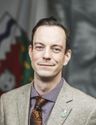
Kieron Testart Range Lake
Thank you, Mr. Speaker. Mr. Speaker, Members have raised the issue of online bookings for primary care appointments in this House often. If you go to a private clinic in Yellowknife, you can do online booking, as I have done from time to time, to stay out of the emergency room. So my understanding is the Health Information Act is preventing this change. Can the Minister confirm if it is, in fact, the Health Information Act that prevents us from online booking systems in primary care appointments? Thank you.
Oral Questions
Oral Questions
The Speaker Shane Thompson
Thank you, Member from Range Lake. Minister of Health and Social Services.
Oral Questions
Oral Questions
Lesa Semmler Inuvik Twin Lakes
Thank you, Mr. Speaker. Mr. Speaker, it is more complex, and so in order for to get the okay, we have to go through the -- I think it's information systems. And so that is a critical part of this. The other piece is it's not connected to our EMR, and that is the system that they use for appointments in our EMR system, and they will not talk, and therefore it will duplicate work making more work for the frontline staff if there were more processes. We are looking at options in the interim; however, you know, we are just looking to replace our EMR. Thank you, Mr. Speaker.
Oral Questions
Oral Questions
Kieron Testart Range Lake
Thank you, Mr. Speaker. So just for absolute clarity, the issue is a system's issue and not a legislative issue? Thank you.