This is page numbers of the Hansard for the 20th Assembly, 1st Session. The original version can be accessed on the Legislative Assembly's website or by contacting the Legislative Assembly Library. The word of the day was work.

Topics

Members Present

Hon. Caitlin Cleveland, Mr. Edjericon, Mr. Hawkins, Hon. Lucy Kuptana, Hon. Jay MacDonald, Hon. Vince McKay, Mr. McNeely, Ms. Morgan, Mr. Morse, Ms. Reid, Mr. Rodgers, Hon. Lesa Semmler, Hon. R.J. Simpson, Mr. Testart, Hon. Shane Thompson, Hon. Caroline Wawzonek, Mrs. Weyallon Armstrong, Mrs. Yakeleya

The House met at 1:31 p.m.

---Prayer or reflection

Prayer Or Reflection

The Speaker

The Speaker Shane Thompson

I'd like to thank the two elders for the opening prayer. Colleagues, before we begin, I would like to take a moment to thank the grade 6 student the from Ecole William McDonald Middle School who are visiting us and are in the gallery this afternoon. Please join me in thanking these students for being here today.

Ministers' statements. Mr. Premier.

Minister's Statement 185-20(1): Strengthening Support for Non-Government Organizations in the Northwest Territories
Ministers' Statements

R.J. Simpson

R.J. Simpson Hay River North

Mr. Speaker, non-government organizations have long been at the heart of northern communities. Every day, NGOs deliver essential services that help residents find safety, stability, and the support they need to move forward. Their work is grounded in deep local knowledge, strong community relationships, and a long history of stepping up when people need help the most.

Today, I want to speak to the important steps our government is taking to strengthen the essential services Northerners rely on by improving how we support the organizations that deliver them. This year's budget proposes $2.3 million in new, permanent funding to help stabilize critical NGO-delivered shelter and supportive housing services across the territory.

This investment responds to long-standing funding pressures raised by our partners. It provides stable resources to help address staffing challenges, rising operational costs, and the need for predictable funding that allows organizations to plan ahead. Most importantly, it helps ensure that emergency shelters and supportive housing programs remain open, reliable, and there for the residents who depend on them.

Alongside this new funding, we are improving how we work with the NGO sector. Through service integration work that is already underway, regular engagement with housing and shelter partners, and new federal investments delivered in partnership with community organizations, we are building a more stable and sustainable system of supports, grounded in the expertise of organizations that have been doing this work for generations.

For decades, NGOs have been the GNWT's essential partners in responding to homelessness and housing insecurity. They deliver emergency shelters, supportive housing, transitional programs, drop-in services, counselling and outreach, all of which contribute to healthier, safer communities. Across the territory their efforts reduce pressure on health, justice, and social supports while improving outcomes for some of our most vulnerable residents.

This year, the YWCA-NWT is celebrating its 60th anniversary. This milestone is a reminder of the long history of community leadership in our territory. For six decades, the YWCA has provided housing, emergency shelter, family support, and programs that continue to make a real difference in people's lives. Many of the services Northerners rely on today exist because organizations like the YWCA have shown leadership, compassion, and a deep commitment to community well-being.

Mr. Speaker, our government values the role that NGOs play in our communities, and we recognize the importance of ensuring these organizations have the stability they need to continue supporting residents for many years to come. The new funding included in this year's budget represents an important step in strengthening that foundation. I want to thank all NGOs across the territory for their dedication and their tireless work, and I congratulate the YWCA-NWT on six decades of service. Thank you, Mr. Speaker.

Minister's Statement 185-20(1): Strengthening Support for Non-Government Organizations in the Northwest Territories
Ministers' Statements

The Speaker

The Speaker Shane Thompson

Thank you, Mr. Premier. Ministers' statements. Members' statements. Member from Frame Lake.

Member's Statement 917-20(1): Parameters for Primary Care in Northwest Territories Healthcare
Members' Statements

Julian Morse

Julian Morse Frame Lake

Thank you, Mr. Speaker. Mr. Speaker, yesterday I was pleased to hear from our finance Minister about the successes the health recruitment unit has been having recently. The updates she shared were welcomed news indeed. Where I am left with some questions is what the overall picture is looking like considering these successes. It would be helpful to know what we are ultimately working to achieve and how close we are to that goal. I am also concerned that despite questions being raised repeatedly at committee and in this House, it is not yet clear to the public what parameters need to be met in our healthcare system to be able to say that residents have adequate access to care. I will continue to repeat that we need to be clear about this so that this Assembly can measure our progress against targets and hold the Minister and department to account and also so that all the work that staff are doing on recruitment, workforce stabilization and planning, and fiscal sustainability, is framed by what we are ultimately trying to achieve and flows towards those goals. This is so basic and fundamental that I feel silly repeatedly raising this point, but I am yet to see these goals clearly articulated in a way that I and the public can understand them so until I do see this, I am going to operate with the understanding that we don't know what we're working to achieve, which, if it is true, is a big problem.

What I want to know are the basics. People have been grouped under care teams, for example. What is the ideal panel size for a care team, and what workforce needs do we need to meet to achieve that? What is our target maximum wait time for a resident to be triaged and access a health care provider in their panel based on urgency? What is our target emergency room wait time, and what workforce goals do we need to meet to achieve that?

I raise points like these because this is how I relate to the healthcare system as a resident and a patient. The complexities of everything that is being done to get us to the ultimate goals is good information to have access to, but when residents are struggling to get appointments to see a doctor or waiting at the emergency room for 10 hours to see a doctor, none of it feels like help to them.

Mr. Speaker, let's ensure we have clear outcomes we are working towards and that we are clear with the public about what their expectations for care should be. It's as simple as that. Thank you, Mr. Speaker.

Member's Statement 917-20(1): Parameters for Primary Care in Northwest Territories Healthcare
Members' Statements

The Speaker

The Speaker Shane Thompson

Thank you, Member from Frame Lake. Members' statements. Member from Great Slave.

Member's Statement 918-20(1): Records Management
Members' Statements

Kate Reid

Kate Reid Great Slave

Thank you, Mr. Speaker. The road to politics looks different for every Member. My journey started as a curious archivist just down the road at the NWT Archives, an institution legally required to acquire and maintain government records of value in perpetuity. I spent close to a decade assessing, appraising, and acquiring government records and helping researchers access them.

Government records retained by the NWT Archives demonstrate key functions and decision-making of the GNWT since 1967. Working in the archives, I couldn't help but pick up on the negative patterns or wicked problems that have dogged this territory for decades. Not coincidentally, those same problems of decades past continue to surface in the current priorities of the 20th Assembly.

Understanding what government has done in years past is crucial to learn from mistakes and also to understand what priorities we need to focus on as decision-makers. Those who don't understand their past are destined to repeat it, Mr. Speaker. And so I was excited to see the Archives Act on the list of legislative proposals for this Assembly. You might also imagine my disappointment when it was knocked off for other priorities. The Minister of ECE recognized my disappointment and connected me with her staff to discuss the work that continues despite it not being brought forward as a bill in the 20th Assembly.

I understand that ongoing work will look to align the Archives Act with best archival practices and look to clarify responsibilities with the GNWT-wide records management context. ECE staff confirmed for me that there is extensive scoping work going on in the archives as well as with finance staff who are responsible for records management of the GNWT.

Records management has a policy framework but no legal requirements the way that the archives does. That said, records management is the mechanism that brings government records to the archives in a collaborative process of records scheduling. Because I know this topic doesn't thrill people the way it thrills me, Mr. Speaker, I want to explain why this is important.

Ensuring that the GNWT has a robust records management regime, clear delineations of responsibility, means that the government can meet legal requirements under the Archives Act but also potentially increase expeditious access to active government records under the ATIPP Act. A robust and clearly defined records regime for government can only benefit citizens through transparency, Mr. Speaker. For clarity around this ongoing work, I will have questions for the Minister of ECE and if time permits, the Minister of Finance. Thank you, Mr. Speaker.

Member's Statement 918-20(1): Records Management
Members' Statements

The Speaker

The Speaker Shane Thompson

Thank you, Member from Great Slave. Members' statements. Member from Yellowknife North.

Member's Statement 919-20(1): Usage of Paramedics in Primary Care
Members' Statements

Shauna Morgan

Shauna Morgan Yellowknife North

Mr. Speaker, yesterday I spoke about my concern with increasing health care privatization and my concern that private paramedics do not have the right skill set to fill gaps in remote community primary care. I could be taking an unpopular position here. People like paramedics. They're great. Of course they are. Nurses like them. They're helpers. More hands on deck. And they seem easier to find at short notice than nurses. Communities are asking for them. There's a vague sense paramedics could do the things that we don't let community health nurses do. Maybe they could treat patients outside the health centre. Maybe we could put them in health cabins where there are no nurses. Maybe they don't require RCMP presence. Everything about paramedics just feels easier. You don't have to deal with the union. There aren't so many rules. But this is exactly the danger, of course. There aren't so many rules. There aren't so many protections either for patients or for healthcare staff working alongside paramedics. There's no regulation of paramedics in the NWT.

The Minister reassures us often that any paramedic contracted by the health authority is required to be licensed in another jurisdiction. But what does that mean? There's no binding national standard for what it means to be a certain kind of paramedic, what training is required, what protocols are to be followed, what kind of tests you have to do to renew your license and keep it in good standing. Every province is different. In several places like BC and Ontario, paramedics are only insured as long as they're working within that province. Would any of those provincial regulatory bodies take responsibility for a paramedic working in the NWT? How would an NWT patient file a complaint against a paramedic licensed elsewhere? Let's say a paramedic working in a remote community was ordered by a nurse to do something that they didn't have the skills to do? Would they feel pressure to do it anyway because there's no one else around to help? What if the patient was harmed because the paramedic refused to do the task, who's liable? Is the nurse responsible for what the paramedic does or doesn't do? Mr. Speaker, we want so badly to make health care easier, with less restrictions, less rules, but plugging holes with unregulated paramedics is not the way. Thank you, Mr. Speaker.

Member's Statement 919-20(1): Usage of Paramedics in Primary Care
Members' Statements

The Speaker

The Speaker Shane Thompson

Thank you, Member from Yellowknife North. Member statements. Member from Inuvik Boot Lake.

Member's Statement 920-20(1): Long-term Care
Members' Statements

Denny Rodgers

Denny Rodgers Inuvik Boot Lake

Thank you, Mr. Speaker. Mr. Speaker, on May 24th, 2024, I gave a Member's statement on the need for long-term care in Inuvik. Mr. Speaker, I spoke about the program review that was first completed by this government way back in 2015, and it identified the overall need for long-term care in the Northwest Territories. At the time, based on the percentage of residents over the age of 70 in the Inuvik area, the GNWT determined that a 48-bed facility would address the short and long-term needs of the Inuvik region.

Mr. Speaker, I also spoke about how in 2018 the Inuvialuit Regional Corporation and the Gwich'in Tribal Council jointly developed and submitted an operational plan based on the best practices of long-term residential care. It was created in alignment with key GNWT documents, including:

  • The integrated service delivery model,
  • The continuing care framework and action plan Our Elders, Our Community,
  • The Northwest Territories long-term care program review,
  • The Northwest Territories Continuing Care Standards,

And other relevant documents.

Three alternatives were proposed, Mr. Speaker. One would be that the GNWT own and the Indigenous government operate. Two would be that the Indigenous governments would own and the GNWT would operate. And then the alternative number three would be the Indigenous governments would own and operate.

So, Mr. Speaker, that's my trip down memory lane. Here we are in 2026. We know the need is still there. We know there's been geotechnical work done on the proposed site adjacent to the hospital in Inuvik. What we don't know, Mr. Speaker, is what planning and design work has been done and where this much-needed infrastructure is on the list of priorities for the Department of Health and Social Services.

Mr. Speaker, we know this is a much-needed facility in Inuvik, and I look forward to hearing what work the Department of Health and Social Services has been doing to make this a reality, to provide a modern, culturally appropriate, long-term care facility in a region that desperately needs it. Thank you, Mr. Speaker.

Member's Statement 920-20(1): Long-term Care
Members' Statements

The Speaker

The Speaker Shane Thompson

Thank you, Member from Inuvik Boot Lake. Members' statements. Member from the Sahtu.

Member's Statement 921-20(1): Department of National Defence Airport Opportunities
Members' Statements

Daniel McNeely

Daniel McNeely Sahtu

Thank you, Mr. Speaker. Mr. Speaker, today, I'd like to address a significant economic opportunity that's unfolding on MERX, the Department of National Defence's $10 billion NORAD northern-basing infrastructure investments in Inuvik and the Yellowknife airports.

This represents a chance for the Northwest Territories to maximize returns on this unprecedented federal commitment. While defense sovereignty is the primary objective, our Arctic airports division is uniquely positioned to capitalize and capture revenues from these developments.

Revenue opportunities, Mr. Speaker, landing terminal fees, increased military activity, aircraft, and training exercise will generate consistent revenues. Facility leases, new hangars, fuel facilities, warehousing, and support buildings present opportunities for lease arrangements and shared use agreements that generate ongoing revenues. Fuel services, the fuel infrastructure being developed can support operational revenues through fuel services and dispensing. Auxiliary services, ground handling, equipment rentals, maintenance facilities, access, and communications infrastructure, long-term benefits, multi-year revenues, IT capabilities, and logistics systems, positioning our Arctic airports for future commercial opportunities, possibility of self-financing a new terminal in our capital city.

Moving forward, Mr. Speaker, as the procurement advances through 2026, we must:

  1. Engage proactively with the DND department to identify all revenue opportunities, insist in designing the final procurement;
  2. Update the YZF business case, analyze to optimize Arctic airports division;
  3. Align these opportunities with Indigenous governments and the Indigenous benefits plan as required under the APN.

Later, I will have questions to the appropriate Minister. Mahsi cho.

Member's Statement 921-20(1): Department of National Defence Airport Opportunities
Members' Statements

The Speaker

The Speaker Shane Thompson

Thank you, Member from the Sahtu. Members' statements. Member from the Dehcho.

Member's Statement 922-20(1): Industry, Tourism and Investment Navigator in Dehcho Region
Members' Statements

Sheryl Yakeleya

Sheryl Yakeleya Deh Cho

Mahsi, Mr. Speaker. Today I would like to advocate for an important economic development need in the Dehcho: The establishment of a dedicated regional industry, tourism and investment position within the community of Fort Providence.

Fort Providence is home to talented and innovative people who are eager to pursue new business opportunities and contribute to the local economy; however, our residents face a significant barrier: Access to timely and consistent small business support.

Mr. Speaker, currently anyone seeking assistance from ITI must travel to Hay River, a two-hour drive each way, simply to speak with someone about their ideas, applications, or next steps. For any residents, this distance, combined with the cost of fuel, time away from work or family, makes it extremely difficult to access the very programs intended to help them succeed.

Mr. Speaker, community-based support is not a luxury; it is a necessity. Small and emerging businesses in Fort Providence deserve the same opportunity to grow and thrive as businesses in larger regional centres can and do. A permanent or even part-time position based in Fort Providence or, at a minimum, consistent scheduled monthly visits from regional ITI staff would make a meaningful difference. It will allow entrepreneurs to receive hands-on guidance, understand valuable funding, available funding, navigate applications, and develop their ideas with confidence. By placing supports where the people are, we strengthen local capacity, diversify our economy, and encourage community-driven growth. A regional ITI presence would not only support small business development but also help advance tourism, traditional economy initiatives, and cultural entrepreneurship sectors filled with potential in Fort Providence.

Mr. Speaker, I urge the department to recognize this gap and work with the community to establish consistent local ITI support. Our residents have the ideas and motivations; they simply need access to the tools that will help them bring these ideas to life. I will have questions for the Minister of ITI later. Mahsi, Mr. Speaker.

Member's Statement 922-20(1): Industry, Tourism and Investment Navigator in Dehcho Region
Members' Statements

The Speaker

The Speaker Shane Thompson

Thank you, Member from the Dehcho. Members' statements. Member from Range Lake.

Member's Statement 923-20(1): Youth Mental Health
Members' Statements

Kieron Testart

Kieron Testart Range Lake

Mr. Speaker, if it wasn't apparent from the boutonnieres and pink shirts, today we recognize Pink Shirt Day, a student-led initiative to confront bullying that has grown into a nationally recognized day of action. This year's theme, Sprinkling Kindness, reminds us that who better to lead the call for inclusion and compassion than our children.

Kids are not born prejudiced, yet they are quickly tasked with navigating society's unfair biases, learning to balance their own uniqueness with a world that often decides, unfairly, who deserves kindness and who does not. When our kids are different and they cannot understand why being themselves should be considered wrong and why they may face rejection, rejection that becomes so much worse with bullying is when bullying and exclusion become inescapable that victims often turn inwards causing them to reject themselves. This silent, internalized harm can deeply affect mental well-being.

Despite the best efforts of parents, teachers and caregivers, in many ways exclusion is getting worse. Social media is not just amplifying bullying and bigotry but more subtle and perhaps more powerful forms of exclusion. Our youth are bombarded with negative stereotypes, hyperfixations, extreme beauty standards, risky lifestyles, and ideas of self-harm and suicide. Even AIs are being prompted by young people in crisis to contemplate the most horrific scenarios with seemingly no oversight from these companies that provide these tools to young people.

These pressures can drive anxiety, depression, and social withdrawal, creating cycles of negativity that intensify personal pain. While all youths are affected, young men face particular vulnerabilities. For generations, they have been taught that strength means silence and that showing emotion or seeking help is weakness.

The consequences are clear. Men are far less likely to access mental health services. A recent national survey found that 67 percent of men have never sought support, even as rates of stress, anxiety, depression, substance abuse, and severe mental illness continues to climb. That is why on this Pink Shirt Day not only do we need to stand against bullying but also stand for critical mental health services for youth and positive, nurturing, and healthy role models for young men as complex and severe mental illness rise among our youth. Together, we can stop bullying and build safer, inclusive communities for all. Thank you, Mr. Speaker.

Member's Statement 923-20(1): Youth Mental Health
Members' Statements

The Speaker

The Speaker Shane Thompson

Thank you, Member from Range Lake. Members' statements. Member from Monfwi.

Member's Statement 924-20(1): Special Needs Support in Behchoko
Members' Statements

Jane Weyallon Armstrong

Jane Weyallon Armstrong Monfwi

Masi, Mr. Speaker. [Translation] INSERT* [Translation Ends].

Mr. Speaker, in Behchoko and across Tlicho region, families continue to raise serious concerns about the absence of a dedicated facility to support residents with special needs. For individuals with special needs, stability and routine are essentials to well-being. When supports are not available locally, Mr. Speaker, they are sent away to regional centres or even down south for care. Removing them from their home community can increase anxiety, escalate behaviours, and leave them feeling isolated.

Mr. Speaker, this separation also places a significant strain on families. When a loved one is placed outside the community, staying closely involved becomes difficult for them. Communication gaps grow, and participation in important decisions is reduced.

Mr. Speaker, when the separation involves a child or young adult, it carries deeper meaning for many families in the Tlicho region and in other communities as well. It echoes the painful history of residential school when Indigenous children were taken from their homes and separated from their parents. In moments like this, families can feel as though they are reliving that experience. Mr. Speaker, it is equally important to recognize that leaving individuals in community without adequate supports also carries risk. Without structured services and supervision, residents with special needs are not receiving the care they require. They can place their safety at risk and can affect the safety of others in the community.

Mr. Speaker, this issue is not about blame. It is about protection, safety, dignity, and accountability. It is about building capacity in our own communities rather than sending away our loved ones. Mr. Speaker, can I have unanimous consent to conclude my statement.

Thank you. Thank you, Mr. Speaker. Mr. Speaker, this is not only in Tlicho region but it's also happening in other small communities, but the message to the parents and families in Behchoko and across the Tlicho regions, I want to say this: Your children are not forgotten. Your voices are being heard. Thank you, Mr. Speaker. I will have questions for the Minister of health.

Member's Statement 924-20(1): Special Needs Support in Behchoko
Members' Statements

The Speaker

The Speaker Shane Thompson

Thank you, Member for Monfwi. Members' statements. Member from Tu Nedhe-Wiilideh.

Member's Statement 925-20(1): Income Support Assistance Program
Members' Statements

Richard Edjericon

Richard Edjericon Tu Nedhe-Wiilideh

Thank you, Mr. Speaker. Mr. Speaker, in recent years, ECE had adjusted the income support assistance program which, according to the Minister, is intended to provide better services for residents who need it the most and acknowledge that incredible value that elders, seniors, and persons with disabilities bring to our communities. Many of my constituents who rely on the income assistance program are elders struggling during a cost of living crisis, youth striving to overcome challenges like disability and addictions, and others facing extraordinary circumstances where reported income does not reflect their daily reality.

I am glad to see the Minister recognizing the values of elders bring into our communities. They are the keepers of knowledge, culture, and language. That is why it is concerning that income they earn from contributing to culture programming or providing translation services can result in reductions or disqualification of their income assistance when that income is minimal and often reinvested into the services they provide.

Before the holidays, several constituents were denied income assistance because their band had provided funds for travel to treatment and aftercare services. Even though they returned home with no money, eligibility was assessed based on bank statements, leaving them without support at a time when many NGOs had already run out of funding. I am also concerned where the constituents' income is garnished for various reasons yet they receive no support from income assistance because eligibility does not account for how much of their income is taken from them each paycheque.

I see this happen too often to parents struggling to care for their families. Recent changes to the income support assistant program are helpful but they are nowhere near enough. These policies are being enforced on to our communities without consultation or accommodation. I will be asking the Minister of ECE questions later on this afternoon to address the shortcomings and calls for real policies that work for our people. Thank you, Mr. Speaker

Member's Statement 925-20(1): Income Support Assistance Program
Members' Statements

The Speaker

The Speaker Shane Thompson

Thank you, Member from Tu Nedhe-Wiilideh. Members' statements. Member from Yellowknife South.

Member's Statement 926-20(1): Bullying in Sports
Members' Statements

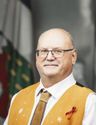
Caroline Wawzonek

Caroline Wawzonek Yellowknife South

Mr. Speaker, today for Pink Shirt Day, I'd like to talk about being a bystander to bullying and, more importantly, how to shift away from passive bystanding towards a more active response to help stop bullying in its tracks. But, first, let's acknowledge an incredible Olympic hockey final, the presence of some clutch players, including Kendall Coyne Shofield, who gave birth to her son in 2023, and for Canadians Cassie Sharpe and Natalie Spooner, who also became moms since their previous appearance at the Olympics. I understand men's hockey also had a decent gold medal game although I know that none of them were birthing a future generation of athletes during their off-season.

Mr. Speaker, I am making a bit of a joke about this to illustrate a point. Women and men do not need to compete against one another to have respect for their respective achievements in human athletics. When a team wins gold, they are Olympic champions.

Today, Mr. Speaker, Yellowknife South is represented in the Legislative Assembly by three pages. All of them are athletes competing across multiple sports. All three happen to be female athletes. But with the spread of social media, I suspect that they may have seen the different ways that female athletes are treated compared to their male counterparts.

Bystanding is a common response when we witness bullying, discrimination, or racism. It's a phenomenon where the greater number of bystanders present the less likely we might be to intervene. And with a chorus of sometimes silent and sometimes go-along support, the more emboldened a perpetrator may be. For example, the President of the United States called to congratulate only one of the gold medal teams in Olympic hockey in Milan. And what's more, while issuing an invite to the White House to the men's team, the invite to the women's team appeared, at best, an afterthought but really a joke. To the remark, we're going to have to bring the women's team, a voice replies, absolutely, and another, two for two, highlighting that both teams had won gold. Unfortunately, these responses were largely drowned out by the laughter of others.

But laughter is not neutral. Laughter is a signal of acceptance. And in this case, the laughter was from a room of men, men with status, and NHL players who, I would venture to guess, have often had media training on how exactly to deal with inappropriate commentary. Mr. Speaker, I would seek unanimous consent to conclude my remarks.

Thank you, Mr. Speaker. Mr. Speaker, the good news for young athletes is this: The old way of looking in locker rooms is disappearing and today, when sexism shows up in sport, we see commentators call it out, we see athletes call it out, and we see politicians call it out. The work is obviously far from done, but I am wearing pink today for both my son and daughter to show them that when we are true champions, we don't need to put others down to win. Thank you, Mr. Speaker.

Member's Statement 926-20(1): Bullying in Sports
Members' Statements

The Speaker

The Speaker Shane Thompson

Thank you, Member for Yellowknife South. Members' Statements. Member from Yellowknife Centre.

Member's Statement 927-20(1): Certification in Biomass Heating Operation
Members' Statements

Robert Hawkins

Robert Hawkins Yellowknife Centre

The Northwest Territories is facing a bottleneck, Mr. Speaker. With biomass heating being the backbone of our energy transition, it not only cuts emissions but it also helps affordability. Right now, we're facing a challenge, Mr. Speaker. There aren't enough people trained to be able to install them, manage them, maintain them, and when the worst thing happens, fix them, Mr. Speaker. Because the very few that we have out there are just simply too, too busy to respond. Mr. Speaker, we need to find a way to get a recognized certification here in the Northwest Territories, find the best of the patchwork that exists out there. There are no standard pathways to get this but there is a few. Mr. Speaker, we need to become the masters of our own destiny because we don't have a masters in boiler maintenance.

Mr. Speaker, people, businesses, and even governments, are leaning on the Arctic Energy Alliance for guidance and simple basics about how to run these things. Let's be clear. Arctic Energy Alliance is not a college, and it shouldn't be, Mr. Speaker. They should be there to help people in the resource management side but because they're overstretched and under-resourced and meeting the demand that is out there. The solution is right in front of us.

It's time to be nimble, I say to Aurora College. Respond to the needs out there that folks have. The transition can look at different things, and one of the things I always say is be relevant to the people you work for. We could very well have an Aurora College that speaks to the problems we're facing. The problems are certification, management, and training. It could be in collaboration with the Arctic Energy Alliance, Mr. Speaker.

Let's also turn the page to one of the other problems. If you get your wood appliance installed, you need it certified, and the demands of the insurance company, their expectations, and their way of managing the problems of claims, whether they accept or deny, are very challenging. So they have to ensure the permitting process is proper, critically from that side, as well as safety, Mr. Speaker. This is a good opportunity for Aurora College, once again, to be relevant to the retail population they serve because we have CLCs sitting out there in our northern communities that are being mothballed so let's give ourselves a reason to keep the heat and lights on, ensure Northerners are trained, have jobs, and are serving Northern needs, such as safety and the critical need of stepping up wood pellet and boiler maintenance. Thank you, Mr. Speaker.

Member's Statement 927-20(1): Certification in Biomass Heating Operation
Members' Statements

The Speaker

The Speaker Shane Thompson

Thank you, Member from the Yellowknife Centre. Members' Statements. Member for Thebacha.

Member's Statement 928-20(1): Salt River First Nation Healing Centre
Members' Statements

Jay MacDonald

Jay MacDonald Thebacha

Thank you, Mr. Speaker. Mr. Speaker, today I rise to recognize an inspiring example of Indigenous leadership and community strength in the North. The Salt River First Nation has transformed a former correction facility into a healing centre, turning a place once associated with confinement into a space dedicated to restoration, wellness, and hope.

This transformation is deeply symbolic. For generations, Indigenous people have been overrepresented in correctional systems. By reclaiming this building and repurposing it for healing, Salt River First Nation is sending a powerful message that our future is rooted in culture, compassion, and community-led solutions.

Mr. Speaker, the healing centre provides culturally grounded programming, mental health and addictions support, and opportunities for individuals to reconnect with elders, language, and traditional teachings. It focuses on prevention, early intervention, and breaking the cycles that have affected too many families. Where there were once locked doors, there are now open circles. Where there was once isolation, there is now connection. Where there was once punishment, there is now healing.

I commend chief and council, the elders, the staff, and the community members whose vision and determination made this possible. Their leadership demonstrates what reconciliation looks like in action: Indigenous communities designing and delivering solutions that reflect their own values and strengths. Mr. Speaker, this initiative stands as a signal of hope, not only for Salt River First Nation, but for communities across our territory and our country. Thank you, Mr. Speaker.

Member's Statement 928-20(1): Salt River First Nation Healing Centre
Members' Statements

The Speaker

The Speaker Shane Thompson

Thank you, Member from Thebacha. Members' Statements.

Member's Statement 929-20(1): Dehcho Youth Energy Action Council - 2024-2025 Arctic Inspiration Prize Winner
Members' Statements

Shane Thompson

Shane Thompson Nahendeh

Colleagues, today I rise to recognize the remarkable achievement of the Dehcho Youth Energy Action Council, who were named one of recipients of the Arctic Inspiration Prize winners for 2024-2025.
This dedicated group of young leaders was awarded $100,000 on May 13th in recognition of their inspiring work to promote renewable energy and green alternatives in the Dehcho region. The council, formed just two Octobers ago, has already demonstrated what is possible when youth come together with a shared vision for a sustainable future.

As council member Angus James Capot-Blanc Jr. said, we were shocked when we found out we won. We just started this council in October, 2024. Now the real work starts.

The council meets regularly to design programs that will introduce renewable energy education in Dehcho schools. By working with district education authorities, their goal is to connect young people with practical knowledge about clean energy, empowering them to build rewarding, local careers in the green economy. They are determined to ensure northern students see renewable energy not as a southern concept, but as an opportunity grounded in the realities of life in our northern communities.
Their ultimate vision is to build local capacity to install, operate, and maintain renewable technologies, particularly solar power, reducing reliance on diesel and lowering greenhouse gas emissions across the Dehcho.

Colleagues, initiatives like this remind us that meaningful change often begins with a single, determined idea. The Dehcho Youth Energy Action Council is not only imagining a cleaner more affordable energy future but taking real steps towards building it.

I have the pleasure of knowing two of the team leaders, Ms. Thomas-Ekinia from Fort Simpson and Mr. Capot-Blanc Jr. from Fort Liard. I have to say they have been very active attending numerous meetings both regionally and nationally. I am very proud of their drive and commitment to this organization.
I ask you to join me in congratulating these inspiring young Northerners on their well-deserved recognition.

Members' Statements. Returns to Oral Questions. Recognition of Visitors in the Gallery. Member from Inuvik Twin Lakes.

Recognition Of Visitors In The Gallery

Lesa Semmler

Lesa Semmler Inuvik Twin Lakes

Thank you, Mr. Speaker. Mr. Speaker, today I'd like to recognize my nephew Tanner Carnogursky and his class that are visiting the House today. Thanks.

Recognition Of Visitors In The Gallery

The Speaker

The Speaker Shane Thompson

Member from Thebacha.

Recognition Of Visitors In The Gallery

Jay MacDonald

Jay MacDonald Thebacha

Thank you, Mr. Speaker. Mr. Speaker, I'd like to recognize Mia Hudson, a long-time friend that used to live in Fort Smith, and to her class who are visiting the House today. Thank you, Mr. Speaker.

Recognition Of Visitors In The Gallery

The Speaker

The Speaker Shane Thompson

Thank you, Member from Thebacha. Recognition of visitors in the gallery. Member from Great Slave.

Recognition Of Visitors In The Gallery

Kate Reid

Kate Reid Great Slave

Thank you, Mr. Speaker. Mr. Speaker, I would love to welcome to the gallery Adaeze Nwoba, director of the board of YWCA; Noma Khumalo, the associate director; Kate Wilson, housing director; and, Meaghan Brackenbury, community outreach coordinator. Very warm and hearty congratulations on reaching our 60th anniversary, YWCA. Thank you.

Recognition Of Visitors In The Gallery

The Speaker

The Speaker Shane Thompson

Thank you, Member from Great Slave. Recognition of visitors in the gallery. Member from Frame Lake.

Recognition Of Visitors In The Gallery

Julian Morse

Julian Morse Frame Lake

Thank you, Mr. Speaker. Mr. Speaker, I'd like to join my colleagues in welcoming the grade 6 class from William MacDonald School to the House. Thanks for attending, and I met with them very briefly in the chamber earlier, and it was nice to meet them. Thank you.

Recognition Of Visitors In The Gallery

The Speaker

The Speaker Shane Thompson

Recognition of visitors in the gallery. Member from Kam Lake.

Recognition Of Visitors In The Gallery

Caitlin Cleveland

Caitlin Cleveland Kam Lake

Thank you very much, Mr. Speaker. Mr. Speaker, can't have a teacher in the gallery without recognizing them. That's teacher Hannah Fournier. And I also want to make sure that Tanner is not the only one that is recognized. We also have with us today Jarrett, Natalie, Serenity, Harmony, Achiles, Jasmine, Sawyer, Arizona, Mia, Murray, Jane, Kayla, Aspen, Mia -- second Mia, so two Mias in one class -- Olivia, Carson, Emmett, Hannah, Nathaniel, Colby, Sahia, and Cameron. And so welcome to the gallery today.

Recognition Of Visitors In The Gallery

The Speaker

The Speaker Shane Thompson

Recognition of visitors in the gallery. Member from Yellowknife North.

Recognition Of Visitors In The Gallery

Shauna Morgan

Shauna Morgan Yellowknife North

Thank you, Mr. Speaker. Just to pile on here, I also wanted to welcome the class from William Mac school who I had the pleasure to speak with earlier today and hear from them, hear some of their ideas and questions and to remind them -- I know there's many Yellowknife North students in the class as well -- that they are, in fact, our bosses, and they should remember that. Thank you, Mr. Speaker.

Recognition Of Visitors In The Gallery

The Speaker

The Speaker Shane Thompson

Thank you, Member from Yellowknife North. Recognition of visitors in the gallery. Member from Yellowknife Centre.

Recognition Of Visitors In The Gallery

Robert Hawkins

Robert Hawkins Yellowknife Centre

Thank you, Mr. Speaker. I want to take a moment to recognize Kate Wilson. She was one of my most favourite former neighbours. She is a guiding light in this city. She's an inspirational woman, and so many people in the North look up to her not only for her mentorship but her kindness. She is a lovely person, and I'm so grateful to call her a friend. Thank you, Mr. Speaker.

Recognition Of Visitors In The Gallery

The Speaker

The Speaker Shane Thompson

Thank you, Member from Yellowknife Centre. Recognition of visitors in the gallery. Member from Hay River North.

Recognition Of Visitors In The Gallery

R.J. Simpson

R.J. Simpson Hay River North

Thank you, Mr. Speaker. We're lucky enough to have some representatives from the YWCA with us in the gallery today. So I wanted to recognize director Adaeze Nwoba; associate director Kate Wilson; housing director Noma Khumalo; and Meaghan Brackenbury, advocacy coordinator. And I want to thank them for all the work they've done, and I want to join in and welcome Ms. Hannah and her grade 6 class to the ledge as well. Thank you, Mr. Speaker.

Recognition Of Visitors In The Gallery

The Speaker

The Speaker Shane Thompson

Thank you, Member from Hay River North. Recognition of visitors in the gallery. Member from Yellowknife South.

Recognition Of Visitors In The Gallery

Caroline Wawzonek

Caroline Wawzonek Yellowknife South

Thank you, Mr. Speaker. Mr. Speaker, I am -- although I won't name all of them, I'm pretty sure there's some Yellowknife South residents sitting up in the gallery. I also had the chance to speak with the class from William MacDonald and had some very good questions from them. Also happy to say, Mr. Speaker, as I mentioned earlier in my Member's statement, I have three Yellowknife South residents who all happen to be in the gallery at this moment, Quinn Foster, Shanli Carlson, and Savannah Gostlin, all acting as pages this week. Thank you.

Recognition Of Visitors In The Gallery

The Speaker

The Speaker Shane Thompson

Recognition of visitors in the gallery. If we have missed anyone in the gallery, welcome. Thank you very much for allowing us 19 Members to serve you as the people of the Northwest Territories. I hope you enjoy the proceedings. It is always nice to see people in the gallery.

Recognition of visitors in the gallery. Acknowledgements. Oral Questions. Member from Yellowknife Centre.

Question 1085-20(1): Aurora College Programming for Biomass Heating
Oral Questions

Robert Hawkins

Robert Hawkins Yellowknife Centre

Thank you, Mr. Speaker. Mr. Speaker, I know the Minister will likely answer my question with the colleges independent. They have a mandate, yada, yada, yada. But, Mr. Speaker, when you're the $34 million contributor, you'd think that they'd be very open to suggestions and guidance. So, Mr. Speaker, will the Minister create a special contribution agreement, a stand-alone or some type of thorough mandate agreement, that will help target and make programs that make training accessible for certification in wood management appliances? Thank you, Mr. Speaker.

Question 1085-20(1): Aurora College Programming for Biomass Heating
Oral Questions

The Speaker

The Speaker Shane Thompson

Thank you, Member from Yellowknife Centre. Minister of Education, Culture and Employment.

Question 1085-20(1): Aurora College Programming for Biomass Heating
Oral Questions

Caitlin Cleveland

Caitlin Cleveland Kam Lake

Thank you very much, Mr. Speaker. So, Mr. Speaker, we do have a mandate agreement already with Aurora College, and within that mandate agreement it asks that the college look at programming that is relevant to the needs, the labour market needs of the Northwest Territories. Thank you.

Question 1085-20(1): Aurora College Programming for Biomass Heating
Oral Questions

Robert Hawkins

Robert Hawkins Yellowknife Centre

Mr. Speaker, that's not a yes or no. So just to clarify, the Arctic Energy Alliance has created a -- we'll call it an ad hoc program to meet the needs of communities and Northerners. Mr. Speaker, would she help guide the college in that direction to ensure that they're relevant and meeting the retail needs of citizens of the Northwest Territories through that type of certification and support? Thank you.

Question 1085-20(1): Aurora College Programming for Biomass Heating
Oral Questions

Caitlin Cleveland

Caitlin Cleveland Kam Lake

Thank you very much, Mr. Speaker. Mr. Speaker, I can definitely bring the Member's statement from today to the chair of Aurora College and make sure that he's aware of it, make sure that he's aware of the program that the Arctic Energy Alliance has put in place. But, ultimately, the operational direction of the college and what courses they are prioritizing is up to them. Thank you.

Question 1085-20(1): Aurora College Programming for Biomass Heating
Oral Questions

The Speaker

The Speaker Shane Thompson

Final supplementary. Member from Yellowknife Centre.

Question 1085-20(1): Aurora College Programming for Biomass Heating
Oral Questions

Robert Hawkins

Robert Hawkins Yellowknife Centre

Mr. Speaker, the Minister provides the money and the target, and the legislature provides the $34 million. Mr. Speaker, WETT training is only offered in the south. Would the Minister draw that attention to the Aurora College to see what they could do to bring programs here in the North so we put our community learning centres that are mothballed to work and Northerners trained so we can have safe homes and certainly accessible training programs? Thank you.

Question 1085-20(1): Aurora College Programming for Biomass Heating
Oral Questions

Caitlin Cleveland

Caitlin Cleveland Kam Lake

Thank you very much, Mr. Speaker. Mr. Speaker, as I said, I would definitely raise this with the chair of Aurora College and am happy to do so. Thank you.

Question 1085-20(1): Aurora College Programming for Biomass Heating
Oral Questions

The Speaker

The Speaker Shane Thompson

Thank you, Minister of Education, Culture and Employment. Oral questions. Member from Yellowknife North.

Question 1086-20(1): Use of Paramedics in Provision of Primary Healthcare
Oral Questions

Shauna Morgan

Shauna Morgan Yellowknife North

Thank you, Mr. Speaker. So further to my statement, I wanted to ask the Minister of Health and Social Services more questions about what paramedics are intended to do or not do in small remote communities. So, some of the demand for paramedics in the small remote communities is because of the sense that they'll be able to do things that community health nurses are not allowed to do due to all those health authority rules.

My first question is, are paramedics contracted by the health authority working in these small communities allowed or even expected to leave the health centre and treat patients in their homes or elsewhere? Thank you, Mr. Speaker.

Question 1086-20(1): Use of Paramedics in Provision of Primary Healthcare
Oral Questions

The Speaker

The Speaker Shane Thompson

Thank you, Member from Yellowknife North. Minister of Health and Social Services.

Question 1086-20(1): Use of Paramedics in Provision of Primary Healthcare
Oral Questions

Lesa Semmler

Lesa Semmler Inuvik Twin Lakes

Thank you, Mr. Speaker. Mr. Speaker, as the Member has stated, you know, the work that is going to happen over the next couple of years is to analyze if it's possible for -- and how we could implement paramedics into supporting the current model as we need more -- we need to increase the capacity in the health centre. But as for the question, no, NTHSSA does not -- they're not going to be going out of the health centre. Their role would be in the health centre facility. And based on, you know, the outcome of the work that's going to happen over the assessment, there are different levels of paramedics. There's primary care paramedics. You know, there's advance -- so in the capital, you know, for the city, those paramedics that work, work for the city, and those are emergency responding advanced practice. There's the ones that work with the air ambulance. Those are advanced practice. They have -- they sometimes have more skills than the nurses do. So thank you, Mr. Speaker.

Question 1086-20(1): Use of Paramedics in Provision of Primary Healthcare
Oral Questions

Shauna Morgan

Shauna Morgan Yellowknife North

Thank you, Mr. Speaker. And thanks to the Minister for clarifying. I think I heard clarification that currently that is not the practice, that paramedics are expected to leave the health centre.

So my second question is, is the health authority prepared to contract paramedics to work in health cabins where there is no nurse stationed and there's often no RCMP presence? Thank you, Mr. Speaker.

Question 1086-20(1): Use of Paramedics in Provision of Primary Healthcare
Oral Questions

Lesa Semmler

Lesa Semmler Inuvik Twin Lakes

Thank you, Mr. Speaker. Mr. Speaker, as of right now, the work that we are doing in health cabins is to train the community wellness workers to be able to correspond and work with the nurse practitioners that are assigned to the health cabins. And so that work is ongoing right now, but paramedics aren't included in that system at this moment. Thank you, Mr. Speaker.

Question 1086-20(1): Use of Paramedics in Provision of Primary Healthcare
Oral Questions

The Speaker

The Speaker Shane Thompson

Thank you, Minister of Health and Social Services. Member from Yellowknife North. Final supplementary.

Question 1086-20(1): Use of Paramedics in Provision of Primary Healthcare
Oral Questions

Shauna Morgan

Shauna Morgan Yellowknife North

Thank you, Mr. Speaker. And thanks to the Minister for that clarification. And finally, are the paramedics contracted by the health authority required to follow health authority rules and protocols, or do they get to just follow some other set of protocols? Thank you, Mr. Speaker.

Question 1086-20(1): Use of Paramedics in Provision of Primary Healthcare
Oral Questions

Lesa Semmler

Lesa Semmler Inuvik Twin Lakes

Thank you, Mr. Speaker. Mr. Speaker, the paramedics that work currently in our facilities when there is -- you know, if there is a critical level of staffing, so if they are to work in, say, emergency to support the emergency department, they will work within the guidelines and the policies that are created based on their scope of practice and what they're registered and what their training is. And that's how they would recruit that level of paramedic.

If they're working in the health centre, it's the same. There's guidelines and policies that they have to work with under. And the paramedics are -- you know, they're regulated through, yes, a -- if they're trained in Alberta and they're regulated through the regulatory body through Alberta, there's still an expectation that they are self-regulating and to keep their license and keep active and to be able to work, that they have to stay within their scope that they're trained to do. Thank you, Mr. Speaker.

Question 1086-20(1): Use of Paramedics in Provision of Primary Healthcare
Oral Questions

The Speaker

The Speaker Shane Thompson

Thank you, Minister of Health and Social Services. Oral Questions. Member from Range Lake.

Question 1087-20(1): Recruitment and Retention of Nurses and Healthcare Professionals
Oral Questions

Kieron Testart

Kieron Testart Range Lake

Thank you, Mr. Speaker. Mr. Speaker, I am pleased to know that the health recruitment unit is continuing to do good work for the Northwest Territories. I've been reviewing the Minister's statement that she provided to the House. 12 percent increase is great, but I notice it's not called the health care retention unit, and the thing that's been challenging for filling the nurse vacancy is keeping nurses on the payroll. Many call it a revolving door. 94 percent of nurses have reported burnout.

So can the Minister clarify, of that 12 percent increase in indeterminate staff, how many of those are being retained year on year? So we know when we hire these folks, they are actually staying, they're learning local knowledge, learning how to care for people, and gaining that kind of northern nuance that you need to be successful in providing health care, especially in small communities. Thank you, Madam Chair.

Question 1087-20(1): Recruitment and Retention of Nurses and Healthcare Professionals
Oral Questions

The Speaker

The Speaker Shane Thompson

Thank you, Member from Range Lake. Minister of Finance.

Question 1087-20(1): Recruitment and Retention of Nurses and Healthcare Professionals
Oral Questions

Caroline Wawzonek

Caroline Wawzonek Yellowknife South

Thank you, Mr. Speaker. Mr. Speaker, when I heard the start of the question, I started trying to pull up data. I do have that data. We do maintain those -- that kind of information. I don't have the data at my fingertips. I did state yesterday, it is accurate that the percentage quota done in terms of the recruitment does not necessarily account for retention. So there is certainly some turnover loss within that percentage in terms of the overall hiring. I am happy to provide those numbers to the House. Thank you.

Question 1087-20(1): Recruitment and Retention of Nurses and Healthcare Professionals
Oral Questions

Kieron Testart

Kieron Testart Range Lake

Thank you, Mr. Speaker. I think that would be useful to report publicly. So when it comes to the performance of this unit, can the -- currently, my understanding is that they measure their performance by time to fill a position rather than how long the employee lasts in the position. So would the Minister consider either changing the metric of success to that, how long the employee stays, or at least reporting on how long the employee stays? Thank you, Mr. Speaker.

Question 1087-20(1): Recruitment and Retention of Nurses and Healthcare Professionals
Oral Questions

Caroline Wawzonek

Caroline Wawzonek Yellowknife South

Thank you, Mr. Speaker. Mr. Speaker, perhaps what I'd suggest is that we add it. I think it is certainly beneficial to know overall what percentages we're hitting in terms of our ability to recruit. It allows us to ensure that the recruitment packages remain as supportive as possible but certainly happy to add some other metrics in terms of looking at different ways that we can track the work that is happening within this unit. Thank you.

Question 1087-20(1): Recruitment and Retention of Nurses and Healthcare Professionals
Oral Questions

The Speaker

The Speaker Shane Thompson

Thank you, Minister of Finance. Final supplementary. Member from Range Lake.

Question 1087-20(1): Recruitment and Retention of Nurses and Healthcare Professionals
Oral Questions

Kieron Testart

Kieron Testart Range Lake

Amazing, Thank you. That's exactly what we need to see, because we need transparency. You could say we're recruiting lots of nurses but if we don't know the need, if we don't know how long they're staying, it's not a really good metric. So what is the Minister doing to do the retention piece? Can we change the name to the health recruitment and retention unit, HRRU? Because that is a key piece that we need to do a better job. Thank you, Mr. Speaker.

Question 1087-20(1): Recruitment and Retention of Nurses and Healthcare Professionals
Oral Questions

Caroline Wawzonek

Caroline Wawzonek Yellowknife South

Thank you, Mr. Speaker. And, Mr. Speaker, this is a combined effort now. The retention piece does fall not solely within the Department of Finance but also within the Department of Health and Social Services and with the authorities. So absolutely, I want to acknowledge that there's a lot to be done in terms of morale across public service and morale in health care specifically so, again, happy to perhaps provide a longer response, written follow-up response, to the House, detailing some of the efforts between the Department of Finance with our employment satisfaction but also with the Department of Health and Social Services. Because I agree it's an important conversation, and the public service should hear us say it, that we want to make sure they're staying and serving their residents. Thank you.

Question 1087-20(1): Recruitment and Retention of Nurses and Healthcare Professionals
Oral Questions

The Speaker

The Speaker Shane Thompson

Oral questions. Member from Tu Nedhe-Wiilideh.

Question 1088-20(1): Income Assistance
Oral Questions

Richard Edjericon

Richard Edjericon Tu Nedhe-Wiilideh

Thank you, Mr. Speaker. Mr. Speaker, my question is to the Minister of ECE.

To the Minister, the question is, why is her department denying support to elders for contributing to the culture, programs, and revitalizing their language by using the small income and per diems they earn to disqualify them from income support? Thank you, Mr. Speaker.

Question 1088-20(1): Income Assistance
Oral Questions

The Speaker

The Speaker Shane Thompson

Thank you, Tu Nedhe-Wiilideh. Minister of Education, Culture and Employment.

Question 1088-20(1): Income Assistance
Oral Questions

Caitlin Cleveland

Caitlin Cleveland Kam Lake

Thank you very much, Mr. Speaker. So, Mr. Speaker, I am going to start off by saying that the experience and education that elders bring to, for example, schools and to communities is invaluable.

Mr. Speaker, the income assistance program is set up to meet the monthly needs of residents of the Northwest Territories. It does that by looking at what those basic needs are, to make sure that residents can meet their basic needs. It minuses from that any income that they might need. It adds to that the income exemptions that are available and then determines what the financial needs are from the Government of the Northwest Territories. It's not intended to be a universal basic income. It is set up to meet the monthly needs of a resident of the territory and to ensure that they have access to the finances that they require to do that. And so if somebody is able to do some work and earn some income on their own, then there is a certain amount of that that they can keep. And we were able, in the life of this Assembly, to increase the amount of money that a resident of the territory can earn and can keep without seeing that, you know, come off their monthly income from income assistance. But even so, we want to ensure that we are meeting residents' monthly needs. Thank you.

Question 1088-20(1): Income Assistance
Oral Questions

Richard Edjericon

Richard Edjericon Tu Nedhe-Wiilideh

Thank you, Mr. Speaker. My next question is, why is the Minister counting transfers from constituents' bands intended to support treatment and aftercare and travel home as income, disqualifying them from income assistance, when they are the most vulnerable at that point? Thank you, Mr. Speaker.

Question 1088-20(1): Income Assistance
Oral Questions

Caitlin Cleveland

Caitlin Cleveland Kam Lake

Thank you very much, Mr. Speaker. Mr. Speaker, I would want to be able to follow up particularly with the Member's constituency. It sounds like an instance that's specific to an individual. But if somebody, you know, has support, for example, to travel to and from treatment, income assistance does still support them with their monthly needs while they are away. In addition to that, income assistance exempts income from self-government agreements, treaty agreements, land claim agreements, as well as impact benefit agreements, compensation from residential school settlements, Indian day school settlements, and 60s Scoop settlements, agriculture benefits, and other unearned monies from Indigenous governments as well, and also excludes income that's intended for children.

I have had residents and constituents myself who have gone away to treatment, so if there is a specific issue the Member would like to discuss I am happy to do so. Thank you.

Question 1088-20(1): Income Assistance
Oral Questions

The Speaker

The Speaker Shane Thompson

Thank you, Minister of Education, Culture and Employment. Final supplementary. Member from Tu Nedhe-Wiilideh.

Question 1088-20(1): Income Assistance
Oral Questions

Richard Edjericon

Richard Edjericon Tu Nedhe-Wiilideh

Thank you, Mr. Speaker. My next question to the Minister is, why is the Minister providing little flexibility for my constituents struggling with wage garnishing, judging them solely on their income, and failing to support them when it's clear that they are in serious need of financial assistance? Thank you, Mr. Speaker.

Question 1088-20(1): Income Assistance
Oral Questions

Caitlin Cleveland

Caitlin Cleveland Kam Lake

Thank you very much, Mr. Speaker. So, Mr. Speaker, the income assistance program is very legislated and so what can be provided as far as benefits and supports to residents is found within the legislation, and we have to ensure that we are applying that legislation fairly to all residents of the Northwest Territories. It is a program that is intended to ensure that residents' monthly needs are met. So, for example, that residents have shelter and they have access to heat and they have access to food. And so that is the intention of the program and how it is designed. Thank you.

Question 1088-20(1): Income Assistance
Oral Questions

The Speaker

The Speaker Shane Thompson

Thank you, Minister of Education, Culture and Employment. Oral Questions. Member from Great Slave.

Question 1089-20(1): Government Records Management
Oral Questions

Kate Reid

Kate Reid Great Slave

Thank you, Mr. Speaker. Mr. Speaker, my questions are for the Minister of ECE.

Mr. Speaker, government bodies and agencies considered to be under the remit of the Archives Act are identified in related regulations. Can the Minister tell me if there are any punitive measures under consideration when those government bodies and agencies do not provide records within 30 years of creation as required currently by Section 5(1) of the Archives Act? Thank you.

Question 1089-20(1): Government Records Management
Oral Questions

The Speaker

The Speaker Shane Thompson

Thank you, Member from Great Slave. Minister of Education, Culture and Employment.

Question 1089-20(1): Government Records Management
Oral Questions

Caitlin Cleveland

Caitlin Cleveland Kam Lake

Thank you very much, Mr. Speaker. And thank you to the Member for homework to review the Archives Act, and luckily it is a few pages long. It's not like some of our other legislation of the territory.

So Section 10 of the Act details the punitive measures that can be pursued should records be unlawfully damaged, mutilated, or withheld, and these measures include summary conviction to a fine not exceeding $5,000 or imprisonment for a term not exceeding one year, or both. I will say, though, Mr. Speaker, from education, culture and employment, we, of course, choose education first, and so our goal is to educate and promote the preservation and transfer of records and so we have not pursued punitive measures under Section 10 of the Act. Thank you.

Question 1089-20(1): Government Records Management
Oral Questions

Kate Reid

Kate Reid Great Slave

Thank you, Mr. Speaker. Can the Minister tell me if any electronic records created and filed in the GNWT's Digital Integrated Information Management System, otherwise known as DIIMS, have been transferred to the custody of the NWT Archives since DIIMS was implemented? Thank you, Mr. Speaker.

Question 1089-20(1): Government Records Management
Oral Questions

Caitlin Cleveland

Caitlin Cleveland Kam Lake

Thank you very much, Mr. Speaker. So, Mr. Speaker, as a whole of government, we have some homework to do in this case. So when DIIMS was created, it did not include the creation of a mechanism to transfer files from DIIMS to the NWT Archives for review and then permanent preservation. Luckily, the Department of Education, Culture and Employment is working quite closely with the Department of Finance on this to ensure it is addressed, and they are working currently on a business case for a digital record connector. Thank you.

Question 1089-20(1): Government Records Management
Oral Questions

The Speaker

The Speaker Shane Thompson

Thank you, Minister of Education, Culture and Employment. Final supplementary. Member from Great Slave.

Question 1089-20(1): Government Records Management
Oral Questions

Kate Reid

Kate Reid Great Slave

Thank you, Mr. Speaker. Can the Minister tell me whether the NWT Archives will, as final repository for any digital records required in the future, be solely responsible for paying for storage of those records in perpetuity? Thank you. Great Slave.

Question 1089-20(1): Government Records Management
Oral Questions

Caitlin Cleveland

Caitlin Cleveland Kam Lake

Thank you, Mr. Speaker. Mr. Speaker, I was recently at a conference where somebody said data is the new oil. So data does not come cheap, Mr. Speaker, and I can confirm for the Member there will certainly be a cost to this, but this cost would not be only worn by education, culture and employment as this would be an all-of-government responsibility. Thank you.

Question 1089-20(1): Government Records Management
Oral Questions

The Speaker

The Speaker Shane Thompson

Thank you, Minister of Education, Culture and Employment. Oral questions. Member from Inuvik Boot Lake.

Question 1090-20(1): Long-Term Care Needs in the Beaufort Delta
Oral Questions

Denny Rodgers

Denny Rodgers Inuvik Boot Lake

Thank you, Mr. Speaker. Following up on my Member's statement regarding the long-term care facility in Inuvik and the planning for it, I have questions for the Minister of Health and Social Services. Can she kind of give us an update on what's now being done to advance this project through the planning stages and where we are, Mr. Speaker. Thank you.

Question 1090-20(1): Long-Term Care Needs in the Beaufort Delta
Oral Questions

The Speaker

The Speaker Shane Thompson

Minister of Health and Social Services.

Question 1090-20(1): Long-Term Care Needs in the Beaufort Delta
Oral Questions

Lesa Semmler

Lesa Semmler Inuvik Twin Lakes

Thank you, Mr. Speaker. Mr. Speaker, we, in the fall -- and I believe I briefed the Member -- or sorry, just in December where we were at, and the concern that I had was the operation of where the long-term care changes and having a conversation at the NTHSSA level with operations there were some concerns brought forward, so we had those conversations. And so the expectation was to have that RFP for schematic and design out within -- before February/March. So I am just checking with my department. They haven't followed up with me yet to confirm that date. Thank you, Mr. Speaker.

Question 1090-20(1): Long-Term Care Needs in the Beaufort Delta
Oral Questions

Denny Rodgers

Denny Rodgers Inuvik Boot Lake

Thank you, Mr. Speaker. Thank you for that. And yes, I do recall having an update, and I was hoping that the packet of the RFP would be out for this and hopefully will be out in the very near future. So does the Minister, then, anticipate that we will have in our next capital planning budget funding in there earmarked to move forward on this project? Thank you.

Question 1090-20(1): Long-Term Care Needs in the Beaufort Delta
Oral Questions

Lesa Semmler

Lesa Semmler Inuvik Twin Lakes

Thank you, Mr. Speaker. Mr. Speaker, I believe that with the schematic and design going out now, for that work to conclude won't be in time for this capital budget consideration but it would be completed for the next capital budget consideration. Thank you, Mr. Speaker.
Question 1090-20(1): Long-Term Care Needs in the Beaufort Delta
Oral Questions

The Speaker

The Speaker Shane Thompson

Thank you, Minister of Health and Social Services. Final supplementary. Member from Inuvik Boot Lake.

Question 1090-20(1): Long-Term Care Needs in the Beaufort Delta
Oral Questions

Denny Rodgers

Denny Rodgers Inuvik Boot Lake

Thank you, and thank you for that. Is there any anticipation, Mr. Speaker, that in light of my Member's statement I talked about working with -- at one point, the proposal was to work with Indigenous governments potentially owning and leasing this building or a couple of alternatives. Is there still any conversations at the department level of potentially working with Indigenous governments on this, or is this going to be a GNWT project? Thank you.

Question 1090-20(1): Long-Term Care Needs in the Beaufort Delta
Oral Questions

Lesa Semmler

Lesa Semmler Inuvik Twin Lakes

Thank you, Mr. Speaker. Mr. Speaker, at this time, where we are is -- since I've taken over the file is that this is a GNWT expansion of the current long-term care; however, you know, the way that I work is if there is Indigenous governments who want to have a discussion on services to their membership which, you know, in the Beaufort Delta, all the residents that are in the long-term care there are Indigenous to the region. If not, we may have some from the Sahtu. But that's always a possibility. Thank you, Mr. Speaker.
Question 1090-20(1): Long-Term Care Needs in the Beaufort Delta
Oral Questions

The Speaker

The Speaker Shane Thompson

Thank you, Minister of Health and Social Services. Oral questions. Member from the Sahtu.

Question 1091-20(1): Department of National Defence Investments in the Northwest Territories
Oral Questions

Daniel McNeely

Daniel McNeely Sahtu

Thank you, Mr. Speaker. My question today, following up on my Member's statement earlier, is to the Minister of Infrastructure.

My first question there, Mr. Speaker, is the Minister undergoing negotiations with the Government of Canada on GNWT's position or requirements within the new airport developer for as a potential long-term tenant? Thank you.

Question 1091-20(1): Department of National Defence Investments in the Northwest Territories
Oral Questions

The Speaker

The Speaker Shane Thompson

Thank you, Member from Sahtu. Minister of Infrastructure.

Question 1091-20(1): Department of National Defence Investments in the Northwest Territories
Oral Questions

Vince McKay

Vince McKay Hay River South

Thank you, Mr. Speaker. Of course I would like to take all the credit for the negotiations with DND, but I'd have to say that there's a lot of good work being done by our departments and the Department of National Defence on what work is needed, and the work that's been going on has been happening since early 2022. They've been working with DND on what the requirements are, what actual assets they need, and what kind of upgrades are needed to the facility. And that's been ongoing for a while. So whenever they do these projects, they look at what their wants are and also any of the work that's being done is going to contribute to the infrastructure, better the infrastructure, and the use of the facility at the Yellowknife airport. We're continuing to do that work, and we're hoping by March to have a good plan in place of what's actually needed out there. Thank you, Mr. Speaker.
Question 1091-20(1): Department of National Defence Investments in the Northwest Territories
Oral Questions

Daniel McNeely

Daniel McNeely Sahtu

Thank you, Mr. Speaker. And thanks to the Minister for that information there. I am glad to hear there's discussions. I see a huge bundle of opportunities for both parties.

My second question there, CATSA being a federal security program, Mr. Speaker, can we expect negotiations to lead to an extra security station out at the airport? Thank you.

Question 1091-20(1): Department of National Defence Investments in the Northwest Territories
Oral Questions

Vince McKay

Vince McKay Hay River South

Yeah, thank you, Mr. Speaker. I think everybody's aware there's -- you know, we're kind of confined in the spaces at YZF at the airport there, what more can be done for security in that area. I know the department's been working with CATSA on types of services that can be provided to, you know, potentially hopefully speed up security lineups. Also, we've been talking with the federal government on different options for security supports for YZF airport and the North. So ongoing conversations, Mr. Speaker. Thank you.

Question 1091-20(1): Department of National Defence Investments in the Northwest Territories
Oral Questions

The Speaker

The Speaker Shane Thompson

Thank you, Minister of Infrastructure. Member from Sahtu. Final supplementary.

Question 1091-20(1): Department of National Defence Investments in the Northwest Territories
Oral Questions

Daniel McNeely

Daniel McNeely Sahtu

Thank you, Mr. Speaker. And I am glad the Minister is putting that in his negotiation to-do list in the basket of requirements to the new developments.

My last question there, Mr. Speaker, how soon could we expect, or the House expect, the updated YZF business plan to include the future developments of that plan? Mahsi.

Question 1091-20(1): Department of National Defence Investments in the Northwest Territories
Oral Questions

Vince McKay

Vince McKay Hay River South

Thank you, Mr. Speaker. So YZF is currently working through the multi-phase of the strategic plan. We've also shared the strategic plan with committee, and we're currently waiting from committee's feedback on that plan, and we'll continue to do the strategic plan and finalize it here in the near future. Thank you, Mr. Speaker.

Question 1091-20(1): Department of National Defence Investments in the Northwest Territories
Oral Questions

The Speaker

The Speaker Shane Thompson

Thank you, Minister of Infrastructure. Oral questions. Member from Frame Lake.

Question 1092-20(1): Improving Primary Healthcare Delivery
Oral Questions

Julian Morse

Julian Morse Frame Lake

Thank you, Mr. Speaker. Mr. Speaker, my questions were baked into my statement so it shouldn't come as a surprise to the health Minister.

Mr. Speaker, what is the ideal panel size for a care team, and what workforce requirements do we need to meet to achieve it? Thank you.

Question 1092-20(1): Improving Primary Healthcare Delivery
Oral Questions

The Speaker

The Speaker Shane Thompson

Thank you, Member from Frame Lake. Minister of Health and Social Services.

Question 1092-20(1): Improving Primary Healthcare Delivery
Oral Questions

Lesa Semmler

Lesa Semmler Inuvik Twin Lakes

Thank you, Mr. Speaker. So the ideal panel size depends on many factors, and that's the complicated part of it. There's no single standard number. Panel size vary widely. So what may happen in the capital might be different in some of our regional centres based on patient complexity, provider type, team makeup, clinical capacity. Any approach also needs to consider cultural safety, social complexity, chronic disease needs, and the realities of remote practice.

So the department is developing a patient attachment guideline that will support an equity-focused, complexity-based approach to panel management. This goal is to ensure patients receive stable, relationship-based care, not just assignment to a provider, and to determine the workforce needed to support safe, sustainable panel sizes across the territory. And that will be coming as part of the framework that's coming in the spring. Thank you, Mr. Speaker.

Question 1092-20(1): Improving Primary Healthcare Delivery
Oral Questions

Julian Morse

Julian Morse Frame Lake

Okay, thank you, Mr. Speaker. I appreciate that timeline. And I understand that it is perhaps a bit more complex than I've made it to sound, but I appreciate that that work is going on.

Mr. Speaker, what is our target maximum wait time for a resident to be triaged and access a health care provider in their panel based on urgency? Thank you.

Question 1092-20(1): Improving Primary Healthcare Delivery
Oral Questions

Lesa Semmler

Lesa Semmler Inuvik Twin Lakes

Thank you, Mr. Speaker. Right now there is no standard exists for this at all. So what we're trying to do is, within that framework, is to look at that patient attachment guideline to be able to ensure that all patients are attached and once we have these teams built according to the patient's needs and all patients are attached to a team, then we'll be able to better measure those timelines. Thank you, Mr. Speaker.

Question 1092-20(1): Improving Primary Healthcare Delivery
Oral Questions

The Speaker

The Speaker Shane Thompson

Thank you, Minister of Health and Social Services. Final supplementary. Member from Frame Lake.

Question 1092-20(1): Improving Primary Healthcare Delivery
Oral Questions

Julian Morse

Julian Morse Frame Lake

Thank you, Mr. Speaker. Certainly, I will have to think about that a bit and come up with some follow-up questions there. But for now, Mr. Speaker, what is our target emergency room wait time for each triage level, and what workforce goals do we need to meet to achieve that? Thank you.

Question 1092-20(1): Improving Primary Healthcare Delivery
Oral Questions

Lesa Semmler

Lesa Semmler Inuvik Twin Lakes

Thank you, Mr. Speaker. So the NWT emergency departments use the Canadian triage and acuity scale which sets out target wait times for emergency departments. Those are public documents that are published online. The authority confirms that the same performance measures are used at the Hay River Health Authority. NTHSSA included an ED, emergency department, wait time indicator for Stanton and Inuvik on our public dashboard. That's on the NTHSSA website. So you'll see that where the Canadian average is and where Stanton and Inuvik sit. Inuvik sits consistently below the Canadian average where Stanton usually hovers around the Canadian standard. Thank you, Mr. Speaker.

Question 1092-20(1): Improving Primary Healthcare Delivery
Oral Questions

The Speaker

The Speaker Shane Thompson

Thank you, Minister of Health and Social Services. Oral questions. Member from Monfwi.

Question 1093-20(1): Healthcare Services in Tlicho Communities
Oral Questions

Jane Weyallon Armstrong

Jane Weyallon Armstrong Monfwi

Masi, Mr. Speaker. Mr. Speaker, my questions are for the Minister of Health and Social Services.

I want to ask the Minister what services are currently available in Tlicho region for residents with special needs, and how many residents are currently receiving care outside their home community due to a lack of local supports. Thank you.

Question 1093-20(1): Healthcare Services in Tlicho Communities
Oral Questions

The Speaker

The Speaker Shane Thompson

Thank you, Member from Monfwi. Minister of Health and Social Services.

Question 1093-20(1): Healthcare Services in Tlicho Communities
Oral Questions

Lesa Semmler

Lesa Semmler Inuvik Twin Lakes

Thank you, Mr. Speaker. For that level of detail, I would have to go back to the TCSA for that detail. Thank you, Mr. Speaker.

Question 1093-20(1): Healthcare Services in Tlicho Communities
Oral Questions

Jane Weyallon Armstrong

Jane Weyallon Armstrong Monfwi

Thank you, Mr. Speaker. Mr. Speaker, what has the department done to identify gaps in supervision and structured care for residents with special needs in the Tlicho region, and what specific steps has it taken to address those gaps? Thank you.

Question 1093-20(1): Healthcare Services in Tlicho Communities
Oral Questions

Lesa Semmler

Lesa Semmler Inuvik Twin Lakes

Thank you, Mr. Speaker. Mr. Speaker, the department has completed a territory-wide review of supportive living as we've discussed in this House, and there was input from Behchoko to identify gaps and future needs. Right now, I think what's happening is the supportive living standards have been done. The territorial admission committee for this, as there was no previous -- kind of like the long-term care territorial committee, there was no territorial committee to kind of be able to place -- to assess and to figure out who and where clients could be supported better. The health sustainability unit is also reviewing this and so, you know, we know that there's a lot of challenges within this area; however, I look forward to getting the documents to help us make better decisions after the review of the supportive living. Thank you, Mr. Speaker.

Question 1093-20(1): Healthcare Services in Tlicho Communities
Oral Questions

The Speaker

The Speaker Shane Thompson

Thank you, Minister of Health and Social Services. Final supplementary. Member from Monfwi.

Question 1093-20(1): Healthcare Services in Tlicho Communities
Oral Questions

Jane Weyallon Armstrong

Jane Weyallon Armstrong Monfwi

Thank you, Mr. Speaker. Mr. Speaker, given the ongoing concerns raised by families, will the Minister commit to advancing the development of a dedicated special needs facility in Behchoko and/or other Tlicho communities? Thank you.

Question 1093-20(1): Healthcare Services in Tlicho Communities
Oral Questions

Lesa Semmler

Lesa Semmler Inuvik Twin Lakes

Thank you, Mr. Speaker. Mr. Speaker, I am more than committed to, you know, having these discussions with the Member and with the Tlicho on being able to better analyze the data that's for the residents in the Tlicho and what the need is and, you know, to have a discussion on what the -- where and what can happen with the residents of the people in the Tlicho and work with their government. Thank you.

Question 1093-20(1): Healthcare Services in Tlicho Communities
Oral Questions

The Speaker

The Speaker Shane Thompson

Thank you, Minister of Health and Social Services. Oral Questions. Member from Dehcho.

Question 1094-20(1): Small Business Supports in Dehcho Communities
Oral Questions

Sheryl Yakeleya

Sheryl Yakeleya Deh Cho

Thank you, Mr. Speaker. Mr. Speaker, my questions are for the Minister of ITI.

Can the Minister explain what steps the department is taking to improve access to ITI programs and services for Fort Providence residents given that the nearest regional support is currently located outside the community? Thank you.

Question 1094-20(1): Small Business Supports in Dehcho Communities
Oral Questions

The Speaker

The Speaker Shane Thompson

Thank you, Member from the Dehcho. Minister of ITI.

Question 1094-20(1): Small Business Supports in Dehcho Communities
Oral Questions

Caitlin Cleveland

Caitlin Cleveland Kam Lake

Thank you very much, Mr. Speaker. So some of these things would be, for example, predictable office days. So thank you to the Member for raising that in her statement. Also doing things like hosting mentorship and training opportunities directly within the community. And then continuing to support local business, because we know that when one business receives support and talks about it to their neighbours that that drives momentum and also drives buzz about starting business and kind of creating that snowball effect of driving new opportunities within the region. Thank you.

Question 1094-20(1): Small Business Supports in Dehcho Communities
Oral Questions

Sheryl Yakeleya

Sheryl Yakeleya Deh Cho

Thank you, and thank you to the Minister for that. What plans does the department have to better support small and emerging businesses in Fort Providence so that local entrepreneurs are not required to travel long distance to receive guidance or program assistance? Thank you, Mr. Speaker.

Question 1094-20(1): Small Business Supports in Dehcho Communities
Oral Questions

Caitlin Cleveland

Caitlin Cleveland Kam Lake

Thank you very much, Mr. Speaker. It can be something as simple as making sure that clear and transparent program availability and kind of the flow chart of what that progression of different types of supports at different stages of operating a business looks like from the Government of the Northwest Territories right up to work that's being done right now with reviews of both the SEED program, the community transfer initiatives program, and the community futures program. So those reviews are currently underway.

Within the Fort Providence region, over the last couple of years there's been over $250,000 of grants that small businesses have received in the region. That's everything from SEED, arts and crafts production, tourism businesses, community garden, and some of those highlights have been, for example, the Mackenzie Cabin tourism business and also a service truck for a local mechanic business. And so there are some good examples of some really big success stories in the region. Thank you.

Question 1094-20(1): Small Business Supports in Dehcho Communities
Oral Questions

The Speaker

The Speaker Shane Thompson

Final supplementary. Member from the Dehcho.

Question 1094-20(1): Small Business Supports in Dehcho Communities
Oral Questions

Sheryl Yakeleya

Sheryl Yakeleya Deh Cho

Thank you, Mr. Speaker, and thank you to the Minister for that. Will the Minister commit to staffing a position permanently or at the very least implementing scheduled monthly visits by ITI staff to Fort Providence to ensure residents have consistent and reliable access to business development programs and services? Thank you, Mr. Speaker.

Question 1094-20(1): Small Business Supports in Dehcho Communities
Oral Questions

Caitlin Cleveland

Caitlin Cleveland Kam Lake

Thank you very much, Mr. Speaker. Mr. Speaker, I can give the Member a yes right off the hop on that one with a specific schedule so that there are predictable visits in Fort Providence every single month. So the last visit was February 11th. The next one will be March 11th, then April 15th, May 13th, and then June 17th. And there is a schedule for the whole rest of the year so that community members will know exactly what days the office will be staffed. And this poster is also posted both at the office and at the cafe as well, and I am happy to ensure it gets posted in any other area that the Member recommends. Thank you, Mr. Speaker.

Question 1094-20(1): Small Business Supports in Dehcho Communities
Oral Questions

The Speaker

The Speaker Shane Thompson

Thank you, ITI. Oral questions. Member from Yellowknife North.

Question 1095-20(1): Use of Paramedics in Provision of Primary Healthcare
Oral Questions

Shauna Morgan

Shauna Morgan Yellowknife North

Thank you, Mr. Speaker. I wanted to follow up with more questions to the Minister of Health and Social Services.

So we've heard from the Minister that paramedics have a unique scope of practice. Can the Minister explain what is the rationale for contracting private paramedics to fill shifts in the Stanton emergency department? Is it because of their unique skill set or an inability to fill shifts with emergency department nurses? Thank you, Mr. Speaker.

Question 1095-20(1): Use of Paramedics in Provision of Primary Healthcare
Oral Questions

The Speaker

The Speaker Shane Thompson

Thank you, Member from Yellowknife North. Minister of Health and Social Services.

Question 1095-20(1): Use of Paramedics in Provision of Primary Healthcare
Oral Questions

Lesa Semmler

Lesa Semmler Inuvik Twin Lakes

Thank you, Mr. Speaker. Mr. Speaker, their role is limited to providing care within that area and are only used in situations where nursing staffing levels are critically low. Thank you, Mr. Speaker.

Question 1095-20(1): Use of Paramedics in Provision of Primary Healthcare
Oral Questions

Shauna Morgan

Shauna Morgan Yellowknife North

Thank you, Mr. Speaker. So if the department or the authority is finding that staffing levels are chronically low, why wouldn't the department or the authority plan to hire paramedics on staff rather than contracting them on a shift-by-shift basis? Thank you, Mr. Speaker.

Question 1095-20(1): Use of Paramedics in Provision of Primary Healthcare
Oral Questions

Lesa Semmler

Lesa Semmler Inuvik Twin Lakes

Thank you, Mr. Speaker. Mr. Speaker, as I mentioned that -- you know, within the emergency department when they've tried in areas of time where they're critically low, that means that they haven't been able to confirm casuals, people are on vacation, there's no -- last case, you know, resort would be agency, and sometimes when we do have paramedics that -- you know, that was when they would bring them in to just assist with this area. However, this is not a model that's been in our system before, so we don't have an overarching model of paramedics in our system. And so where we're starting is that we're looking, and that's the work with -- you know, with the proposed position that's going to -- that's in the budget, upcoming budget, that that work will happen to be able to analyze and do that work to see how and when and what policies and how they'll work within our system. Thank you, Mr. Speaker.

Question 1095-20(1): Use of Paramedics in Provision of Primary Healthcare
Oral Questions

The Speaker

The Speaker Shane Thompson

Thank you, Minister of Health and Social Services. Final supplementary. Member from Yellowknife North.

Question 1095-20(1): Use of Paramedics in Provision of Primary Healthcare
Oral Questions

Shauna Morgan

Shauna Morgan Yellowknife North

Thank you, Mr. Speaker. So if a patient has a complaint against a health care provider, they can go to the Office of Client Experience, but how would an NWT patient go about filing a complaint if there was a complaint against a paramedic operating within our system? Thank you, Mr. Speaker.

Question 1095-20(1): Use of Paramedics in Provision of Primary Healthcare
Oral Questions

Lesa Semmler

Lesa Semmler Inuvik Twin Lakes

Thank you, Mr. Speaker. Mr. Speaker, when the NTHSSA does contract them, they do revert to an employer. So their employer, you can complain to their employer. You can bring that forward to the NTHSSA. As well as the appropriate jurisdiction where their license is active, you can reach out directly to that jurisdiction where the individual can -- you know, they can take a look and investigate that concern. Thank you, Mr. Speaker.

Question 1095-20(1): Use of Paramedics in Provision of Primary Healthcare
Oral Questions

The Speaker

The Speaker Shane Thompson

Thank you, Minister of Health and Social Services. Oral questions. Member from Yellowknife Centre.

Question 1096-20(1): Concluding Land Claim Negotiations
Oral Questions

Robert Hawkins

Robert Hawkins Yellowknife Centre

Thank you, Mr. Speaker. Mr. Speaker, in 1977 -- imagine that, way back -- the Berger Inquiry, the Commission investigated the Mackenzie Valley pipeline, and one of its recommendations at the end was to pause 10 years on the construction to give land claims a chance to settle. Mr. Speaker, it seemed to be he was the only one with the forethought to come up with a closure date on those particular initiatives and if you don't put a closure date, people will use the time and keep going. My question specifically for the Premier would be this, Mr. Speaker: Now that we're knocking on the door of the 50-year anniversary of that vision saying we'll close these things off maybe in 10 years, what incentives or carrot sticks are being offered to help stop these open negotiations and bring them to a conclusion? Thank you.

Question 1096-20(1): Concluding Land Claim Negotiations
Oral Questions

The Speaker

The Speaker Shane Thompson

Thank you, Member from Yellowknife Centre. Mr. Premier.

Question 1096-20(1): Concluding Land Claim Negotiations
Oral Questions

R.J. Simpson

R.J. Simpson Hay River North

Thank you, Mr. Speaker. So I think the question is what sort of carrots are we offering Indigenous governments to conclude their land claim negotiations? I would say that we are having -- we are working towards finding common ground that may not have been common in the past. When there was two parties or, well, three parties negotiating in this case, and we want to make some changes going forward, we want to see progress going forward, we need to look at what has been worked on for the past 20 or 30 years. And actually as the Member was asking, I was just going over some of the tables and looking at some of those ways to move things forward. So, Mr. Speaker, there is a negotiation framework. There's a mandate in a number of tables. Things are moving forward under that mandate. And there's areas perhaps where we need to re-look at those mandates, and that's what I am doing right now. And I recently had meetings with the Dehcho grand chief and their negotiating team. I am meeting with the -- you know, their other representatives from the Dehcho tomorrow. We have regular meetings with the NWT Metis Nation. So there's lots going on to try and advance these. Thank you.

Question 1096-20(1): Concluding Land Claim Negotiations
Oral Questions

Robert Hawkins

Robert Hawkins Yellowknife Centre

Thank you, Mr. Speaker. The public often sees these without deadlines more akin to career files or economic development. I guess that brings us to the point which is what can the government do? They could offer -- they could incentivize it with money. They could offer better deals. What can the Premier do within his purview to close these open-ended negotiations? Thank you, Mr. Speaker.

Question 1096-20(1): Concluding Land Claim Negotiations
Oral Questions

R.J. Simpson

R.J. Simpson Hay River North

Thank you, Mr. Speaker. So there are two other parties involved in all of these negotiations. There's the Indigenous government, who we are negotiating with, and there's the Government of Canada. So we're doing our part to ensure that we have mandates that are modern, that reflect the challenges of today, the aspirations of the Indigenous peoples who we're negotiating with, and we're going to continue to refine those and move forward as we can.

I will give one example of a date, and I know that the Minister of Crown Indigenous Relations has put a date of June of this year for advancement of the Dehcho final agreement to get to the AIP. I think -- I am not sure if we're going to hit a full AIP by that point, but there's an example where there is a date and we want to do what we can to meet that date and then quickly advance things after that. And what I've seen in these negotiations, when there is a -- when negotiators at the table do have the opportunity to give a little on certain things, perhaps because we've changed the mandate at the Cabinet table, then that spurs progress at that table. And so by giving a little, we can get a little and move forward that way. Thank you, Mr. Speaker.

Question 1096-20(1): Concluding Land Claim Negotiations
Oral Questions

The Speaker

The Speaker Shane Thompson

Final supplementary. Member from Yellowknife Centre.

Question 1096-20(1): Concluding Land Claim Negotiations
Oral Questions

Robert Hawkins

Robert Hawkins Yellowknife Centre

Thank you, Mr. Speaker. Mr. Speaker, the interim or what more feels like the permanent land withdrawal because of this process, is frustrating to Northerners. Mr. Speaker, what's stopping this government under the powers and authority under the Premier to make a financial agreement carrot to work towards closing this? Because it is slowing the North's progress down. Thank you, Mr. Speaker.

Question 1096-20(1): Concluding Land Claim Negotiations
Oral Questions

R.J. Simpson

R.J. Simpson Hay River North

Thank you, Mr. Speaker. So there's a lot to land claim negotiations, self-government negotiations. As I said, there's three parties, and so there are things to consider when making offers. Previously, Canada and the GNWT would make joint offers where land and money were combined. Canada has changed their approach, and so we're actually waiting for some clarification from Canada on how that's going to work going forward, as well as some other areas where there's been policy changes over the past number of years where there's a lack of clarity. So there's a number of different issues here, and we are doing what we can within our authority, myself as Premier and our Cabinet, to advance these files as quickly as we can. Thank you, Mr. Speaker.

Question 1096-20(1): Concluding Land Claim Negotiations
Oral Questions

The Speaker

The Speaker Shane Thompson

Thank you, Premier. Oral questions. Member from Great Slave.

Question 1097-20(1): Government Records Management
Oral Questions

Kate Reid

Kate Reid Great Slave

Thank you, Mr. Speaker. My questions are for the Minister of Finance.

The OCIO and the DIIMS team have a different perspective on electronic records management compared to the Archives, and I would hazard to guess that most government workers, at best, think of filing records as a hassle. Training on ORCS and ARCS, the organizational and administrative records classification, is available, but people don't tend to understand why classifying records is crucially important. So my question is, would the Minister be willing to investigate as to whether further training should be developed and implemented specifically on the important role all employees play into the lifecycle of government records management in conjunction with ECE? Thank you.

Question 1097-20(1): Government Records Management
Oral Questions

The Speaker

The Speaker Shane Thompson

Thank you, Member from Great Slave. Minister of Finance.

Question 1097-20(1): Government Records Management
Oral Questions

Caroline Wawzonek

Caroline Wawzonek Yellowknife South

Thank you, Mr. Speaker. And, Mr. Speaker, I am absolutely always happy to investigate opportunities for more training for our staff to make sure they're delivering the best services possible. I can say that there have been a number of new on-demand training modules that have been introduced. There's been an increase in terms of understanding disposition of records practices, which you certainly don't want to have anyone say that that's not important, Mr. Speaker. And specifically this was developed, in fact, with NWT Archives, so giving a bit of a shout-out to the folks there. And, Mr. Speaker, last note on this one, so perhaps the timing is good to look at what else needs to be offered, April, for the Enterprise Information Management team, will be recognizing Records and Information Management Month. Thank you, Mr. Speaker.

Question 1097-20(1): Government Records Management
Oral Questions

Kate Reid

Kate Reid Great Slave

Thank you, Mr. Speaker. I look forward to that in Bear Facts.

Mr. Speaker, can the Minister explain whether ongoing ever-increasing TSC chargebacks are at all related to the ongoing growth of electronic records in DIIMS that have no current way to be moved into an archival repository? Thank you, Mr. Speaker.

Question 1097-20(1): Government Records Management
Oral Questions

Caroline Wawzonek

Caroline Wawzonek Yellowknife South

Thank you, Mr. Speaker. And, no, this is not really the source of significant growth that we are seeing in TSC chargebacks. DIIMS doesn't actually generate TSC chargebacks. But there certainly has been some significant growth in this area. Really, some of the areas of growth include particularly the software licensing that have seen some very significant growth. So although the overall impact to the budget is only on the order of a few million and not tens of millions. Where we are seeing significant growth, however, is simply in terms of providing connections, internet connections, phone connections, to all of the staff across all of 33 communities and that -- those costs continue to grow. But I -- certainly, it's not -- it's not for this area, and this is one -- so putting that one to rest. Thank you, Mr. Speaker.

Question 1097-20(1): Government Records Management
Oral Questions

The Speaker

The Speaker Shane Thompson

Thank you, Minister of Finance. Final supplementary. Member from Great Slave.

Question 1097-20(1): Government Records Management
Oral Questions

Kate Reid

Kate Reid Great Slave

Thank you, Mr. Speaker. And I will push back because I think storage is not cheap, but anyway.

Can the Minister tell me if records management staff have identified the need that records management legislation is required while working on scoping with ECE on their archival legislative review? Thank you, Mr. Speaker.

Question 1097-20(1): Government Records Management
Oral Questions

Caroline Wawzonek

Caroline Wawzonek Yellowknife South

Thank you, Mr. Speaker. Mr. Speaker, it's a little early that the legislative review isn't complete so I am not in a position to say whether or not there would, in fact, be new legislation strictly required. But, Mr. Speaker, certainly these teams are working closely together. This is actually one of the areas for OCIO where we have rolled out our IT planning studies process. It's one of the first three out of the gate to ensure that the data archives connector project between the departments is one that will actually be planned out, hopefully very successfully, using this new process. So, again, early on the one but it's, again, hopefully a highlight from the OCIO offices on and out of the front. Thank you, Mr. Speaker.

Question 1097-20(1): Government Records Management
Oral Questions

The Speaker

The Speaker Shane Thompson

Thank you, Minister of Finance. Oral questions. Member from Range Lake.

Question 1098-20(1): Minimum Wage and the Northwest Territories Nominee Program
Oral Questions

Kieron Testart

Kieron Testart Range Lake

Thank you, Mr. Speaker. Mr. Speaker, I've been speaking with business owners who use the Northwest Territories nominee program, and one of the issues that's been brought to my attention is they pay Northerners minimum wage but they pay nominees median wage based on their occupation, and usually -- and it's always higher than the minimum wage. Now, that is -- there's a good reason for that. But can the Minister explain clearly to the House, so there's no confusion, about why there's a discrepancy in compensation for Northerners versus nominees? Thank you.

Question 1098-20(1): Minimum Wage and the Northwest Territories Nominee Program
Oral Questions

The Speaker

The Speaker Shane Thompson

Thank you, Member from Range Lake. Minister of ECE.

Question 1098-20(1): Minimum Wage and the Northwest Territories Nominee Program
Oral Questions

Caitlin Cleveland

Caitlin Cleveland Kam Lake

Thank you very much, Mr. Speaker. So, Mr. Speaker, we set the minimum wage here in the Northwest Territories and we work to develop a formula, and we worked with employers and an entire committee to develop this formula that's based on the consumer price index. And it was determined when that formula was produced, and come up with with employers, that not having a predictable way of determining what minimum wage would be year over year created some challenges and some unexpectedness as far as running a business. So that's where that formula was born.

Now, the median wage that is used by the Northwest Territories nominee program is actually set by the Government of Canada. That is a requirement under this program, that we use a median wage. And the Member is right. That median wage follows different occupational codes, and the reason for that is that through the nominee program, through the temporary work program that the Government of Canada has for immigration purposes, these individuals need to make sure that they can cover their monthly expenses. Often they're not eligible for other support programs that provinces and territories have. Thank you.

Question 1098-20(1): Minimum Wage and the Northwest Territories Nominee Program
Oral Questions

Kieron Testart

Kieron Testart Range Lake

Thank you. Yes, and that is important to get out there as well because it is frustrating, I think, for employers. But there's still that gap, and often they're in a position where they're paying more for the same work performed by a northerner to a nominee, and that's not what the intention of the program is for plugging labour shortages. So what can the Minister offer to these employers to make sure that everyone can be compensated the same way and there is no pay disparity between Northerners and between nominees? Thank you.

Question 1098-20(1): Minimum Wage and the Northwest Territories Nominee Program
Oral Questions

Caitlin Cleveland

Caitlin Cleveland Kam Lake

Thank you, Mr. Speaker. So, Mr. Speaker, what I often hear from employers is that, well, first of all, the median wage, it's important for people to understand is higher than the minimum wage. Quite often in the NWT, many workers are not making minimum wage unless they're in, for example, a frontline service as in a grocery store, sometimes you'll find people there making minimum wage, or in other types of industries. But often what you'll find in the Northwest Territories is in order to be competitive with other employers, employers cannot pay minimum wage. And so where we have a minimum wage in the territory that accounts for people who might be working in a role that brings in tips or works with a lot of youth, for example, we have to follow the median wage set by the Government of the Northwest -- or sorry, the Government of Canada for the nominee pProgram and the temporary foreign worker program. Thank you.

Question 1098-20(1): Minimum Wage and the Northwest Territories Nominee Program
Oral Questions

The Speaker

The Speaker Shane Thompson

Thank you,Minister of ECE. Final supplementary. Member from Range Lake.

Question 1098-20(1): Minimum Wage and the Northwest Territories Nominee Program
Oral Questions

Kieron Testart

Kieron Testart Range Lake

Thank you, Mr. Speaker. Yes, and to be clear to the Minister, we're not talking -- we're talking about people who are paying the minimum wage for service jobs, and that's what we're talking about here. And this is a real situation. This is not a hypothetical. There are Northerners in those jobs, people who are born and raised here, who are making minimum wage versus nominee program workers who are making median wage. So how are we going to reconcile that so we make sure everyone is on a fair playing field? Because I don't think it's fair to those minimum wage workers, and certainly it's a burden on the employers. They can't pay more wage. So how are we going to help them? What kind of subsidies or programs can the Minister use to support businesses and support workers, especially young workers in the Northwest Territories. Thank you, Mr. Speaker.

Question 1098-20(1): Minimum Wage and the Northwest Territories Nominee Program
Oral Questions

Caitlin Cleveland

Caitlin Cleveland Kam Lake

Thank you very much, Mr. Speaker. Mr. Speaker, at the end of the day, if we want to make sure that we're filling our labour market needs across this territory, we need to make sure that we are paying people a wage that they can live off. And so if that means that employers, unfortunately, have to raise their minimum wage so that people can take on those jobs, that's where we're at. But we're not in a position to go against a median wage set by the Government of Canada that is a requirement. And if people are wanting to see parity between what foreign workers are making and what Northerners are making, then they're going to have to meet that median wage. Thank you.

Question 1098-20(1): Minimum Wage and the Northwest Territories Nominee Program
Oral Questions

The Speaker

The Speaker Shane Thompson

Thank you, Minister of Education, Culture and Employment. Oral questions. Member from Frame Lake.

Question 1099-20(1): Recruitment and Retention of Healthcare Professionals
Oral Questions

Julian Morse

Julian Morse Frame Lake

Thank you, Mr. Speaker. Mr. Speaker, I am continuing with the thread of questions from my Member's statement except this time for the finance Minister.

Mr. Speaker, do we have a set target of indeterminate staff we need to reach, and how close are we to meeting that target? Thank you.

Question 1099-20(1): Recruitment and Retention of Healthcare Professionals
Oral Questions

The Speaker

The Speaker Shane Thompson

Thank you, Member from Frame Lake. Minister of Finance.

Question 1099-20(1): Recruitment and Retention of Healthcare Professionals
Oral Questions

Caroline Wawzonek

Caroline Wawzonek Yellowknife South

Thank you, Mr. Speaker. Mr. Speaker, the target was to have an increase in indeterminate healthcare professionals of 5 percent annually. So it's not a set number target but as I said earlier, certainly happy to look if there's additional ways that we can continue to monitor the work that's happening with the HRU. Thank you.

Question 1099-20(1): Recruitment and Retention of Healthcare Professionals
Oral Questions

Julian Morse

Julian Morse Frame Lake

Thank you, Mr. Speaker. And I guess I should have made my question more clear. Because I was aware of the 5 percent per year target; what I was talking about was an ultimate target.

I am going to move on to my next question, however. Nurses and allied professions were mentioned in the statement, but doctors were not. How is our progress looking on recruiting physicians? Do we have targets related to physician recruitment, and how close are we to meeting those and I mean ultimate targets, not percentage. Thank you.

Question 1099-20(1): Recruitment and Retention of Healthcare Professionals
Oral Questions

Caroline Wawzonek

Caroline Wawzonek Yellowknife South

Thank you, Mr. Speaker. So, Mr. Speaker, I -- this is where there is a split in responsibility between myself and the Minister of Health and Social Services. The mandate for health recruitment unit doesn't include physicians. That would be under the Office of Medical Affairs and Credentialing. But, Mr. -- and, again, Mr. Speaker, I expect at this point we may well have to go back and just make sure that we're questioning whether or not there's other forms of looking at the achievements that we're having. We brought in indeterminate staff -- or brought up indeterminate staff by 29 percent relative to the workforce in just March of 2024, so a little over two years ago. Those are big percentages. It doesn't include turnover. But, again, happy to see if there's increasingly additional ways that we can monitor the work that's happening in the space. Thank you.

Question 1099-20(1): Recruitment and Retention of Healthcare Professionals
Oral Questions

The Speaker

The Speaker Shane Thompson

Final supplementary. Member from Frame Lake.

Question 1099-20(1): Recruitment and Retention of Healthcare Professionals
Oral Questions

Julian Morse

Julian Morse Frame Lake

Thank you, Mr. Speaker. And I appreciate those clarifications. It's a bit of a confusing space to understand with recruitment happening in various different areas.

Mr. Speaker, how does the recruitment unit relate to and coordinate with the health department on targets, needs, and desired outcomes? Thank you.

Question 1099-20(1): Recruitment and Retention of Healthcare Professionals
Oral Questions

Caroline Wawzonek

Caroline Wawzonek Yellowknife South

Thank you, Mr. Speaker. Mr. Speaker, those conversations are ongoing regularly. I know I have, on previous times when the HRU was earlier set up, a few years ago now, had the opportunity to engage with my department and with the Department of Health and Social Services to make sure that, in fact, there were those communications happening. There's regular updates that come from individual divisions and departments within health and social services and the authorities, comes in through assigned folks within health and -- or within the Department of Finance who are assigned to the HRU to specifically maintain those contact positions directly with management. So this is very much the kind of work that happens to maintain that continuity. That's the benefit of HRU in part, Mr. Speaker, is that it allows a singular place where there's an organized person, a mandated person, and they have contacts directly and so they're constantly getting updates as to the openings that need to be filled. Thank you, Mr. Speaker.

Question 1099-20(1): Recruitment and Retention of Healthcare Professionals
Oral Questions

The Speaker

The Speaker Shane Thompson

Thank you, Minister of Finance. Oral questions. Member from Tu Nedhe-Wiilideh.

Question 1100-20(1): Income Assistance Program
Oral Questions

Richard Edjericon

Richard Edjericon Tu Nedhe-Wiilideh

Thank you, Mr. Speaker. Mr. Speaker, my questions are for the Minister of ECE.

The Minister from ECC confirmed that the GNWT income support assistance program is provided to all residents in the NWT. My question here is, but here in NWT we have 51 percent of residents, that all Indigenous Metis and Inuit combined. Mr. Speaker, on September 27th, 2023, the 19th Assembly passed Bill 85 legislation. My question is to the Minister of ECE. What has ECE done to date to modernize their policy to respect the 51 percent of the Indigenous, Metis, and Inuit human rights of Indigenous people? Thank you, Mr. Speaker.

Question 1100-20(1): Income Assistance Program
Oral Questions

The Speaker

The Speaker Shane Thompson

Thank you, Tu Nedhe-Wiilideh. Minister of Education, Culture and Employment.

Question 1100-20(1): Income Assistance Program
Oral Questions

Caitlin Cleveland

Caitlin Cleveland Kam Lake

Thank you very much, Mr. Speaker. So, Mr. Speaker, in the life of the last Assembly, there was an extensive review done of the entire income assistance program. That program included adjustments, for example, like adding another branch of the program, if you will, that is income assistance dedicated to elders, seniors, persons with disabilities. We also updated the amounts that people receive on a monthly basis and tied them more closely to the northern basket measure. In addition, there were changes made to the program that allowed for more earned income to be kept and also exempted other things from someone's unearned income, and some of those items I listed off in my previous responses to the Member. Thank you.

Question 1100-20(1): Income Assistance Program
Oral Questions

Richard Edjericon

Richard Edjericon Tu Nedhe-Wiilideh

Thank you, Mr. Speaker. My question back to the Minister of ECE is when can her department give me -- or Minister give me an answer in regards to when they're going to modernize their policies in line to Bill 85, the legislation? Thank you.

Question 1100-20(1): Income Assistance Program
Oral Questions

Caitlin Cleveland

Caitlin Cleveland Kam Lake

Thank you very much, Mr. Speaker. So Mr. Speaker, as the Member knows, based on the responses from the Premier last week in regards to the United Nations Declaration on the Rights of Indigenous People Implementation Plan, we have a committee that is prioritizing what pieces of legislation they will be reviewing first, and that committee has the authority to determine what pieces of existing Government of the Northwest Territories legislation will be reviewed and in what order. Thank you.

Question 1100-20(1): Income Assistance Program
Oral Questions

The Speaker

The Speaker Shane Thompson

Thank you, Minister of Education, Culture and Employment. Final supplementary. Member from Tu Nedhe-Wiilideh.

Question 1100-20(1): Income Assistance Program
Oral Questions

Richard Edjericon

Richard Edjericon Tu Nedhe-Wiilideh

Thank you, Mr. Speaker. My next question is that what is the timeline, and do you expect that work to be done in this Assembly? Thank you, Mr. Speaker.

Question 1100-20(1): Income Assistance Program
Oral Questions

Caitlin Cleveland

Caitlin Cleveland Kam Lake

Thank you very much, Mr. Speaker. Mr. Speaker, I would have to defer that question to the Premier as that piece of legislation, the United Nations Declaration on the Rights of Indigenous People Implementation Act, falls under his authority. Thank you.

Question 1100-20(1): Income Assistance Program
Oral Questions

The Speaker

The Speaker Shane Thompson

Thank you, Education, Culture and Employment. Colleagues, our time for oral questions is up. Oral questions. Written questions. Returns to written questions. Replies to the Commissioner's address. Petitions. Reports of committees on the review of bills. Reports of standing and special committees. Tabling of documents. Notices of motion. Motions. Notices of motion for the first reading of bills. First reading of bills. Second reading of bills. Consideration in Committee of the Whole of bills and other matters, with the Member from Tu Nedhe-Wiilideh in the chair.

Question 1100-20(1): Income Assistance Program
Oral Questions

The Chair

The Chair Richard Edjericon

I will now call the Committee of the Whole to order. What is the wish of the committee? I will go to the Member from Inuvik Boot Lake.

Question 1100-20(1): Income Assistance Program
Oral Questions

Denny Rodgers

Denny Rodgers Inuvik Boot Lake

Thank you, Mr. Speaker. Mr. Speaker, the committee wishes to consider Tabled Document 448-20(1), 2026-2027 Main Estimates, with the Department of Industry, Tourism and Investment. Thank you, Madam Chair.

Question 1100-20(1): Income Assistance Program
Oral Questions

The Chair

The Chair Richard Edjericon

Thank you. Does committee agree?

Question 1100-20(1): Income Assistance Program
Oral Questions

Some Hon. Members

Agreed.

Question 1100-20(1): Income Assistance Program
Oral Questions

The Chair

The Chair Richard Edjericon

Thank you. We'll take our 15-minute break.

---SHORT RECESS

Question 1100-20(1): Income Assistance Program
Oral Questions

The Chair

The Chair Richard Edjericon

Okay, order. Committee, we have agreed to consider Tabled Document 448-20(1), 2026-2027 Main Estimates. We will now resume our consideration of the Department of Industry and Tourism and Investment. I want to go to the Minister of Industry and Tourism and Investment.

Question 1100-20(1): Income Assistance Program
Oral Questions

Caitlin Cleveland

Caitlin Cleveland Kam Lake

Yes, please, Mr. Chair. I would like to bring witnesses into the House.

Question 1100-20(1): Income Assistance Program
Oral Questions

The Chair

The Chair Richard Edjericon

Thank you. Does committee agree?

Question 1100-20(1): Income Assistance Program
Oral Questions

Some Hon. Members

Agreed.

Question 1100-20(1): Income Assistance Program
Oral Questions

The Chair

The Chair Richard Edjericon

Thank you. Sergeant-at-Arms, please escort the witnesses into the chamber.

Okay, would the Minister please introduce her witnesses?

Question 1100-20(1): Income Assistance Program
Oral Questions

Caitlin Cleveland

Caitlin Cleveland Kam Lake

Thank you, Mr. Chair. Mr. Chair, on my left I have Pamela Strand, the deputy minister of industry, tourism and investment. And on my right, I have Nina Salvador who is the director of finance and corporate services for industry, tourism and investment.

Question 1100-20(1): Income Assistance Program
Oral Questions

The Chair

The Chair Richard Edjericon

Thank you. Committee, we will resume by beginning consideration of the tourism and parks key activity, beginning on page 244 with information items on page 246. Are there any questions?

I will go to the Member from Great Slave.

Question 1100-20(1): Income Assistance Program
Oral Questions

Kate Reid

Kate Reid Great Slave

Thank you, Mr. Chair. Mr. Chair, something that I've been hearing recently, and I know the Minister is aware because we've chatted about it, is that within the tourism envelope in the NWT, there is a desire from international tourists, specifically, for luxury experiences. There's a high demand for it but little market for it. Is this a conversation that the Minister is having with the hospitality industry? Thank you, Mr. Chair.

Question 1100-20(1): Income Assistance Program
Oral Questions

The Chair

The Chair Richard Edjericon

Okay, thank you. I will go to the Minister.

Question 1100-20(1): Income Assistance Program
Oral Questions

Caitlin Cleveland

Caitlin Cleveland Kam Lake

Thank you very much, Mr. Chair.

So, Mr. Chair, this is a conversation that is happening within the tourism sector, with Indigenous governments as well, with investors both nationally and internationally as well. This is a conversation that has come up on multiple occasions as well when we have had conversation with ambassadors who are looking for different partnerships and relationships that can be formed and tourism is a natural one in that. And so certainly these conversations are happening and there is a mass of people out there that are looking for unique experiences in the Northwest Territories and all budget ranges of those experiences. So, this is certainly an instance of if you build it, they will come. Thank you.

Question 1100-20(1): Income Assistance Program
Oral Questions

The Chair

The Chair Richard Edjericon

Thank you. I will go back to the Minister of Great Slave -- Member.

Question 1100-20(1): Income Assistance Program
Oral Questions

Kate Reid

Kate Reid Great Slave

Thanks for the promotion, Mr. Chair.

I guess on top, to respond then back to the Minister's remarks, Mr. Chair, I suppose what supports and/or guidance is she giving to Indigenous governments that might be interested in this space? Thank you.

Question 1100-20(1): Income Assistance Program
Oral Questions

February 25th

The Chair

The Chair Richard Edjericon

Okay, thank you. I will go to the Minister.

Question 1100-20(1): Income Assistance Program
Oral Questions

February 25th

Caitlin Cleveland

Caitlin Cleveland Kam Lake

Thank you very much, Mr. Chair.

So, Mr. Chair, if we are making contacts with people who are looking for opportunities to invest, certainly making sure that we're sharing that information and making connections when I am having conversations with Indigenous governments or their development corporations. In addition to that, Mr. Chair, the NWT Tourism also has an Indigenous government caucus that they are forming and putting together programs for as well.

Question 1100-20(1): Income Assistance Program
Oral Questions

February 25th

The Chair

The Chair Richard Edjericon

Okay, thank you. I will go back to the Member from Great Slave.

Question 1100-20(1): Income Assistance Program
Oral Questions

February 25th

Kate Reid

Kate Reid Great Slave

Thank you, Mr. Chair, and thank you to the Minister. That sounds intriguing. What are the terms of reference for this Indigenous caucus? Thank you, Mr. Chair.

Question 1100-20(1): Income Assistance Program
Oral Questions

February 25th

The Chair

The Chair Richard Edjericon

Okay, thank you. I will go to the Minister.

Question 1100-20(1): Income Assistance Program
Oral Questions

February 25th

Caitlin Cleveland

Caitlin Cleveland Kam Lake

Thank you very much, Mr. Chair. Mr. Chair, for that level of detail, I'd like to pass to the deputy minister.

Question 1100-20(1): Income Assistance Program
Oral Questions

February 25th

The Chair

The Chair Richard Edjericon

Okay, I will go to the deputy minister.

Question 1100-20(1): Income Assistance Program
Oral Questions

February 25th

Pamela Strand

Yes, so this is all in regards to NWT Tourism that are our destination marketing organization. What we've seen is a trend across Canada with funding coming through Indigenous Tourism Association of Canada, also called ITAC, to fund Indigenous tourism associations across the country. That is embedded in NWT Tourism's makeup with representatives from all regions and Indigenous groups. And so they're working at how they can bolster that to access other pots of money like ITACs. Thank you, Mr. Chair.

Question 1100-20(1): Income Assistance Program
Oral Questions

February 25th

The Chair

The Chair Richard Edjericon

Okay, thank you. I will go back to the Member from Great Slave.

Question 1100-20(1): Income Assistance Program
Oral Questions

February 25th

Kate Reid

Kate Reid Great Slave

Thank you, Mr. Chair. Sorry for the delay.

I believe that's all I have for this item. Thank you.

Question 1100-20(1): Income Assistance Program
Oral Questions

February 25th

The Chair

The Chair Richard Edjericon

Are there any other questions from Members? Member from Yellowknife North.

Question 1100-20(1): Income Assistance Program
Oral Questions

February 25th

Shauna Morgan

Shauna Morgan Yellowknife North

Thank you, Mr. Chair. Okay, my first question, in the business plan on page 36, it talks about one of the actions is to work with partners to identify barriers for remote lodge operations. And there's like a little paragraph there under progress that talks about how an economic analysis that was done across departments identified a number of regulatory barriers. And one of the case studies was remote lodges, and there were these four barriers identified:

  • Fire inspections,
  • Liquor licensing,
  • Environmental health and water; and
  • Immigration hospitality.

But it doesn't say anything about what's actually being done about those barriers. So yay, we did a study and identified barriers. So what is the next step? How is this being prioritized? How are these barriers being addressed and removed? Thank you, Mr. Chair.

Question 1100-20(1): Income Assistance Program
Oral Questions

February 25th

The Chair

The Chair Richard Edjericon

Thank you. I will go to the Minister.

Question 1100-20(1): Income Assistance Program
Oral Questions

February 25th

Caitlin Cleveland

Caitlin Cleveland Kam Lake

Thank you very much, Mr. Chair. So, Mr. Chair, within economic barriers space, some of the work that ITI does is working with their stakeholders, so different industry leaders in order to basically unroot those. And then I have the opportunity and officials as well, and deputy minister as well, at her tables to share this, both with my colleagues at the Cabinet table, this work, as well as other deputies, so that we're all essentially working together. Whether or not and how this work is then prioritized really relies on the other work that is being done within that department.

So, for example, within this example, so fire inspections are done with MACA, liquor licensing with finance, environmental health and water with health and social services. So it's really about an all-of-government approach, but we also have to take into account that there are a multitude of priorities, especially related to legislation within each of these departments, and ultimately, at the end of the day, determine what has the greatest impact for northern residents across the board. And so it's largely a prioritization exercise but work is still being done, and first and foremost is identifying what those barriers are. Thank you.

Question 1100-20(1): Income Assistance Program
Oral Questions

February 25th

The Chair

The Chair Richard Edjericon

Thank you. I will go back to the Member from Yellowknife North.

Question 1100-20(1): Income Assistance Program
Oral Questions

February 25th

Shauna Morgan

Shauna Morgan Yellowknife North

Thank you, Mr. Chair. Okay, and so is this analysis at least publicly available? So other, I mean, I am sure this might apply to many other business owners, entrepreneurs, tourism operators, so they might be able to see the work that's been done, and then is there some public, like a tracker or something that would allow them to see what is in progress, what's being done to address these things, even if they're not top priorities? It's like okay, well, next year, we're going to look at this, or in the next Assembly, just so that there's a loop back to people who are certainly interested in seeing these barriers removed. Thank you, Mr. Chair.

Question 1100-20(1): Income Assistance Program
Oral Questions

February 25th

The Chair

The Chair Richard Edjericon

Thank you. I will go to the Minister.

Question 1100-20(1): Income Assistance Program
Oral Questions

February 25th

Caitlin Cleveland

Caitlin Cleveland Kam Lake

Thank you very much, Mr. Chair. So, Mr. Chair, the work has not progressed to this stage at this point. It's work that we continue to essentially identify, uproot, and then prioritize first and foremost at the Cabinet table in relationship to the other priorities that have been identified by this Assembly. It, at this point, really is about determining what makes the most sense. There are some items that have been identified that may have a minimal economic impact for the Northwest Territories but might be very important to one person, and it doesn't mean that we, as a government, want to discount items that are important but figuring out first and foremost what may be some out-of-the-box options as to how to address them. And it doesn't mean that we're not addressing any of them to begin with.

For example, when it comes to the issue of remote lodges, we've already been able to work closely with some of these operators to identify different funding mechanisms that they can tap into to address some of the needs and some of the issues that they're identifying within their specific lodge. But that doesn't kind of go upstream, which is what some of this work is intending to do. Thank you.

Question 1100-20(1): Income Assistance Program
Oral Questions

February 25th

The Chair

The Chair Richard Edjericon

Thank you. I will go to a Member from Yellowknife North.

Question 1100-20(1): Income Assistance Program
Oral Questions

February 25th

Shauna Morgan

Shauna Morgan Yellowknife North

Thank you, Mr. Chair. Thanks for that. I mean, I understand that not everything that's identified is going to be the top priority for the whole of government, but I do think this links well, and it doesn't say explicitly but, you know, with the red tape reduction working group and the overall efforts within government to try to respond and -- yeah, be more responsive to small businesses, entrepreneurs in terms of removing barriers. So I hope that that work as a whole can be made more front and center, public, in terms of what is being done, what can be done, what concerns are being heard.

Anyway, I will leave that for a second. But I also wanted to ask -- and I apologize, I can't seem to find a page number in the business plan anymore but I did write it down -- there are tourism business mentorships, and it was noted that there were four mentees for 2025-2026. And in terms of youth mentors for tourism, there were five mentees in 2025-2026. This seems like a good program.

Can you clarify, first, is this through the SEED program; and secondly, are we meeting all the demands or applications for mentors and mentees or, you know, are there even more requests out there that we couldn't meet because of limited funding? Thank you, Mr. Chair.

Question 1100-20(1): Income Assistance Program
Oral Questions

February 25th

The Chair

The Chair Richard Edjericon

Thank you. I will go to the Minister.

Question 1100-20(1): Income Assistance Program
Oral Questions

February 25th

Caitlin Cleveland

Caitlin Cleveland Kam Lake

Thank you very much, Mr. Chair.

So, Mr. Chair, it is a program through the tourism mentorship fund, so not through SEED, so it is separate. And in addition to that, it's a program that was captured as part of Tourism 2025.

As far as I know, we are not receiving or not being inundated with requests for mentorship, and it is always the goal of industry, tourism and investment, if somebody is wanting to pursue some type of mentorship that has to do with business that we're going to find somebody to pair them up with and at least always make that connection. It's a department that is very much based in relationship building because that's where we see the greatest amount of success when we're talking about supporting young entrepreneurs or new entrepreneurs. Thank you.

Question 1100-20(1): Income Assistance Program
Oral Questions

February 25th

The Chair

The Chair Richard Edjericon

Thank you. I will go back to the Member from Yellowknife North.

Question 1100-20(1): Income Assistance Program
Oral Questions

February 25th

Shauna Morgan

Shauna Morgan Yellowknife North

Thank you, Mr. Chair. So, I wonder if the Minister then can take this opportunity to explain a bit more publicly about what this program is, what its purpose is, you know, why people should apply or, you know, who should apply, and the youth program, what that's about, just so there's more awareness. Thank you, Mr. Chair.

Question 1100-20(1): Income Assistance Program
Oral Questions

February 25th

The Chair

The Chair Richard Edjericon

Thank you. I will go to the Minister.

Question 1100-20(1): Income Assistance Program
Oral Questions

February 25th

Caitlin Cleveland

Caitlin Cleveland Kam Lake

Thank you very much, Mr. Chair. So, Mr. Chair, we have funding of roughly $30,000 annually that is dedicated to young professionals that are interested in becoming business owners or further developing their business within the tourism industry. So it pairs, you know, fresh or new entrants to the tourism industry with more experienced professionals who act as the mentor. And these are people who are willing to share their years of expertise and knowledge as well as their business acumen. So, so to speak, getting to be paired up with people who, you know, have tried it the hard way or tried it a way that maybe wasn't well placed within their community and kind of worked through some of those ins and outs and are willing to share it with the next generation. I, as a past business owner myself, have found that business owners in the Northwest Territories are quite excited and quite generous with their time and expertise and willing to really grow that next generation. Thank you.

Question 1100-20(1): Income Assistance Program
Oral Questions

February 25th

The Chair

The Chair Richard Edjericon

Okay, thank you. I will go to the Member from Yellowknife North.

Question 1100-20(1): Income Assistance Program
Oral Questions

February 25th

Shauna Morgan

Shauna Morgan Yellowknife North

Okay, that's all my questions on tourism. Thank you, Mr. Chair.

Question 1100-20(1): Income Assistance Program
Oral Questions

February 25th

The Chair

The Chair Richard Edjericon

Okay, thank you. Are there any other Members that have questions? Okay, seeing none, please turn to page 245.

Industry, tourism and investment, tourism and parks, $18,206,000. Does committee agree?

Question 1100-20(1): Income Assistance Program
Oral Questions

February 25th

Some Hon. Members

Agreed.

Question 1100-20(1): Income Assistance Program
Oral Questions

February 25th

The Chair

The Chair Richard Edjericon

Thank you. There are additional information items from page 249 to 253. Are there any questions? Moving on. Thank you, Members.

Please return to the department summary found on page 227 with information items on page 228 to 231. Are there any questions?

Seeing no further questions, committee, I will now call the departmental summary, industry, tourism and investment, operational expenditures, total department 2026-2027 Main Estimates, $68,954,000. Does committee agree?

Question 1100-20(1): Income Assistance Program
Oral Questions

February 25th

Some Hon. Members

Agreed.

Question 1100-20(1): Income Assistance Program
Oral Questions

February 25th

The Chair

The Chair Richard Edjericon

Thank you. Thank you, Minister, and thank you to the witnesses for appearing before us. Sergeant-at-arms, please escort the witnesses from the chambers.

I am going to go to the Member from Inuvik Boot Lake.

Question 1100-20(1): Income Assistance Program
Oral Questions

February 25th

Denny Rodgers

Denny Rodgers Inuvik Boot Lake

Thank you, Mr. Chair. Mr. Chair, I move the chair rise and report progress.

Question 1100-20(1): Income Assistance Program
Oral Questions

February 25th

The Chair

The Chair Richard Edjericon

Thank you. There's a motion on the floor to report progress. The motion is in order and non-debatable. All those in favour? All those opposed? Motion carried.

---Carried

I will now rise to report progress. Thank you, Members, and to the witnesses.

Report Of Committee Of The Whole

February 25th

The Speaker

The Speaker Shane Thompson

Member from Tu Nedhe-Wiilideh.

Report Of Committee Of The Whole

February 25th

Richard Edjericon

Richard Edjericon Tu Nedhe-Wiilideh

Mr. Speaker, your committee has been considering Table Document 448-20(1), 2026-2027 Main Estimates, and would like to report progress. Mr. Speaker, I move that the report of the Committee of the Whole be conferred with. Thank you, Mr. Speaker.

Report Of Committee Of The Whole

February 25th

The Speaker

The Speaker Shane Thompson

Thank you, Member from Tu Nedhe-Wiilideh. Can I have a seconder? I am going to probably pick on the guy from Thebacha. All those in favour? All those opposed? All those abstaining? Motion carried.

Reports of committee of the whole. Third reading of bills. Minister of Municipal and Community Affairs.

Bill 33: Technical Safety Statutes Amendment Act, Carried
Third Reading Of Bills

February 25th

Vince McKay

Vince McKay Hay River South

Thank you, Mr. Speaker.

I move, second by the honourable Member from Nunakput, that Bill 33, Technical Safety Statutes Amendment Act, be read for the third time. Mr. Speaker, I request a recorded vote.

Bill 33: Technical Safety Statutes Amendment Act, Carried
Third Reading Of Bills

February 25th

The Speaker

The Speaker Shane Thompson

The motion is in order. To the motion.

Bill 33: Technical Safety Statutes Amendment Act, Carried
Third Reading Of Bills

February 25th

Some Hon. Members

Question.

Bill 33: Technical Safety Statutes Amendment Act, Carried
Third Reading Of Bills

February 25th

The Speaker

The Speaker Shane Thompson

The question has been called. The Minister has asked for a recorded vote. All those in favour, please stand.

Recorded Vote
Third Reading Of Bills

February 25th

Clerk Of The House Mr. Harjot Sidhu

The Member for Hay River South. The Member for Inuvik Twin Lakes. The Member for Nunakput. The Member for Tu Nedhe-Wiilideh. The Member for Dehcho. The Member for Range Lake. The Member for Inuvik Boot Lake. The Member for Monfwi. The Member for Frame Lake. The Member for Great Slave. The Member for Yellowknife North. The Member for Thebacha. The Member for Yellowknife South. The Member for Kam Lake. The Member for Hay River North. The Member for Yellowknife Centre.

Recorded Vote
Third Reading Of Bills

February 25th

The Speaker

The Speaker Shane Thompson

All those opposed, please stand. All those abstaining, please stand. Thank you.

Results for the recorded vote is 16 in favour, zero opposed and zero abstentions. The motion is carried. Bill 33 has had third reading.

---Carried

Third reading of bills. Minister of Justice.

Bill 35: Miscellaneous Statute Law Amendment Act, 2026, Carried
Third Reading Of Bills

February 25th

Jay MacDonald

Jay MacDonald Thebacha

Thank you, Mr. Speaker. Mr. Speaker, I move, seconded by the honourable Member for Yellowknife South, that Bill 35, Miscellaneous Statute Law Amendment Act, 2026, be read for the third time. And Mr. Speaker, I request a recorded vote. Thank you, Mr. Speaker.

Bill 35: Miscellaneous Statute Law Amendment Act, 2026, Carried
Third Reading Of Bills

February 25th

The Speaker

The Speaker Shane Thompson

The motion is in order. To the motion.

Bill 35: Miscellaneous Statute Law Amendment Act, 2026, Carried
Third Reading Of Bills

February 25th

Some Hon. Members

Question.

Bill 35: Miscellaneous Statute Law Amendment Act, 2026, Carried
Third Reading Of Bills

February 25th

The Speaker

The Speaker Shane Thompson

Question has been called. Minister of Justice has asked for a recorded vote. All those in favour, please stand.

Recorded Vote
Third Reading Of Bills

February 25th

Clerk Of The House Mr. Harjot Sidhu

The Member for Thebacha. The Member for Yellowknife South. The Member for Kam Lake. The Member for Hay River North. The Member for Hay River South. The Member for Inuvik Twin Lakes. The Member for Nunakput. The Member for Tu Nedhe-Wiilideh. The Member for Dehcho. The Member for Sahtu. The Member for Yellowknife Centre. The Member for Range Lake. The Member for Inuvik Boot Lake. The Member for Monfwi. The Member for Frame Lake. The Member for Great Slave. The Member for Yellowknife North.

Recorded Vote
Third Reading Of Bills

February 25th

The Speaker

The Speaker Shane Thompson

All those opposed, please stand. All those abstaining, please stand.

Thank you. The results of the recorded vote are 17 in favour, zero opposed and zero abstentions. The motion is carried. Bill 35 has had third reading.

---Carried.

Third reading of bills. Mr. Premier.

Bill 42: Tlego'hli -Got'ine Final Self-Government Agreement Act, Carried
Third Reading Of Bills

February 25th

R.J. Simpson

R.J. Simpson Hay River North

Mr. Speaker, I move, seconded by the honourable Member for Kam Lake, that Bill 42, Tlego'hli-Got'ine Final Self-Government Agreement Act, be read for the third time. And Mr. Speaker, I request a recorded vote.

Bill 42: Tlego'hli -Got'ine Final Self-Government Agreement Act, Carried
Third Reading Of Bills

February 25th

The Speaker

The Speaker Shane Thompson

To the motion. Member from the Sahtu.

Bill 42: Tlego'hli -Got'ine Final Self-Government Agreement Act, Carried
Third Reading Of Bills

February 25th

Daniel McNeely

Daniel McNeely Sahtu

Thank you, Mr. Speaker. Like the previous two motions there, or the two readings there, I will be supporting this motion here. And it's a very symbolic day to see another of our community-based self-government taking place, similar to the Deline Got'ine government. So, therefore, the milestones are being set, attributed to community-based economic drivers of self-reliance. Those are really meaningful independent words there, Mr. Speaker, in security and developing your own independence for self-governing your determination.

As a born member of the Sahtu and reviewing, Mr. Speaker, the many efforts in concluding self-government initiatives on a regional basis, and the land claims in general for the Northwest Territories, Mr. Speaker, has a history. Now you're at the threshold point of concluding and being a citizen, and a corporate citizen, injecting into yourself reliant ambitions. One would only have to look at the achieved goals and objectives set by the Deline Got'ine government. And we will witness that to the point where you're saying seeing is believing. You will see the achievements by this community of 660 people come our retreat this fall. And I don't want to share the visions of accomplishments until we get there.

So, in short, this is another milestone of this government and the local governments, hand-in-hand with the federal government, concluding these milestones and moving on. We've got a huge amount of problems. And by having independent capital for their initiative would only mean that you're an economic driver with your own ambitions, your own targets, representing your own people for independence. So given that, I compliment the leadership to date on their concluding self-government package, which was ratified by the people that they represent, and I look forward to more community-based claims. My understanding is that the community of Colville Lake is not too far behind. So I can say freely, you know, the life of this 20th Assembly is going to be complimented on the achievements of self-determination. So we have something to show, led by the Department of Executive and Indigenous Affairs.

So having said that, I welcome all and compliment the players that brought us to this third reading initiative. Mahsi cho.

Bill 42: Tlego'hli -Got'ine Final Self-Government Agreement Act, Carried
Third Reading Of Bills

February 25th

The Speaker

The Speaker Shane Thompson

Thank you, Member from the Sahtu. To the motion.

Bill 42: Tlego'hli -Got'ine Final Self-Government Agreement Act, Carried
Third Reading Of Bills

February 25th

Some Hon. Members

Question.

Bill 42: Tlego'hli -Got'ine Final Self-Government Agreement Act, Carried
Third Reading Of Bills

February 25th

The Speaker

The Speaker Shane Thompson

Question has been called. The Member has asked for a recorded vote. All those in favour, please stand.

Recorded Vote
Third Reading Of Bills

February 25th

Clerk Of The House Mr. Harjot Sidhu

The Member for Hay River North. The Member for Hay River South. The Member for Inuvik Twin Lakes. The Member for Nunakput. The Member for Tu Nedhe-Wiilideh. The Member for Dehcho. The Member for Sahtu. The Member for Yellowknife Centre. The Member for Range Lake. The Member for Inuvik Boot Lake. The Member for Monfwi. The Member for Frame Lake. The Member for Great Slave. The Member for Yellowknife North. The Member for Thebacha. The Member for Yellowknife South. The Member for Kam Lake.

Recorded Vote
Third Reading Of Bills

February 25th

The Speaker

The Speaker Shane Thompson

Thank you. All those opposed, please stand. All those abstaining, please stand.

Colleagues, the result for the recorded vote is 17 in favour, zero opposed and zero abstentions. The motion is carried. Bill 42 has had third reading.

---Carried.

Third reading of bills. Order of the day, Mr. Clerk.

Orders Of The Day
Orders Of The Day

February 25th

Clerk Of The House Mr Harjot Sidhu

Thank you, Mr. Speaker. The Standing Committee on Government Operations will meet at the rise of House.

Orders of the day for Thursday, February 26th, 2026, at 1:30 p.m.

  1. Prayer or Reflection
  2. Ministers' Statements
  3. Members' Statements
  4. Recognition of Visitors in the Gallery
  5. Notices of Motion
  6. Motions
  • Motion 67-20(1),
  1. Returns to Oral Questions
  • Oral Question 1071-20(1), Cost of Living
  1. Acknowledgements
  2. Oral Questions
  3. Written Questions
  4. Returns to Written Questions
  • Written Question 26-20(1), Application of Waters Act Provisions to the Sale or Transfer of Mining Assets
  • Written Question 27-20(1), Physician Recruitment and Retention
  • Written Question 28-20(1), Medical Travel
  • Written Question 29-20(1), Paramedic Contracts
  • Written Question 30-20(1), Northwest Territories Health and Social Services Authority Action Plans
  • Written Question 31-20(1), Prenatal, Pregnancy, and Postpartum Costs
  • Written Question 32-20(1), Medical Travel Costs, Budget Pressures, and Travel Volumes
  • Written Question 33-20(1), Medical Travel Delays, Coordination, Communication and Repeat Travel
  • Written Question 34-20(1), Medical Travel Escort Policies Eligibility and Appeals
  1. Replies to the Commissioner's Address
  2. Petitions
  3. Reports of Committees on the Review of Bills
  4. Reports of Standing and Special Committee
  5. Tabling of Documents
  6. Notices of Motion for First Reading of Bills
  7. First Reading of Bills
  8. Second Reading of Bills
  9. Consideration in Committee of the Whole of Bills and Other Matters
  • Tabled Document 448-20(1), 2026-2027 Main Estimates
  • Committee Report 35-20(1), Standing Committee on Public Accounts Report on the Review of the Auditor General's 2025 Audit of Protected and Conserved Areas in the Northwest Territories
  • Bill 3,
  1. Report of Committee of the Whole
  2. Third Reading of Bills
  3. Orders of the Day

Orders Of The Day
Orders Of The Day

February 25th

The Speaker

The Speaker Shane Thompson

Thank you, Mr. Clerk. This House stands adjourned until Thursday, February 26th, 2026, at 1:30 p.m.

---ADJOURNMENT

The House adjourned at 7:45 p.m.