This is page numbers of the Hansard for the 20th Assembly, 1st Session. The original version can be accessed on the Legislative Assembly's website or by contacting the Legislative Assembly Library. The word of the day was know.

Topics

Bill 47: Appropriation Act (Operations Expenditures) 2026-2027, Carried
Third Reading Of Bills

March 5th

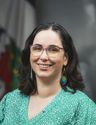
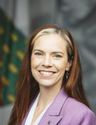
Shauna Morgan

Shauna Morgan Yellowknife North

Thank you, Mr. Speaker. Mr. Speaker, I am voting in support of this budget since I feel that the budget and the associated commitments that we have negotiated represent significant investments that will benefit people across the territory and changes that people will actually notice, things that will actually improve their lives. I think any of us, including each of the Cabinet Members, could stand up at any time and list a hundred things that we don't have in the territory, A hundred things that we want, and a hundred things -- a hundred more things that we want done better. But we don't have the resources to do a hundred new things and another hundred things better each year, and if that was the bottom line for being able to pass a budget, we'd probably never be able to pass one and we'd never be able to fund any government work, let alone new initiatives. We have to pick a handful of priorities, and that doesn't mean picking around the edges and only doing tiny, meaningless things. It means tackling the biggest issues, the biggest problems, and being strategic about investments that lay the foundations for big improvements.

Now, I spoke at length in my Member's statement today about positive developments and investments on the health care front that we've all worked hard to secure, so I won't repeat those comments here. I will say, however, that they're not all fluffy policy commitments. Maybe some Members have failed to notice, but we have been promised real money to come forward in a supplementary appropriation in the May-June sitting to fund real, new frontline positions, new practitioners who will join our integrated care teams.

I also wanted to be sure to highlight that the commitments on education are also significant. We see $30 million in new funding for inclusive schooling that will allow us to quickly respond to the anticipated recommendations in the forthcoming inclusive schooling review. So that's key, because we know that our struggles in education are urgent. That money will be able to support needs that are more than apparent already, even without being able to see the final inclusive schooling review report. We know that we need more of the specialized supports, such as speech-language pathologists and other clinical services that this money will fund.

I also appreciate the education Minister's receptiveness to the ongoing advocacy by several Members in this House, including myself, for better literacy supports. The commitment to pursue consistent, early literacy screening in junior and senior code of conduct I think is a really good start. In terms of post-secondary education and workforce development, which many of us have kept emphasizing over and over again, financial support is now being provided to Aurora College to ensure that there will be a Fall 2027 cohort for bachelor of social work and bachelor of education degree programs.

So, Mr. Speaker, I won't run through all the various aspects of this budget. I know it's late, and we're all tired, but I am not hesitantly or reluctantly supporting this budget. I am happily supporting this budget as I believe it represents significant steps forward that we can all be proud of. Thank you, Mr. Speaker.

Bill 47: Appropriation Act (Operations Expenditures) 2026-2027, Carried
Third Reading Of Bills

March 5th

The Speaker

The Speaker Shane Thompson

Thank you, Member from Yellowknife North. To the motion. Member from the Mackenzie Delta.

Bill 47: Appropriation Act (Operations Expenditures) 2026-2027, Carried
Third Reading Of Bills

March 5th

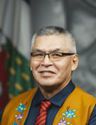
George Nerysoo

George Nerysoo Mackenzie Delta

Thank you, Mr. Speaker. When I came into this role, I did not expect to come into the Legislative Assembly with knowing that the community learning centres were going to be shut down. The residents of my riding put faith in me that their lives would become somewhat better, but halfway through or a quarter of the way through our mandate, we're getting a notice that the learning centres were going to shut down. That was a big hit to myself and to the residents of the Northwest Territories as a whole. But sometimes money is put on the back burner because safety and the well-being of our community residents is put in the forefront, and that's what I've been fighting for, for the residents of Tsiigehtchic. They wanted a police presence, a full-time police presence, nurse. But in this budget, they stated that they would work with the community, work with the RCMP, and see what -- how much presence they can provide the residents of Tsiigehtchic. Because at this time, they're fearing for their life with the influx of hard drugs coming into their community while there's no support, police support, and it's overwhelming them.

So there's a lot of other factors. I've always stated that, you know, if the Dempster Highway didn't go through our region, we'd have absolutely nothing in this budget. It's heartbreaking to go back to my community this coming weekend and answer questions about what's good in this budget for us. We need overwhelming factors to be considered for us to live a healthy life. There's prices going up all over. We can't go -- we shouldn't be going any further backwards. We can only build on what we got. And I have to accept that. I have to accept that, you know, we got police presence in the community of Tsiigehtchic for their safety. And hopefully we can get a nurse there a couple of times a week or something in that fashion. But sometimes money is -- safety overrides the dollar. So I am somewhat happy. I am not exactly happy for the whole budget. I think with the limited amount of money that's passing through our communities, I think this government should think seriously about negotiating with our local companies on contracts so that money can stay in the Northwest Territories and help our communities. If they're not going to pour money directly into our communities, then start negotiating these contracts. It'll be a good start. It'll make our communities happier. There's companies within our three communities that provide a lot of employment once they get contracts with the Government of the Northwest Territories.

Like I said, I hope we're not going to go any further backwards. We can only build on what we got. Maybe in the next budget we'll have a police officer in Tsiigehtchic. But that's -- that fight's been going on for over 40 years. It's just me continuing it. And like I -- we've got until next year, and I will continue to fight this battle for the community of Tsiigehtchic and other projects that Fort McPherson, Aklavik, and Tsiigehtchic may want. They ask me a lot to fight on their behalf for negotiated contracts, and I hope the government is listening because we have nothing. We need more. We asked for gravel. Maybe it could have been done in phases, but it was put back on the local government's table for them to consider, and they said they'll have personnel resources to help them. So it's reluctantly, but I will be supporting this budget. Thank you, Mr. Speaker.

Bill 47: Appropriation Act (Operations Expenditures) 2026-2027, Carried
Third Reading Of Bills

March 5th

The Speaker

The Speaker Shane Thompson

Thank you, Member from Mackenzie Delta. To the motion. Gentlemen and ladies, please, somebody put their hand up so we can go. Member from the Dehcho.

Bill 47: Appropriation Act (Operations Expenditures) 2026-2027, Carried
Third Reading Of Bills

March 5th

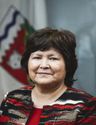
Sheryl Yakeleya

Sheryl Yakeleya Deh Cho

Thank you, Mr. Speaker. I too -- I looked at my budget address and tried to figure out how I was going to deal with this. And it's been quite a time learning here. I have to say that. And learn about how everything works and how -- you know, I wanted some stuff. I put some stuff on the list. And I am thankful for what I got. I mean, like my -- some of my colleagues said here, you can't get blood from a stone, you know, and we're -- we're in a deficit. And, you know, for me, I am very thankful that I asked for, like, phase 3 power. I wanted that, and -- but it has to be worked in a way that I know that it can happen. When? Maybe next time we do a budget like my colleague from McPherson said. I know, and I am glad that slowly -- and, like, it's going to take time. I know that things take time. I want something. It's not like we get everything we want right away. Things take time. So I understand that. And I will continue to work with the departments to support my people back home. I will continue to ask for them. You know, we don't have a land claim settlement in the Dehcho riding, and so it makes it a little bit more difficult for us. But I will continue to ask. I will continue to work for the people, continue to, you know, bring Ministers into the region so people can talk and ask questions about what they need. There's lots that -- yeah, we need a lot. But I know things take time.

And I am glad we have the teacher education program put back in. I am like all for education. I want people to get -- the more education people have, the more knowledge people have, the better they're able to make good choices in their life. It's not always about money, but we make it always about money. What about spending time with children? Spending time out on the land? We have -- there's money for on-the-land programs. I am thankful for that. We're dealing with a lot of addictions in our community. That is not about money. That's about a -- that's a people issue. We need to spend time together, do things together, talk together. I am passionate about this kind of stuff because that's the type of work I was doing before I came into this House. So I am grateful for that. Like I said, there's a lot that we don't have, but we'll get there. Things take time.

With that, I want to say thank you, and I will be supporting the budget. Thank you.

Bill 47: Appropriation Act (Operations Expenditures) 2026-2027, Carried
Third Reading Of Bills

March 5th

The Speaker

The Speaker Shane Thompson

To the motion. Member from Frame Lake.

Bill 47: Appropriation Act (Operations Expenditures) 2026-2027, Carried
Third Reading Of Bills

March 5th

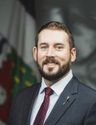
Julian Morse

Julian Morse Frame Lake

Thank you, Mr. Speaker. Mr. Speaker, it's getting late, and I am going to keep my comments to a minimum because I am sure the last thing anybody in this House wants right now is a 20 minute speech from the Member for Frame Lake. Let's be real here. Let's be real, Mr. Speaker. Come on. Okay. I can go. I can go. Okay. Mr. Speaker, I just want to note that I think -- you know, I want to echo a lot of what the Member for Inuvik Boot Lake spoke to. And, you know, there's been some different perspectives shared here, and I am not going to get too deep into it. But I will say that for me, you know, I am proud of the work that we've done over the past month and a half. It's been maybe even a bit more time than that. I mean, the budget for all of us really starts mid-January, if not a little bit earlier. And it's a grind. We all know that. People have spoken to it in the past. And so a lot of work has been done here. I am proud of that work, and I feel that we achieved a lot over the past few months. And, interestingly, I actually feel this is one of the more successful negotiations we've seen in terms of thinking about the list that AOC put together, the things that we agreed upon fighting for, and what we were able to get from the government in concessions through the negotiations that our chair and deputy chair worked so hard on. I actually think that we achieved a lot, and I am happy with a lot of what we achieved.

And the Member for Yellowknife North mentioned a few of the things, and I think just for sake of time, I am going to spare speaking to all the different things I am happy about. I can talk about those things in my newsletter with specific constituents. Certainly, there's a few who I am going to be reaching out to who I know are going to find meaning in some of the things we achieved because they were the people that I had in mind when I was bringing this forward. So I will be emailing them directly and saying, hey, here's what we got for you.

I just want to speak a little bit to the hard work and what goes into getting us to where we are, Mr. Speaker. I think that sometimes, certainly when I was -- before I ever took seat in this Assembly, you know, I didn't know much about Committee of the Whole and what goes on there. It was something I never thought about at all. But it's somewhere that I now spend significant amounts of my time preparing for and working in, and it stands out to me, Mr. Speaker, that in Committee of the Whole, effective lines of questioning, working with our colleagues across the floor, and all of the time that people don't see, the time that I spend in Ministers' offices talking to them about specific issues, talking about things that matter to me, asking them for advice. How can I be most effective on this issue that matters to me, and how can I help you be effective on it too? That's where the work really, the rubber really hits the road. That's the hard work. That's the work that people don't necessarily see. It's not something I was particularly familiar with before I got in here but what I have been working hard, exhausting myself doing over the past number of months. And those months are well long before this budget process started. This work is ongoing. And so I am proud of that, Mr. Speaker.

Mr. Speaker, at the beginning of this budget process, in my reply to the budget address, I spoke to us being stronger together. I do believe that. And that's what I mean when I am talking about that work, that when we are working together, that's how we can be effective. And speaking of being effective, I thought that we and I received a very good piece of advice in these budget negotiations, and that was that we are most effective as a group, as AOC, when we find common ground on issues, when we do the hard work of negotiating our way through that and figuring out what are the issues that we can all stand together on, what are the things that we can all really support that are important to this territory as a whole, not this or that riding, where we do support one another from time to time, but what are the issues of territorial importance that we can all agree upon. Yes, this is what we need to hammer down on. That's where we're most effective. I really appreciate that advice. I listen to it. And it's what stands out to me when I look at the things we have been able to achieve as a group. And I am very proud of some of the things that AOC has achieved. The key one is the $150 million of housing money. That is something that AOC worked very hard on. It took us a couple of years of hard work and hard negotiations, but we got there. And that is more money than any AOC has ever gotten out of any government for housing in the history of this Assembly. That is a big deal, Mr. Speaker. And it shows me that when we work together, when we come together on common issues, we can be effective. So that's what stands out to me.

I want to thank all the different Cabinet Members I just mentioned whose offices I spend time in and who I talk to and pester and probably sometimes annoy greatly, constantly pressuring them on different things and asking different questions and submitting BFs and all the different things that we do, for taking the time to work with us, to give us that advice, to help us be effective. I think we are all ultimately pulling in the same direction. All of us are here because of how much we care about this territory and how much we care about the people that we represent. I don't think anybody in this room can disagree about that. We may have different perspectives on how to get there, and I've talked to Members who I disagree with about that, but what motivates us to be here and the outcomes that we are looking to achieve are very similar at the end of the day. And I think that's something to reflect on and to think about. And I am going to end on that point right there, Mr. Speaker. I am in support of the budget. Thank you.

Bill 47: Appropriation Act (Operations Expenditures) 2026-2027, Carried
Third Reading Of Bills

March 5th

The Speaker

The Speaker Shane Thompson

Thank you, Member from Frame Lake. To the motion. Member from Monfwi.

Bill 47: Appropriation Act (Operations Expenditures) 2026-2027, Carried
Third Reading Of Bills

March 5th

Jane Weyallon Armstrong

Jane Weyallon Armstrong Monfwi

Thank you, Mr. Speaker, Mr. Speaker, I know that -- we know we are not going to get everything that we want or we negotiated, knowing we are in deficit, but -- but working together, we can still get stuff that we asked for. I know that I am not going to get the water truck, sewer truck, for essential services in Tlicho region, but especially for the small communities, the small fly-in communities. But, you know, at this time, it's not the end, just like my colleagues said. It's an ongoing thing that we have to keep working on. I would like to see that because they provide -- you know, community government provide a lot of essential services. And we can't live without water. We know that. And, you know, I asked for RCMP in Gameti and Wekweeti, but I am quite pleased with the accommodation to improve the justice systems, especially in overnight accommodation in Gameti. That's okay. You know, at least we're getting somewhere.

And I asked for three DMV positions. I got none. But that's not the end. I know where to go if -- to get -- you know. I will still try to get some, you know. That's not the end. But I am, you know -- like, with a two-year term possession, I hope it doesn't stop there, you know, for -- with the ECC. I hope it's going to result into indeterminate positions. And the North Slave office, two times a week, every two weeks, that's not enough, but hopefully it will turn into a full-time, you know, with a strong advocate. You know, I am not going to stop just because, you know, like, they have it there. I am going to continue fighting for more jobs because we know that NWT -- in NWT, with the mine closing, we're going to need more jobs. We need to create more jobs or transfer more jobs to small communities because the small communities have to live and survive too as well. So it doesn't mean that it's going to end here, you know. You know, I am okay with it because I know what to do in the future. I know that, you know, if I am -- I just have to go and talk to them or make it part of our budget negotiations.

Another one too is that, you know, I asked for -- to create Tlicho region. At least now it's been addressed yesterday too that an effort will be made by GNWT to work with Tlicho government for establishment of a standalone Tlicho administrative region, you know. That's okay. I mean, it's in there, you know. So I am quite pleased about that. But I know that the elders have said to me many times when I first campaigned, they said, you know, like, if you work alone, you're not going to get anything done, but if you work together collectively, you can get a lot of things done. And I do appreciate, and I thank my colleagues here for helping and working with me to -- even my Yellowknife colleague advocated for Tlicho region as well. All of them, I really do thank them. Like, you know, Mr. Hawkins, you know, Keiron, Mr. Testart, Julian, I mean, Mr. Morse, Kate, Ms. Reid, and Ms. Morgan. I really -- you know, they really did advocated for the Tlicho administrative region, so I really do appreciate that. So that's working together. And that's what the elders have said, is that you can't do it alone. You got to do it together. If you guys work well together, we can go, you know, long ways. We know that the GNWT is in deficit. So we just -- I am quite pleased, you know. I mean, I would like to get more, but I am okay with what we have right now because there's still room for improvements and there's still time that, you know, we can't get more things for our region. So with that in mind, you know, at this time, I will support that budget. Thank you.

Bill 47: Appropriation Act (Operations Expenditures) 2026-2027, Carried
Third Reading Of Bills

March 5th

The Speaker

The Speaker Shane Thompson

Thank you, Member from Monfwi. To the motion. Member from Yellowknife Centre.

Bill 47: Appropriation Act (Operations Expenditures) 2026-2027, Carried
Third Reading Of Bills

March 5th

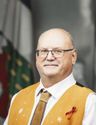
Robert Hawkins

Robert Hawkins Yellowknife Centre

Thank you, Mr. Speaker. Mr. Speaker, I do want to correct one piece of information from the Member of Monfwi. I felt like we were working for her, not necessarily working with her, so -- but in the spirit of collaboration -- because, I mean, many of us recognize her particular desire of wish of that the Monfwi riding being peeled out as a specific area or economic region in the budget. And, you know, in a lot of ways, it makes sense just by itself, saying, hey, can we target? So, I mean, when she needed support for that, I can't see why anyone would oppose that. I am not saying they're getting it. It's aspirational in the statement yesterday. So we have to see if it actually does anything. And as I told the Member from Monfwi yesterday, my humble opinion is it has nothing to do with the Tlicho government. It has everything to do with the Minister of Finance saying it needs to be done. I mean, it's not the Tlicho government's budget. It's the GNWT's budget. Now, we differing on that -- we differ on that perspective. It's the old splitting hairs. But the fact is I think that that really matters. It's our budget, not anyone else's.

So, Mr. Speaker, well, let's jump into a couple things. We didn't ask for hundreds and hundreds and hundreds of things. You know, we asked for a couple dozen things. And some things cost money, some didn't. Some were rewording even, you know, administratively. So I would say, Mr. Speaker, the challenge of that is I just felt like we were negotiating against ourselves. I don't even know why we call it negotiating some days. I think that the budget should have started off by talking about the unstoppable sleeping economy that's about to take over. Should have been the theme of this, how we're going to turn this around. It should have been the theme of what we're going to do. I don't feel that the budget itself addresses the economic cliff, if I may stress, that we're facing with such ferocity. I mean, I was thinking yesterday, do we have any more mines to announce a closure? Do we have any left? I mean, if we're lucky to get somebody saying we want to open one, that could be 10, 12 years. We all know the process doesn't happen overnight. We'll be lucky to get a couple of the lithium product -- maybe get a lithium project before the end of this current decade off the ground. But a lot of that has to do with the fact that the market on one of the products, you know, worth -- not worth a lot of money. And there's such competition, one project virtually kills the next one because there's not a need for that product on the market. It doesn't cost a lot of money, it doesn't make a lot of money, and if your project's more accessible, it's going to make it tough. I've spoken to the folks here. They're -- you know, they are worried. Yes, they're planning, and they're proceeding as if the project's a go, but I always worry, and they're worried too.

Mr. Speaker, I think the budget's an opportunity to be a catalyst of success, not a demonstration of status quo. And I've been part of many budgets over the years, and I just find that the resilience of the 11 Members -- as much as we try hard to draw a line, but when you show up at the last two weeks just before a session saying, here's your budget, Tulita-da, you know, and then what do you think even though it's in print, and what do you think, this is the one we're going to table, and what do you think, send us over your ideas, and then it boils down to is what we really think is more of a -- as they say, an Epimetheus, which is basically an afterthought, it feels like. I feel like it's constantly. If the government was being proactive to engage the 11 Members, which is hard enough being on itself, because we're 11 individual Members -- it would be a lot simpler if we were one party. We're not a party. We're a consensus government. I am not trying to get people wound up here. But we are individual islands, little shoals, you know, a cappella goes. It only -- once in a while, we come together as one force. And we can't even hold the line. Why? Because at the 11th hour of the budget cycle that we're just about to finish, people are tired, they're cranky. They just want to go home. They want to go on their holidays. They want to give up. Can we do any more? I don't care. Give me something, and I will go away, and I will vote for yes. Just make it in.

I think our job is to continue to hold the government's feet to the fire, and I am not sure the fortitude is being demonstrated this time around. As a matter of fact, I actually feel like the government got away very cheap this time around. I will come back to that because I really think on paper -- yet to be determined actually in dollars. But, you know, I think in paper, it really is only a $10 million success story. And I am not even sure on that because if you ask the question of, why am I not sure, it just seems like back to what my colleague from Range Lake had said. They were doing much of this already. They just re-profile it. I mean, it feels like a government announcement, the federal government, where they announce, and then they're, well, we're going to do this project. Six months, a year later, they re-announce the same project, an arena. I felt like it was a restatement of the government's goals and objectives. Very little seemed to crack the interest in the sense of it was new for us. Based on our asks, that is, Mr. Speaker.

You know, for me, seeing something, you know, immeasurable, our suggestions, in that sense, you know, it would be so important to see them in there in a manner that we know that they would stay. Sorry. I said immeasurable. I meant immutable, whereas when they're locked in. And so that -- for those who are curious, wondering what that is, that means basically you can't change it.

You know, there is, you know -- I mean, I just was -- suggested a minute ago, saying are we better off today than we were when we took office. I am not sure you can tell the difference. How we tell the difference is our hopes are higher, our economy is lower, and our dreams that the federal government will save us are really picking up momentum. Because if it isn't for the federal government coming here, saying we're going to put $5 million in the Yellowknife region -- or sorry. My apologies -- $5 billion in the Yellowknife region, $5 billion in the Inuvik region, that they might move to Yellowknife better. No. I am kidding. But in truth, without that, I don't know what we'd see. I really don't know. I mean, if it wasn't for that type of conversation, I mean, my goodness, back to the mines. Is there any mines left to close, to announce their closing?

So let's pair out here a little bit of what the Minister had said yesterday. So she talks about a meaningful role of shaping the government. Again, I've already talked about that, so I am not going to revisit that. But even if you took the influence of 11 Members, it's worth 0.015 percent of the budget. And that's assuming based on we had the influence of the $40 million, so in other words, the 10 plus the $30 million dollars for the enhancement to child care. So I hate to think, you know, it's a rounding error for our efforts here. And our efforts are restatements of programs that some are not even real. They're notional. And some are theoretic. Because some of this isn't even coming in in this budget. It's planning. We'll never see it. Well, don't worry. We agree to the plan, and the plan will come later, and we assure you. And I will get to that too.

I am reminded of one of the things that used to drive me crazy about one of the former finance Ministers. He always used to say the fullness of time. That's what this response feels like. One day, someday. That's my saying. And it feels like, well, just hold your breath. One day, someday, the notional part. Members, to my understanding, want movement on the inclusive schooling file. Absolutely. Members -- I think all Members, to their credit, not one over the other, not one higher than the other, not one less than the other, Mr. Speaker, I think it affects everyone, including Cabinet. And I think seeing movement on the inclusive schooling file gives me a real sense of juxtaposition. I am not happy with what they're presenting because they don't have a plan. And even we heard from the Minister of ECE it's still coming. So we're not sure what we're agreeing to. And that's always been a factor of me, which is I want to know what I am agreeing to. I am willing to agree to something I don't like. I am willing to agree to something I don't support. But I want to know what I am agreeing to. We're agreeing to a notional plan saying $30 million is coming forward, but we don't quite know yet what it is.

Again, federal -- it's the federal decisions that are going to make life better. As far as the primary care file, I mean, you know, one day people are railing against the public administrator, and then the next day they're saying he's the greatest. I am not sure. I am confused because, you know, we want things in this particular file, and I think, in essence, all of us want things. But, I mean, it just -- it's confusing that we're actually getting what we want. I don't feel like going through the finance Minister's full statement. But I do feel it's demonstrably disappointing because I don't feel like we actually made an actual impact. I feel like what we've been told is, you guys did a great job. That's a good AOC. Yeah, you did really good. Oh, you held us -- oh, don't worry. Don't worry. 0.015 percent of the -- oh, yeah, you really held us over a barrel. Oh, yeah.

Mr. Speaker, when I see things like the CLC, they're going to basically keep the lights on for two more years, well, they were going to do it anyway. It's the GNWT's buildings. We don't have any clear-cut plan on this, but they're restating it as a whirlwind success. And I think it's been raised by many people we still have our MRA problems. You know, I would have liked to have seen on the side, not to consume attention, some real hard studying and commitment to why our resource industry is tanking. Now, they'll say they're doing some work behind the scenes, and it'll come someday, one day. Remember that phrase? And it's frustrating because our mining industry -- we are a mining territory. And as I said the other day, you can't tourist your way into a new GDP out of this problem. You can't. I mean, I like arts. I buy art too. We had friends here recently. We said, go on an Aurora tour, spend some money. As a matter of fact, Mr. Speaker, you know this, almost cost me money taking a visitor to the diamond centre. Like, I don't know how he survived that visit. The point being is in we can only tourist our way so much out of this problem, and it's not going to have an effect over the greater GDP. So hoping the feds will save us seems to be the theme of this budget.

I am worried when we get to talking about the Mackenzie Valley, Members wanted committed routes, some details, whether it's the Taltson, to move it forward. And I am so worried about that because, you know, deep down inside, I wonder if that's ever going to happen. I mean, I like the concept of the project. I really do. I think it's a great plan. But we don't spend enough time talking about, really, will the water be there in five years? Ten years? Will the water be there for the capacity and the amount of money we're going to spend? Will the customers be there to do that? Well, we'll worry about that in a couple of years. But we've been spending 20 -- more than 20 years on this particular problem, and we still don't have a route.

I am glad -- again, the juxtaposition about how I feel about this budget, but yet I am pleased about it, is I am glad to hear they're going to ring the bell of opportunity in the social work program, the education program. But I've also suggested, you know, even not that long ago in the fall session, about trying to open the door to other trades and opportunities where we could work together through Aurora College. You know, I've highlighted some, but there seems to be little uptick. Trying to say how do we create this when I am providing opportunities, suggestions that the department, the Minister, or in the college could run with.

Mr. Speaker, I think, you know, listening to the words about how different people felt about the child and youth advocate, how it bothered people, we couldn't -- you know, we couldn't get a simple yes on this. As a matter of fact, I thought if there was one issue -- remember that little -- little islands and we all come together once in a while when the tide goes out and we all form one sort of fixed piece? I thought the child and youth advocate was the one. I really thought people would dig in and just say, no, no, no, until you do that. It could have been a simple yes, yes, yes, and we will commit money now to bring it online, and we'll commit money in the future to bring it live. They could have said, we're going to hire two people to design the office and bring it online. And, again, this is no different than what I said, you know, the previous week. How come ten provinces and two territories understand how important this is and we can't see that? Like I said, I thought that that was one that would really have made a difference.

Mr. Speaker, another thing that would have made a difference and I've, you know, certainly not been quiet about this, and I appreciate those who were willing to support the initiative, and some days it really felt like it was pulling teeth was the fact that, you know, trying to advocate on behalf of the RCMP for health crisis intervention team as a pilot. This is something the RCMP would welcome. This is not breaking new ground, Mr. Speaker. It's breaking ground on how we currently do business. And sometimes I think that that's the fear of this current design of the budget system, the budget process, the budget negotiations, if you call them, is that this is the only way it works. There are many ways for it to work. You know, being the dean of the House, you know, an old dog in the sense of legislative years, maybe not, you know, oldest, you know -- because we know we've got a few more gray-haired silver foxes around this room. But the truth is, in the old days, you know, the old governments used to spend time coming to the Members in the fall and showing them and saying, how do we work some stuff into your budget -- or sorry -- our budget. Well, it's everyone's budget to be truthful. You know, there was that give and take early. You know, maybe they would have gone to the committee, AOC, and said, you know, MLA for the Dehcho, what's important to you, and they would have said, oh, well, maybe three-phase power mattered to me. It really matters, and it'll make the difference in this community. Like, the -- it would change the community. And then go back and think about it and evaluate it, and come back and say, you know, okay, well, we can't quite get there yet, but maybe what we'll do is we'll work with you to create a plan to get there. Maybe not this budget, but we'll show you we're working hard. So you have something to go home with and show them we're moving the file beyond a no. And nothing's worse than we know better. Not just no. We know better.

In those days, it was quite collaborative. Yes, the government got most of what they want, but at the same token, they said, Members need wins. How many members -- you guys must be sick and tired of me saying this, but it matters. Members need wins. And it frustrates me that if somebody gets a win, we can't find ways to stick together for other Members to get wins. I mean, I am not picking on my colleague from Monfwi, but I just want to make a sense that, you know, I was very supportive of the Tlicho one. I will go around. I am very happy for Mackenzie Delta getting their things. But, I mean, all of us need wins, not just one or two of us. Like, the government has all the resources to do all the decisions, and then they come to us in a format of saying this is how it's going to go, convinces us otherwise. But it's almost impossible to convince otherwise because we're 11 individual groups. And that's important, and that can't be lost. 11 individual groups. There's nothing that binds us or holds us together. Perhaps hopes. Perhaps dreams. But there's nothing that holds us together.

Mr. Speaker, I feel like this government is going to miss an opportunity and, you know, in the sense of, for example, the land administration, that comment was in the in the Minister's response yesterday. I mean, I cannot stress enough I don't know how we -- I am so worried we're going to mess this up. And I am terribly worried. I mean, we hear Yellowknife city council. We hear Inuvik council. We hear Hay River council. They all want land. And it continues to be a clear-cut illustration of lead feet moving forward.

You know, when I was a young person in the 80s, not completely young, but they talked about the land lease policy will solve things. They even brought it up the other day about Justice Berger saying, oh, don't worry, we'll solve land claims, and we'll get through this in about ten years. Oh, my goodness. Justice Berger, well, he undershot that guess. But land matters. Now, I am happy to hear that they want to put a couple NAR* people in the system. Thank goodness. I just hope it changes the problem. Because you know what? The federal government can't wait for us. As a matter of fact, it's sad to say we almost require the international crisis for us to move forward on success. And I feel horrible as a person thinking about we need bad news for us to have good news here. I don't want to be that person. I don't think anyone does. But if we can't get our stuff together and aligned quickly, what do you expect the federal government to do? I mean, do you want them to issue a parliament order that they're seizing property and they're going to do this and they're going to do that? I mean, I said at the opening of the budget during the start, which is we should have been rolling out the carpet, the red carpet, the big carpet, and saying, thank God you're coming. Because hopes don't feed bellies, fill bellies. They're great stories.

So, Mr. Speaker, I really feel like if you assess what the Members asked for -- and even not that because they're restated priorities, most of them, within the government of what they are doing. But even if you just said they were ours, we're down to $10 million, and that's .003 of the budget. That doesn't feel like a win. That feels like the crumbs that fell off the floor -- or fell off the table and onto the floor. Just enough to tease us to come back next budget. So as everybody says, you can't get what you want -- always want, I just wish we felt like we got it once in a while. I wish I could be standing here saying I am voting for this budget because I am so excited that half the Members' asks were satisfied. Not even a quarter of the Members' asks were satisfied. Very few, Mr. Speaker. And, hence, it's a very disappointing process until there's a willingness to open their ears and give Members wins once in a while. Thank you, Mr. Speaker.

Bill 47: Appropriation Act (Operations Expenditures) 2026-2027, Carried
Third Reading Of Bills

March 5th

The Speaker

The Speaker Shane Thompson

Thank you, Member from Yellowknife Centre. To the motion. Member from Great Slave.

Bill 47: Appropriation Act (Operations Expenditures) 2026-2027, Carried
Third Reading Of Bills

March 5th

Kate Reid

Kate Reid Great Slave

Thank you, Mr. Speaker. Since I have the dubious responsibility of being the last person to speak to this, I will be short. Mr. Speaker, today is March 5th, 2026. I first met with the finance Minister on January 5th. Mr. Speaker, I went with my main estimates and my questions, and I peppered her for, oh, a good hour and a half, two hours, saying, what does this mean? What does that mean? Why is this happening? I don't like this. Explain this. And she answered as much as she could with aplomb and said, you know what, let's take this to round 2. And so two days later, I did the same thing again all over again on January 7th -- 7th. I can do math this late in the evening, Mr. Speaker.

So after that, I then spent two weeks in confidential briefings with all of my colleagues with the Minister in January as well as all of the Ministers across the side of the House, Mr. Speaker. And then I've spent five weeks here in this House choosing to be the water that wears down Ministers and the Premier, Mr. Speaker, on the things that are important to me. And drip, drip, drip, drip, we finally got there, Mr. Speaker, and I want to thank the chair of AOC and the deputy chair of AOC, and I want to thank the Member for Sahtu who taught me to be like water wearing down the rock. So thank you.

And I apologize, Mr. Speaker. I apologize deeply if I have made the Minister of Finance's January of 2027 very, very busy. But that is how you get things done. You wear people down, and you get what you want. Thank you.

Bill 47: Appropriation Act (Operations Expenditures) 2026-2027, Carried
Third Reading Of Bills

March 5th

The Speaker

The Speaker Shane Thompson

Thank you, Member from Great Slave. To the motion. Somebody say question. Thank you. Oh, you want to go again? Minister of Finance.

Bill 47: Appropriation Act (Operations Expenditures) 2026-2027, Carried
Third Reading Of Bills

March 5th

Caroline Wawzonek

Caroline Wawzonek Yellowknife South

Okay. I will try to be brief, Mr. Speaker. I am reading your room, but I am not good at it. Mr. Speaker, look, I appreciate comments from all the colleagues. I mean, and it is an opportunity to respond to some of it. I can't respond to every single Members' concerns or criticisms of the budget or the process itself, but I do want to hit a few of the highlights.

We don't have endless money, Mr. Speaker. We don't have endless public service. And what I will say is I have now, over the last few years, come to dread the day that I am getting the letter with the first round of asks. This year's letter was over seven pages long, if I recall correct, or the better part of seven pages long. And I often brace for what I am going to see in it. It is detailed. It often involves things like plans, costed plans, targeted plans, detailed plans, frameworks, resources, workforces, so on and so forth. And, Mr. Speaker, we're getting that, obviously, in the course of having a month or six weeks to go in the middle of session, and this is what we're all collectively being tasked in our departments to go and fix.

What is different in that process, as I have come to find out, is that what I've been told is that in the past, in the past assemblies, the asks were focused on more money here or more money there. And so these detailed asks seeking clarification, extensions, additions to the way the government works is a very different approach to changing the budget. The budget isn't just the new money. The budget is the totality of how the government spends public resources to deliver things for the public. And so what I am asked with these detailed asks, on behalf of my colleagues, is to fundamentally alter the work that is happening with the $2.7 billion.

And the process is one that begins and really -- begins just about when we leave here tomorrow. Departments almost immediately have to start going in and saying, okay, where have we landed? What are our target adjustments? What did we hear over the course of session? Where do we know those pinch points are going to be in the next year? What were the major themes, topics, highlights, things that we didn't address in this budget but we know have become major issues? The business planning process for departments and for Ministers happens over the fall so that by December all of our colleagues here in the House are getting a copy of the draft main estimates. The main estimates do get printed, but we know that they will change. And that process of change, Mr. Speaker, begins, as I think was just detailed, with the January reviews, then the beginning of the discussions in February through now. That formal part of the process is a quarter of the year. A quarter of the year we spend formally reviewing the budget, going through it, and negotiating it and discussing it. Of every single calendar year, we go through that process, Mr. Speaker.

And at the end of this one, Mr. Speaker, we do have quite a number of, I think, fairly interesting changes that are coming in terms of how government is functioning. And so I did go through them yesterday. I do want to note, Mr. Speaker, it would be my intention to table them as a list tomorrow so that they are more readily available as a Tabled Document for anyone that wants to have a look at the highlights. But there are a few that are worth mentioning again, and, Mr. Speaker, I am going to start with the education items, and the inclusive schooling item got some attention here today. There was a review underway, and there is a review and a management response being prepared. It was not ready in time to be part of the business planning process. Typically, something like that would go through a business planning process. So we wouldn't even see the benefits of this review until the next budget in 2027. It was obviously abundantly clear that that was not an acceptable timeline to our colleagues here. It was abundantly clear that they were expecting this to move much faster. So no, I don't know the specific details. We are taking an estimate of what the costing will be. We've estimated just roughly through the Department of Finance that this is likely to be a $30 million need. It, frankly, may well be more, Mr. Speaker. But the other thing is we're prepared to say we're not just going to wait until the next budgeting cycle. We're going to get some of that moving out immediately. That is not a small ask just to go and take a huge review and figure out what to do. But, again, that response is coming as a result of the priority set through these last couple of months to identify that we can't wait for next year, that we need to figure out some dollars faster, and even if that's not perfect, we need to do it, and we need to do it quickly. So that is -- that's how it's coming.

Similarly, Mr. Speaker, with respect to early literacy and screening and intervention and, frankly, the absence of federal funding that may be coming for early learning and child care, I don't know where that's going to land, Mr. Speaker. The Minister of education doesn't yet know where that's going to land. We can sit back, and we can wait. We can say, yeah, we'll probably figure it out, or we can be put on the spot now here to say we're going to make this commitment, we're not going to let this program slide, we are going to make a commitment now, and we're going to figure out the funding.

I can tell you, Mr. Speaker, I think that gives some people in the Department of Finance some queasiness. They would much prefer if we could take this process slowly, come up with a careful plan developed over time, carefully costed, vetted through the processes, not here where we say, you know what, our colleagues have said they can't wait, they won't wait, and they won't pass this budget unless we make that commitment in advance.

This actually, Mr. Speaker, if I recall correctly, was the first year knowing the size and scale of the expectations put upon us by our colleagues of the kinds of things they wanted to see advanced this year, not next year. This was the first time that we're actually making commitments for next year, saying we will figure this out this year, we will use this year's budget to get this work done, and we're making commitments for Budget 2027 now on behalf of the government. It's the first time we've done that. And the reason I think it matters, Mr. Speaker, is it speaks to again the totality of the way that our system functions, where we can recognize that there are priorities that we may be working on as a government. The criticism of when is it going to come, when are we going to see it, when are we ever going to do it, well, we've now said, okay, I don't have the number for you today, but I am going to commit that it will come, it will be in the next budget. And I don't think I've ever actually been in a position or been put into the position to have to do that. But those are the demands put on us, that we're not going to let this government be done, we're not going to let the 20th Assembly be done, unless you tell us that these things are going to happen. So go get the work done, figure it out, and bring it back. And so that's what we're doing on a number of fronts now, Mr. Speaker. I do appreciate that colleagues are not just expecting an answer by the May session. Some of these big items, you know -- early learning and child care is a good one, and some of the inclusive schooling money and some of the health care commitments, they will take longer to get done right. But, again, it is a very different process than what you might see elsewhere, but it's one that I think really does, again, speak to the totality of how do we spend public dollars and how do we decide where to put them. And this is one that that truly does respond to that.

Mr. Speaker, I wanted to -- actually, as I am flipping through my own little list on the table tomorrow, I do want to stop for a moment on the Tlicho government item. I know this has also come up this evening and the administrative region. I do sincerely appreciate the Member from Monfwi's -- everyone's -- I've heard from a number of people on this issue and a lot of questions of what that will look like. I appreciate a bit of grace on this because I do acknowledge that there's a strong expectation that this will get done this Assembly, not some future day. But I do feel strongly that we want to make sure we're doing this work with the Tlicho government. I know myself and the Premier have had outreach from the grand chief on this now in the last couple of days owing to the discussion here and to the commitments made. And so I do just want to reaffirm I've certainly heard the request that this happened for all of the reasons put forward in the Assembly. So that was in the budget acknowledgments, but, again, I want to maybe just double down a little bit. But I've heard that. I understand it. And we are -- we're going to find this one -- we're going to find a path forward on this, Mr. Speaker. We're going to find a path forward that really meets the needs of the Tlicho government and the Tlicho people.

Mr. Speaker, I am trying to be mindful of time. I want to spend a couple minutes on the health and social services items. There this one -- there was a lot of attention and a lot of time spent in unpacking these challenges. There's a lot of work happening in primary care reform. There's a lot of work happening on medical travel review. But, again, us in the government side saying there's work happening when it's not translating, when it's not answering what Members from AOC, who are charged with accountability over the government, are saying, this is not good enough what you're giving us, the timelines you're giving, the explanations you're giving, the details you're giving are not good enough, and we want to see more, we want to have more clarity, we want to have more commitments for times, we want to have more commitments for what we're going to see and when and for more commitments on how you're going to do these things, that is fundamentally altering the work and the function of the public servants who are working within the budget that we are seeking to have approved. So to modify what they're doing, how they're doing it -- but, again, Mr. Speaker, I think it's quite a testament to the accountability that's been brought to this House where I sit down with the Minister of health, her deputy, my deputy, and we all sit and we say, okay, what can we do and how do we do it. So, Mr. Speaker, this was one that had a lot of attention from our departments in order to make sure that we are making promises here reflective of the issues that have come forward and that will push, truly push, the government in the direction that we are hearing clearly that Members in this House want to go.

Mr. Speaker, I wanted to maybe, before I conclude, land on the items under Justice because they actually happen to be items that matter a lot to me. It's the role that we have over here is in the departments that we have. We don't necessarily get a chance to dig into every issue. But when the asks come forward for improvements to small community access to justice on issues that I know have been around since way back in the day when I was still doing circuit courts and they have long sought for solutions -- I have long heard Tsiigehtchic and Gameti say, why can't we have RCMP patrols, why -- you know, the court doesn't come here. This isn't -- these are not new asks. But, Mr. Speaker, this was the first time that the Minister in receiving these asks said we are going to solve this, we're going to figure something out. It's not perfect. I can't force the RCMP to open a detachment, and it's not a simple request. But we found some solutions that I believe will make a significant difference. This ask from the Members is what drove this. I appreciate that they brought it forward, and I appreciate that they're willing to let us see if we can make some creative solutions that I hope will truly make a difference for the people in Gameti and Tsiigehtchic to have better access to justice and more safety and better sense of safety with the RCMP.

With that, Mr. Speaker, I am going to conclude. I do want to commend the Members. Again, the questions that are in question period are only part of the story. The questions that we hear in the Committee of the Whole, the media doesn't always pay attention to us here in Committee of the Whole, and maybe doesn't seem to make as good television. But those are -- that is the review of the budget. That is a public review of the budget document. Ministers and senior officials sit as witnesses. I'd commend anyone who has an interest in an issue or an interest in a department to review the Hansard from Committee of the Whole and to see the way that people truly dig into the line by line or the function by function of government because that's where that happens.

With that, Mr. Speaker, I do want to thank the chair and the deputy chair. As I said, it was an overwhelming list. They're having to manage that list too. I appreciate the work that they do. I appreciate the good humour they bring to it. I appreciate the, you know, twisting that they put on me to make sure that we truly are finding every last way to deliver within this government and within the way that we do things. They are lengthy negotiations. There's lots of back and forth. There's both exchanges of paper and reviews, one against -- one to the other. But one thing I will say, Mr. Speaker, is it's not what I have found was -- it was many, many years ago where you bake a few asks in and you'd see your asks in the negotiations were effectively done or set aside a few few million here and there, and it was done. When we go through this process, Mr. Speaker, we alter the way that we spend the dollars. We're not just adding new money. You're fundamentally going to change the things that we deliver upon as a government, and that is thank you to the asks firstly that Members make, to the follow-through on which of those asks and how we want to see them achieved and what kind of creative solutions we can come up with. It alters the function of government. It makes the function of government better.

And so with that, Mr. Speaker, my last word is this: I am going to start -- or end where I started which is that this territory is at a very challenging crossroads right now. It's been a very difficult several years of successive emergencies, successive crisis. Now -- and now, really, we're sitting in the middle of a geopolitical crisis with eyes on the Arctic and not always positive or welcoming ones. But the eyes of our nation were on the Arctic, and it's our opportunity to stand as elected leaders, to stand and say that we can work together, identify priorities, identify creative solutions, work towards them collaboratively, and that we are ready to do that to deliver upon projects that will build this country because a strong north will be a strong Canada. Thank you, Mr. Speaker.

Bill 47: Appropriation Act (Operations Expenditures) 2026-2027, Carried
Third Reading Of Bills

March 5th

The Speaker

The Speaker Shane Thompson

Thank you, Minister of Finance. Before I call motion -- to the motion one last time, I'd like to thank our interpreters very much for staying this late night. I thank you very much for the work you're doing, and I know you guys were supposed to leave at 8, but you guys are still working. I thank you very much for that. So for the last time, to the motion. Question has been called. And the Minister of Finance has asked for a recorded vote. All those in favour, please stand.

Bill 47: Appropriation Act (Operations Expenditures) 2026-2027, Carried
Third Reading Of Bills

March 5th

Clerk Of The House Mr. Harjot Sidhu

The Member for Yellowknife South. The Member for Kam Lake. The Member for Hay River North. The Member for Hay River South. The Member for Inuvik Twin Lakes. The Member for Nunakput. The Member for Deh Cho. The Member for Sahtu. The Member for Inuvik Boot Lake. The Member for Monfwi. The Member for Frame Lake. The Member for Great Slave. The Member for Mackenzie Delta. The Member for Yellowknife North. The Member for Thebacha.

Bill 47: Appropriation Act (Operations Expenditures) 2026-2027, Carried
Third Reading Of Bills

March 5th

The Speaker

The Speaker Shane Thompson

All those opposed, please stand.

Bill 47: Appropriation Act (Operations Expenditures) 2026-2027, Carried
Third Reading Of Bills

March 5th

Clerk Of The House Mr. Harjot Sidhu

The Member for Tu Nedhe-Wiilideh. The Member for Yellowknife Centre. The Member for Range Lake.

Bill 47: Appropriation Act (Operations Expenditures) 2026-2027, Carried
Third Reading Of Bills

March 5th

The Speaker

The Speaker Shane Thompson

All those abstaining, please stand. Thank you very much. Colleagues, recorded vote: 15 in favour, three opposed, zero abstention. The motion has carried.

---Carried

Third reading of bills. Orders of the day, Mr. Clerk.

Orders Of The Day
Orders Of The Day

March 5th

Clerk Of The House Mr. Harjot Sidhu

Thank you, Mr. Speaker. Orders of the day for Friday, March 6th, 2026, at 10 a.m.

  1. Prayer or Reflection
  2. Ministers' Statements
  3. Members' Statements
  4. Returns to Oral Questions
  • Oral Question, 1071-20(1), Cost of Living
  1. Recognition of Visitors in the Gallery
  2. Acknowledgements
  3. Oral Questions
  4. Written Questions
  • Written Question 35-20(1), Cost of Living
  • Written Question 36-20(1), Senior Envoy
  • Written Question 37-20(1),
  1. Returns to Written Questions
  • Written Question 32-20(1), Medical Travel Costs, Budget Pressures, and Travel Volumes
  • Written Question 33-20(1), Medical Travel Delays, Coordination, Communication and Repeat Travel
  • Written Question 34-20(1), Medical Travel Escort Policies Eligibility and Appeals
  1. Replies to the Commissioner's Address
  2. Petitions
  3. Reports of Committees on the Review of Bills
  4. Reports of Standing and Special Committees
  5. Tabling of Documents
  6. Notices of Motion
  7. Motions
  • Motion 76-20(1), Improving Transparency for Late-Term Direct Appointments
  • Motion 77-20(1), Establishment of a Comprehensive Territorial Crime Reduction Strategy
  • Motion 78-20(1), Extended Adjournment of the House to May 27, 2026
  1. Notices of Motion for First Reading of Bills
  2. First Reading of Bills
  3. Second Reading of Bills
  • Bill 46-20(1), Prevention of Proceedings that Hamper Expression on Matters of Public Interest Act
  1. Consideration in Committee of the Whole of Bills and Other Matters
  • Bill 3-20(1), Carbon Tax Repeal Act
  • Committee Report 39(1), Standing Committee on Procedure and Privileges Report on the Review of the Rules of the Northwest Territories Legislative Assembly, No. 3
  • Tabled Document 445-20(1), 2025 Review of Members of the Northwest Territories Legislative Assembly Compensation and Benefits Report
  • Tabled Document 483-20(1), 2025-2026 Electoral Boundaries Commission Final Report
  1. Report of Committee of the Whole
  2. Third Reading of Bills
  • Bill 34-20(1), Trespass to Property Act
  1. Orders of the Day

Orders Of The Day
Orders Of The Day

March 5th

The Speaker

The Speaker Shane Thompson

Thank you, Mr. Clerk. This House stands adjourned until Friday, March 6th, 2026, at 10 a.m.

---ADJOURNMENT

The House adjourned at 8:45 p.m.